


Traditional Tribal Mat
A traditional tribal mat brings hand-knotted village warmth and nomadic heritage straight to the floor.
Traditional Tribal Mat
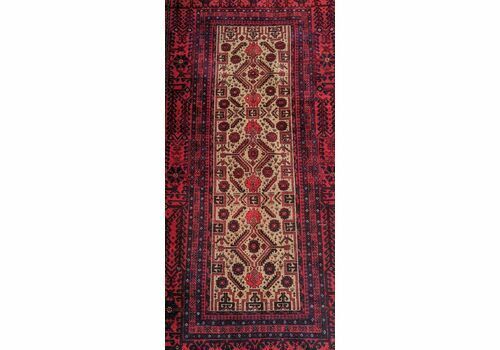
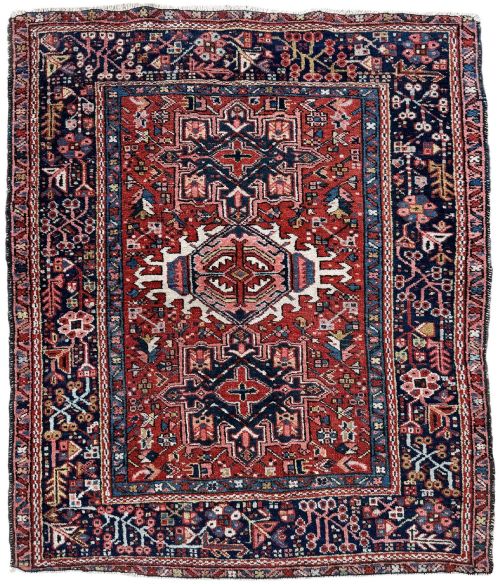
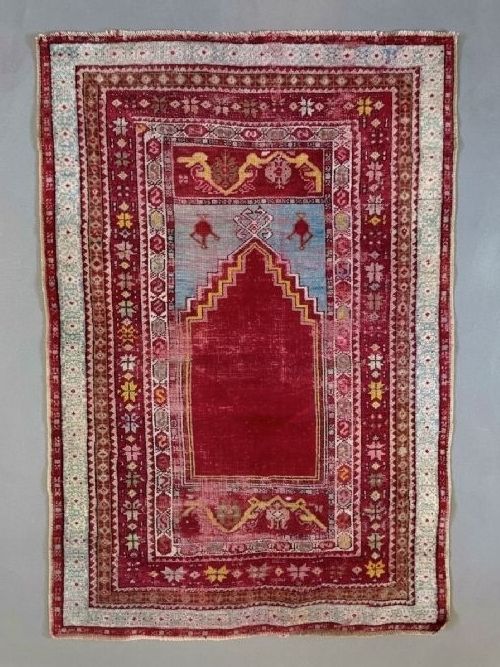
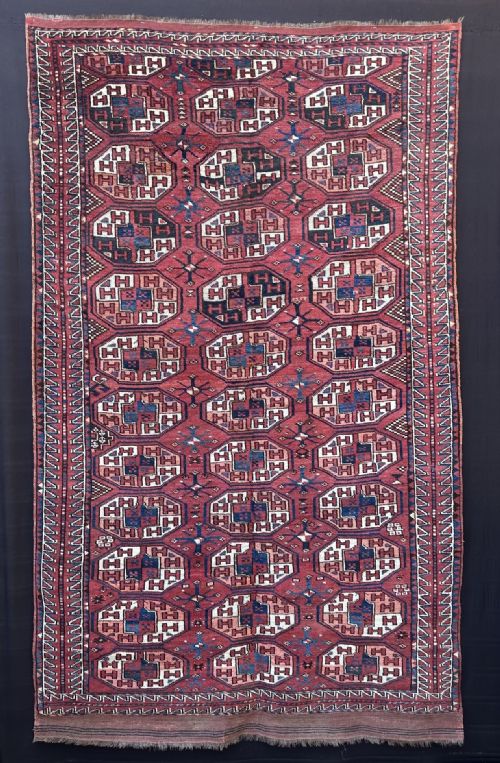
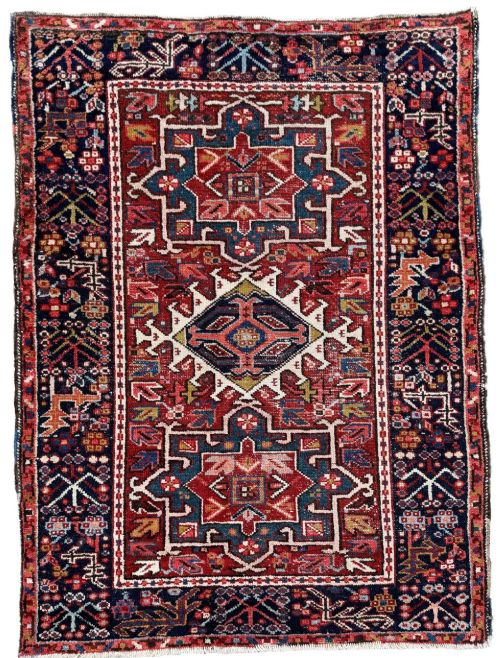
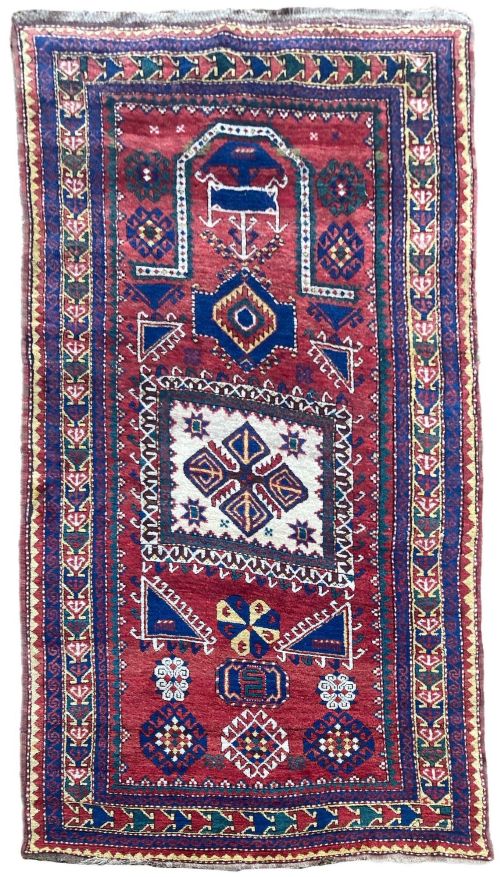
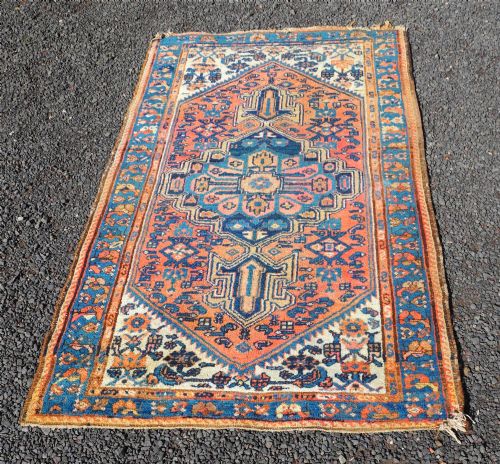
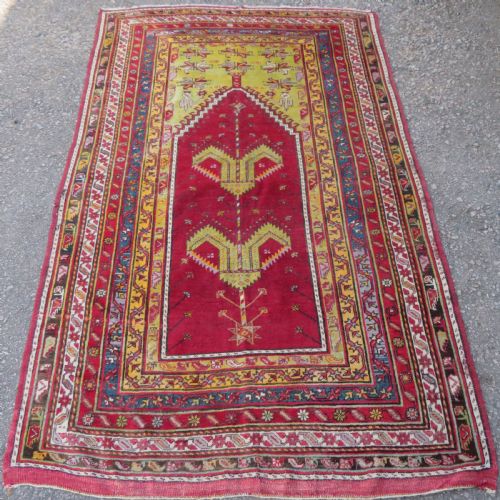
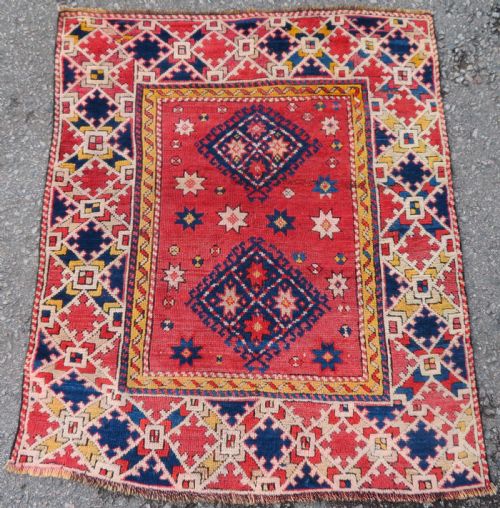
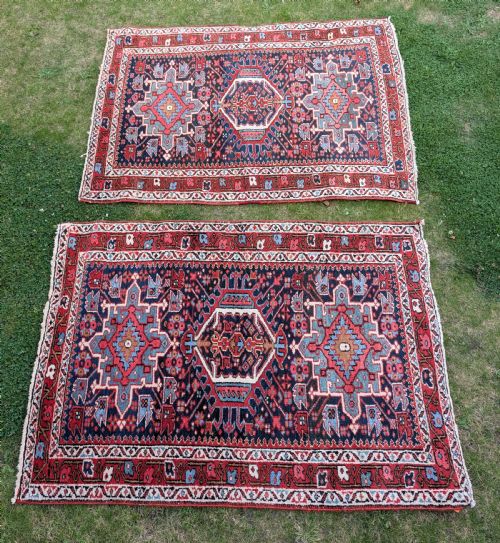
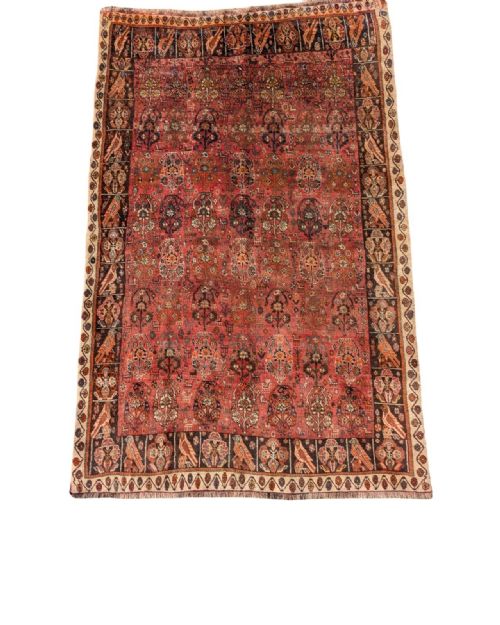
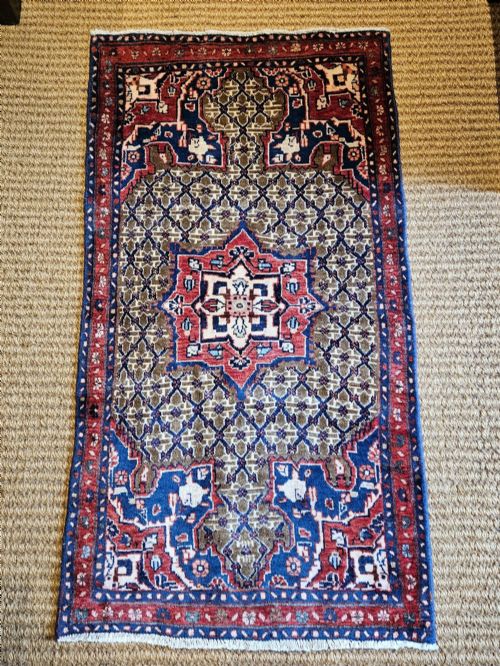
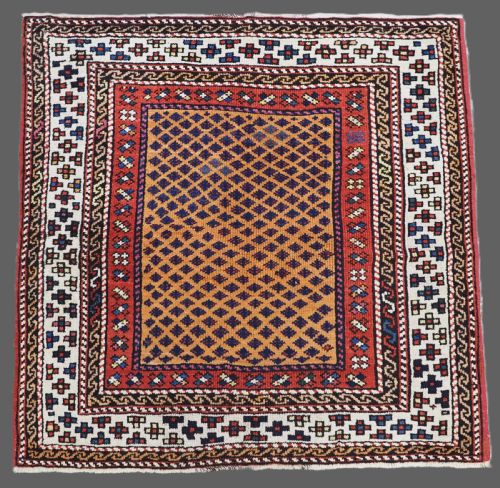
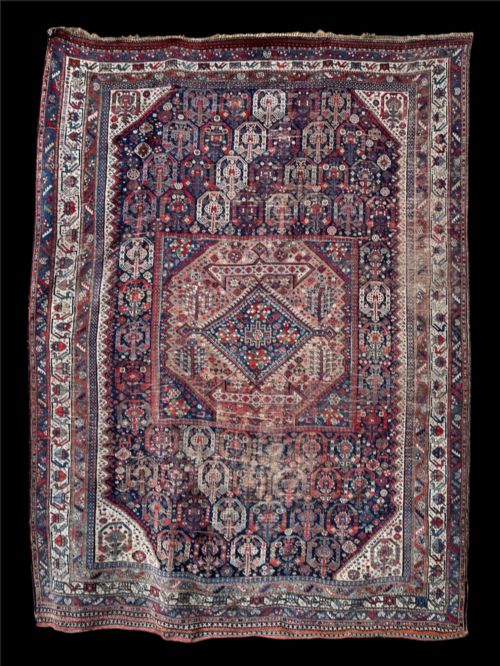
When you search for a traditional tribal mat, you encounter hand-knotted village and nomadic textiles originating from Persia, the Caucasus, Anatolia, and Central Asia. These pieces take the form of small area rugs, prayer rugs, hearth rugs, bagfaces, and village runners woven by tribal groups.
The version you are most likely to meet on this page is a wool rug dating from the late nineteenth century up to the early twentieth century. Examples span specific regional groupings including Afghan Baluch, Turkmen, Karaja, Hamadan, Bergama, and Kashgai.
Materials and Construction
Weavers constructed these traditional tribal mats primarily using wool foundations and pile, occasionally incorporating cotton alongside natural dyes to create enduring patterns. The application of natural dyestuffs yields deep, saturated colour palettes that develop a rich patina over decades of use.
Nomadic and village weavers tied dense knots by hand on upright looms, producing sturdy pile textiles designed for daily domestic utility or ceremonial prayer. Regional traditions dictated specific structural methods, from the geometric formats of Caucasian weaving to the distinctive motifs of Central Asian tribes.
The listings span the late eighteenth century through to 1930, featuring wool and natural dyes in Persian, Caucasian, Anatolian, and Turkmen styles.
Judging Quality
Quality in a traditional tribal mat rests upon the fineness of the knotting, the handling of wool, and the depth achieved through natural dyes. Tightly packed knots allow intricate geometric and figurative motifs to hold their clarity across the field.
The visual harmony of the palette and the integrity of the original tribal design distinguish superior examples from standard village production. A well-balanced composition and supple handle elevate a textile beyond ordinary utilitarian weaving.
The Traditional Tribal Mat Glossary
- Prayer rug
- A textile featuring a mihrab or niche design used historically for daily prayers. These rugs often direct the eye toward a central focal point.
- Mihrab
- The architectural arch or niche motif depicted on prayer rugs. It symbolises the direction of prayer in Islamic tradition.
- Gul
- A medallion or octagonal motif frequently repeated across Central Asian and Turkmen carpets. Each pattern often identifies a specific tribe or clan.
- Sofreh
- A flatwoven or piled spread used for dining, kneading bread, or holding foodstuffs. These textiles carry specialised utilitarian designs.
- Bagface
- The front panel of a storage bag produced by nomadic weavers. They display compressed tribal patterns in miniature formats.
Traditional Tribal Mat: Frequently Asked Questions
How do I clean an old tribal mat?
Gentle surface brushing and professional specialist washing preserve the natural wool fibres and dyes. Avoid harsh chemical immersion.
Allow the textile to dry flat in a shaded area to prevent shrinkage or distortion of the foundation.
Can I place these rugs in hallways?
Certain pieces function well as hallway runners or landing floor coverings where foot traffic remains moderate. Use a breathable underlay to keep the textile stable.
Positioning rugs away from direct, harsh sunlight prevents premature fading of natural wool and dyes.
How are tribal designs identified?
Specific geometric motifs, border arrangements, and colour combinations point toward distinct regions like the Caucasus or Anatolia. Structural traits such as knot type and warp characteristics provide further clues.
Comparing palette choices helps separate Persian village weaving from Central Asian tribal work.
What makes a prayer rug different?
Prayer rugs incorporate a distinct architectural arch design known as a mihrab, often oriented in a single direction. Nomads and villagers used these smaller formats for personal devotion.
The field layout guides the user during prayer, setting it apart from standard floor carpets.