

Traditional Timber Storage
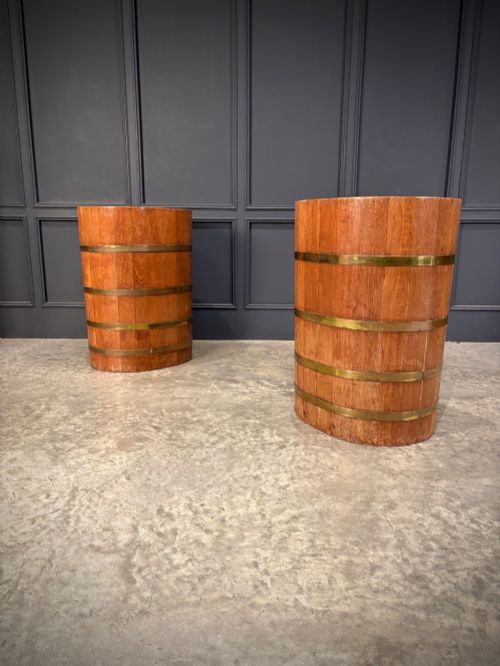
Traditional timber storage comprises robust chests, coffers, cupboards, and wardrobes crafted from solid woods across centuries.
Traditional Timber Storage
Traditional timber storage encompasses functional household vessels designed to hold garments, linens, books, and provisions, ranging from early joined oak coffers to Victorian mahogany chests of drawers.
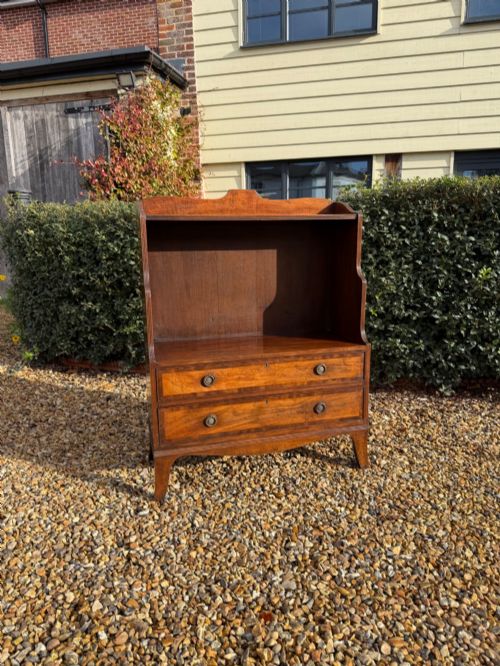
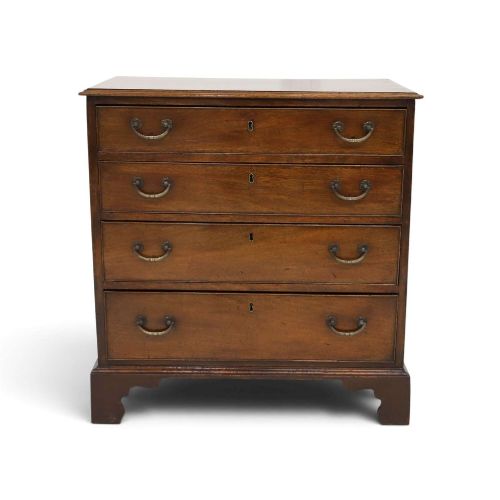
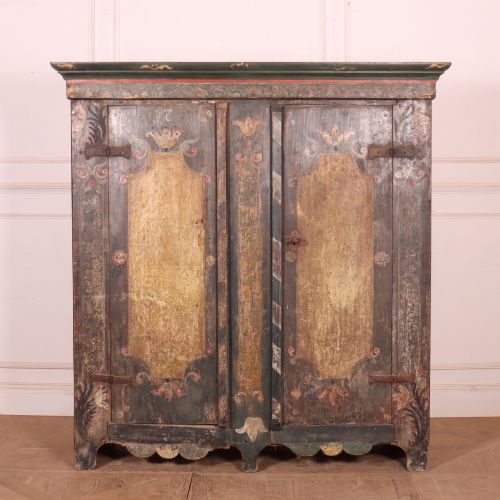
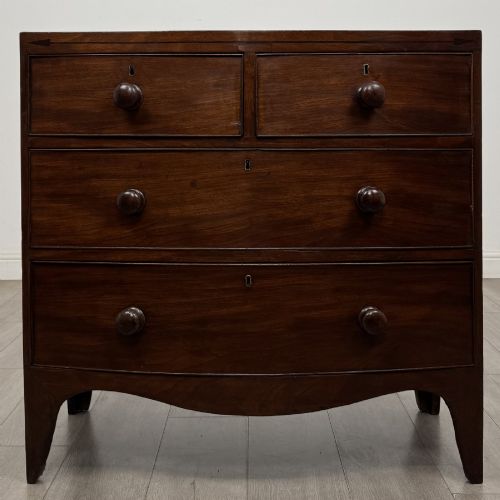
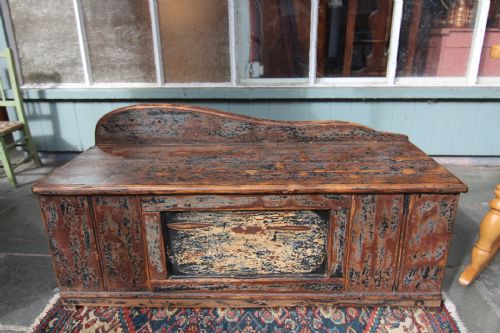
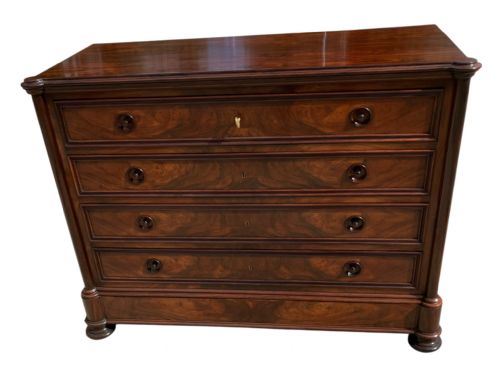
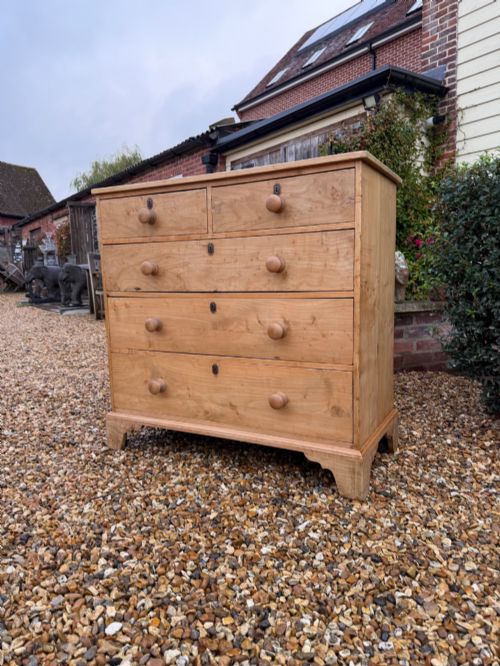
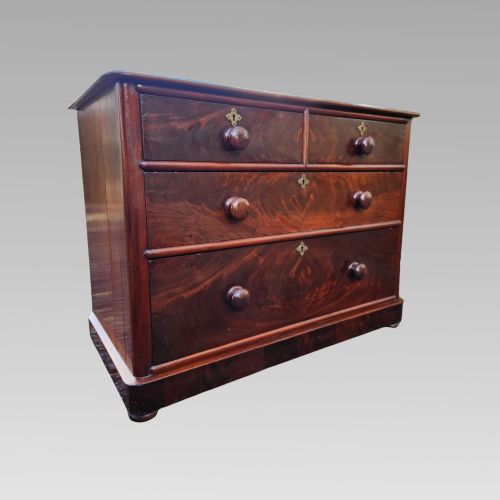
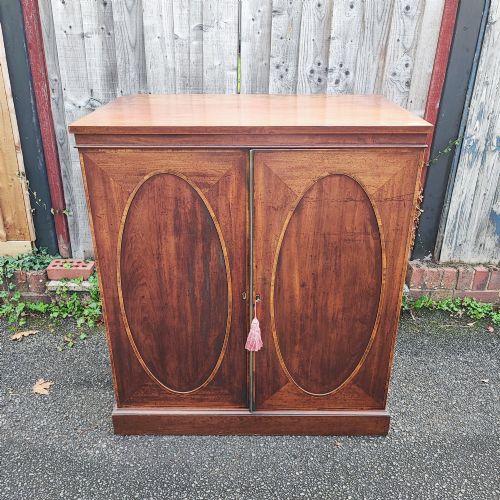
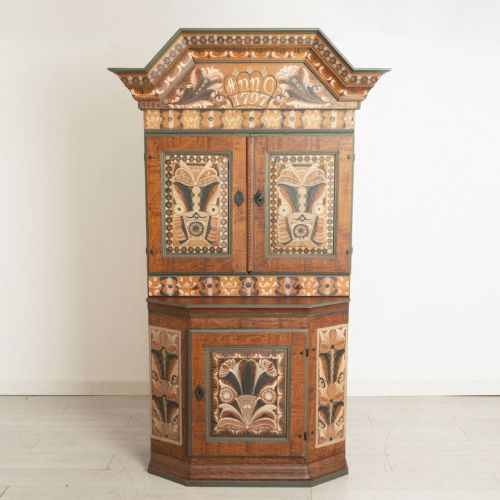
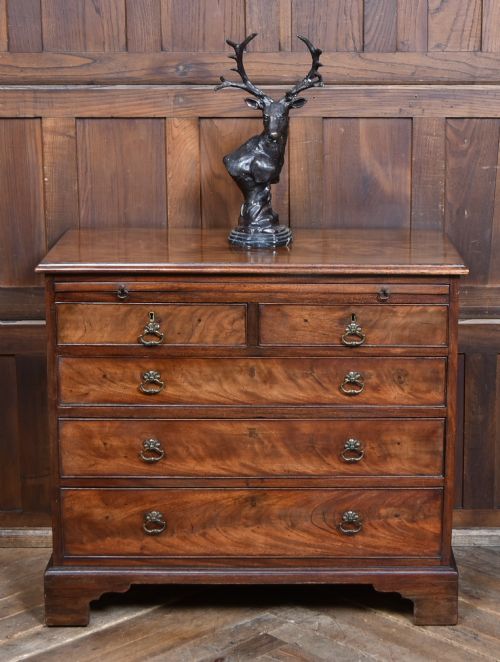
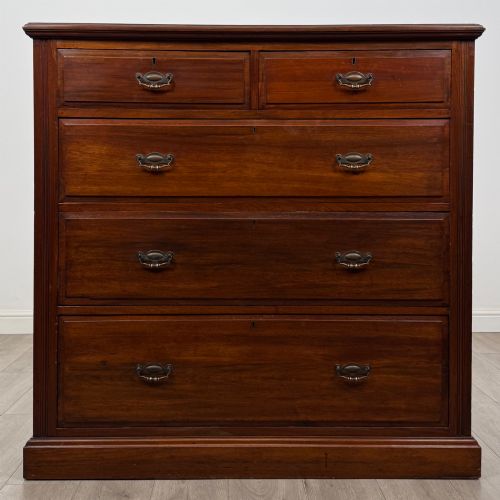
The pieces appearing most frequently span the eighteenth and nineteenth centuries, including Georgian and Victorian mahogany drawers, rustic pine blanket boxes, and painted country cupboards.
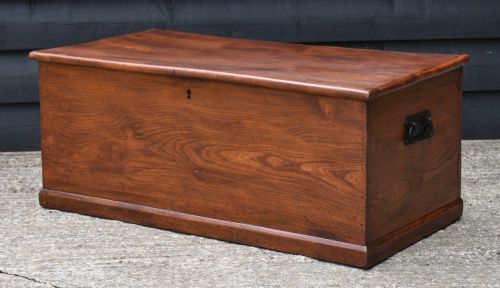
Forms extend from simple six-plank elm coffers and domestic settles to elaborate barrister bookcases, apothecary banks of drawers, and imported marriage cabinets.
What varies in quality
Quality separates through the integrity of the timber selection, the precision of joinery such as hand-cut dovetails, and the preservation of original hardware, handles, and surface finishes.
Refinement in carving, proportion, and the authenticity of regional painted decoration distinguish standard utility furniture from finer country house and cabinetmaker commissions.
Traditional Timber Storage Retail Price Guide 2026
Typical asking prices for traditional timber storage among the pieces listed under this phrase on Sellingantiques today, from the lower quarter to the upper quarter. They describe what is for sale here now, not the wider market.
Storage forms span domestic settings through trunks, commodes, wardrobes, barrister bookcases, and apothecary banks of drawers.
Jas Shoolbred
The Traditional Timber Storage Glossary
- Coffer
- A large wooden chest traditionally used for storing valuables, linens, or dry goods. Early examples often utilise joined oak construction with pegged framing.
- Dovetail
- A joint formed by interlocking wedge-shaped fingers, widely utilised in drawer construction for maximum tensile strength. Fine antique examples display narrow, hand-cut pins.
- Scumble
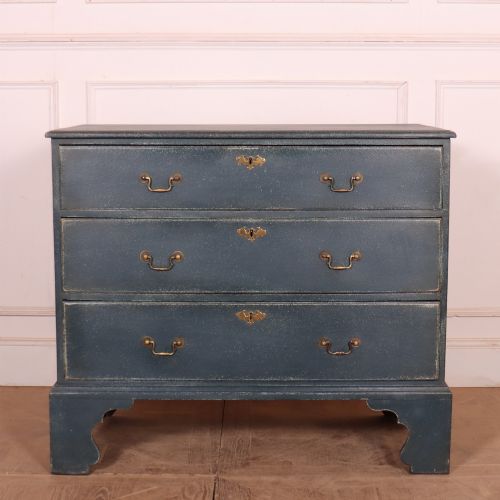
- A translucent or semi-opaque layer of glaze applied over a base coat to imitate wood grain or create textured decorative effects. It is commonly found on nineteenth-century utility furniture and housekeeping cupboards.
- Press
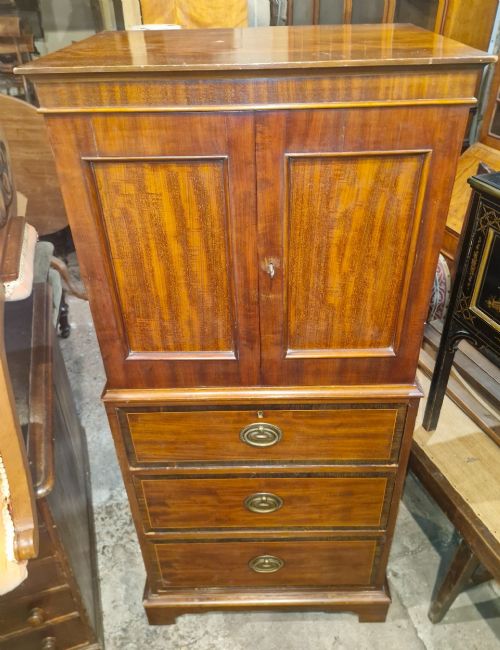
- A large wardrobe or storage cupboard featuring sliding trays or hanging space enclosed by doors. George III mahogany presses are typical examples of this form.
- Plank
- A long, flat piece of timber sawn from a log. Six-plank coffers utilise individual boards joined directly at the edges without a separate internal frame.
Traditional Timber Storage: Frequently Asked Questions
What is a six-plank coffer?
A six-plank coffer is a primitive chest constructed from individual boards of timber joined directly at the edges, typically utilising thick pine or oak.
These utilitarian pieces date back centuries and represent the foundational form of domestic furniture before advanced frame-and-panel techniques became standard.
How do I identify a Georgian chest of drawers?
Georgian chests of drawers are typically constructed from dense mahogany or oak, displaying hand-cut dovetails and classic proportions.
They often feature traditional brass drop handles or bail pulls and rest on bracket feet or short plinths.
Where were painted pine cupboards used?
Painted pine cupboards and housekeeping cabinets were staple furniture items in country houses, farmhouses, and provincial homes across Britain and Europe.
Their soft pine surfaces were frequently protected and decorated with coloured lead paint, scumble glazes, or folk art motifs.
What is a barrister stacking bookcase?
A barrister stacking bookcase is a modular office or library unit comprising multiple horizontal sections with glass-fronted doors that lift and slide inward.
Designed for easy transport and expansion, these solid mahogany or walnut units allowed professionals to store and protect growing collections of books.