



Traditional Timber Hall Table
Traditional timber hall table designs offer practical utility and enduring character, spanning centuries of craftsmanship in mahogany, elm, pine and oak.
Traditional Timber Hall Table
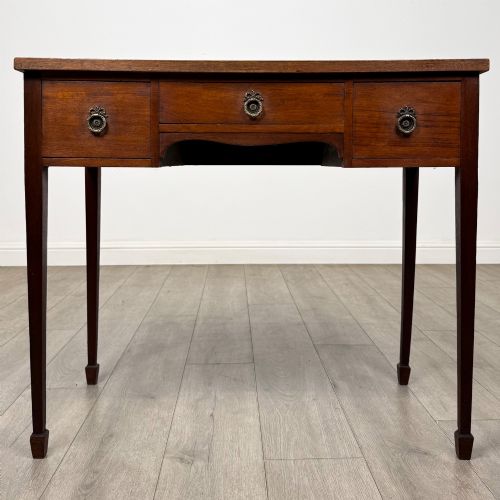
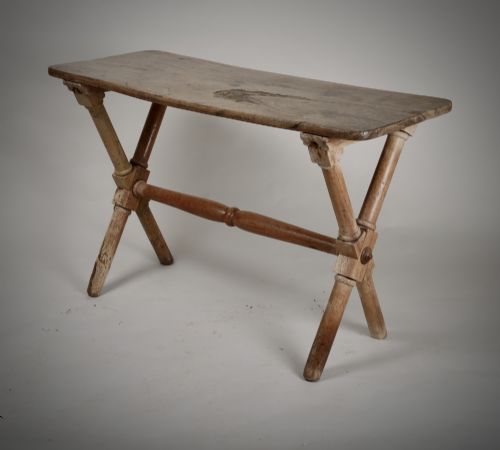
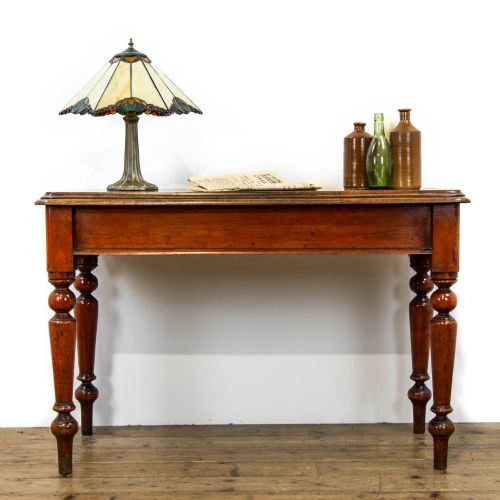
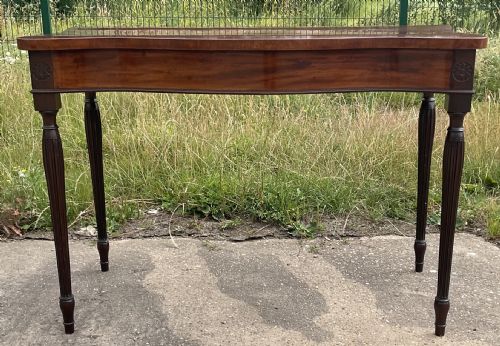
A traditional timber hall table serves as an immediate focal point upon entering a home, designed to balance surface utility with spatial restraint. The selection here encompasses diverse forms, from narrow console tables and side tables to lowboys and serving tables.
Makers across the eighteenth, nineteenth and early twentieth centuries produced these pieces in regional English country styles, formal Georgian mahogany formats and distinct Chinese antique traditions. Buyers will frequently encounter mahogany and pine surfaces alongside elm and walnut alternatives.
The assortment reflects domestic requirements from the Georgian period through the Edwardian era, incorporating rustic farmhouse benches, French workbenches and painted country pieces. Each variant demonstrates the specific utilitarian demands of its original interior setting.
Materials and construction methods
Construction relies upon durable hardwoods and softwoods such as mahogany, oak, elm, pine and fruitwood, selected for their structural stability and grain pattern. Cabinet makers joined tops and bases using traditional joinery methods appropriate to the period and regional workshop.
Surface treatments vary from polished mahogany and waxed walnut to painted finishes and hand-painted decoration. Structural hardware often includes brass pulls or handles that complement the timber tones.
Listings feature items from the eighteenth, nineteenth and early twentieth centuries, constructed in mahogany, elm, pine, oak, walnut and painted wood.
Assessing quality in traditional timber hall table pieces
Quality rests upon the integrity of the timber selection, the crispness of any carved detailing, and the preservation of original surfaces and patination. Pieces that retain their structural soundness without excessive timber replacement demonstrate superior longevity.
Proportion and scale dictate the success of the form, where well-balanced legs and aprons show the maker's mastery. Finer examples display thoughtful grain alignment and considered joinery that withstands daily use.
The Traditional Timber Hall Table Glossary
- Console table
- A table designed to stand against a wall, frequently secured to it or supported by front legs. These items provide a narrow surface for display in hallways and reception rooms.
- Lowboy
- A small eighteenth-century dressing table or side table featuring one or more rows of drawers beneath the working surface. They typically stand on slender cabriole or straight legs.
- Dresser base
- A heavy lower sideboard or cabinet section originally used in kitchens or dining spaces for food preparation and storage. They offer substantial timber surfaces and deep storage capacity.
- Altar table
- A traditional Chinese form characterised by elevated flange ends and recessed leg construction. These pieces bring balanced proportions and linear elegance to contemporary spaces.
- Patina
- The surface sheen and softening of colour developed through decades of handling, polishing and exposure to light. It serves as a visual indicator of age and careful maintenance.
Traditional Timber Hall Table: Frequently Asked Questions
How do I style a traditional timber hall table?
Position the piece against a clear wall in an entryway or passage to establish an immediate focal point. Balance the surface with a lamp, a ceramic bowl or a modest arrangement without cluttering the timber.
Allow the grain and colour of the wood to remain visible beneath your chosen objects. Keep the floor space around the base clear to emphasise the proportions of the legs and stretcher.
Can I use a writing table as a hall table?
Writing tables and side tables adapt readily to entranceways provided their depth suits the floor space. Their surface area accommodates daily essentials such as keys and post while maintaining a slim profile.
Consider the height of the piece relative to your hallway wall space and any surrounding mirrors or artwork. Drawer compartments offer discreet storage for small items that would otherwise clutter the top.
What wood types are most common?
Mahogany and pine appear frequently across nineteenth-century and Georgian pieces, offering distinct visual weights. Mahogany provides a rich, dark grain suited to formal rooms, while pine delivers a lighter, country aesthetic.
Elm, oak and walnut also feature prominently, each bringing specific regional character and durability to the construction. Selecting a timber depends upon the existing palette and lighting of your interior.
How do I care for antique timber surfaces?
Maintain the finish by dusting regularly with a soft, dry cloth and avoiding silicone-based polishes. Apply a quality beeswax periodically to nourish the wood and preserve its natural lustre.
Protect the surface from direct heat sources and excessive moisture by using coasters or mats beneath objects. Stable room temperatures prevent the timber from warping or splitting over time.