





Traditional Timber Bedstead
These traditional timber bedstead examples offer solid construction and period character, bringing genuine historic presence to a bedroom.
Traditional Timber Bedstead
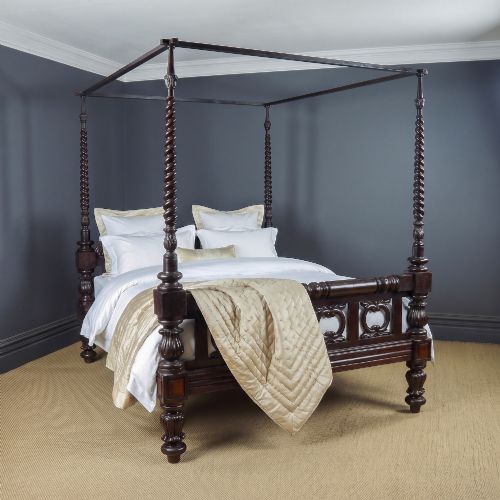
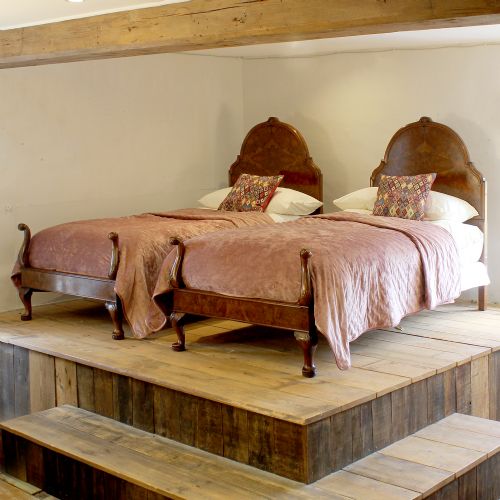
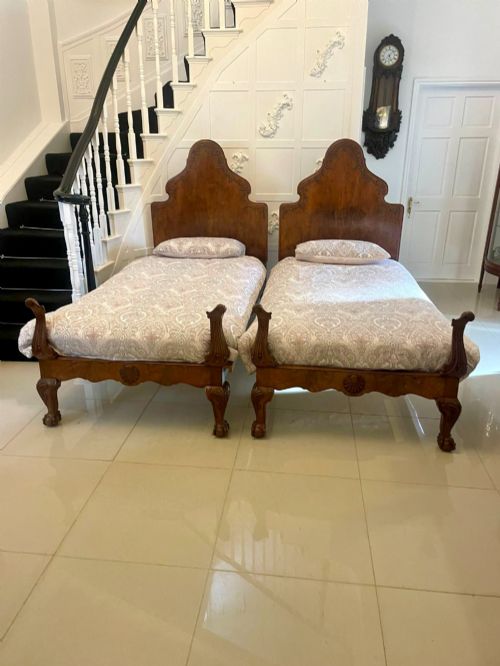
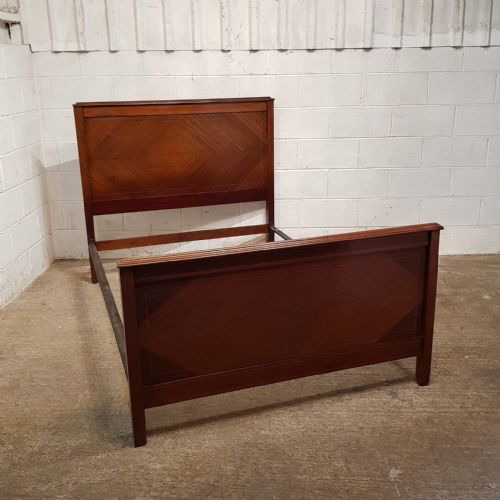
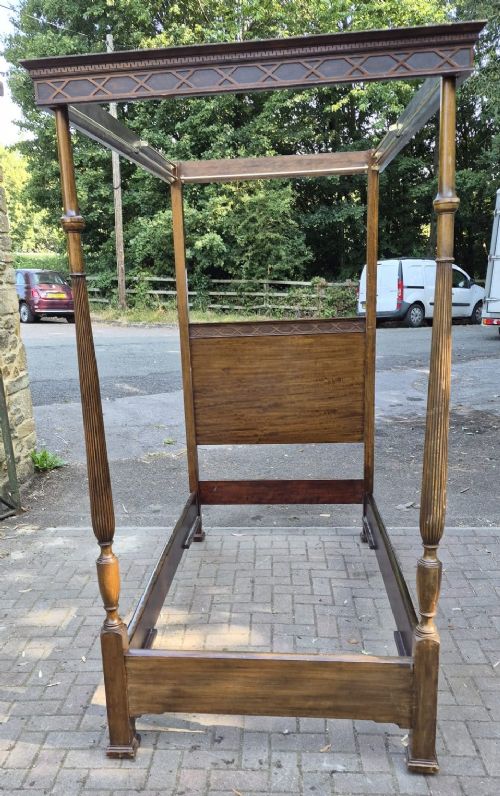
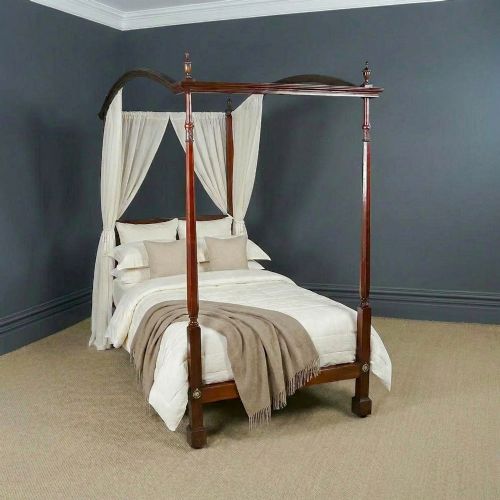
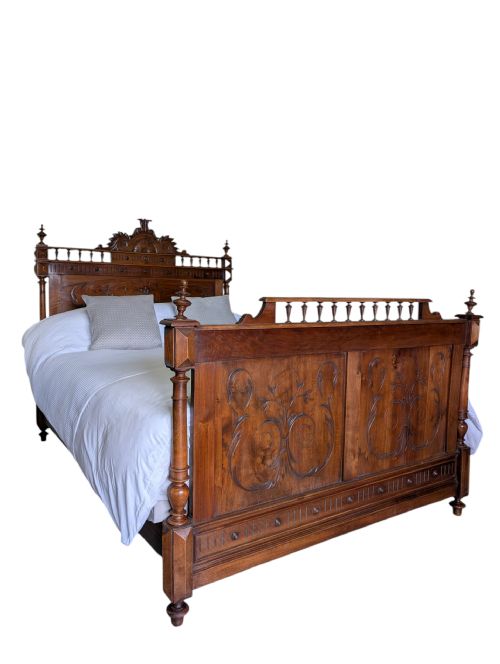
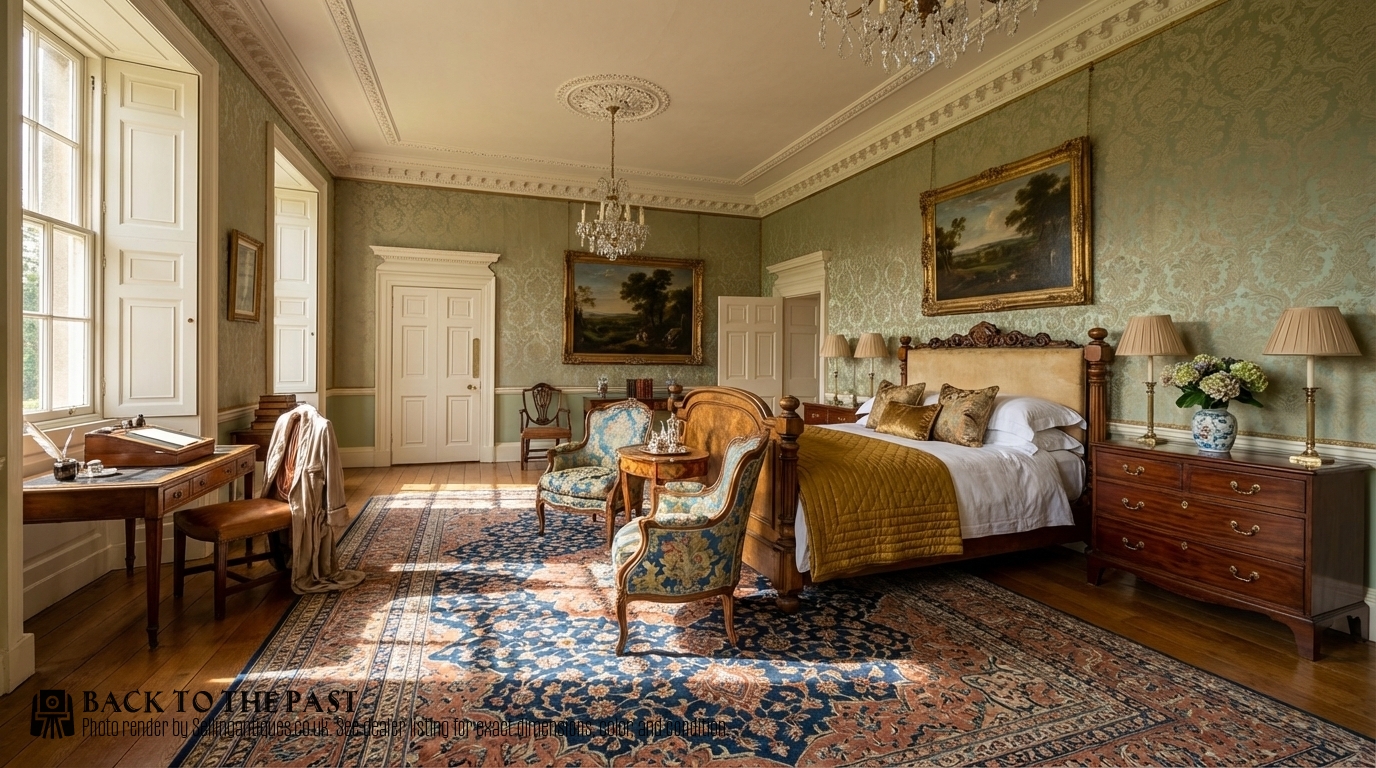
When searching for a traditional timber bedstead, you encounter substantial sleeping furniture spanning multiple centuries, from 17th century oak designs to early 20th century revivals. The listings here primarily comprise single beds, double beds, king size frames, and four poster variations.
The selection includes diverse stylistic influences, such as Queen Anne style, Georgian Revival, and Jacobean details. Regional origins span English workshops, Italian makers, and 19th-century Chinese hardwood interpretations.
How they were made
Cabinet makers utilised dense hardwoods including oak, mahogany, walnut, and burr walnut to build these frames. Selected pieces incorporate decorative elements like fruitwood inlay and intricate carving.
Structural variety includes integrated iron components alongside traditional timber joinery. Certain examples feature tester roofs or half tester canopies supported by turned or carved posts.
17th-century carpenters thoughtfully included fruitwood inlay so sleepers could admire botanical patterns while drifting off.
What varies in quality
The standard of timber selection largely dictates the visual depth of a bedstead, particularly where figured burr walnut or rich mahogany veneer is employed. Superior examples demonstrate meticulous grain matching across large panels and headboards.
Carving depth and sharpness separate standard production frames from exceptional pieces. Hand-chiselled ornamentation on posts and headboards displays a crispness that mechanical shaping fails to replicate.
Heals of London
The Traditional Timber Bedstead Glossary
- Tester bed
- A bed featuring a wooden canopy or ceiling supported by four posts above the mattress frame. This style originated in grand medieval and Tudor chambers to retain warmth and privacy.
- Half tester
- A bed where the canopy projects only over the head portion of the bed rather than the entire length. It provides the architectural presence of a full tester with a reduced footprint.
- Burr walnut
- A prized veneer sliced from the woody growths on walnut trees, displaying swirling, highly decorative grain patterns. Furniture makers used it on prominent surfaces to create striking visual movement.
- Fruitwood inlay
- Small pieces of lighter or contrasting fruitwood embedded flush into the primary timber surface to form geometric or floral patterns. This decorative technique demands immense precision from the woodworker.
- Jacobean style
- A heavy, robust furniture style dating from the early 17th century, characterised by geometric moulding and turned supports. It reflects the architectural trends of the reign of James I.
Traditional Timber Bedstead: Frequently Asked Questions
Will a standard modern mattress fit these beds?
Many older frames predates modern sizing conventions or accommodates specific dimensions like small single or custom widths. Checking exact internal rail measurements ensures a correct fit.
Some period pieces require bespoke mattress ordering or minor internal adjustments to support modern pocket-sprung bases safely.
How do I assemble a four poster bed?
These structures typically rely on traditional knockdown bolts, mortise and tenon joints, or slot-in rails that require two people for safe alignment. Securing the tester canopy to the vertical posts demands careful balancing.
Working slowly with correct spanners prevents damage to historic timber threads and structural joints during tightening.
Can I dismantle these frames for moving?
Most antique bedsteads separate into headboards, footboards, side rails, and tester frames for transport. Historic hardware may be stiffer than modern equivalents, requiring appropriate lubrication or care.
Keeping original bolts and wedges labeled during disassembly ensures correct reassembly in a new room.
How do I care for antique wood finishes?
Regular dusting with a dry, soft cloth prevents particulate buildup on carved details and polished surfaces. Periodic application of quality beeswax feeds the timber and maintains a soft sheen.
Avoiding direct sunlight and proximity to radiators protects the wood from drying out, shrinking, or cracking over time.