

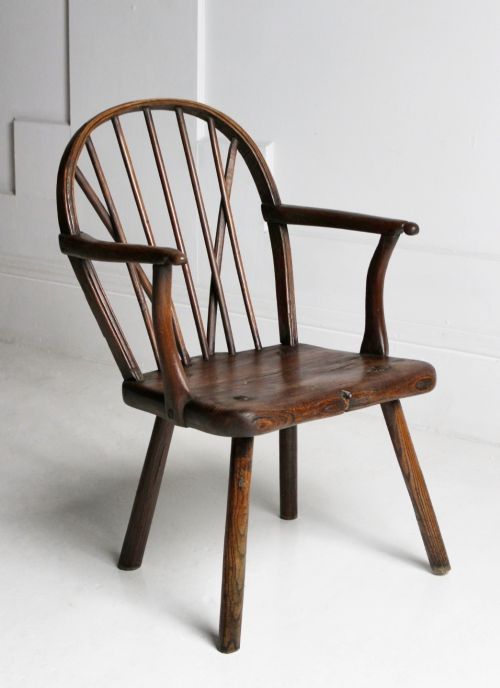


Traditional Timber Armchairs
Traditional timber armchairs combine sturdy domestic utility with regional woodworking traditions, offering tactile character for daily seating.
Traditional Timber Armchairs
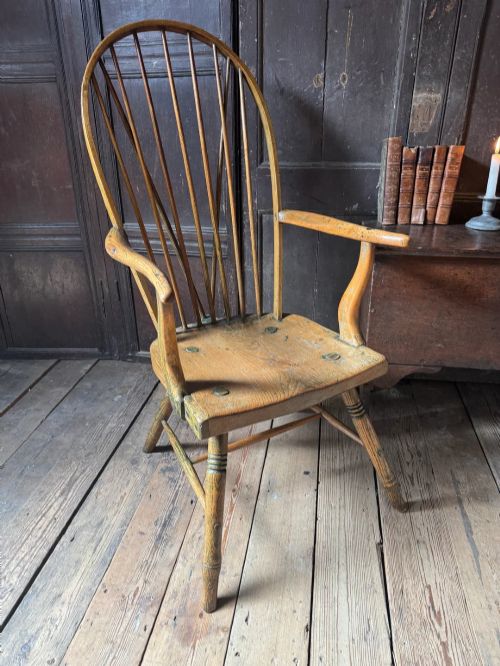
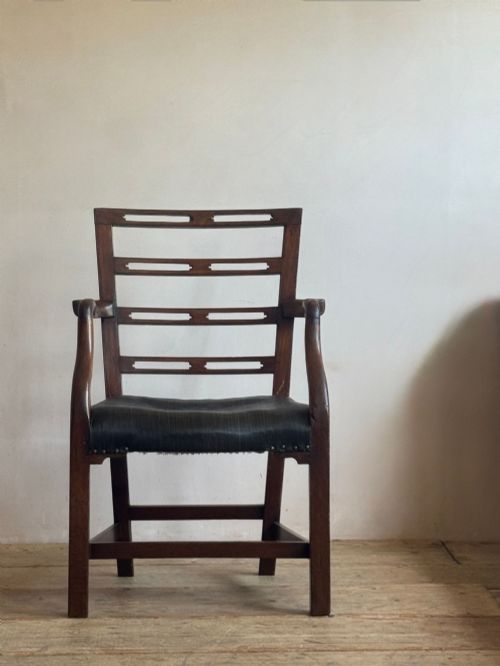
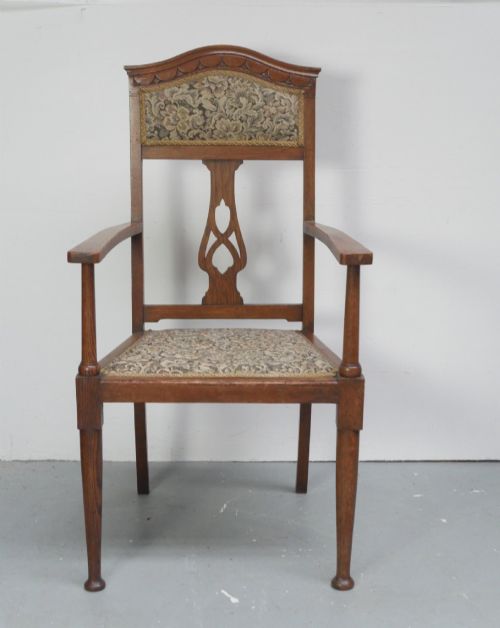
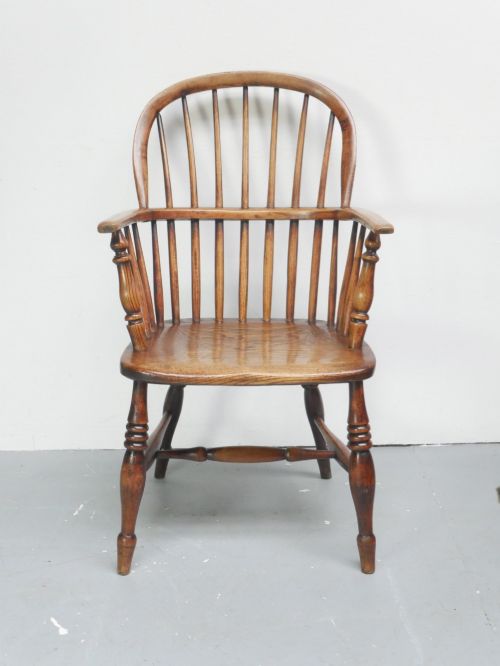
Traditional timber armchairs encompass a wide variety of seating forms designed from solid woods, ranging from Windsor chairs and ladder-backs to wainscot and rocking chairs. Buyers exploring traditional timber armchairs will frequently encounter 19th-century and 18th-century examples rooted in English, French, and Scottish country styles.
The selection includes specialised functional seating such as desk chairs, high chairs, and fireside armchairs constructed primarily in elm, ash, and oak. These pieces reflect vernacular woodworking traditions from regional workshops rather than strict court styles.
How they were made
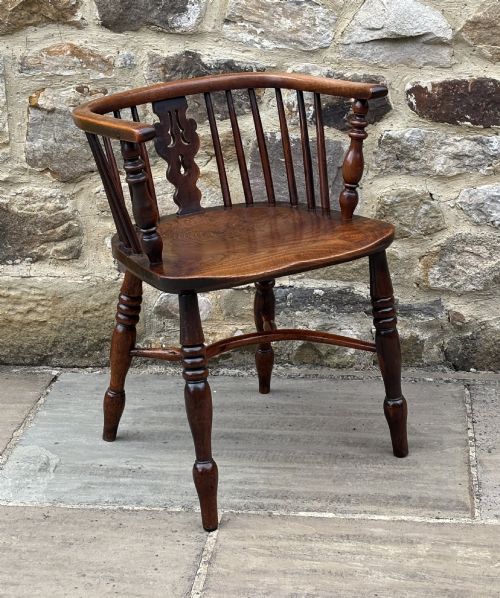
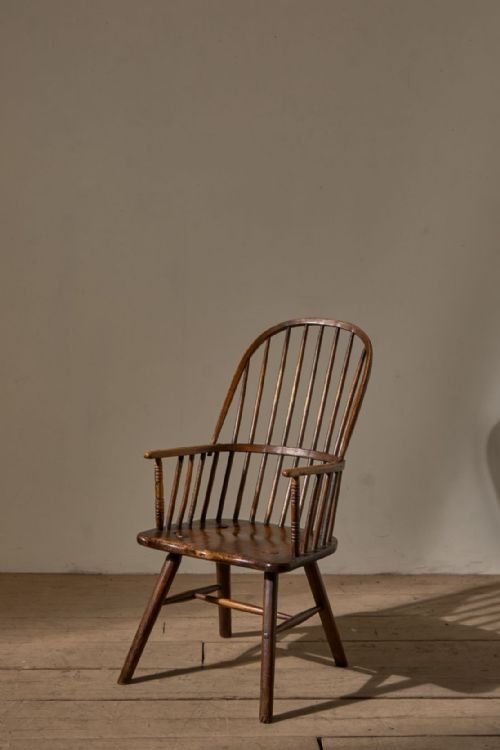
Constructed predominantly from native hardwoods like elm, ash, beech, and oak, these chairs utilise traditional joinery methods suited to the natural movement of timber. Windsor models combine turned legs and spindles with steam-bent hoops and solid sculpted seats.
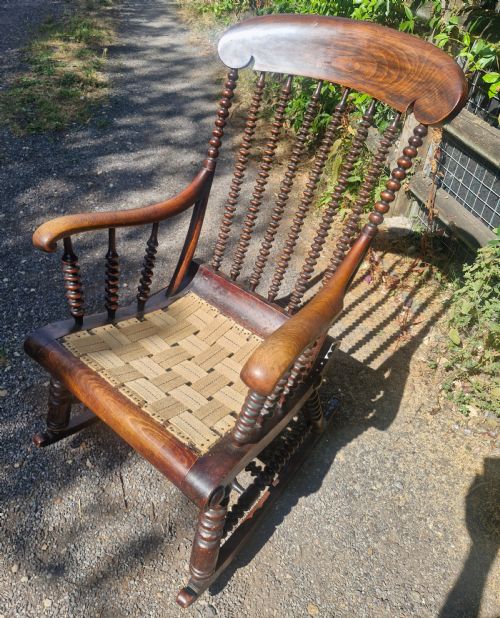
Makers integrated structural elements such as brass fixtures, rush seating, and occasional fabric upholstery where comfort required. Framing techniques often relied on pegged mortise and tenon joints or bobbin-turned framing to ensure durability under heavy domestic use.
The listings feature diverse timber species including elm, oak, ash, mahogany, and beech across periods from the 18th century to the early 20th century.
What varies in quality
Quality in these seating pieces rests upon the integrity of the timber selection and the harmony of the regional design. Chairs fashioned from characterful grain combinations, such as ash and elm together, demonstrate superior local craftsmanship.
The sophistication of the turning work and the retention of original surface patination distinguish finer vernacular pieces from standard utilitarian seating. Proportional balance in comb-backs and hoop-backs further separates master regional work from simpler domestic output.
Trollope & Sons
The Traditional Timber Armchairs Glossary
- Windsor chair
- A chair built with a solid wooden seat into which the legs and back spindles are directly driven. These regional pieces often feature carved saddle seats and bentwood hoops.
- Comb back
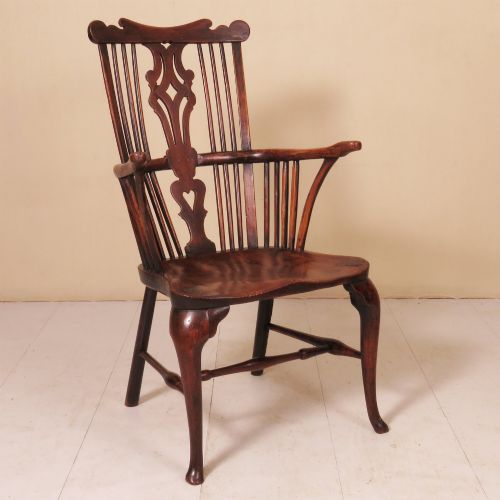
- A Windsor chair variation where the top rail resembles the teeth of a comb, often featuring extended spindles. This design provides robust vertical support to the upper back.
- Wainscot chair
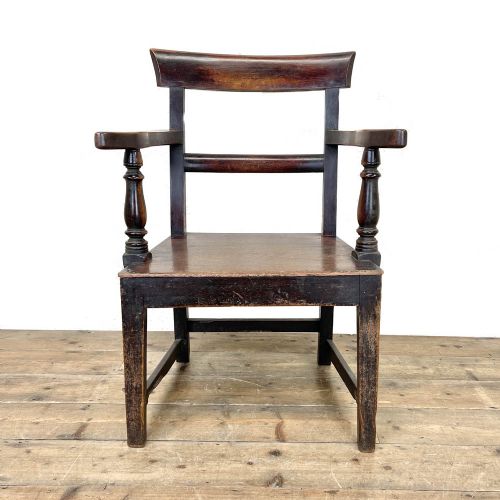
- An early heavy wooden armchair constructed from panelled oak, echoing the wall panelling of period interiors. These formal seats date back to earlier centuries.
- Bobbin framing
- Furniture framing characterised by turned wood shaped like a series of rounded bobbins or spools. This decorative turning technique appears on 19th-century frames.
- Rush seating
- Seats woven from marsh rushes to create a resilient, textured platform within a wooden ladder-back or high chair frame. This traditional method offers flexibility and comfort.
Traditional Timber Armchairs: Frequently Asked Questions
How do I care for antique timber chairs?
Keep wooden armchairs away from direct heat sources and rapid temperature fluctuations to prevent the natural timber from splitting or warping. Maintain the finish by applying appropriate beeswax polishes sparingly.
Regular gentle dusting preserves the surface patination built up over centuries of use. Avoid placing damp items directly onto unsealed wood surfaces.
How can I tell the age of a wooden chair?
Dating relies on examining tool marks, joint construction, and the specific wear patterns visible on the timber seat and foot rails. Hand-cut joinery and signs of shrinkage help indicate earlier manufacturing periods.
Comparing regional styles, such as 18th-century comb-backs versus later Victorian interpretations, provides further clues regarding origin and timeline.
Where were regional Windsor chairs made?
Regional Windsor chairs were produced across various English shires and localities, including the West Country and Nottinghamshire. Local artisans utilised readily available native timbers such as yew, elm, and beech.
These local workshops developed distinct regional traits in their turning patterns and hoop shapes, making geographical attribution possible for experienced collectors.