





Traditional Tall Wooden Chest
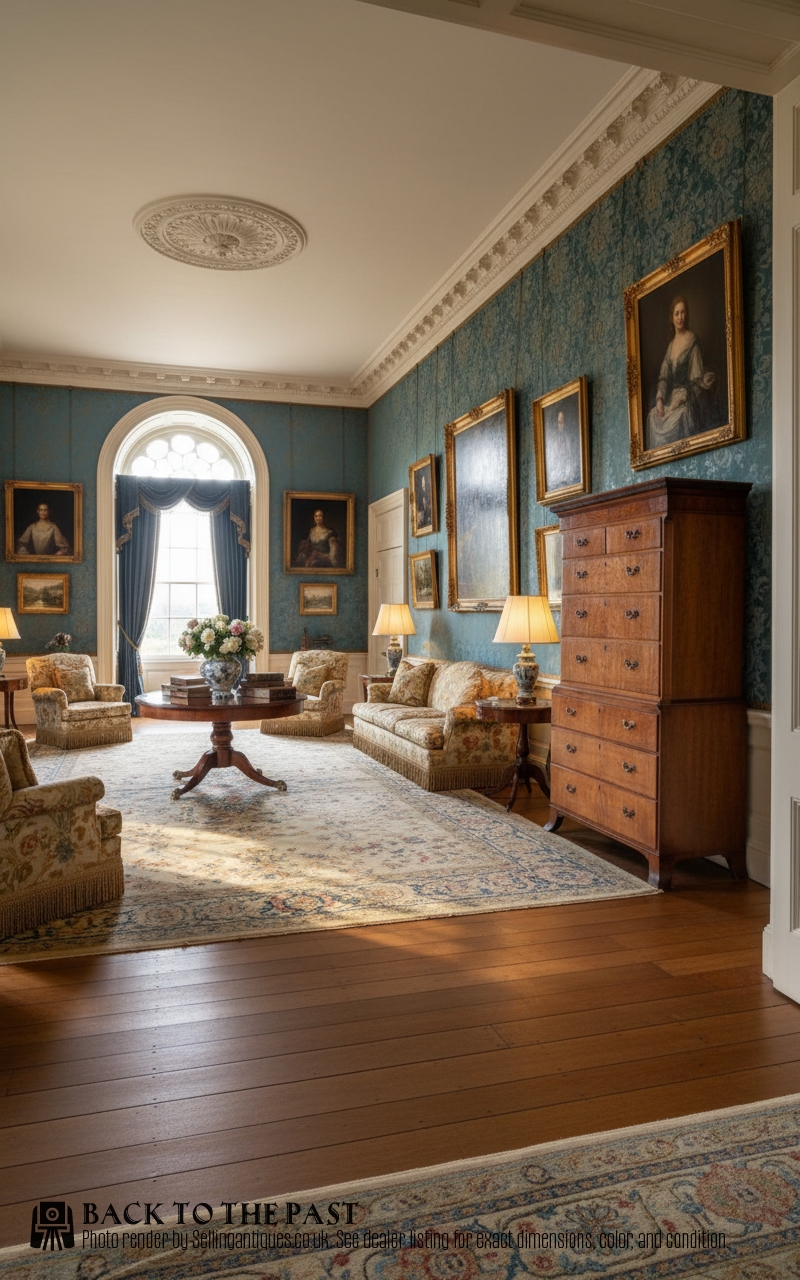
A traditional tall wooden chest gives vertical storage real character, built from timber like mahogany and walnut to anchor a room.
Traditional Tall Wooden Chest
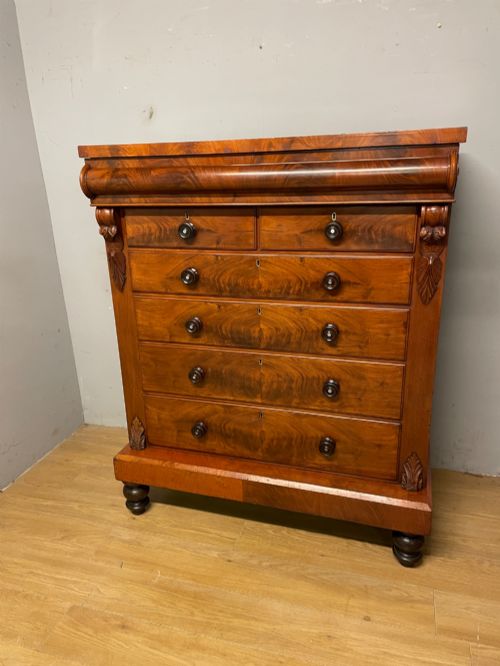
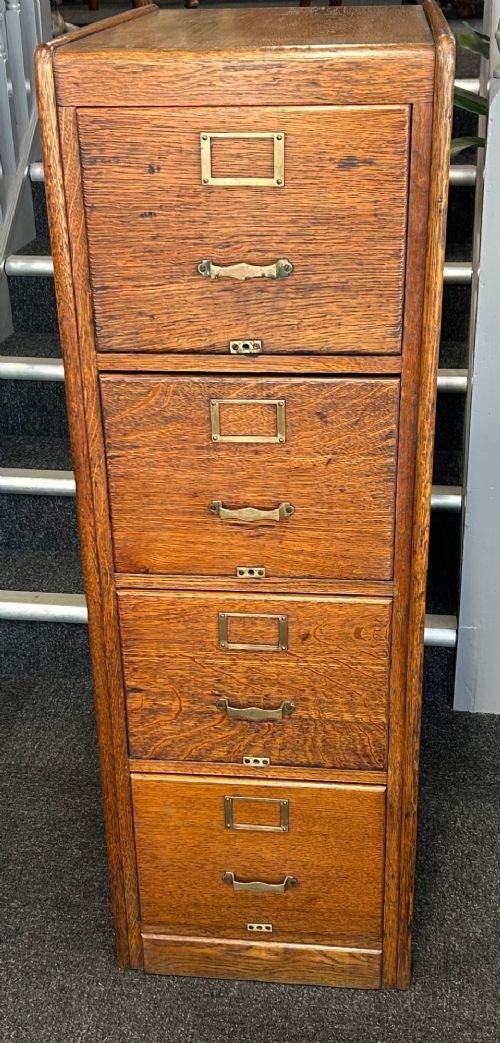
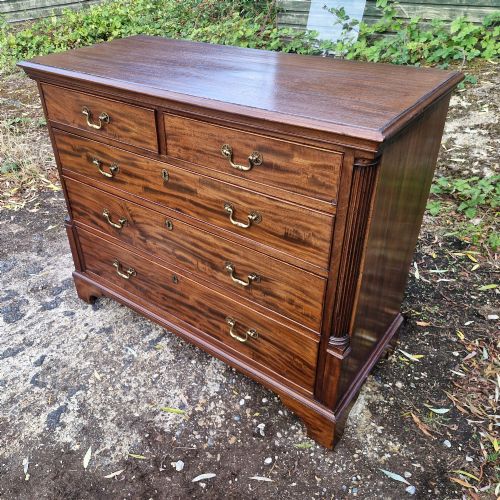
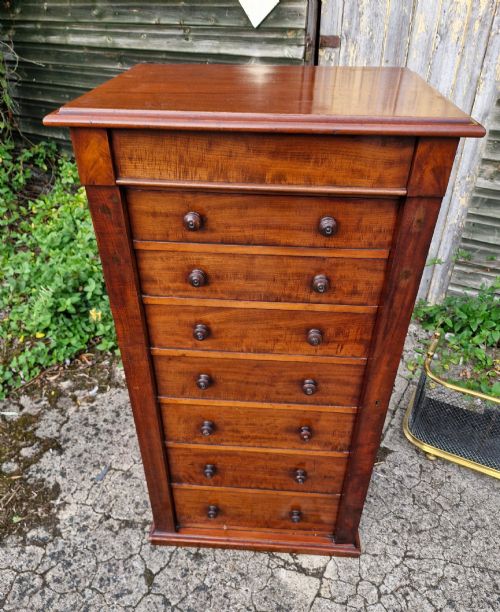
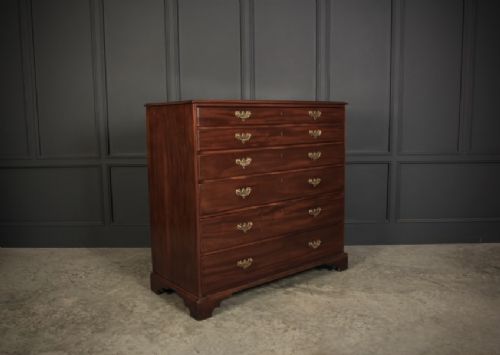
When searching for a traditional tall wooden chest, buyers encounter upright forms designed to maximise storage without claiming excess floor space. The selection spans Georgian, Victorian, and early twentieth century periods, appearing in mahogany, oak, walnut, and teak.
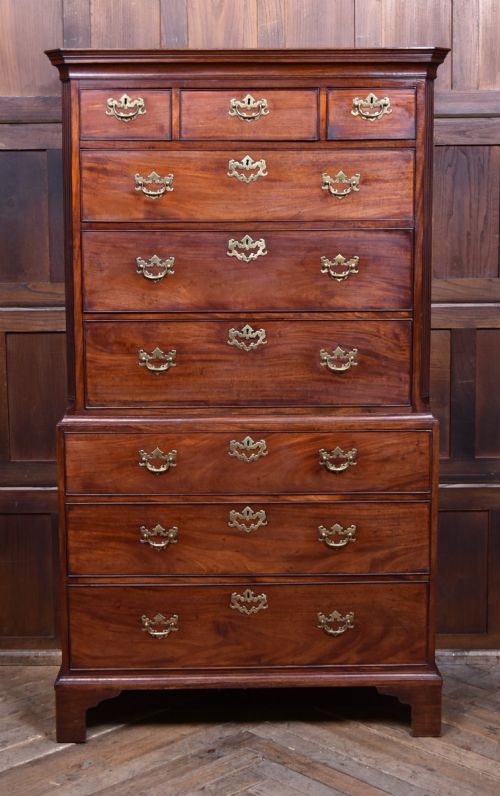
The most frequent examples on this page are mahogany chests of drawers rising to five or more heights, alongside tallboys and chests on chest. These taller formats lift the visual weight of the furniture while offering deep capacity for linens and apparel.
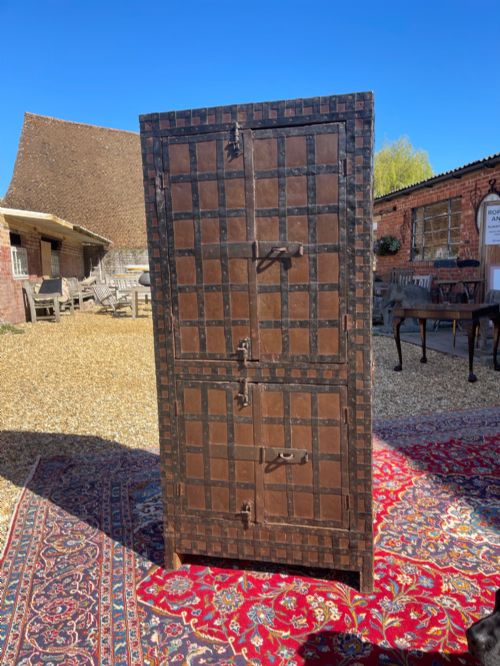
Regional and stylistic variations emerge across the pieces, from Scottish proportions to Colonial Indian metal bound cupboards and Chinese lacquered storage cabinets. Despite these distinct origins, the unifying trait remains vertical timber construction.
Distinctions in craftsmanship and finish
Quality separates pieces through the selection of timber grain, particularly the choice of figured mahogany or matched walnut veneers across drawer fronts. The crispness of carved details and the integration of original brass hardware elevate the standing of a piece.
Structural integrity depends on how cleanly the drawers run within their housing and the preservation of original timber surfaces. Consistency in the patination across the sides and top indicates how well the wood has aged.
Traditional Tall Wooden Chest Retail Price Guide 2026
Typical asking prices for traditional tall wooden chest among the pieces listed under this phrase on Sellingantiques today, from the lower quarter to the upper quarter. They describe what is for sale here now, not the wider market.
Storage forms span traditional chests of drawers, tallboys, chests on chest, linen presses, semainiers, and multi-drawer cabinets.
The Traditional Tall Wooden Chest Glossary
- Tallboy
- A tall chest of drawers, often constructed as a chest on chest where a smaller upper section sits upon a wider base. This form became popular during the Georgian period for its generous capacity.
- Chest on chest
- A two-part storage piece featuring an upper chest stacked directly onto a lower, slightly wider chest. It provides substantial vertical drawer space.
- Wellington chest
- A tall, narrow chest of drawers secured by a hinged locking stile on one side that fastens with a key. This design originated in the nineteenth century.
- Semainier
- A tall seven-drawer chest traditionally utilised in France for organising garments by the days of the week. The name derives from the French word for week.
- Linen press
- A tall cupboard enclosing sliding trays or shelves originally intended for storing household linen. Lower sections frequently incorporate traditional drawer configurations.
Traditional Tall Wooden Chest: Frequently Asked Questions
How do I style a tall chest in a small bedroom?
Position the chest against a neutral wall to let the vertical timber grain draw the eye upward without crowding the floor area. Keeping surrounding decor simple allows the tall silhouette to function as the primary anchor in the room.
Ensure adequate clearance for opening drawers fully, particularly with bowfront or chest on chest designs. Pairing the piece with low bedside tables balances the vertical emphasis.
Can I use a tall wooden chest in a hallway?
Narrower configurations such as Edwardian narrow chests or Wellington chests fit well into larger hallways or landings. They offer discreet storage for items like gloves and mail without obstructing foot traffic.
Verify the depth measurements of the piece against your hallway dimensions to maintain comfortable clearance pathways before placing the furniture.
How do I date an antique wooden chest?
Examine the timber species, construction methods, and hardware styles to establish a period baseline. Georgian pieces often display mahogany solids and dovetail joints, while Victorian examples introduce varied drawer counts and different handle platings.
Inspect the secondary woods inside the drawer linings and backboards, as these concealed timbers often reveal the manufacturing era more reliably than exterior surfaces.