
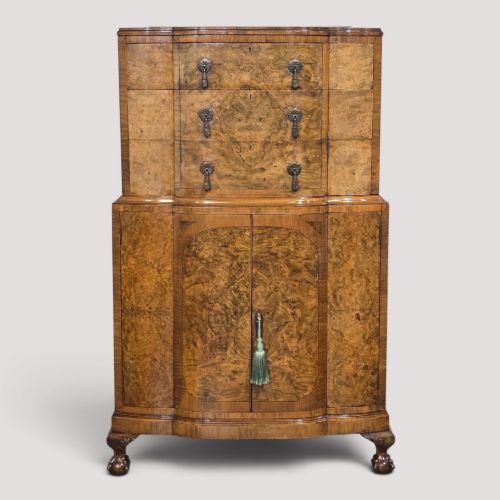
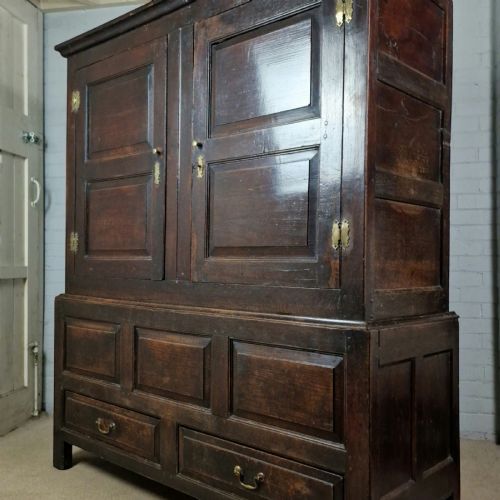
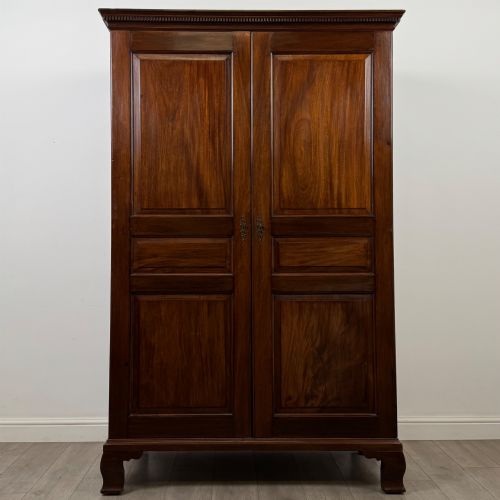
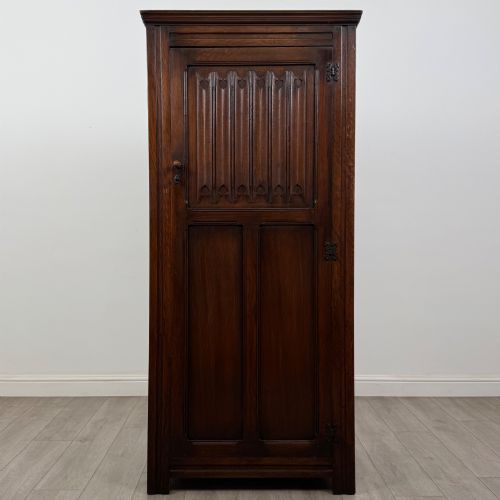
Traditional Storage Armoire
A traditional storage armoire brings generous volume and quiet presence to a room, storing linens and garments behind panelled or lacquered doors.
Traditional Storage Armoire
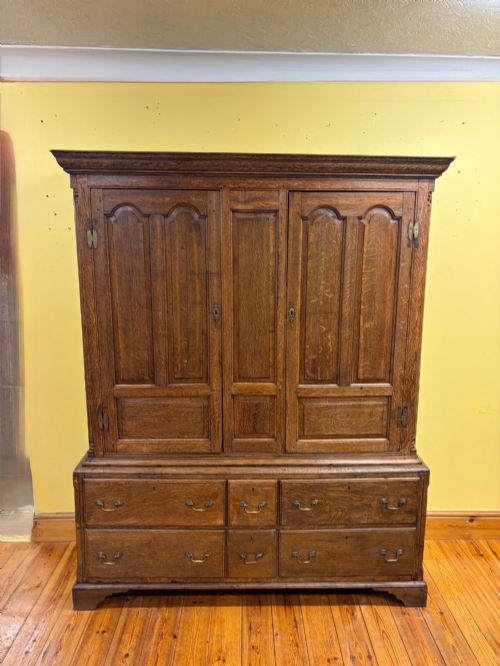
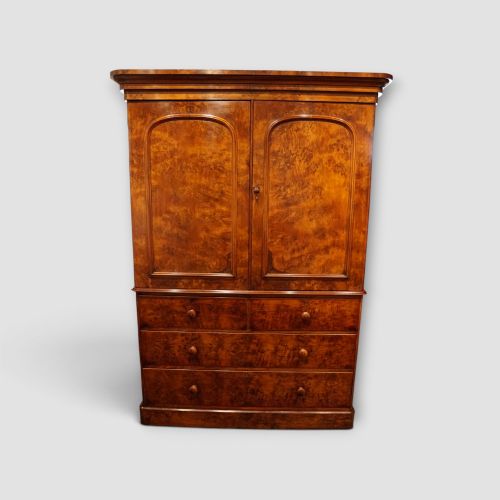
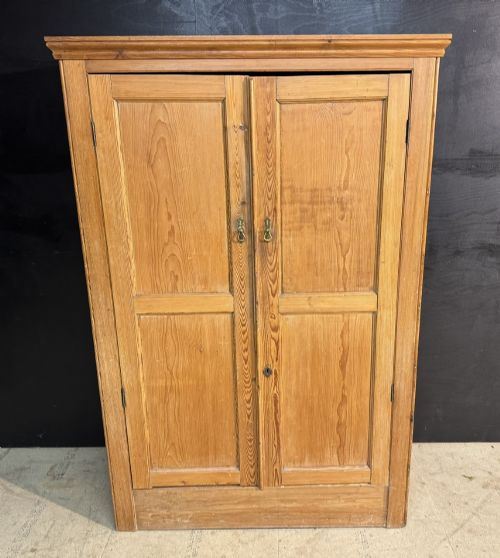
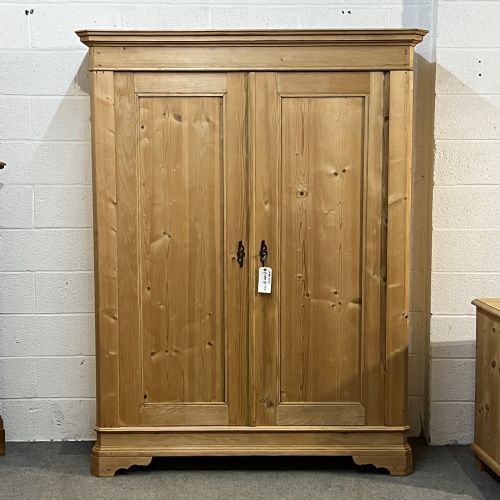
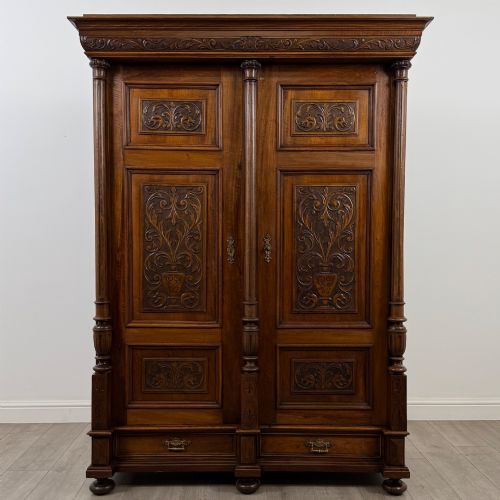
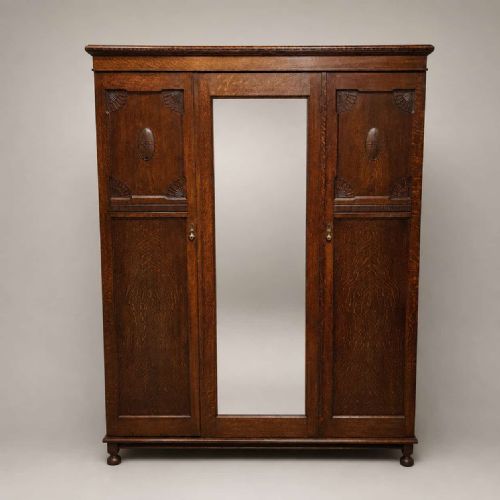
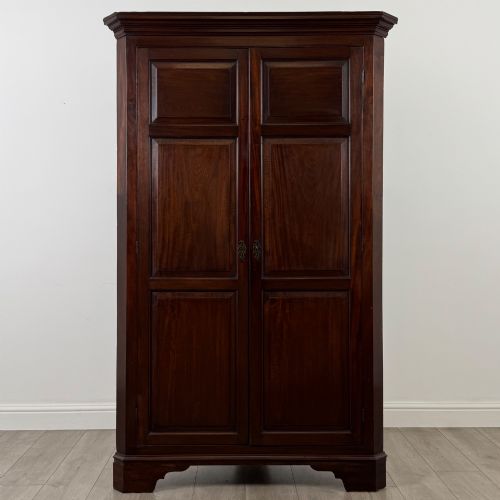
When you search for a traditional storage armoire, you encounter substantial case pieces designed for domestic storage, spanning wardrobe, linen press, and cupboard forms. These items emerge from Georgian, Victorian, and Edwardian periods, alongside regional workshops producing pieces in pine, oak, and mahogany.
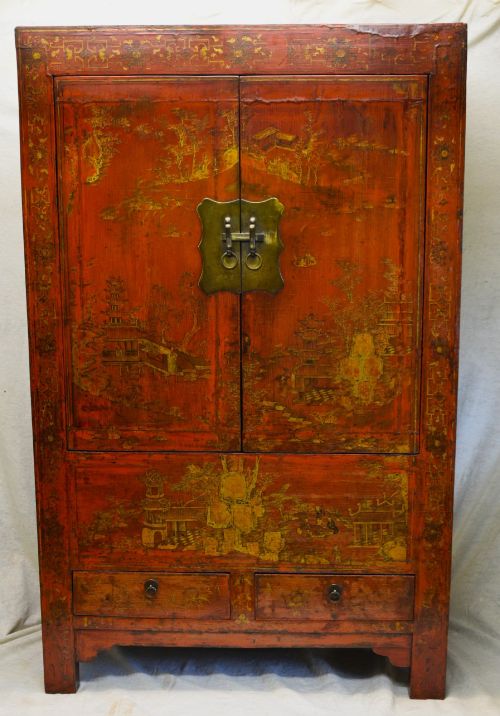
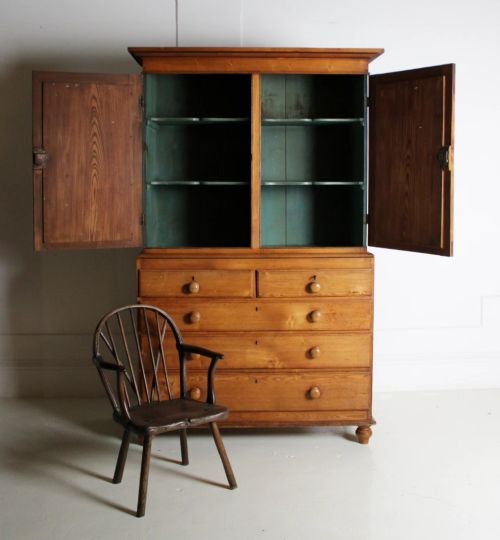
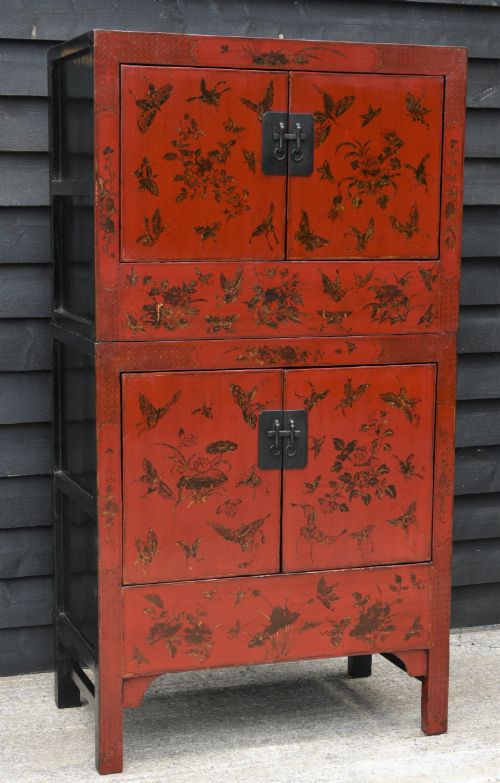
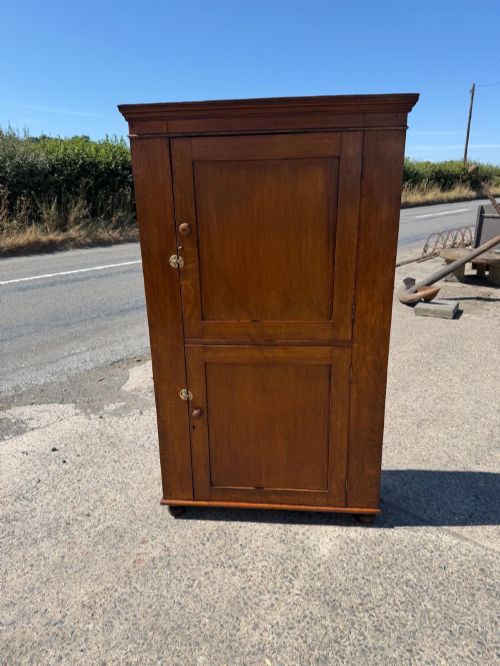
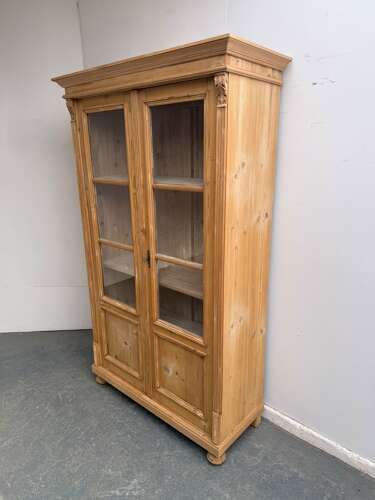
You meet variations ranging from British housekeepers' cupboards and linen presses to French painted wardrobes and Chinese red lacquered wedding cabinets. The selection includes country pine pieces built for utility as well as formal mahogany designs shaped by classical proportions.
How they were made
Cabinet makers utilised dense hardwoods such as oak, mahogany, and walnut for formal pieces, often employing flame veneers and brass hardware. Regional vernacular furniture relied on solid pine, ash, and elm, constructed with pegged joints and panelled doors.
Surface treatments varied from clear wax and scumble paint to intricate red and black lacquer work found on Chinoiserie marriage cabinets. Metal straps and iron hinges reinforced utility cupboards intended for heavy domestic service.
Several Chinese marriage cabinets retain traces of bright red lacquer intended to ward off bad fortune for newlyweds.
What varies in quality
The standard of a traditional storage armoire depends on the selection of timber and the integrity of its structural framing. Dense grain figures in mahogany or oak and sound tongue and groove joints indicate careful cabinet work.
Proportion and surface preservation separate ordinary utilitarian items from superior examples. Original painted surfaces, intact lacquer, and well-balanced door panels distinguish the finer pieces within each period.
The Traditional Storage Armoire Glossary
- Armoire
- A large upright cupboard or wardrobe used primarily for storing clothes and textiles. These pieces often feature double doors enclosing hanging space or shelving.
- Linen Press
- A tall two-part cabinet with upper sliding trays or shelves for linen and lower drawers for garments. They frequently date from the Georgian and Victorian eras.
- Housekeeper's Cupboard
- A large utility cupboard traditionally used in large country houses for storing provisions and household linens. They are typically constructed from solid oak or pine.
- Marriage Cabinet
- A traditional Chinese cabinet, often finished in red lacquer with brass hardware, made for wedding ceremonies. They serve as prominent storage furniture in domestic settings.
Traditional Storage Armoire: Frequently Asked Questions
How do I choose the right size armoire?
Consider both the ceiling height and the floor area of your room, noting that many period pieces arrive as single heavy units while others dismantle. Measure doorways and stairwells carefully to ensure clearance for delivery.
Evaluate your storage needs to decide between a wardrobe with hanging space or a linen press fitted with internal shelves and drawers.
Can I use an armoire for modern clothing?
Many traditional armoires adapt well to modern wardrobes by adding a hanging rail inside deeper compartments. Shallow hall wardrobes suit narrow hallways and smaller rooms where floor space is limited.
Adjustable shelf systems or internal modular fittings can be integrated without altering the historical exterior of the cabinet.
What is the difference between an armoire and a wardrobe?
An armoire is traditionally a moveable ornamental cabinet with doors enclosing shelves or hanging space originating from continental Europe. A wardrobe is specifically designed for hanging garments on rails.
In British and international listings, the terms frequently overlap to describe large freestanding storage furniture.
How do I care for antique wood finishes?
Maintain waxed pine and hardwood surfaces by applying a natural beeswax polish sparingly and buffing with a soft cloth. Keep wooden furniture away from direct heat sources and strong sunlight to prevent timber splitting.
Lacquered and painted pieces require dusting with a dry microfibre cloth to protect delicate surface decorations.