
Traditional Stick Back
A traditional stick back is a piece of vernacular country seating built for utility and comfort, shaped by generations of regional makers using native timbers.
Traditional Stick Back
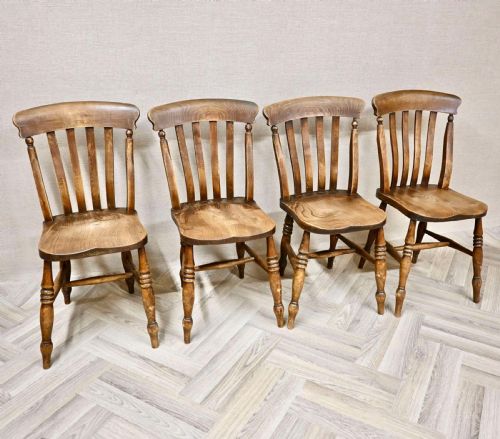
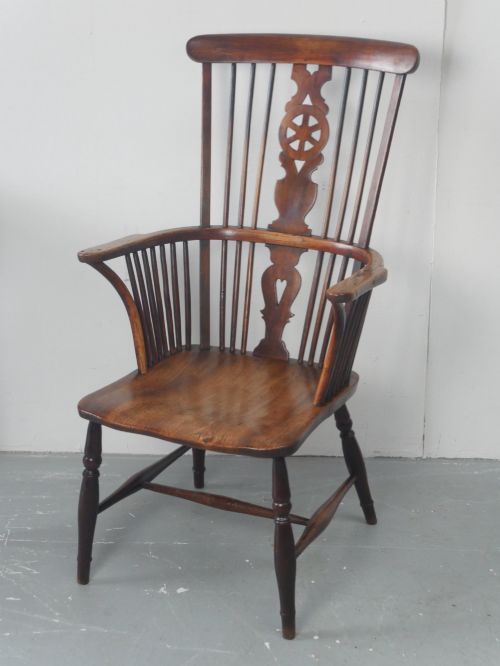
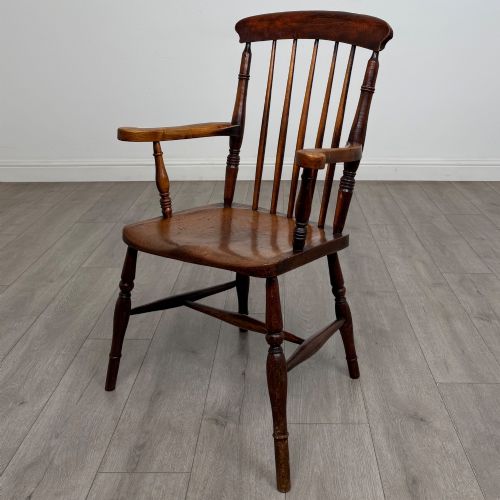
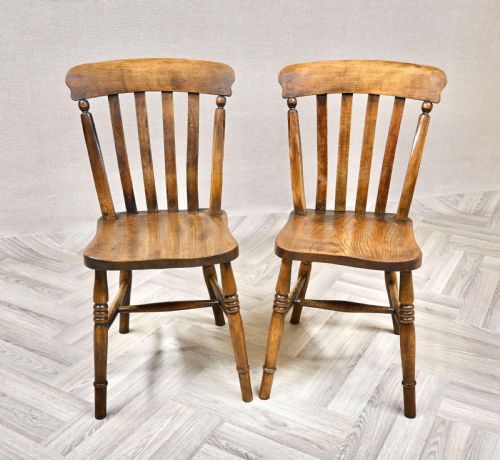
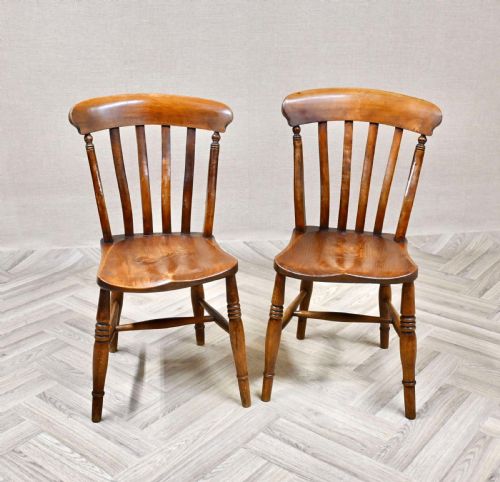
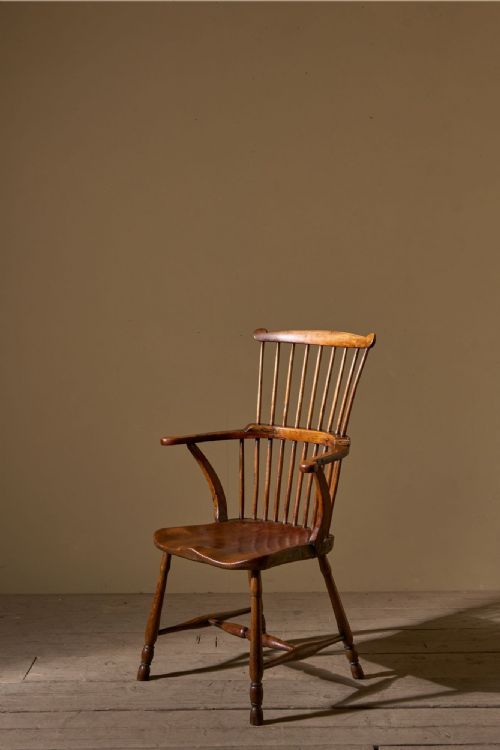
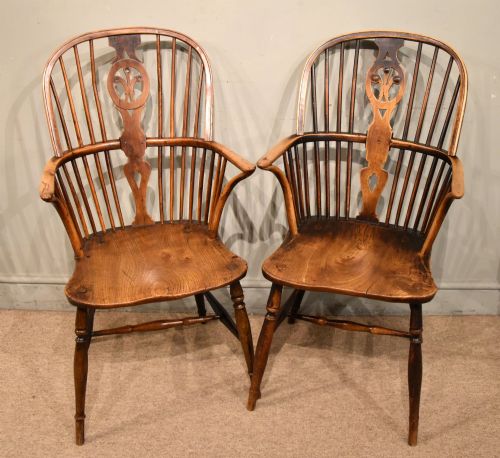
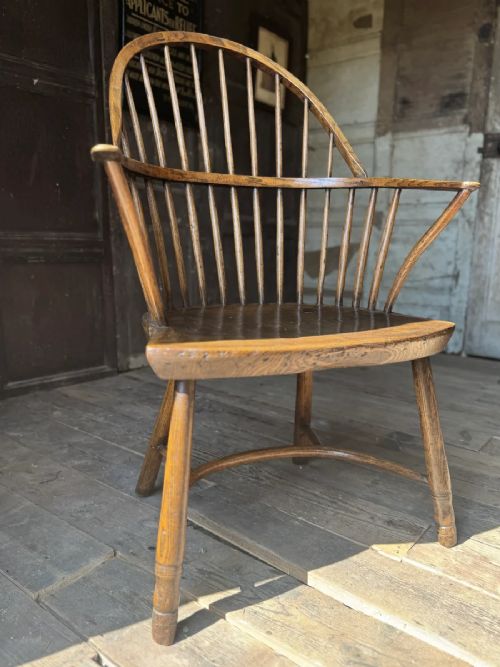
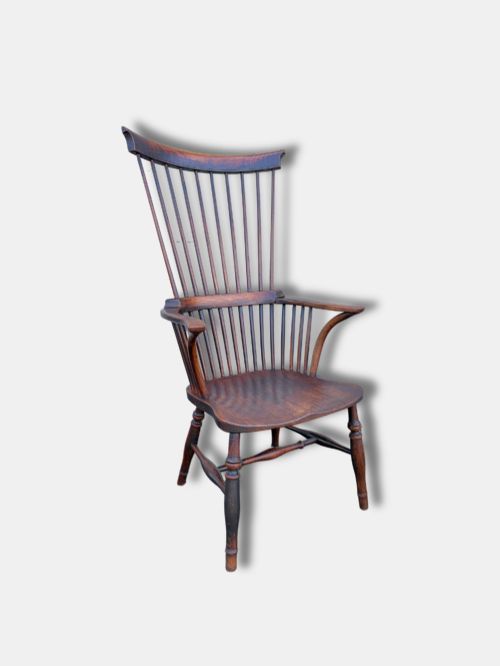
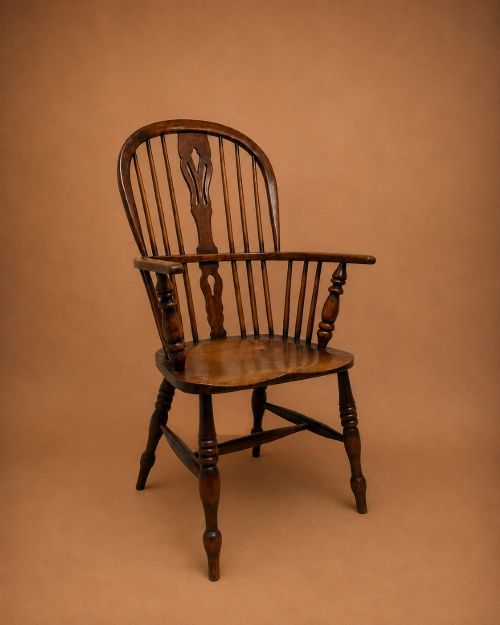
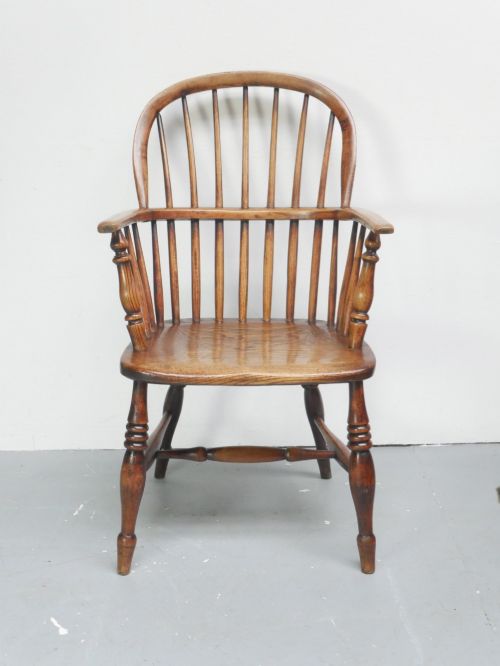
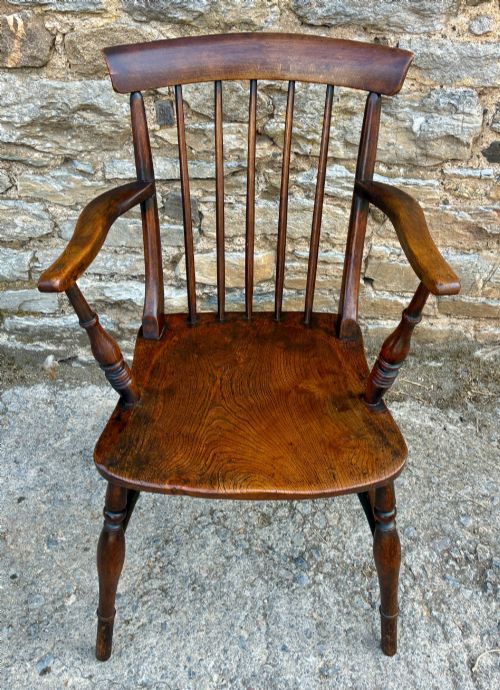
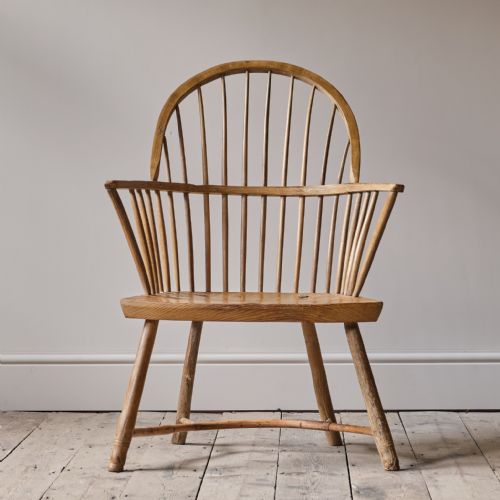
Traditional stick back chairs comprise a diverse group of country seating forms, most frequently encountered as Windsor armchairs and kitchen dining chairs. These pieces span the eighteenth and nineteenth centuries, taking shape through Georgian, Victorian, and Edwardian periods in regional variations such as Thames Valley, Welsh, and West Country styles.
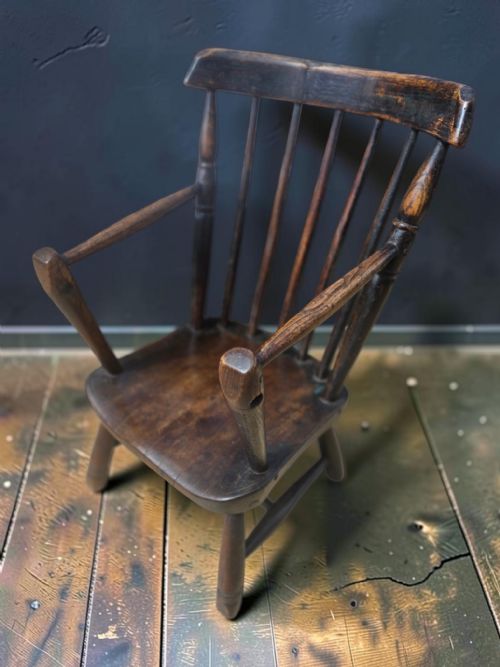
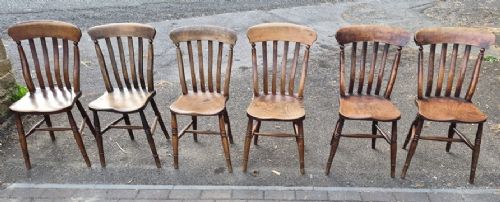
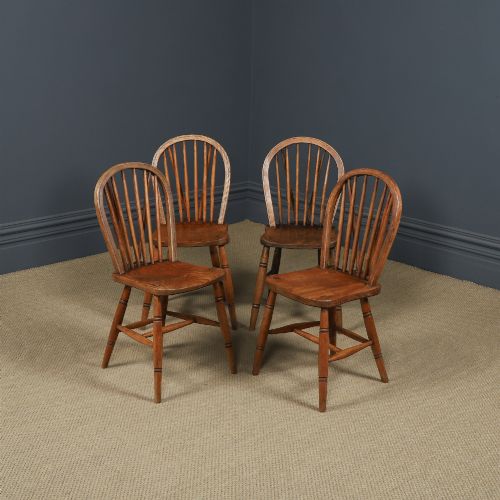
The buyer encounters single pieces, pairs, and larger sets including harlequin groups and dining sets of four, six, or eight chairs. Forms range from low-back and hoop-back designs to high comb-backs, panel-backed armchairs, and small children's chairs intended for domestic farmhouse settings.
How traditional stick back chairs were made
Makers constructed traditional stick back seating by combining native hardwoods, utilising elm for solid shaped seats and ash, beech, or oak for bent parts, spindles, and legs. Some examples incorporate yew wood, fruitwood, and laburnum, sometimes finished with early brown paint.
Techniques relied on bodging and green woodwork traditions, where turned legs and upright spindles were wedged into bored seats, and steam was applied to bend ash or yew into continuous hoops and high comb-backs.
Materials recorded on this page include elm, ash, oak, beech, yew, fruitwood, laburnum, and painted finishes.
What varies in quality in traditional stick back chairs
Quality in traditional stick back chairs rests upon the harmony of proportions, the character and figure of the timber used for the seat, and the integrity of the structural joints. Chairs with well-sculpted thick elm seats and balanced, slender spindles display superior country craftsmanship.
The survival of original surfaces, such as untouched patinated wood or early brown paint, elevates an example above stripped or heavily restored pieces. Regional distinctiveness, such as a well-turned crinoline stretcher or an uncommon comb-back configuration, separates standard utility seating from finer vernacular expressions.
John Brand of Sleaford
The Traditional Stick Back Glossary
- Stick back
- A chair construction method where turned or cleft vertical wooden spindles are tenoned directly into the seat and support the upper back rail.
- Comb back
- A Windsor chair design featuring a high rectangular or shaped backrest topped by a horizontal headpiece resembling a hair comb.
- Hoop back
- A continuous bentwood bow that forms both the arms and the curved upper back of the chair in a single flowing line.
- Crinoline stretcher
- An arched underframe connecting the legs of a Windsor chair, providing structural rigidity while echoing the curve of the seat.
- Vernacular
- Objects shaped by regional traditions and local utility rather than formal academic design rules or urban workshop patterns.
Traditional Stick Back: Frequently Asked Questions
What is a traditional stick back chair?
A traditional stick back chair is a form of wooden country seating where vertical spindles are inserted into a solid shaped wooden seat. These chairs developed primarily as regional farmhouse and kitchen seating throughout the eighteenth and nineteenth centuries.
Craftsmen built them using native timbers such as elm, ash, and beech, relying on turned components and bentwood bows. Their designs include low backs, hoop backs, and high comb backs intended for everyday domestic use.
How do I tell an 18th century chair from a Victorian one?
Eighteenth-century examples often display deep vernacular characteristics, such as thick elm seats sculpted by hand and broader ash components shaped with drawknives. They frequently include comb-back formats and crinoline stretchers characteristic of earlier regional workshops.
Victorian and later nineteenth-century pieces tend toward standardised production methods, reflected in uniform spindle turnings and larger matched dining sets. Examining the tool marks beneath the seat and the wear patterns on the wood helps determine the manufacturing period.
Can I use these chairs for daily dining?
These chairs were originally designed for rigorous daily use in farmhouses and kitchens, making them durable choices for modern dining tables. Their solid wood construction and ergonomic saddle seats provide sturdy, practical seating for everyday meals.
When using antique sets around a dining table, checking the seat height and leg stability ensures comfortable daily living. Many buyers mix individual chairs into harlequin sets for an authentic country interior.
What woods were used to make these chairs?
Makers utilised a combination of native British hardwoods chosen for specific structural properties. Elm was preferred for solid saddle seats because its interlocking grain resisted splitting when bored and shaped.
Ash, beech, and oak provided the strength needed for turned legs and upright spindles, while flexible timbers like yew and fruitwood were selected for bentwood armbows and crest rails.