





Traditional Spring Driven Clock
A traditional spring driven clock brings mechanical precision and period character into a room through brass movements and timber cases.
Traditional Spring Driven Clock
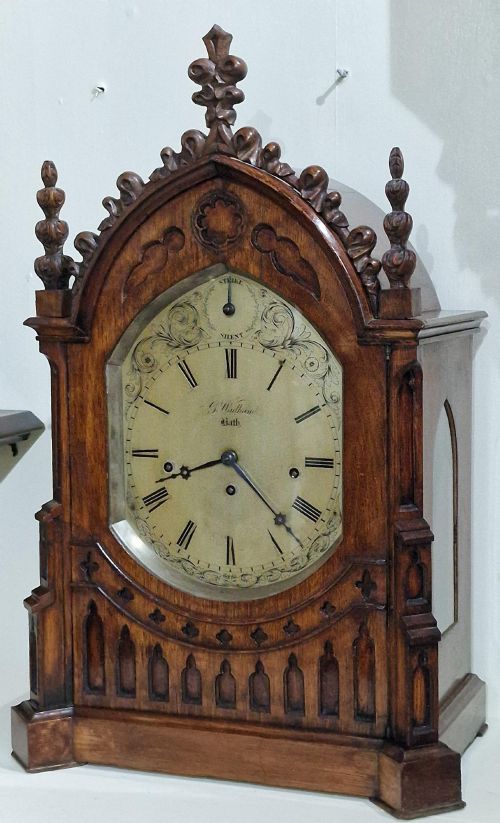
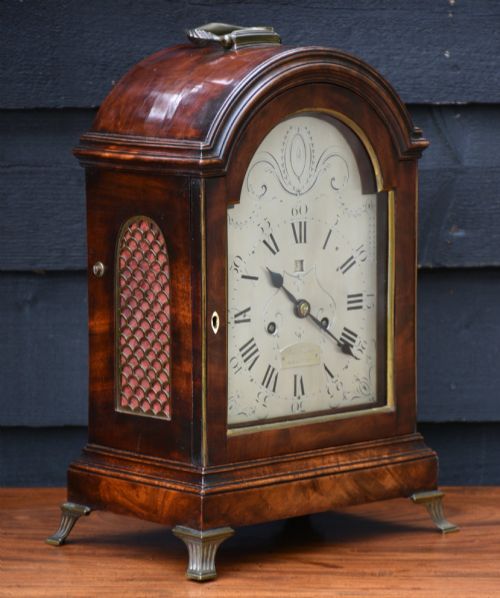
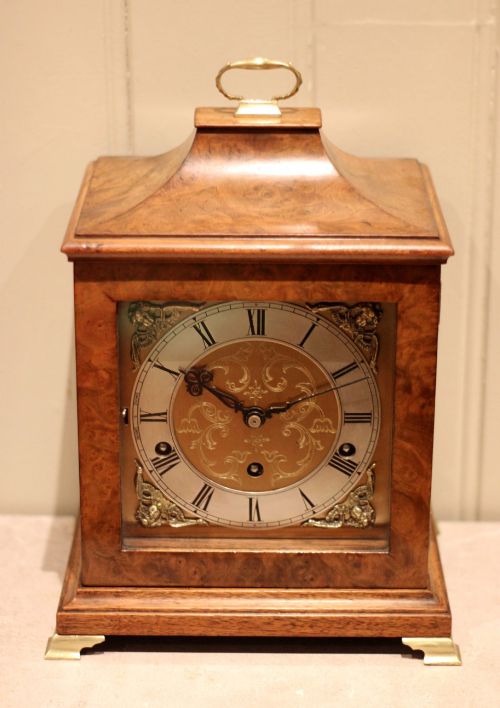
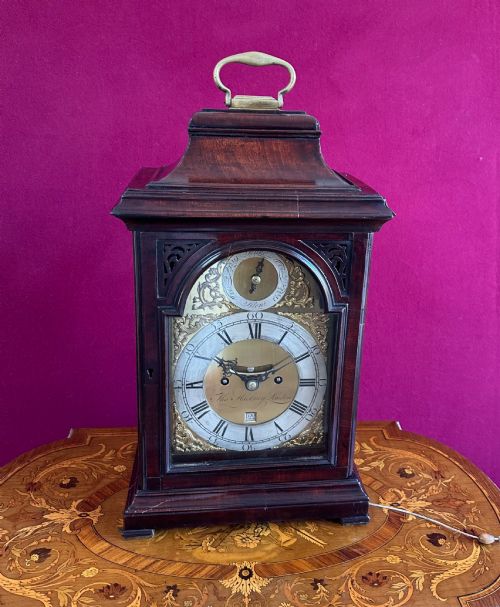
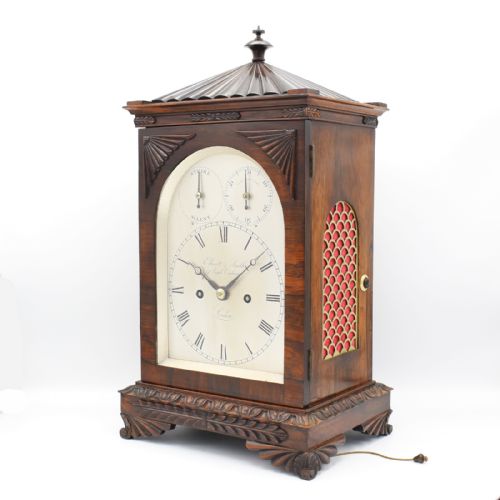
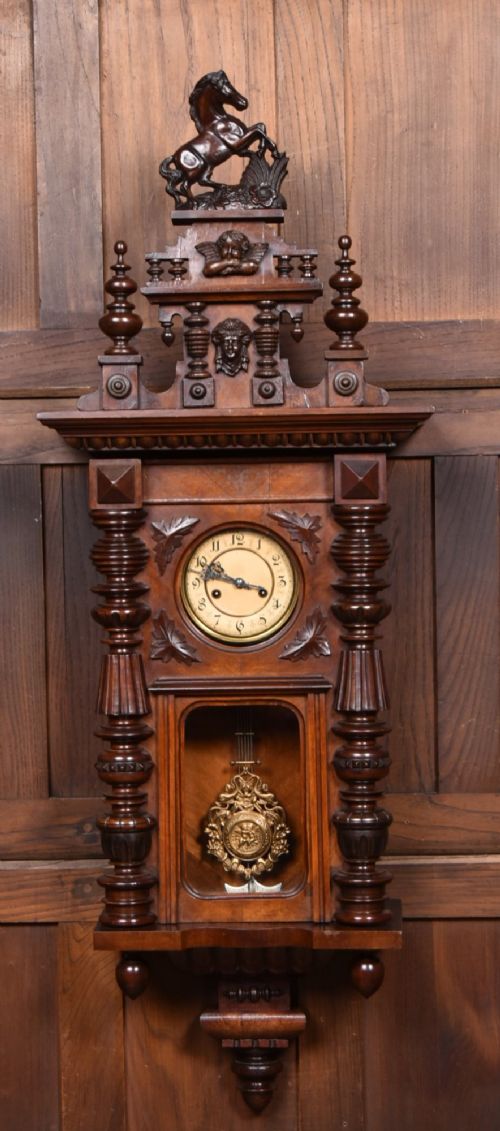
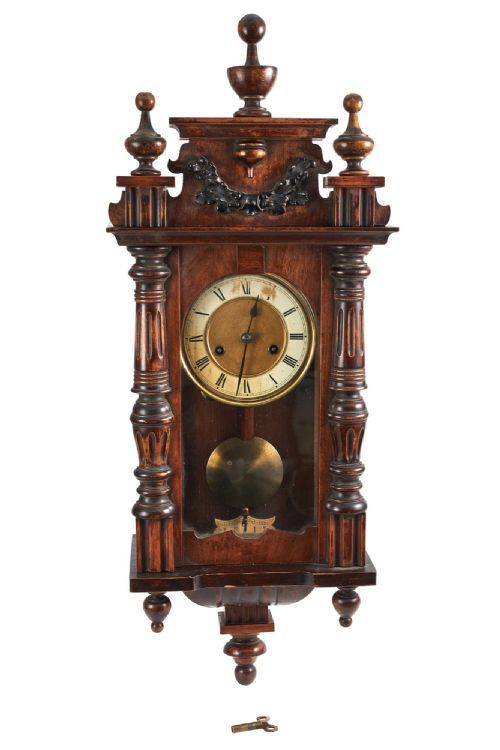
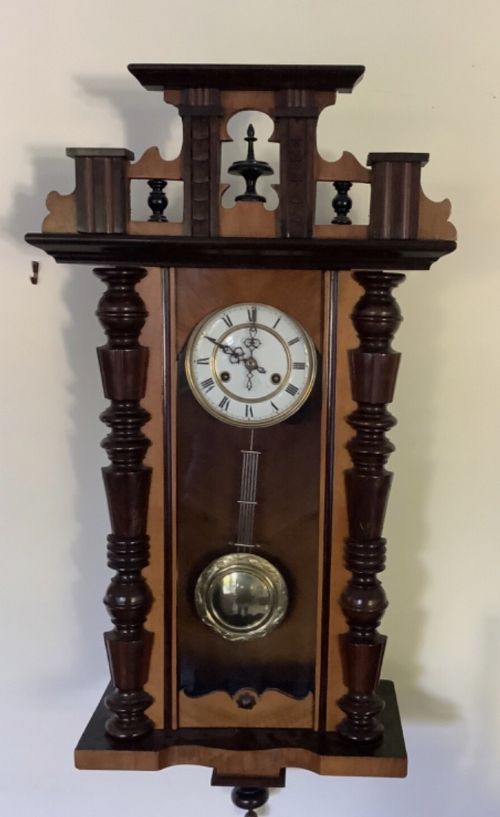
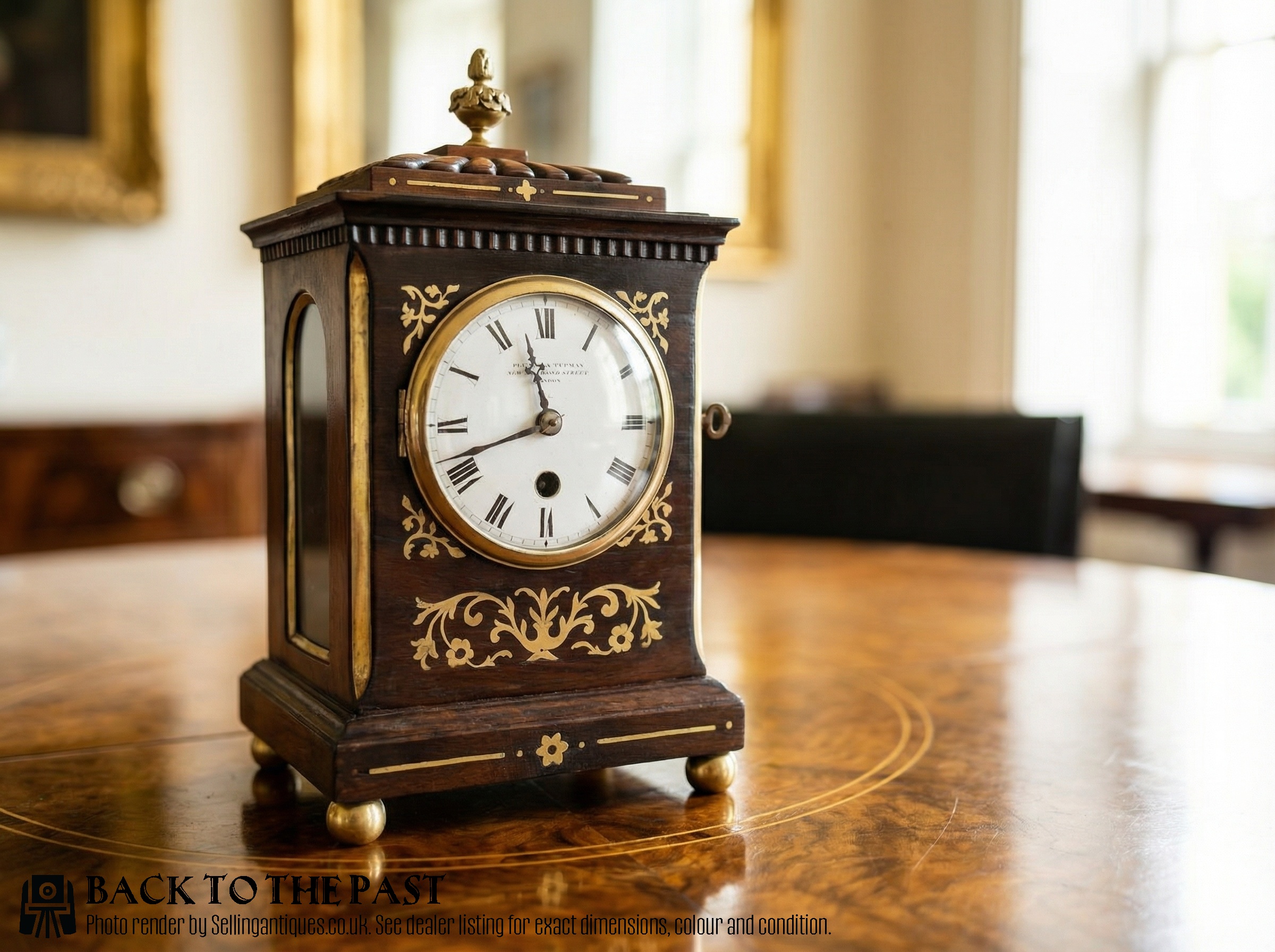
A traditional spring driven clock is a timekeeping device powered by a coiled mainspring rather than falling weights. These objects appear in forms such as bracket clocks, mantel clocks, wall clocks, and carriage clocks across this selection.
The pieces span various eras, with Victorian, Georgian, and nineteenth-century examples forming the core of the selection. Buyers frequently encounter timber cases in mahogany, walnut, and oak alongside brass and glass elements.
Materials and construction
Cases utilise dense hardwoods like mahogany, walnut, and oak, often shaped into bracket or wall clock formats. Ebonised wood and bronze also appear among the structural materials.
Movements incorporate brass and steel components, driven by mainsprings and regulated by balances, pendulums, or fusee mechanisms. Dials feature enamel markers to display the hours.
Several clocks arrive complete with date apertures, ready to keep track of the calendar alongside the hours.
Quality differences
Quality rests in the precision of the internal movement and the crispness of the case timber. Finer examples display detailed cabinetwork and signed brass dials.
The sophistication of the strike mechanism, such as twin or triple fusee trains and chime capabilities, distinguishes standard timepieces from more complex workshop productions.
George Wadham·Mappin & Webb·Ellicott & Smith·L. Vick of Stroud·Thomas Moss·John Witherston·Cording of London·Piggin Norwich·Phillips Brothers·Johann Baptist Beha·Winterhalder & Hofmeier·Funnell of Brighton·Desbois & Wheeler·Purvis of London·Plumbly & Tupman·James Maitland·Osborn of Bognor Regis·Christie of Perth
The Traditional Spring Driven Clock Glossary
- Fusee
- A conical pulley used in a clock movement to maintain even tension on the mainspring as it unwinds. This mechanism improves timekeeping accuracy.
- Verge movement
- An early type of escapement that regulates the motion of the clock. It works in conjunction with a balance or pendulum.
- Bracket clock
- A portable table or mantel clock originally designed to sit on a wall bracket. Many examples feature arched wooden cases and carrying handles.
- Carriage clock
- A small, spring-driven clock enclosed in a brass and glass case with a folding handle. They were originally made for travellers during the nineteenth century.
Traditional Spring Driven Clock: Frequently Asked Questions
What is a fusee clock?
A fusee clock uses a conical pulley connected to the mainspring by a cord or chain. This compensates for the diminishing force of the spring as it uncoils.
This system ensures steady power delivery to the movement for more accurate timekeeping.
How do I wind a spring driven clock?
Winding involves inserting a key into the dial apertures and turning it clockwise until resistance is felt. Care must be taken not to overwind the mainspring.
Most models require weekly winding to maintain continuous operation.
Where should I place a bracket clock?
Bracket clocks suit flat, stable surfaces such as mantelpieces, sideboards, or dedicated wall brackets. A level foundation is essential for the pendulum or balance to beat evenly.
Positioning the clock away from direct sunlight and draughts protects the timber case and internal lubricant.
How do I identify a Victorian clock?
Victorian clocks often feature walnut or mahogany cases with stylistic influences ranging from Gothic Revival to straightforward nineteenth-century vernacular. Maker signatures on the dial or movement provide specific origin details.
Movements from this era frequently utilise double fusee mechanisms or striking trains.