



Traditional Sepia Artwork
Traditional sepia artwork brings historic draughtsmanship and muted monochrome tones directly into modern interiors.
Traditional Sepia Artwork
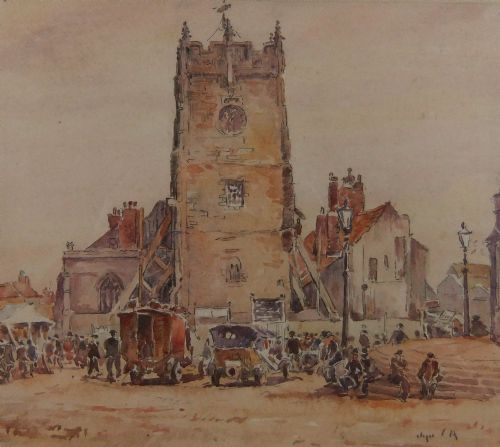
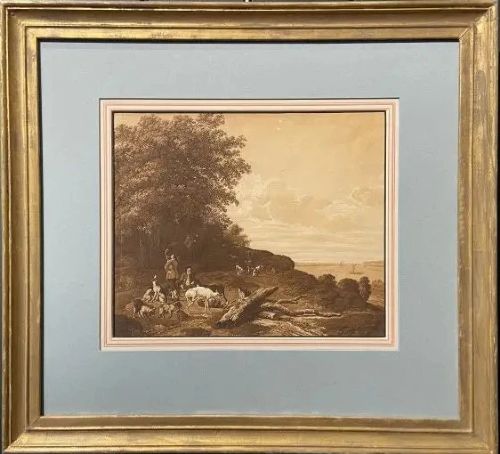
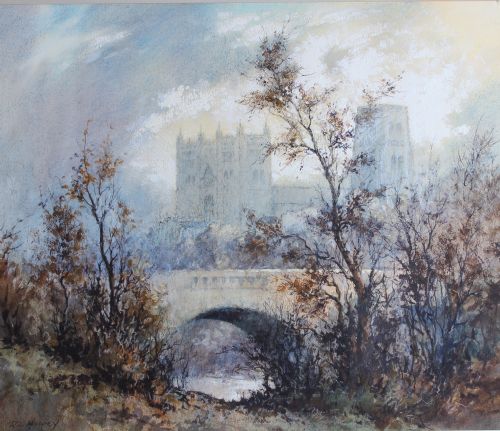
Traditional sepia artwork encompasses a broad range of historical pieces produced across the 17th century, the Georgian era, the 19th century, and into the mid-20th century. When exploring traditional sepia artwork, buyers encounter various formats including watercolour paintings, drawings, prints, and original engravings.
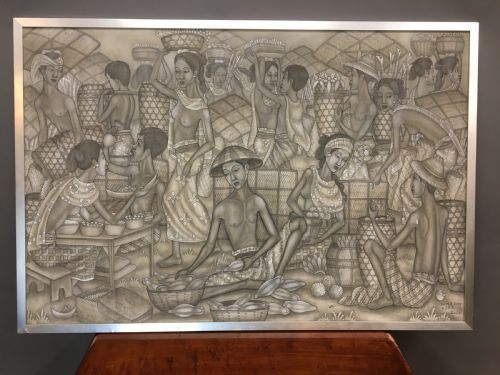
The selections span distinct creative movements and genres such as Victorian, Edwardian landscape, maritime impressionism, and Dutch Golden Age influences. Common subjects vary from architectural studies and rural landscapes to animal portraits and figural compositions.
Determining quality in monochrome pieces
Quality rests upon the confidence of the draughtsmanship and the subtlety achieved within a restricted monochrome range. Finer examples display precise control of line and wash, creating atmospheric depth that commands attention.
The condition of the paper surface and the integrity of the original framing elements also influence the overall standard. Pieces retaining their period mounts and frames offer greater historical coherence.
Dogs make frequent appearances, ranging from American foxhounds and cattle to horses on the racetrack.
John Smith Atherton·Robert Leslie Howey·Michael Lyne·George Arthur Fripp·James Dobie·Tom Dudley·Fred Lawson·John Thurtle
The Traditional Sepia Artwork Glossary
- Sepia
- A brown pigment historically derived from the ink sac of the cuttlefish, widely utilised for monochromatic drawing and wash work.
- Watercolour
- A painting method where paint is made from pigments suspended in a water-based solution, applied here to paper supports.
- Engraving
- A printmaking technique where an image is incised into a metal plate, allowing multiple impressions to be transferred to paper.
- Etching
- A process where acid cuts into uncoated portions of a metal plate to create lines that hold ink for printing.
- Wash
- A thin, semi-transparent layer of diluted ink or watercolour applied evenly across paper to create smooth background tones or shadows.
Traditional Sepia Artwork: Frequently Asked Questions
How should I hang traditional sepia artwork?
Keep these works away from direct sunlight to prevent the paper and monochrome pigments from fading over time. Pairing them with neutral wall colours enhances the warm brown tones inherent in historical ink and wash pieces.
Ensure rooms maintain stable humidity levels to protect fragile paper supports and historical wooden frames. Proper placement preserves the integrity of antique drawings for future generations.
How do I identify the period of a piece?
Examine the paper type, framing style, and any handwritten inscriptions or signatures on the reverse or front margin. Stylistic clues within clothing, architecture, and subject matter often point toward specific eras such as the Georgian or Victorian periods.
Consulting artist records or matching signatures helps narrow down the active dates of the creator. Historical framing materials can also offer reliable indicators of a piece's age.
What subjects are most common?
Landscapes, architectural studies, and animal illustrations frequently appear among monochrome works. Rural views, church studies, and maritime scenes dominate the available compositional themes.
Artists often focused on local topography, capturing recognizable landmarks and pastoral views with careful observational detail. Portraiture and figural sketches also feature periodically within the selection.
Are these works original?
The collection includes both unique hand-drawn pieces and period-printed works such as historic engravings and etchings. Watercolours, pencil sketches, and tempera studies represent original one-of-a-kind artistic creations.
Printed items are period reproductions or plates from historical publications, valued for their printmaking quality and age. Each listing specifies whether an artwork is a unique drawing or a historical print.