


Traditional Scottish Artwork
Traditional scottish artwork brings the nineteenth-century landscapes and portraits of northern painters directly into your room through oil and watercolour.
Traditional Scottish Artwork
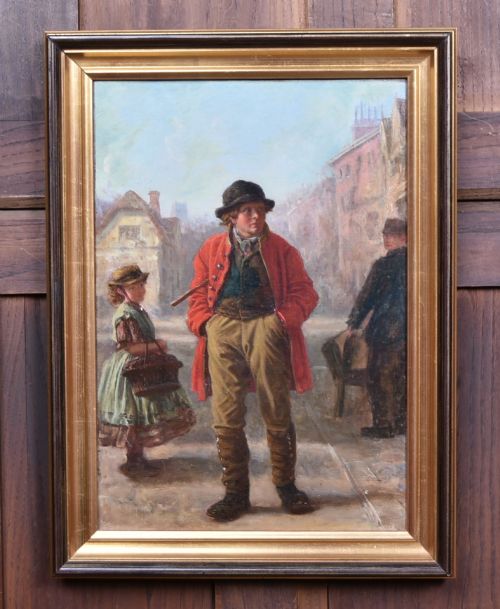
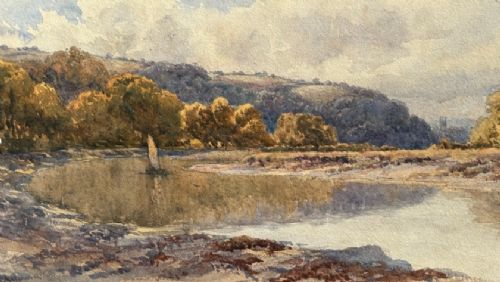
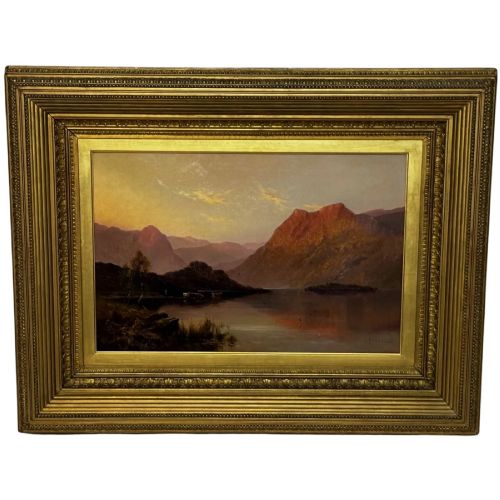
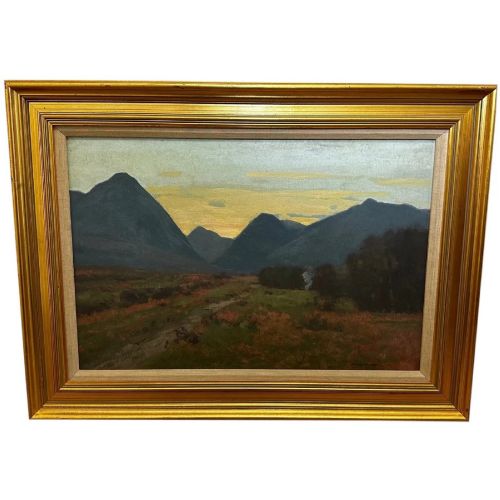
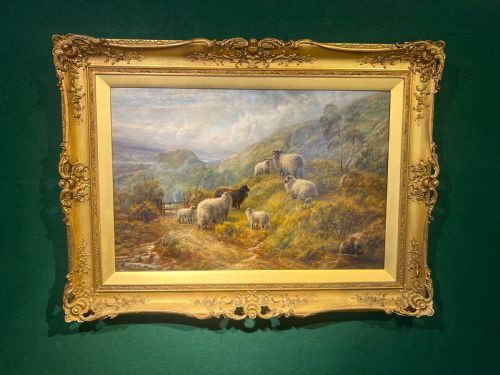
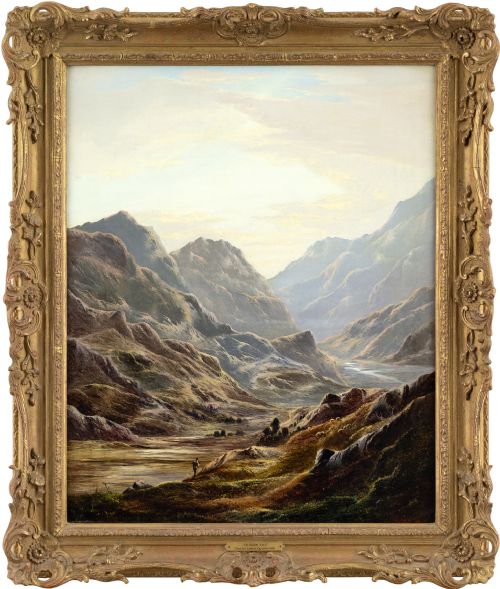
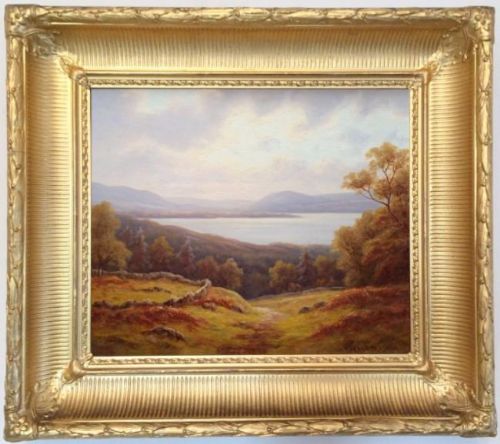
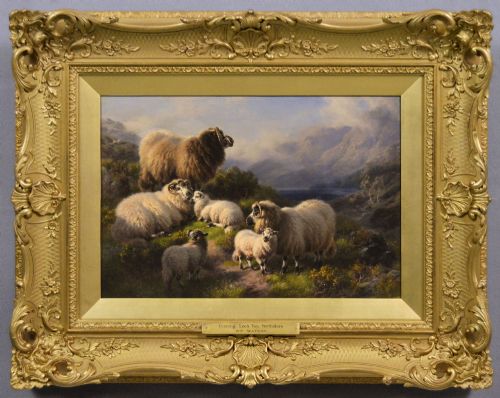
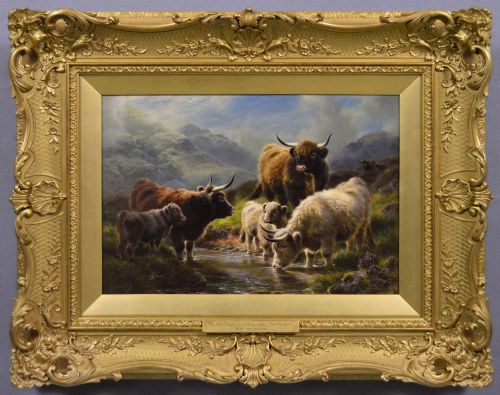
Traditional scottish artwork centres on nineteenth-century oil paintings and watercolours depicting highland landscapes, lochs, and cattle. You will frequently encounter framed canvases and wood panels signed by regional artists working in Victorian and Edwardian styles.
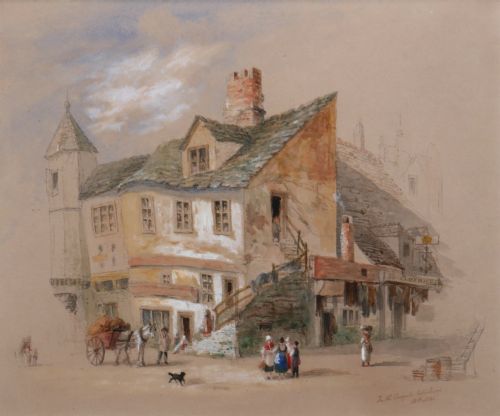
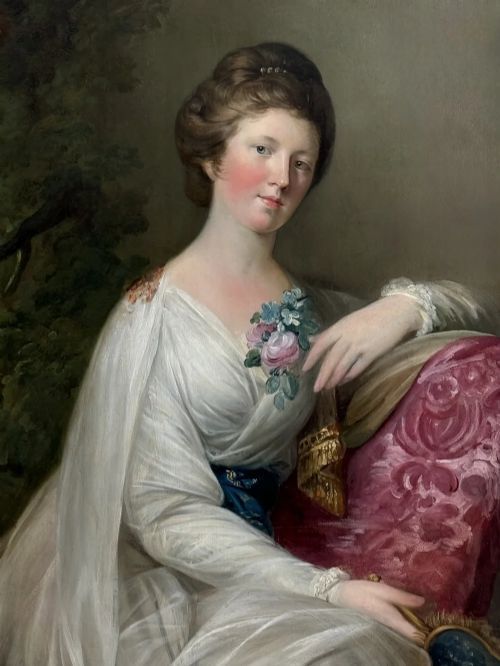
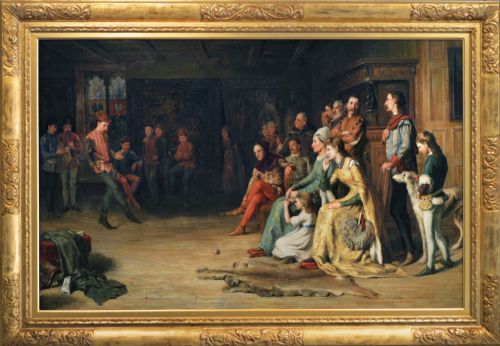
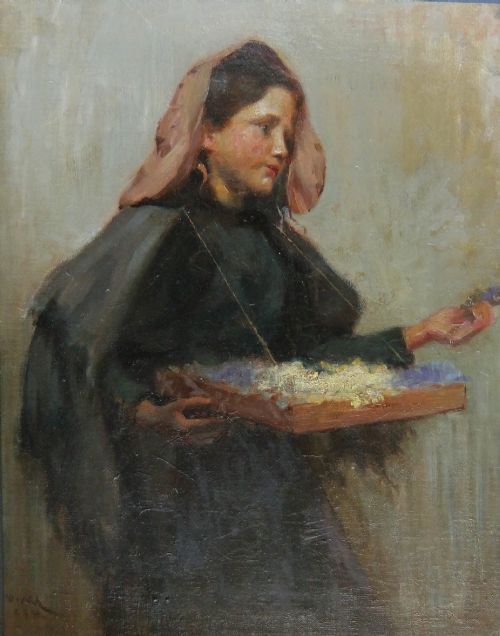
The subjects range from rugged terrain around Loch Tay and Glen Tilt to genre historical scenes and intimate portraits. Urban views such as the Cowgate in Edinburgh also appear alongside rural crofts and coastal inlets.
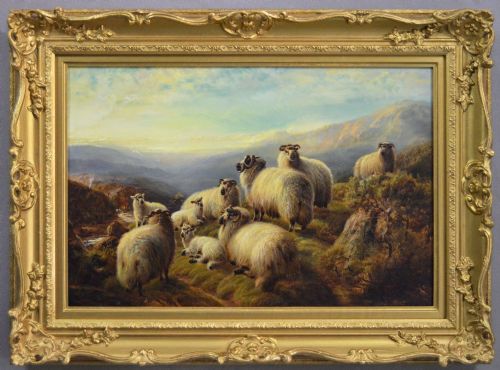
Works span from the eighteenth century into the twentieth century, capturing changing approaches to Scottish impressionism and topographical art. Landscapes dominated by sheep, cattle, and mountainous backdrops form the core of what meets the eye on this page.
Materials and methods
Painters applied oil paint onto stretched canvas, wood panels, or boards, while watercolours used paper supports. Pigments built up rich textures that captured atmospheric light over lochs and moorland scenes.
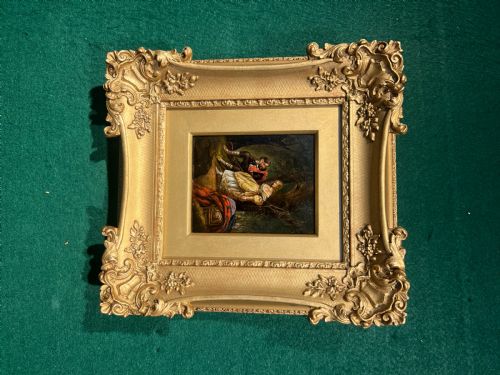
Frames frequently combine wood with giltwood and moulded gesso to complete the presentation of these historical paintings. Ornate period framing complements the depth of the oils and the delicacy of the watercolours.
Traditional Scottish Artwork Retail Price Guide 2026
Typical asking prices for traditional scottish artwork among the pieces listed under this phrase on Sellingantiques today, from the lower quarter to the upper quarter. They describe what is for sale here now, not the wider market.
Materials recorded across the inventory include oil paint, canvas, wood panels, giltwood, and gesso.
Factors that distinguish the range
Execution and brushwork separate standard topographical records from masterful academic painting. Stronger compositions command attention through confident handling of light, shadow, and Highland weather conditions.
The distinction between a routine provincial sketch and a signed exhibition piece by an elected academy member shapes the standing of each work. Provenance, artist recognition, and condition of both canvas and original gilt frame influence the overall calibre.
Thomas Fenwick·Tom Campbell·George Willison·Alfred Fontville de Breanski Jr·George Houston·James Hamilton·Robert Watson·William Watson Jnr·Charles Leslie·William Watt Milne·Alexander Wellwood Rattray·Everett Watson Mellor·Archibald Kay·Henry Robinson Hall·W.E. Evans·Henry Hillier Parker·Frank Hider·William Grant Murray·John A. Houston·John Douglas Perrett·James Bell Anderson·Sidney Yates Johnson·John Charles Tunnard·Charles Jones
The Traditional Scottish Artwork Glossary
- Oil on Canvas
- Pigment mixed with drying oil applied to a woven fabric stretched across a wooden frame. This method allows for thick impasto and deep tonal blending.
- Giltwood
- Wood carved and coated with gold leaf or metallic powder. It provides a luminous border for traditional oil paintings.
- Gesso
- A paint mixture consisting of a binder mixed with chalk, gypsum, or pigment. It creates a smooth surface on frames before gilding.
- Scottish Impressionism
- A painting style influenced by continental movements that embraced looser brushwork and natural light. It emerged strongly in the late nineteenth and early twentieth centuries.
- Topographical Art
- Artworks that accurately record specific geographical locations and landmarks. These pieces served as visual records before widespread photography.
Traditional Scottish Artwork: Frequently Asked Questions
What subjects appear in traditional scottish artwork?
Landscapes featuring Highland cattle, sheep, lochs, and mountainous terrain dominate the selection. Historical genre scenes and portraits also feature among the paintings.
Artists frequently recorded recognisable Scottish topography, capturing rural crofts, winter snows, and coastal vistas across changing daylight.
How do I date an antique Scottish painting?
Signatures, artist life dates, and framing styles offer primary clues for dating. Canvas stamps and inscriptions on the reverse often provide additional historical context.
Techniques shifted from eighteenth-century topographical views through Victorian detail towards looser impressionistic brushwork by the early twentieth century.
Are these paintings supplied with frames?
Most works arrive in period frames constructed from wood, giltwood, or gesso. These surrounds match the era of the canvas and protect the edges.
Original frames enhance the historical integrity of the artwork, showing period craftsmanship alongside the painted surface.
What is Scottish Impressionism?
Scottish Impressionism describes a looser approach to painting that developed under the influence of European movements. Artists focused on capturing transient effects of light and weather.
This style appears in works from the late nineteenth and early twentieth centuries, moving away from rigid academic precision.