

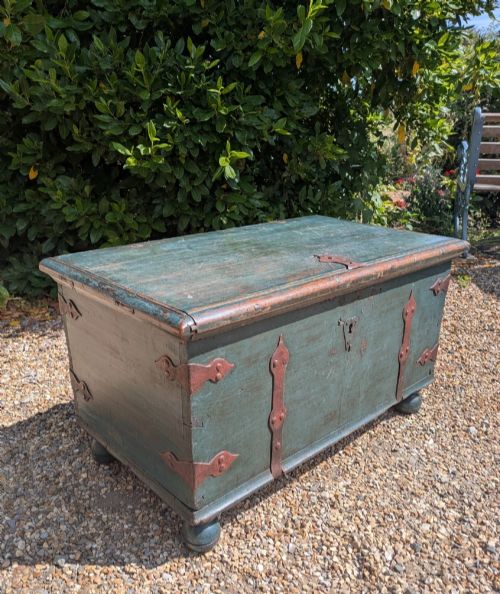


Traditional Scandinavian Box
A traditional Scandinavian box brings rustic warmth and folk artistry into a room, offering practical storage disguised in vibrant hand-painted colour.
Traditional Scandinavian Box
A traditional Scandinavian box encompasses small lidded vessels, oval shaped containers, and larger blanket boxes originating from the nineteenth century. These pieces emerge from Scandinavian country, folk art, and rustic farmhouse traditions, reflecting rural domestic life across Sweden and Norway.
The most common examples you will encounter are hand painted pine boxes and bentwood tine food boxes featuring original decoration. Larger storage forms such as coffers, trunks, and log baskets also appear alongside related seating and cupboards.
Buyers seek these objects for their robust construction and distinct painted surfaces, which anchor contemporary interiors with historical texture. Each piece serves as a functional container while displaying regional decorative motifs passed down through generations.
Materials and construction methods
Local timber such as pine and birch root provides the primary structural foundation for these objects. Craftsmen shaped bentwood and wood splint to form seamless curved bodies, particularly in traditional oval containers and tine boxes.
Surface decoration relies on applied pigment and paint, often over a grained finish, transforming plain wood into vibrant folk art. Hand forged wrought iron strapwork and hinges secure the lids and corners, adding industrial contrast to the organic materials.
Traditional Scandinavian Box Retail Price Guide 2026
Typical asking prices for traditional scandinavian box among the pieces listed under this phrase on Sellingantiques today, from the lower quarter to the upper quarter. They describe what is for sale here now, not the wider market.
Many historical food boxes were carved with the owner's initials and wedding date, turning humble dairy containers into romantic nineteenth-century keepsakes.
Markers of distinction in country pieces
The integrity of the original paint surface determines the visual impact of a traditional Scandinavian box. Retaining untouched historical pigment without extensive modern overpainting distinguishes superior examples from heavily restored ones.
The finesse of the hand forged iron strapwork and the precision of the bentwood or dovetail joinery reveal the maker's skill. Finer pieces demonstrate careful attention to proportions and balanced decorative motifs rather than purely utilitarian assembly.
The Traditional Scandinavian Box Glossary
- Tine
- A traditional Norwegian wooden box featuring overlapping bentwood sides secured with wooden pins or roots. These vessels historically stored food items like butter and cheese.
- Strapwork
- Ornamental metal bands or hinges fixed across the exterior of a box for reinforcement and decoration. Hand forged iron versions indicate nineteenth-century rural blacksmithing.
- Bentwood
- Wood that has been soaked or heated until pliable and then curved into rounded shapes. This technique creates the seamless oval bodies characteristic of Scandinavian dairy and storage boxes.
- Pigment
- Coloured powder mixed with a binder to create the paints used on folk art furniture. Natural earth and mineral pigments yielded the rich blues, reds, and greens seen on these surfaces.
- Coffer
- A heavy wooden chest with a hinged lid used for storing valuables or textiles. Early nineteenth-century examples often display painted panels and robust iron mountings.
Traditional Scandinavian Box: Frequently Asked Questions
How were traditional Scandinavian boxes used?
These boxes served essential storage roles in rural households, holding dried foods, textiles, small valuables, and everyday household goods. Tine boxes specifically transported provisions across farms.
Larger blanket boxes and coffers stored heavy winter linens and family heirlooms, keeping them protected from dust and dampness in uninsulated timber dwellings.
How do I clean a painted wooden box?
Dust the surface gently with a soft, dry cloth to remove loose particles without disturbing fragile historic paint layers. Avoid using chemical cleaners, water, or abrasive polishes entirely.
Applying a microcrystalline wax can protect stable painted surfaces, but fragile or flaking pigment should remain untouched by any moisture or wax treatment.
Are these boxes made of solid pine?
Most examples utilise solid pine as the primary construction material for panels, lids, and structural bodies. Some specialised oval vessels incorporate bentwood splints and birch root bindings.
Craftsmen selected pine for its widespread availability and ease of working, allowing them to construct durable containers that took paint well.
How can I tell if the paint is original?
Original paint surfaces show natural wear, stable craquelure, and subtle fading consistent with nineteenth-century age. Pigments settle unevenly into the wood grain over decades of use.
Inspect edges and corners where handling naturally causes friction and loss, revealing older layers beneath rather than uniform modern emulsion.
Where should I place a painted box at home?
Position your box on a stable surface away from direct sunlight and heat sources like radiators to prevent the wood from drying and warping. Placing them in living rooms or bedrooms allows them to function as practical storage.
Ensure the environment maintains moderate humidity levels to protect both the nineteenth-century pine timbers and the delicate painted folk art decoration.