

19th Century Wooden Trunk
A 19th century wooden trunk brings robust utility and enduring character to an interior, shaped by travel, domestic storage and trade.
19th Century Wooden Trunk
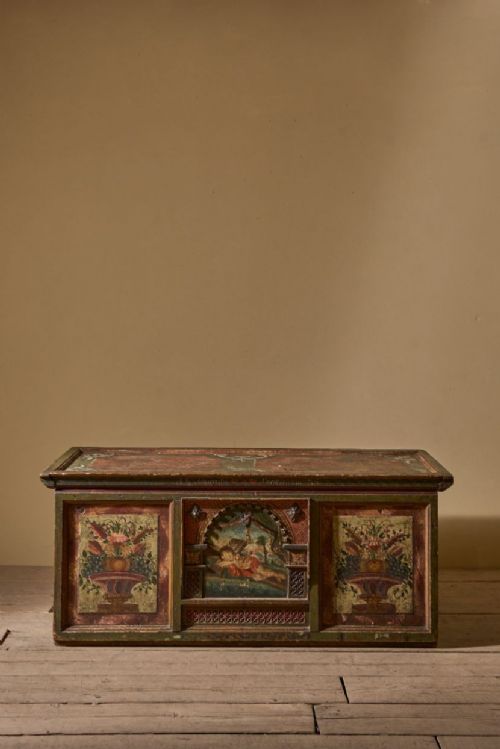
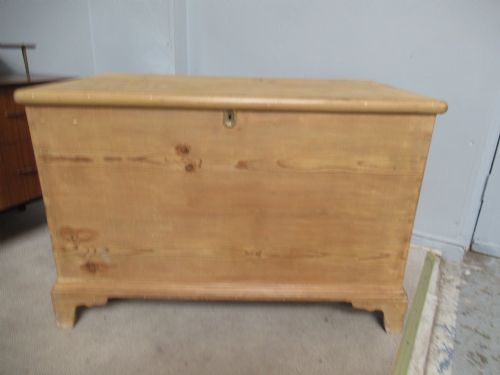
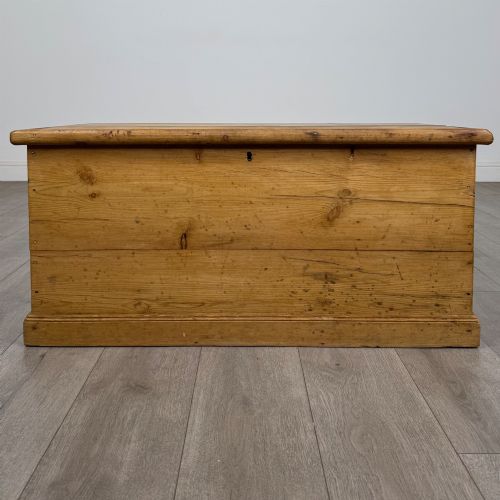
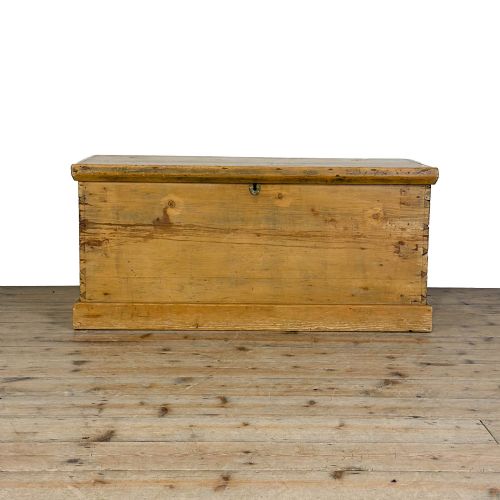
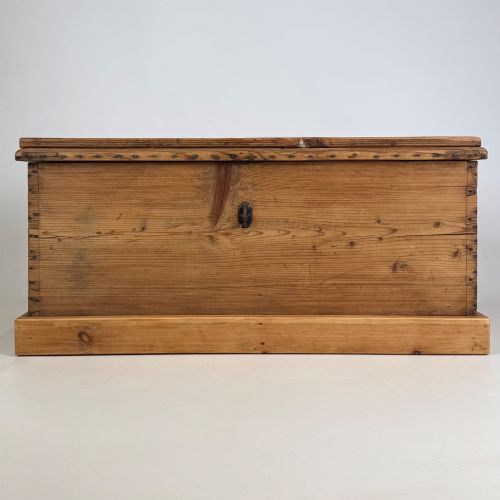
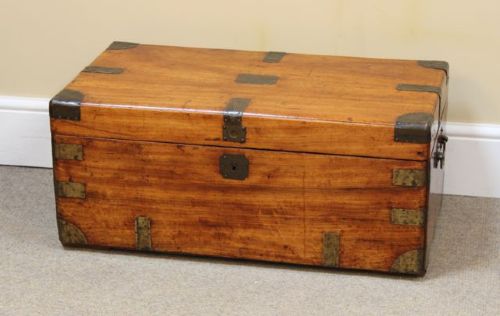
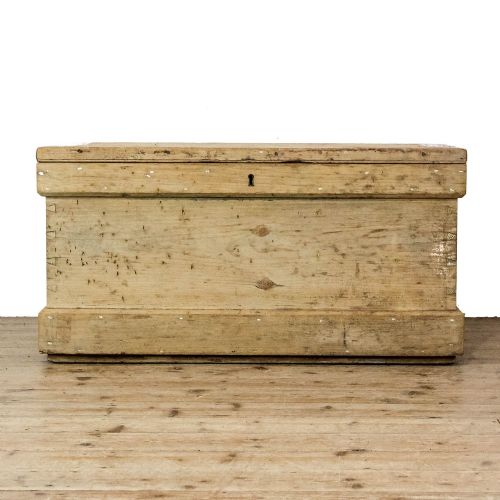
A 19th century wooden trunk encompasses a diverse array of sturdy receptacles designed for travel, storage and household organisation during the eighteen hundreds. Buyers frequently encounter domestic pine blanket boxes alongside travel-worn military campaign chests fashioned from exotic timbers.
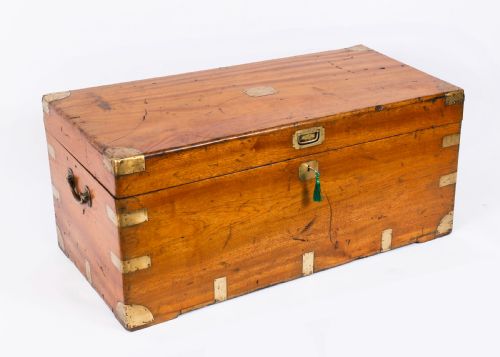
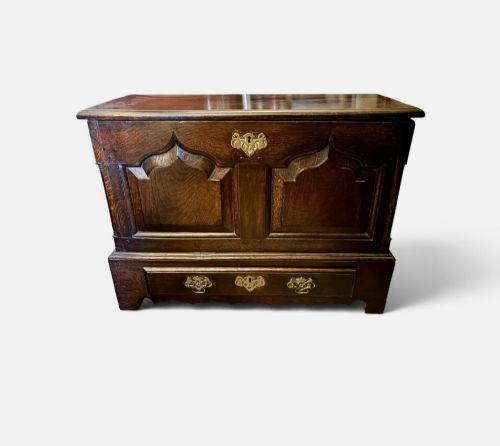
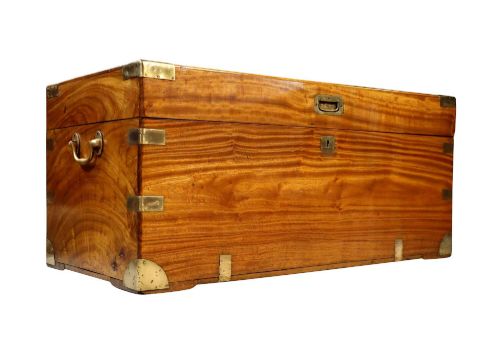
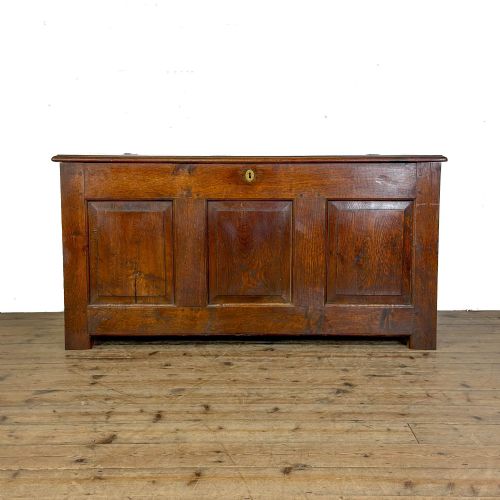
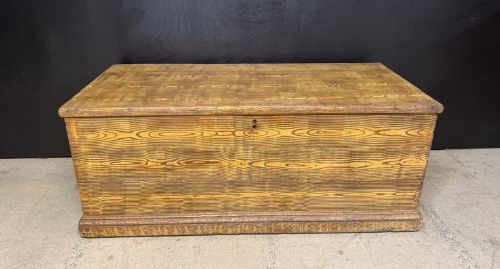
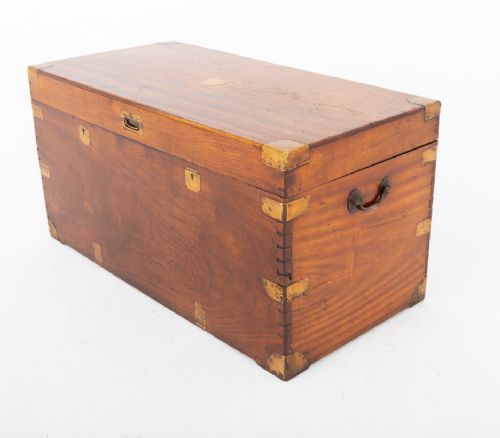
The selection ranges from simple stripped pine and painted storage chests to heavy brass-bound camphor wood trunks built for long voyages. Regional forms such as Welsh oak coffers and Zanzibar traders chests also appear among the domestic blanket boxes and coffers.
These pieces served practical roles in homes, garrisons and merchant ships before entering the antique market. Their construction reflects the specific demands of their original owners, from officers on the move to families storing household linens.
How They Were Made
Carpenters utilised durable timbers suited to each trunk's intended environment, combining domestic softwoods like pine with resilient hardwoods such as oak, teak, mahogany and camphor wood. Camphor wood provided natural protection against insects during tropical journeys, while pine offered an accessible material for everyday household boxes.
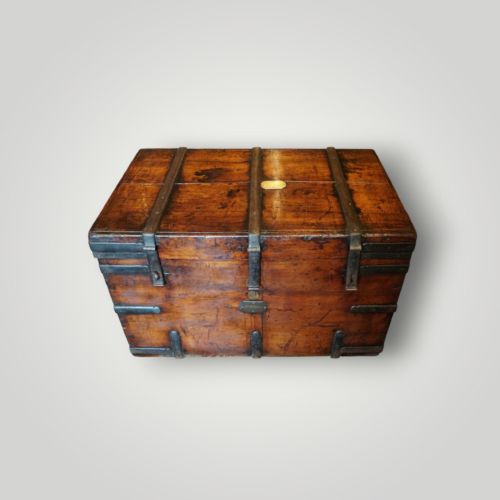
Metal reinforcement was essential for structural integrity, leading makers to bind corners and edges with brass or iron straps, corner pieces and sturdy carrying handles. Brass stud decoration and hinged lift-up tops completed pieces meant to withstand the rigours of transport and daily domestic handling.
Listings feature woods spanning camphor wood, pine, oak, teak, mahogany, walnut and padouk, alongside iron and brass hardware.
What Varies in Quality
The calibre of a 19th century wooden trunk is determined by the selection of timber, the integrity of its structural joints and the retention of original surface treatments. Superior examples display dense, well-figured hardwoods or clean pine with harmonious patination rather than indiscriminate modern alterations.
Hardware execution further distinguishes the range, separating utilitarian boxes with plain straps from pieces featuring fine brass bound edges, dovetailed joints and original locking mechanisms. The presence of authentic maker details or documented provenance elevates specific military and campaign examples.
The 19th Century Wooden Trunk Glossary
- Campaign trunk
- A robust chest designed for military officers on active service, featuring recessed handles, brass binding and sturdy corner brackets for frequent transport.
- Camphor wood
- An aromatic hardwood native to Asia, utilised for trunks due to its insect-repellent properties and distinctive grain.
- Coffer bach
- A small Welsh oak chest, typically featuring a panelled front and raised on feet or a low stand.
- Mule chest
- A storage chest fitted with one or two drawers beneath the main hinged compartment, emerging in domestic interiors during earlier periods and continuing into the nineteenth century.
- Scumble pine
- Pine treated with a translucent glaze applied over a painted base coat to imitate the richer grain patterns of more expensive hardwoods.
19th Century Wooden Trunk: Frequently Asked Questions
How were 19th century wooden trunks used?
These chests served primarily for transporting personal belongings, uniforms and equipment during long journeys by sea and land. In domestic settings, families utilised them for storing heavy woollen blankets, household linens and winter garments.
Over time, many transitioned from utilitarian storage in hallways and bedrooms to decorative furniture items within contemporary living spaces.
What woods were used for trunks?
Carpenters and cabinetmakers selected timber based on availability and the intended destination of the piece. Domestic items were frequently constructed from pine, oak or walnut.
Trunks intended for overseas travel often utilised dense exotic hardwoods such as camphor wood, teak, padouk and mahogany to resist humidity and pests.
How should I clean a painted pine trunk?
Painted surfaces require gentle maintenance to preserve the original finish and patination accumulated over the decades. Dust the exterior regularly with a soft, dry cloth and avoid harsh chemical cleaners or abrasive materials.
Moisture should be kept away from the timber to prevent lifting of the paint layer or warping of the pine boards.