




Traditional Sarouk Rug
A traditional sarouk rug brings enduring Persian craftsmanship and rich floral motifs into a room, offering both warmth and history underfoot.
Traditional Sarouk Rug
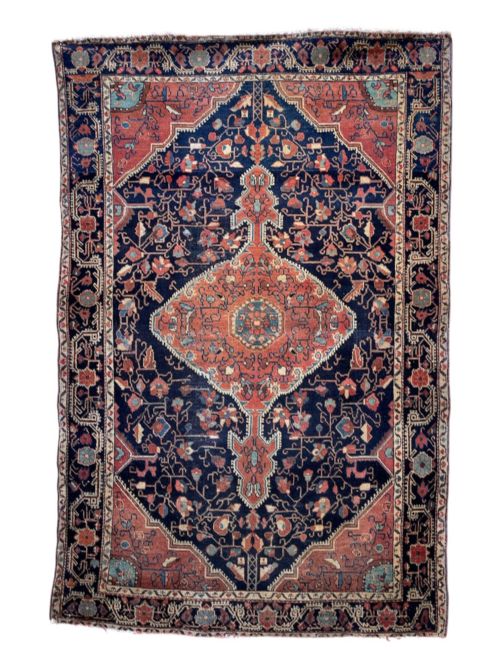
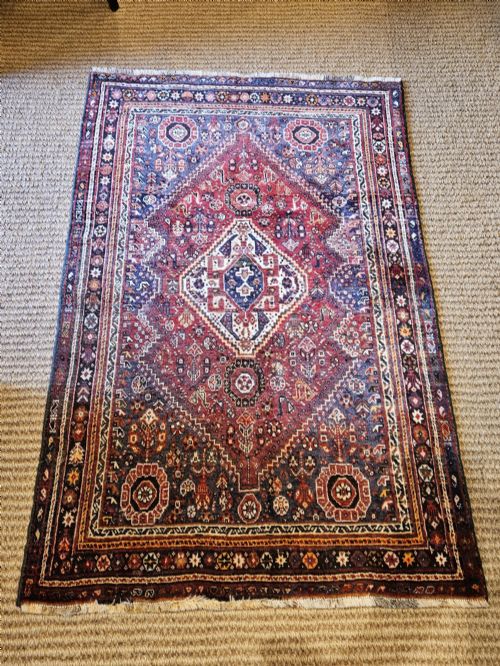
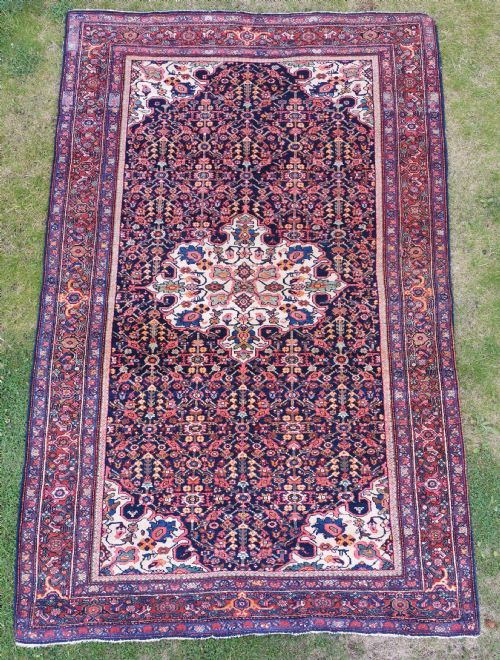
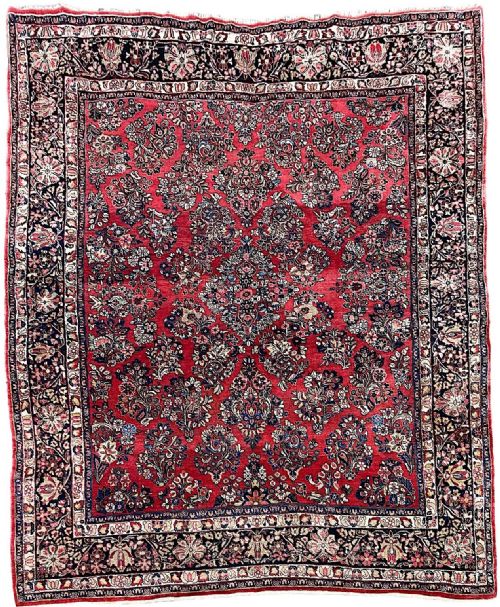
A traditional sarouk rug originates from the West Persia region, encompassing village and town workshops that produced durable floor coverings throughout the nineteenth and early twentieth centuries. These pieces emerge in various formats, ranging from compact area rugs and mats to substantial carpets and exceptionally long, narrow runners.
Buyers encountering this group will frequently meet examples dated from the late nineteenth century up through the nineteen-thirties, including related regional weaves such as Ferahan, Jozan, and Mohajeran. These textiles serve primarily as practical floor coverings while bringing sophisticated Persian design traditions into domestic interiors.
How they were made
Weavers constructed these traditional pieces using a sturdy foundation of cotton warps and wefts, which provided the structural stability needed for heavy domestic use. Dense wool pile was then hand-knotted onto this cotton grid, allowing artisans to execute intricate curved floral patterns and detailed medallion layouts with precision.
Dyers utilised natural materials to achieve a deep palette, often anchored by rich rust backgrounds, soft blues, and subtle earth tones. The resulting dense handle and tight weave distinguish these Persian textiles from coarser tribal work.
Listings span the nineteenth and early twentieth centuries, recording materials strictly as wool and cotton across various formats from small mats to extensive carpets.
What varies in quality
The fineness of the knotting largely determines the precision of the botanical and medallion designs rendered across the surface. A tighter, denser weave allows for sharper pattern definition and greater durability under foot traffic.
The handling of natural colour and the harmonious ageing of the wool distinguish finer examples from standard production. Artisans achieved superior artistic merit when balance and proportion governed the entire composition from border to centre.
The Traditional Sarouk Rug Glossary
- Sarouk
- A style of Persian rug originating from the Markazi region of west Persia, known for dense wool piles and sophisticated floral designs. These pieces often display characteristic salmon-pink or deep rust backgrounds.
- Ferahan
- A term applied to finer Persian rugs and carpets produced in the Ferahan district, frequently associated with delicate herati patterns. These older weaves are prized for their refined structure and subtle palette.
- Jozan
- A specific village workshop tradition within the broader Sarouk region, noted for high-quality wool and distinctive medallion layouts. Jozan pieces typically exhibit a particularly fine and tight foundation weave.
- Boteh
- A traditional teardrop or almond-shaped motif with a curved upper end, widely used in Persian rug design. This ancient symbol represents a floral spray or a cypress tree.
- Runner
- A long, narrow format of rug specifically proportioned for hallways, corridors, and staircases. These elongated textiles often display repetitive border arrangements and scaled-down central motifs.
Traditional Sarouk Rug: Frequently Asked Questions
Where were traditional sarouk rugs made?
These rugs were produced in West Persia, specifically in Sarouk and surrounding villages like Jozan and Ferahan. Local workshops developed distinct regional styles while sharing techniques.
Production flourished from the nineteenth century into the early decades of the twentieth century, catering to both local and international markets.
How do I care for a vintage Persian rug?
Regular gentle vacuuming without a beater bar removes surface dirt before it settles into the cotton foundation. Professional cleaning tailored to antique textiles preserves the wool pile and natural dyes.
Placing the rug out of direct sunlight prevents uneven fading of the rust and blue tones over time.
What is a Jozan Sarouk?
A Jozan Sarouk refers to pieces woven specifically in the village of Jozan within the Sarouk district. These rugs often feature tighter knotting and distinctive local design variations.
They represent a sought-after subset of traditional West Persian weaving.
Are these rugs suitable for hallways?
Many examples are specifically formatted as narrow runners designed for hallways and corridors. Their dense wool construction provides the durability required for high-traffic walkways.
Proper underlays help keep these long formats secure on wooden or tiled floors.