

Traditional Rustic Armchair
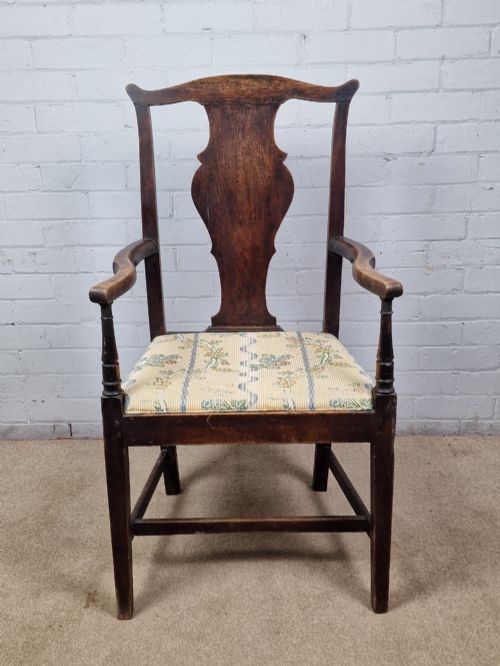
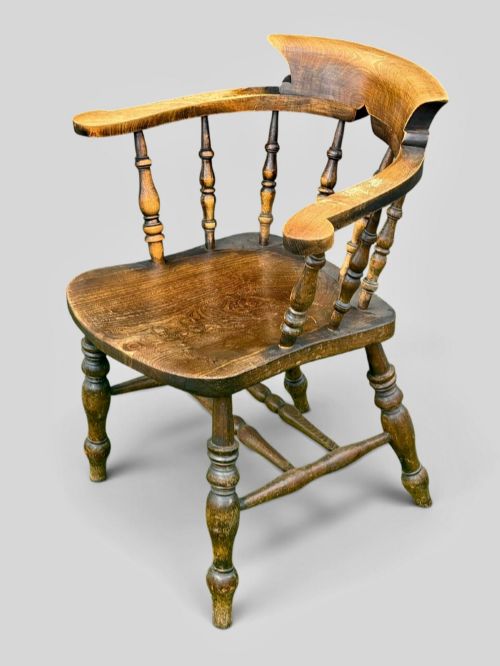
A traditional rustic armchair brings organic warmth to an interior through honest vernacular design and time-worn timber.
Materials and construction methods
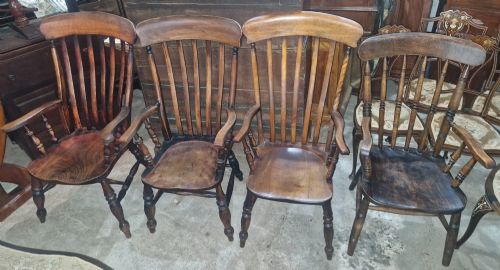
Makers utilised a combination of native hardwoods, pairing sturdy ash or oak frames with resilient elm seats carved into comfortable, shallow saddles. Spindles and stretchers often relied on beech, while bentwood components such as hoops and comb backs took advantage of the flexible grain of ash.
Distinctions in craftsmanship
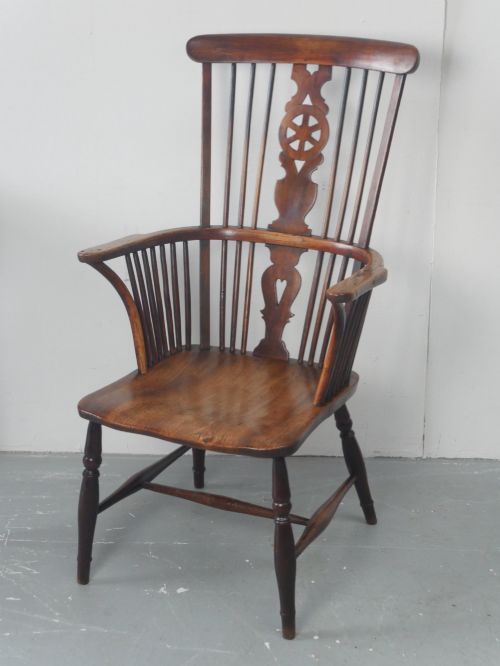
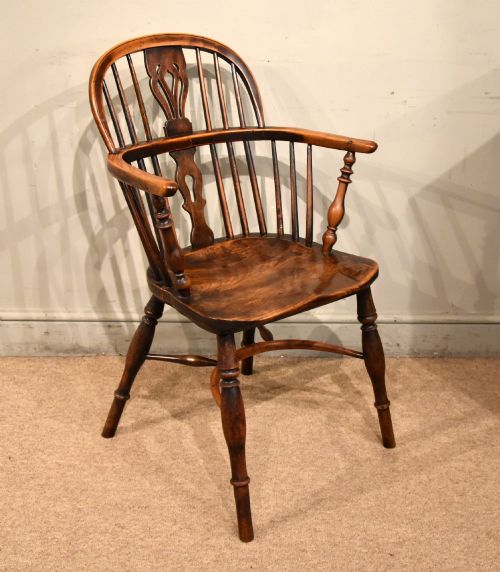
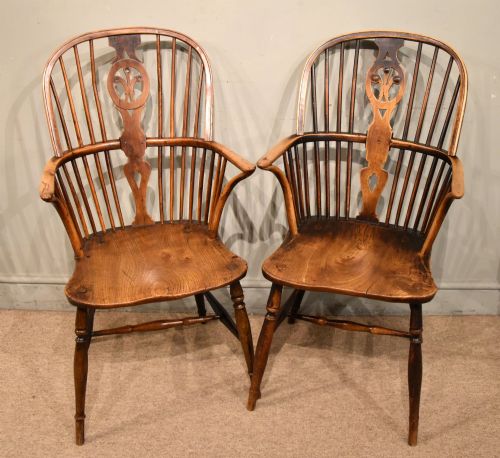
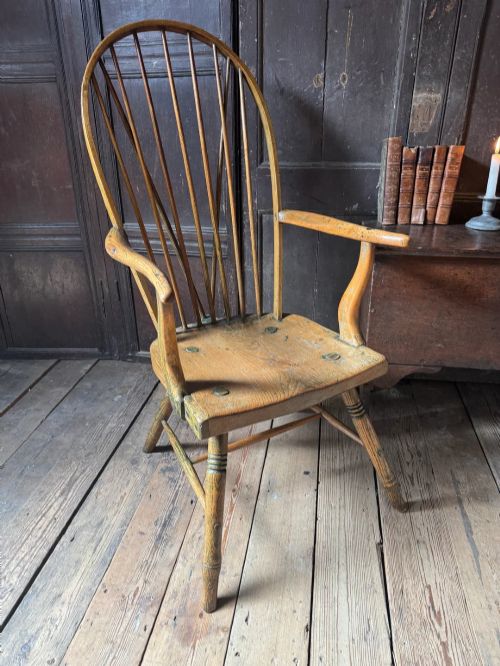
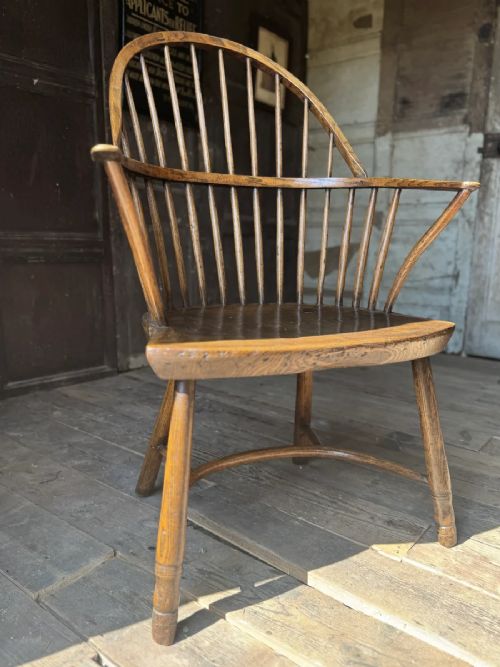
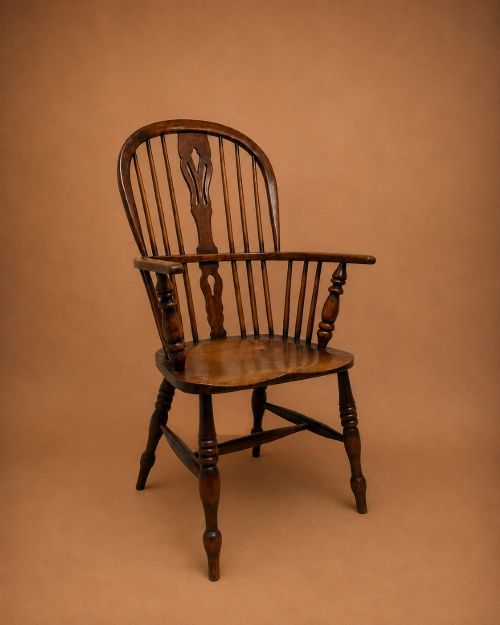
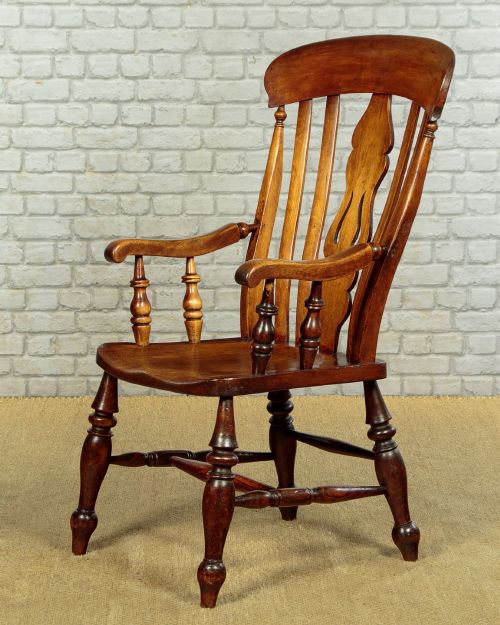
Quality rests in the balance of proportions, the depth of the saddle seat, and the clarity of the turnings on the arm supports and legs. Superior examples display carefully sculpted comb backs and well-matched grain across the ash and elm components.
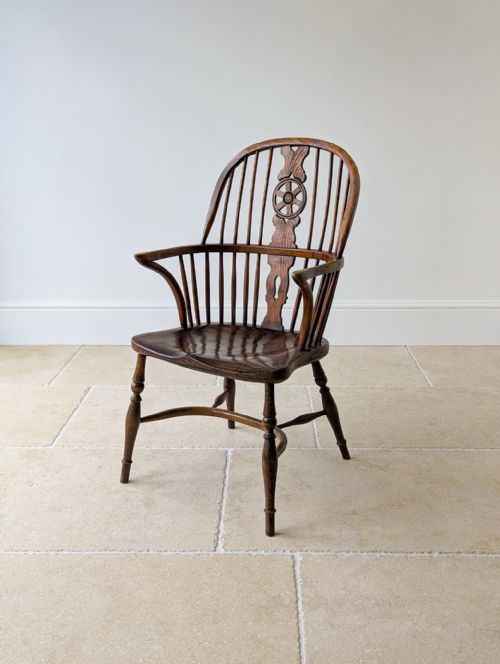
The integrity of the original joints and the presence of untouched surface patination separate honest vernacular survivors from heavily restored or altered seating. Subtle regional details, such as a crinoline stretcher or distinctive wheelbacks, elevate individual pieces.
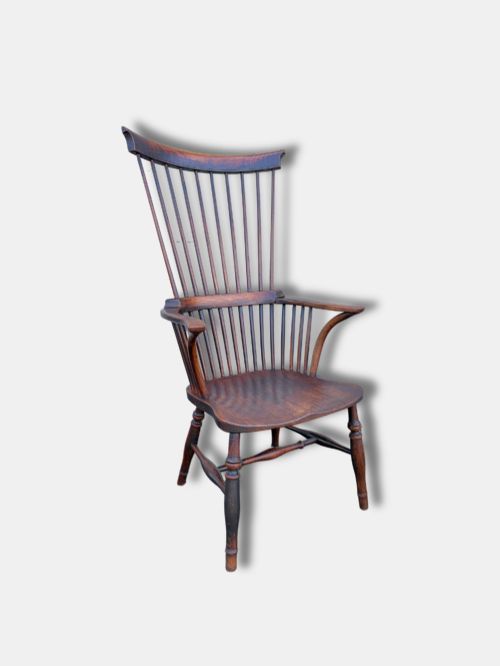
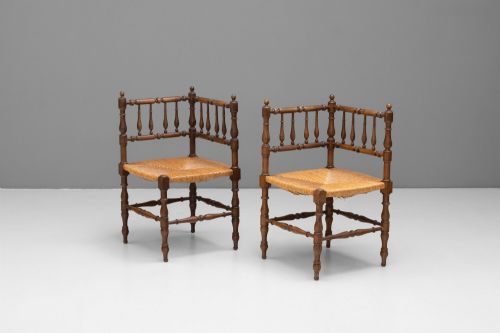
Among the rugged farm timbers and spinning wheels, a lone Swedish folk art armchair sneaks in to watch the English windsors gossip.
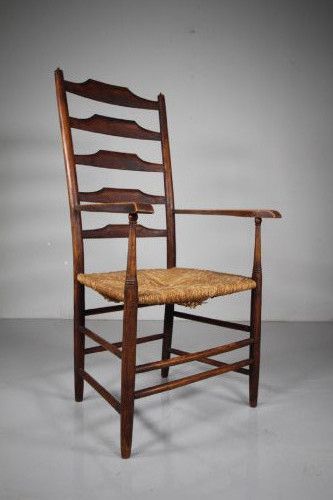
Philip Clissett·Gabbitass Worksop maker
The Traditional Rustic Armchair Glossary
- Windsor chair
- A wooden chair built with a heavy solid timber seat into which the legs and back spindles are separately inserted. The design relies on turned components and bentwood elements for structural support.
- Comb back
- A Windsor chair back design where the vertical spindles extend upward to support a horizontal top rail resembling a traditional hair comb. This style appears frequently on eighteenth and nineteenth-century English country chairs.
- Crinoline stretcher
- An arched underframe connecting the legs of a Windsor chair to provide stability. It forms a curved loop beneath the seat, typical of West Country and eighteenth-century regional pieces.
- Vernacular furniture
- Domestic objects made by local craftsmen for everyday use, following traditional regional patterns rather than high-style metropolitan fashions. These pieces utilise locally available timbers such as elm, ash, and beech.
Traditional Rustic Armchair: Frequently Asked Questions
How do I identify a Windsor chair?
A Windsor chair is distinguished by its solid wooden seat, which acts as the central anchor for both the legs below and the spindles or back bow above. Unlike upholstered seating, the structural framework remains entirely visible.
Regional variations further define them, such as hoop backs, comb backs, or low backs, often paired with sculpted elm seats and turned ash underframes.
Where were these country armchairs made?
These chairs originated in rural workshops across various English counties, including Yorkshire, Lincolnshire, and the West Country. Local bodgers and country joiners utilised timber harvested directly from nearby woodlands.
As a result, construction styles and wood combinations often reflect the specific traditions of the region where the maker operated.
What woods were used in these chairs?
Makers relied heavily on native British hardwoods chosen for specific structural properties. Elm provided a tough, non-splitting surface for carved saddle seats, while ash and beech offered strength for bentwood backs and slender turned spindles.
Oak and yew also appear, particularly in earlier vernacular pieces and regional windsors.
How do I live with a rustic armchair?
A traditional rustic armchair works well in contemporary or period interiors as an accent piece, desk chair, or fireside seat. Their organic timber tones and honest construction complement minimalist and eclectic spaces alike.
Placing them away from direct heat sources helps preserve the stability of the antique wood and its original surface finish.