


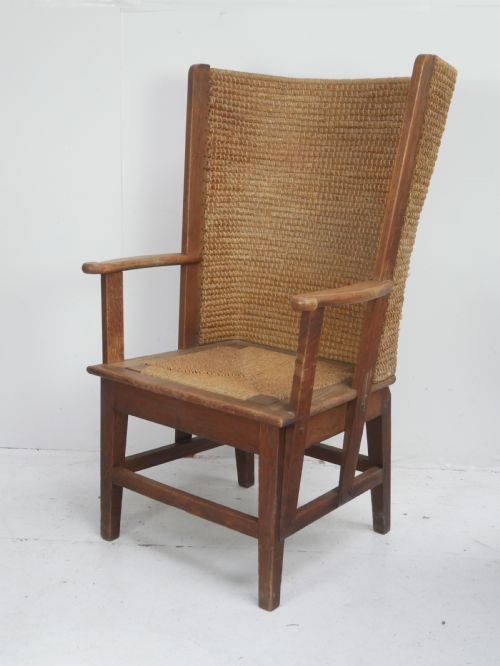

Traditional Rush Armchair
A traditional rush armchair brings honest craftsmanship and woven texture into a room, shaped by country makers using native timbers and natural sea grass.
Traditional Rush Armchair
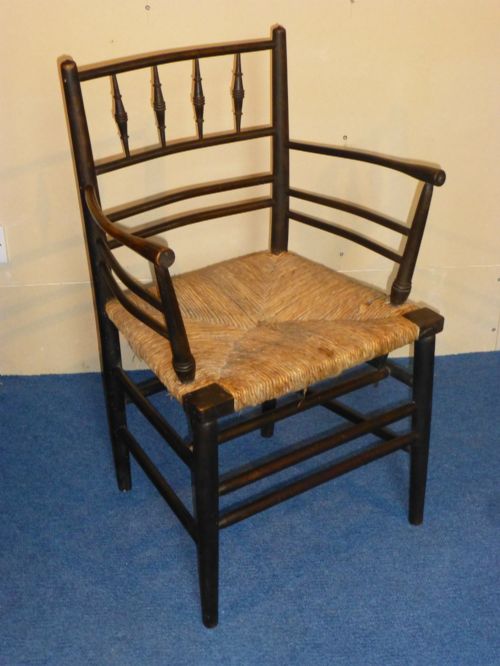
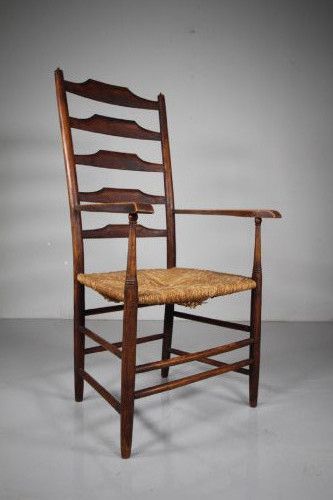
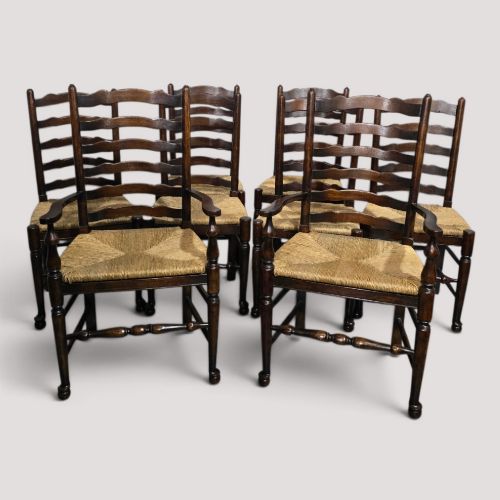
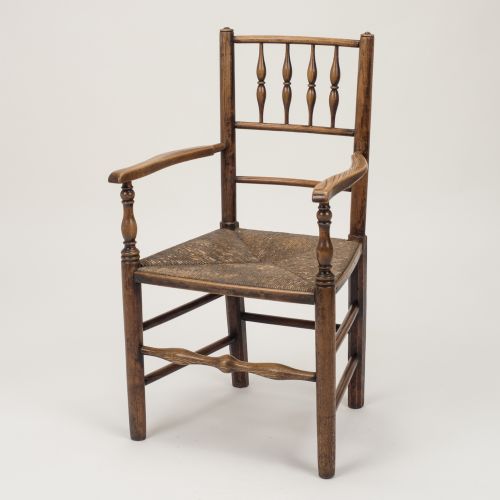
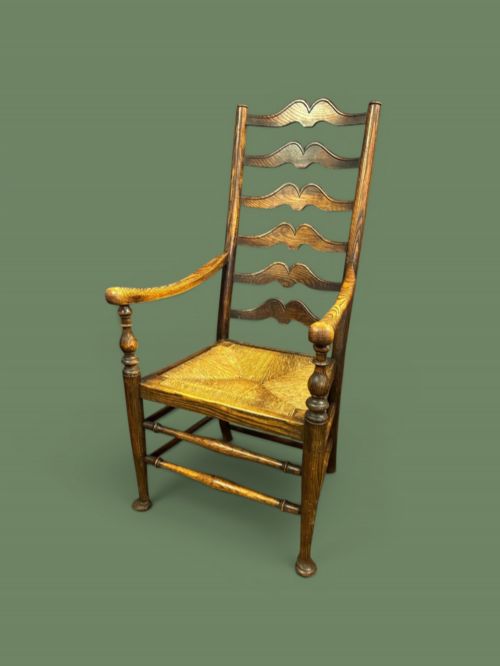
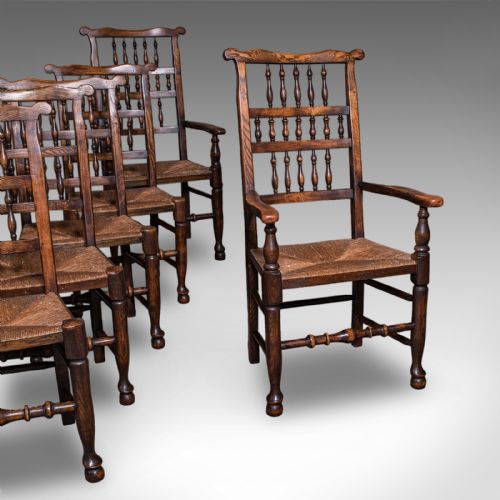
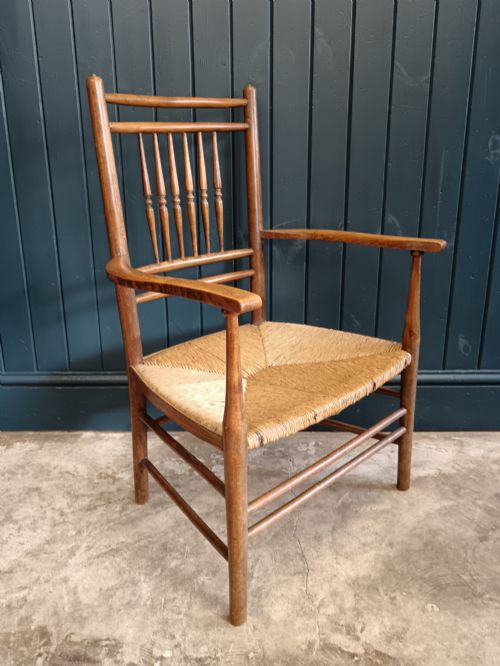
When you search for a traditional rush armchair, you encounter robust seating shaped by vernacular woodworking traditions across the British Isles. These chairs combine turned or bent wooden frames with hand-woven seating surfaces designed for daily utility. Most examples you meet here emerge from regional workshops, ranging from Lancashire and Cheshire ladderbacks to Scottish crofter designs and Arts and Crafts interpretations.
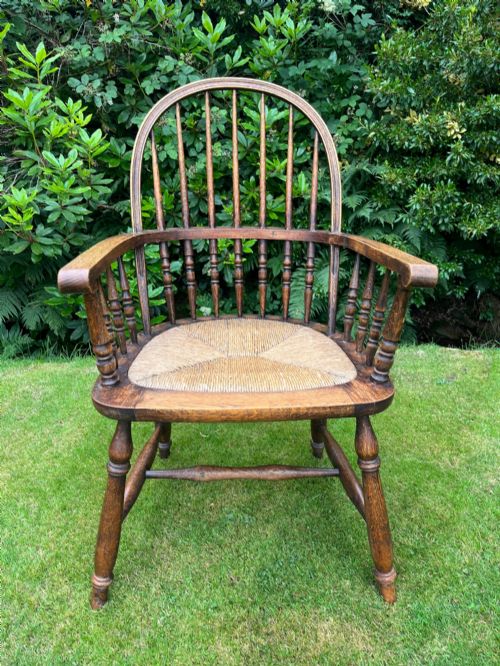
The forms span low fireside models, rocking chairs, and substantial carvers intended for farmhouse kitchens and libraries. Oak, elm, ash, and beech form the structural skeletons, while twisted rush or straw creates the durable seat pad. You encounter pieces spanning the Georgian era through the Victorian period and into the early twentieth century, reflecting enduring rural joinery methods.
How They Were Made
Local joiners and turners constructed frames using native hardwoods selected for specific structural demands. Ash and beech provided strength for slender spindles and ladder backs, while elm and oak formed sturdy seats and corner framing. These timbers were often steam-bent or lathe-turned before being assembled with traditional pegged mortise and tenon joints.
The defining feature rests in the woven seating, executed using natural rush or straw wound tightly over wooden rails. Craftsmen built the pad by hand, creating a firm yet yielding surface that adapts to the sitter over decades. Some frames retained their natural timber finish, while others received coats of paint, ebonising, or staining according to regional preference and workshop style.
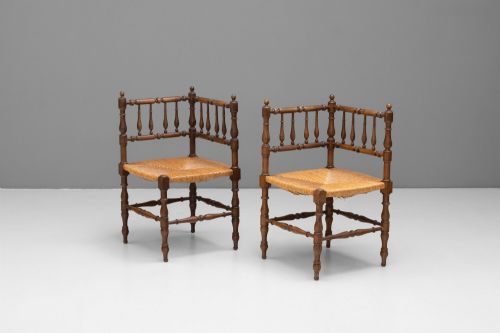
The selection includes child-sized rocking chairs, corner chairs, and low fireside armchairs alongside standard dining carvers.
What Varies in Quality
Quality in a traditional rush armchair rests on the integrity of the timber selection and the tightness of the frame construction. Superior pieces maintain their original joinery without excessive movement, utilising well-seasoned native woods that resist warping. The fineness of the spindle turning and the proportions of the arms and back rails separate standard utility furniture from finer vernacular work.
The condition and tightness of the rush seating also dictate the standard of the piece. Expertly twisted and densely packed rush remains firm and even across the rails, showing uniform tension throughout the weave. Original surfaces, whether unblemished timber grain or early painted finishes, preserve the historical character more effectively than later refinishing.
Morris & Co·Philip Webb·Philip Clissett·E W Godwin·Dicon Nance·Liberty & Co
The Traditional Rush Armchair Glossary
- Rush
- A marsh plant used for centuries to weave durable chair seats. It is twisted into continuous strands before being laced tightly around the seat frame.
- Ladderback
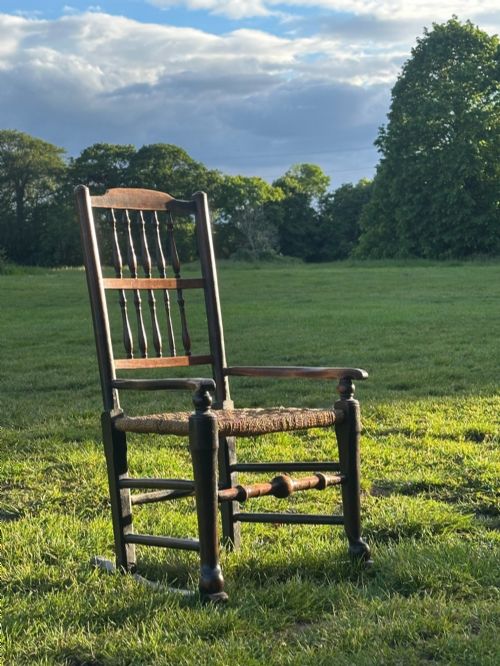
- A chair style featuring horizontal slats or bars between the rear upright posts. These slats are often curved to support the back of the sitter.
- Spindleback
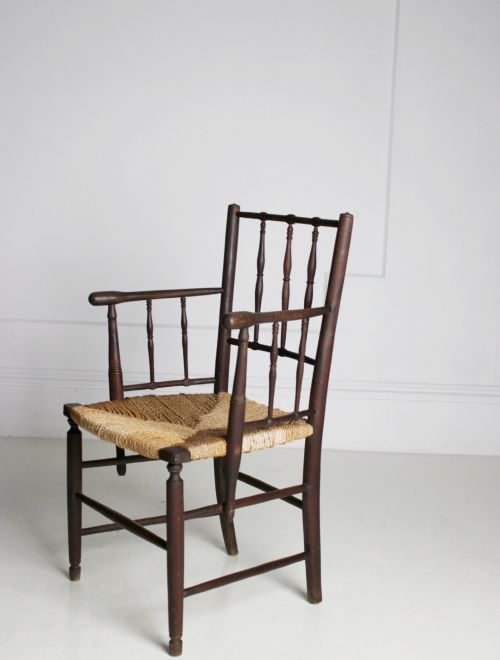
- A framework composed of numerous slender turned wooden rods set into the back rail. This construction lightens the load while providing flexible support.
- Vernacular
- Architecture and furniture created by local craftsmen using traditional regional techniques and native materials rather than high-style academic designs.
- Carver
- An armchair designed to match a set of dining chairs, typically featuring open arms and a slightly wider seat.
Traditional Rush Armchair: Frequently Asked Questions
How do I clean a rush seat?
Keep rush seats clean by brushing them gently with a soft attachment to remove dust from the crevices. Avoid using excess water or liquid cleaners, as moisture causes natural plant fibres to swell and degrade.
For stubborn marks, use a barely damp cloth and dry the area immediately with a clean towel. Placing the chair in a well-ventilated space helps preserve the strength of the woven straw.
Can broken rush seats be repaired?
Skilled restorers can re-weave damaged rush seats using traditional materials and techniques. The old weave is removed entirely before a fresh strand of dried marsh grass is laced around the structural rails.
Matching the gauge and tension of the original work ensures the chair retains its historical integrity and functional comfort. Professional re-weaving stabilizes the entire wooden frame by locking the corner posts firmly together.
Where were ladderback chairs made?
Ladderback armchairs were produced extensively in regional English workshops, particularly throughout Lancashire, Cheshire, and the West Country. Local turners utilised locally harvested ash, elm, and beech to build sturdy domestic seating for farmhouses and cottages.
Distinct turning patterns on the finials and upright posts often help identify the specific region or workshop where the chair originated.
What is an Orkney chair?
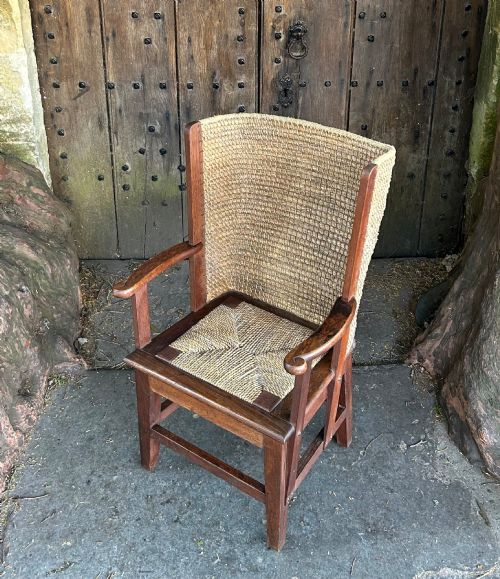
An Orkney chair is a distinctive regional seating form featuring a high woven straw back supported by a wooden frame. These chairs evolved to protect sitters from cold drafts in exposed northern coastal homes.
Traditional examples pair low wooden bases with meticulously coiled oat straw backs tied with split bramble or cord.
How do I date an old armchair?
Dating an armchair involves examining the tool marks, timber species, assembly methods, and wear patterns across the frame. Hand-turned spindles and pegged joints often indicate nineteenth-century or earlier rural craftsmanship.
Comparing the design characteristics with documented regional vernacular types helps narrow down the period of manufacture.