


Traditional Room Size Carpet
When you search for traditional room size carpet, you are looking for large hand-woven floor coverings designed to anchor substantial living spaces.
Traditional Room Size Carpet
A traditional room size carpet provides substantial floor coverage for larger spaces, originating from weaving traditions across Persia, Turkey, India, and China. Buyers searching for a traditional room size carpet encounter examples dating primarily from the late nineteenth century through the early decades of the twentieth century.
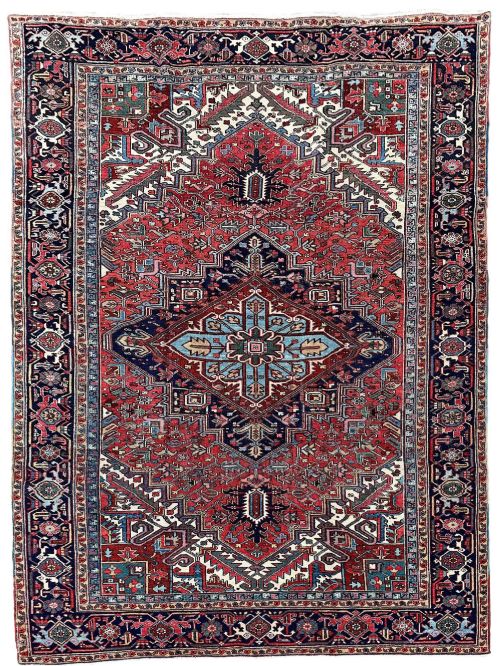
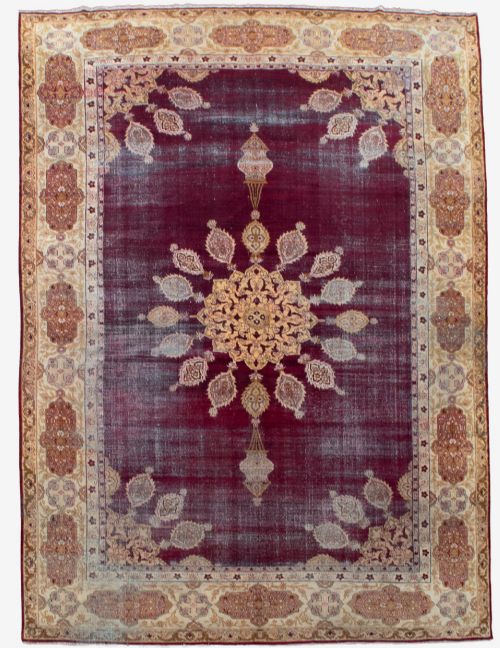
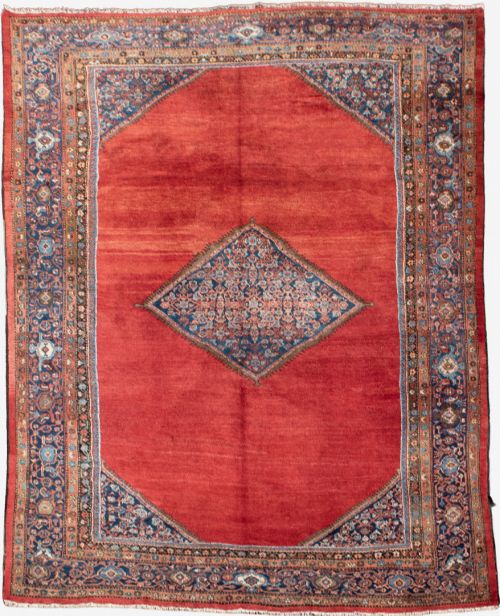
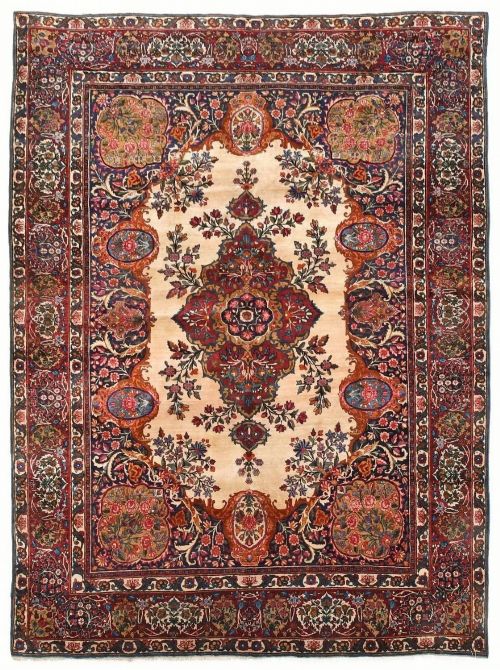
The selections span distinct regional weaving styles, including Heriz, Oushak, Kirman, and Amritsar. These large formats were woven to serve as the visual centrepiece of drawing rooms and country house interiors.
Materials and construction
These carpets are constructed primarily using wool pile foundations supported by cotton warps and wefts. The combination of durable wool and sturdy cotton provided the structural integrity required for large room formats subjected to heavy daily use.
Weavers employed hand-knotting and flat-weaving techniques to build intricate pile and kilim structures. Natural dye sources yielded the deep, enduring tones seen across nineteenth and early twentieth-century examples.
Listings feature wool and cotton carpets spanning the nineteenth and twentieth centuries, including Persian Heriz, Oushak, and Amritsar styles.
Variations in quality
Quality in these carpets rests upon the density of the knotting and the precision of the design execution. Finer examples display meticulous handling of traditional motifs and balanced compositional layouts across expansive fields.
The depth and nuance of the palette further separate standard production from exceptional country house pieces. Superior wool quality contributes to longevity and a rich tactile presence underfoot.
Ziegler and Co
The Traditional Room Size Carpet Glossary
- Pile
- The upright yarn loops or tufts that form the usable soft surface of a carpet. This layer bears the direct wear of foot traffic while displaying the woven pattern.
- Warp
- The vertical threads stretched taut on a loom before weaving begins. These foundation threads run the entire length of the carpet.
- Weft
- The horizontal threads passed across the warp threads to lock the knots in place. Together with the warp, they form the sturdy grid of the carpet foundation.
- Kilim
- A flat-woven carpet or rug produced without a raised pile. These pieces rely on interlocking weft threads to create geometric patterns.
- Medallion
- A large central ornamental design motif placed in the middle of the carpet field. This focal point often anchors the surrounding floral or geometric layout.
Traditional Room Size Carpet: Frequently Asked Questions
What is a traditional room size carpet?
A traditional room size carpet is a large hand-woven textile designed to cover significant floor areas in spacious rooms. These pieces originate from historic weaving centres in Persia, Turkey, India, and China.
They serve both a decorative and a practical purpose, providing warmth and defining the layout of traditional interiors. Most surviving examples date from the Victorian and Edwardian eras.
How do I care for my carpet?
Regular gentle vacuuming without a rotating brush helps remove surface dust from the wool pile. Professional cleaning by specialists in antique textiles is essential for long-term preservation.
Keeping the carpet out of direct, harsh sunlight prevents the natural dyes from fading prematurely. Rotating the piece every year ensures even wear patterns across the floor.
How do I identify different regional styles?
Regional styles are distinguished by their specific colour palettes, medallion structures, and border motifs. For instance, Heriz carpets often feature bold geometric central medallions, while Oushaks display softer floral sprays.
Examining the weave density and the materials used in the foundation provides further clues to origin. Comparing piece structures helps separate Persian workshop carpets from Indian Amritsar or Turkish examples.
Where were these carpets originally used?
These large formats were commissioned for substantial country houses, formal drawing rooms, and estate reception spaces. Their generous dimensions were tailored to anchor heavy antique furniture groupings.
Today, they continue to function effectively in large modern living rooms, dining spaces, and libraries. Their enduring structural quality allows them to withstand contemporary domestic use.