




Northwest Persia Carpet
These robust northwest persia carpet pieces bring centuries of tribal and village weaving tradition straight to your floor.
Northwest Persia Carpet
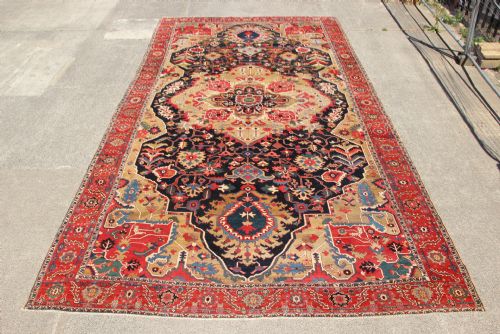
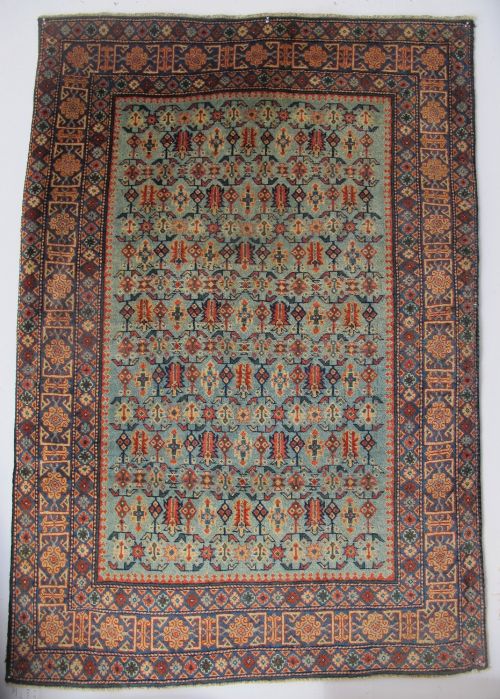
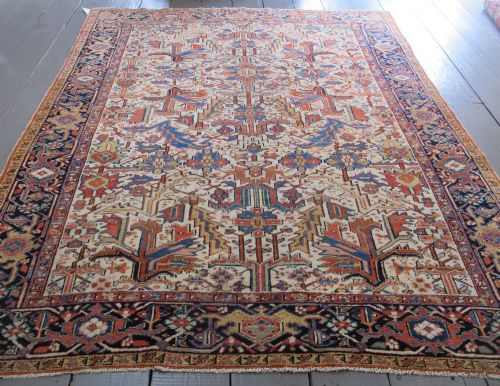
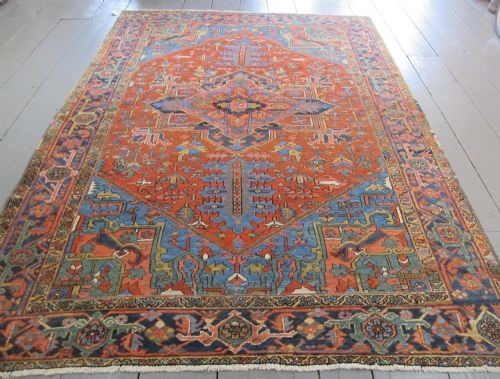
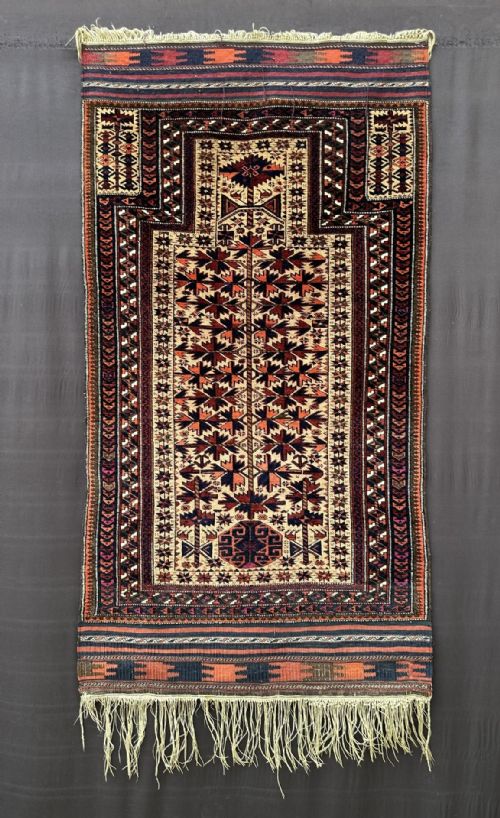
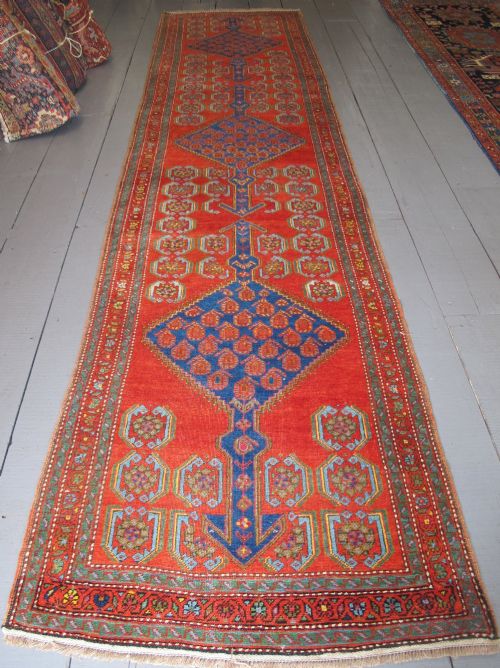
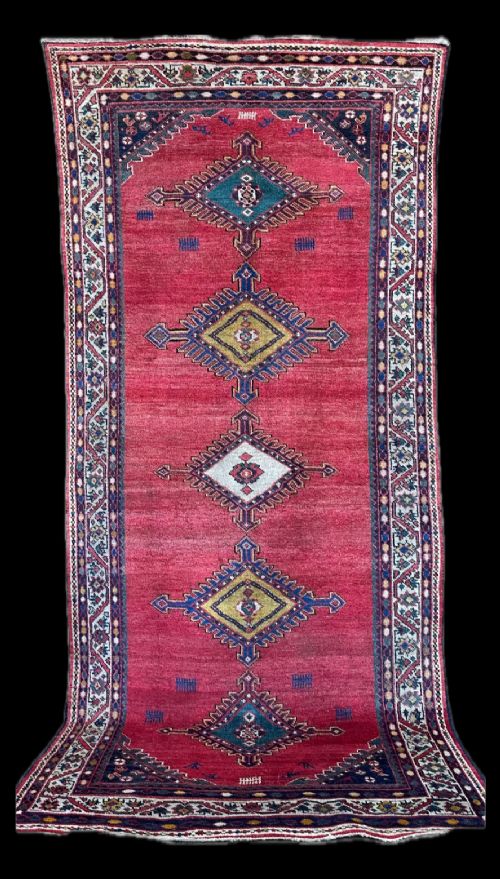
When you search for a northwest persia carpet, you encounter large area carpets, long runners, and smaller rugs woven across mountain villages and regional centres. The pieces on this page span the late nineteenth century through to the early twentieth century, showing the distinct output of communities such as Heriz, Serapi, Tabriz, Bakshaish, Karadja, and Feraghan.
These floor coverings range from intimate tribal prayer-rugs to room-sized carpets measuring over six metres in length. Most examples originate from specific districts known for bold geometric medallions, repeated field patterns, and robust structural integrity suited for domestic use.
How they were made
The makers relied primarily on hand-knotted wool pile secured onto cotton foundations, combining durability with supple handling. Artisans used natural dye sources to achieve deep terracotta grounds, indigo blues, and contrasting ivory accents that mellow gracefully over decades of wear.
Weavers constructed these textiles on upright vertical looms, utilising asymmetric or symmetric knots tied firmly along warp and weft threads. Dense packing of the rows created a stiff, heavy fabric capable of withstanding heavy foot traffic in corridors and reception rooms.
Listings feature pieces spanning five distinct decades from 1880 to 1930, utilising wool and cotton materials.
What varies in quality
Quality rests upon the fineness of the knotting density and the crispness of the drawn design across the field. Master weavers achieved sharper geometric outlines and more complex border rhythms, whereas simpler village pieces display charming irregularities in drawing and scale.
The depth and saturation of the wool pile dictate tactile richness, while the preservation of original outer selvedges and end finishes preserves structural integrity. Finer town carpets from centres like Tabriz exhibit intricate floral curves, contrasting with the bold, architectural geometry typical of rural Heriz and Serapi production.
Benlian
The Northwest Persia Carpet Glossary
- Heriz
- A region in northwest Persia renowned for durable carpets featuring large geometric medallions and substantial corner spandrels. These designs often incorporate strong terracotta and navy tones.
- Serapi
- A sub-category of Heriz carpet from the nineteenth century characterised by a more open, spacious central medallion and a lighter palette. They represent some of the most sought-after village weaves from the region.
- Bakshaish
- A style originating from a village near Heriz, known for stylized, abstracted tribal motifs and warm, earthy colour schemes. The drawing frequently appears more whimsical and archaic than standard town carpets.
- Kelleh
- A long, narrow room carpet format traditionally used alongside larger floor coverings in Persian domestic interiors. They suit narrow spaces and long hallways exceptionally well.
- Feraghan
- A district in northwest Persia famous for producing finely knotted rugs with repeating Herati or crab patterns across dark indigo or ivory fields. These pieces demonstrate exceptional wool quality and tight knot counts.
Northwest Persia Carpet: Frequently Asked Questions
How do I clean an antique carpet?
Professional specialist cleaning remains essential for fragile antique wool pile to protect natural dyes and historical foundations.
Regular gentle surface vacuuming without a beater bar removes loose grit safely between professional treatments.
Where should I place a runner?
Long narrow formats suit high-traffic hallways, entrance corridors, and gallery spaces where structural durability matters.
Ensure you install a quality underlay beneath the textile to prevent sliding and reduce pile friction against hard floors.
How do I distinguish Heriz from Serapi?
Serapi carpets generally date to the nineteenth century, showing more spacious designs, muted palettes, and fine, open fields.
Standard Heriz pieces from later periods typically feature denser geometric detailing, stronger primary colours, and heavier overall structural framing.
Can these carpets handle heavy foot traffic?
Hand-knotted wool construction on sturdy cotton foundations provides remarkable natural resilience for everyday household environments.
Rotating the rug periodically ensures even wear patterns across areas exposed to direct sunlight or heavy foot traffic.