







Traditional Red Tribal Carpet
A traditional red tribal carpet brings warmth and rich cultural pattern to a floor through enduring wool construction and time-tested village weaving traditions.
Traditional Red Tribal Carpet
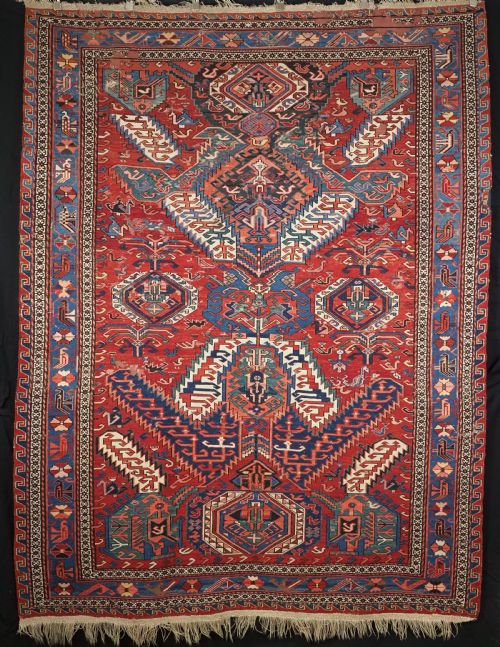
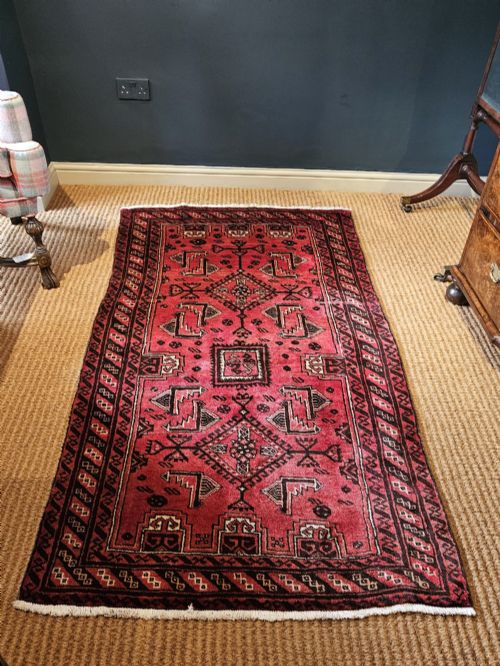
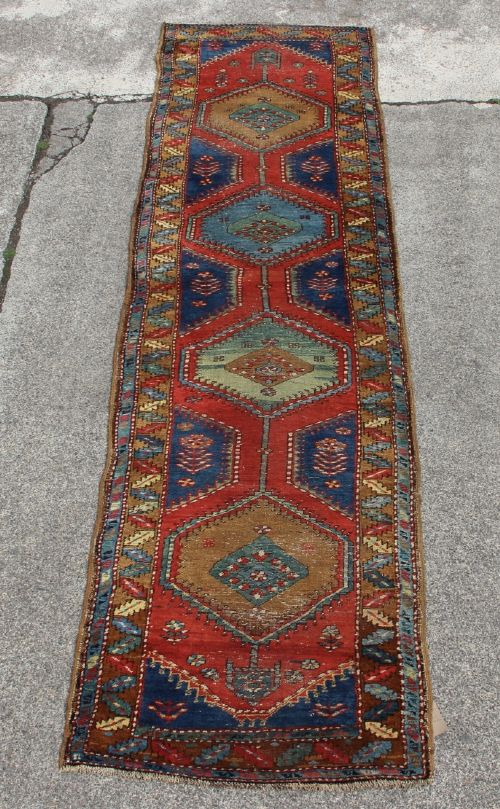
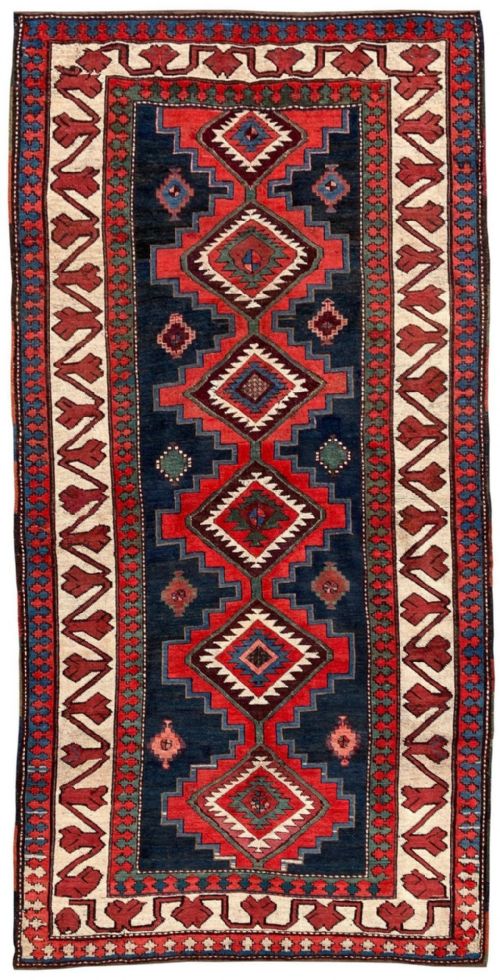
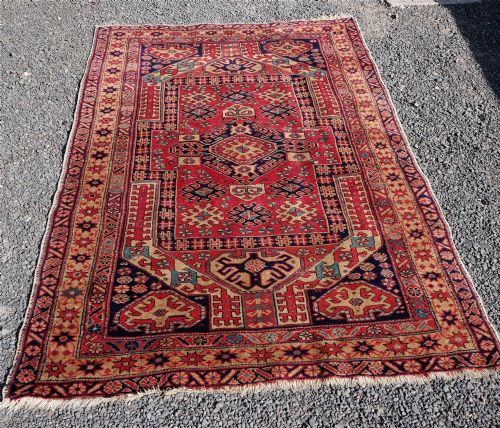
When you search for a traditional red tribal carpet, you are looking at hand-woven floor coverings originating from nomadic and village workshops across Persia, the Caucasus, Anatolia, and Turkmenistan. These textiles span the nineteenth and early twentieth centuries, reflecting regional weaving idioms passed down through generations.
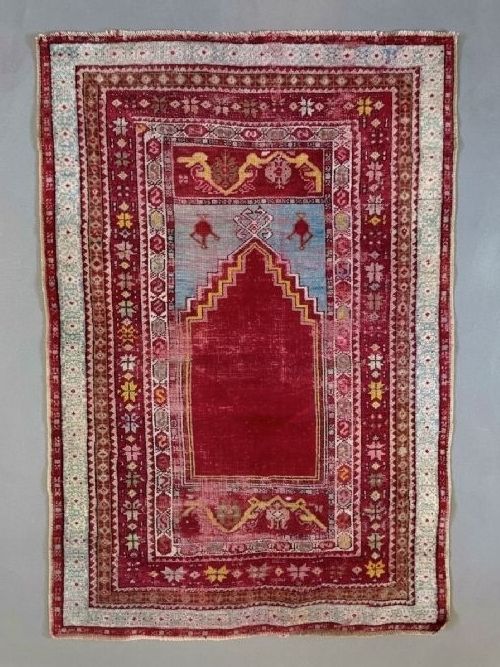
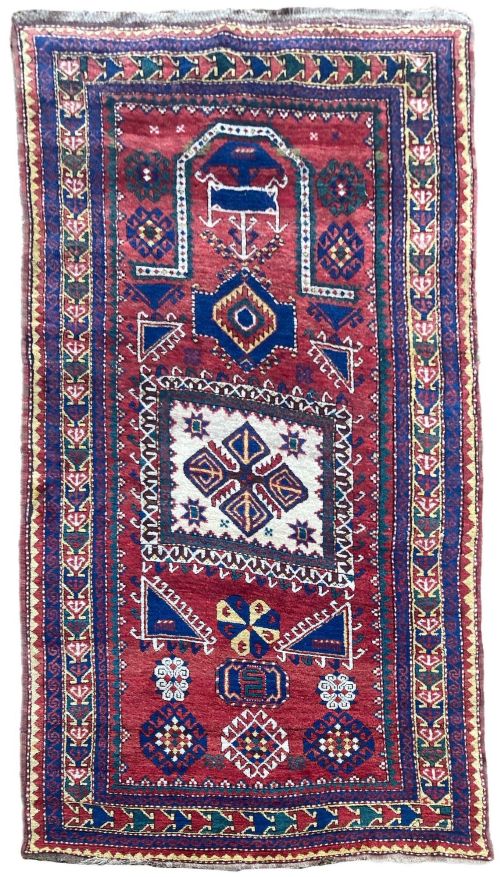
The selections available here include formats such as area rugs, long hallway runners, prayer rugs, and larger carpets. Most examples date from the late nineteenth century up to the 1930s, displaying characteristic crimson and madder red grounds paired with geometric or medallion motifs.
Buyers choose these pieces to anchor a room with genuine age and organic colour. Each rug represents a specific tribal or village identity, ranging from Baluch and Bakhtiar to Kazak and Ersari designs.
Materials and Construction
These carpets rely heavily on wool, pure wool, and hand-spun wool for their pile, foundation, and structural warps and wefts. Cotton also appears in foundations for certain Persian and village examples, providing stable geometry.
Weavers utilised natural dyes to achieve deep red tones, ranging from bright madder to rich rust and terracotta. The hand-knotting technique creates a dense, durable pile designed to withstand generations of daily use.
Some weavers cleverly hid tiny asymmetric tribal symbols within rigid geometric medallions, leaving secret signatures in the wool.
Assessing Quality and Character
Quality in these textiles depends upon the density of the knotting and the handled crispness of the wool. Finer examples display precise geometric drawing and harmonious dye saturation across the field.
The depth and complexity of the natural dyes influence visual longevity. Superior pieces maintain rich secondary tones that complement the dominant red ground without fading muddy.
The Traditional Red Tribal Carpet Glossary
- Prayer Rug
- A smaller format rug featuring a mihrab or arch design at one or both ends, traditionally used for daily prayer.
- Runner
- A long, narrow carpet format designed specifically for hallways, corridors, and staircases.
- Natural Dyes
- Organic colorants derived from plants, insects, and minerals, producing the nuanced reds seen in older village rugs.
- Warp
- The vertical foundation threads stretched tightly on the loom onto which the wool knots are tied.
- Kilim
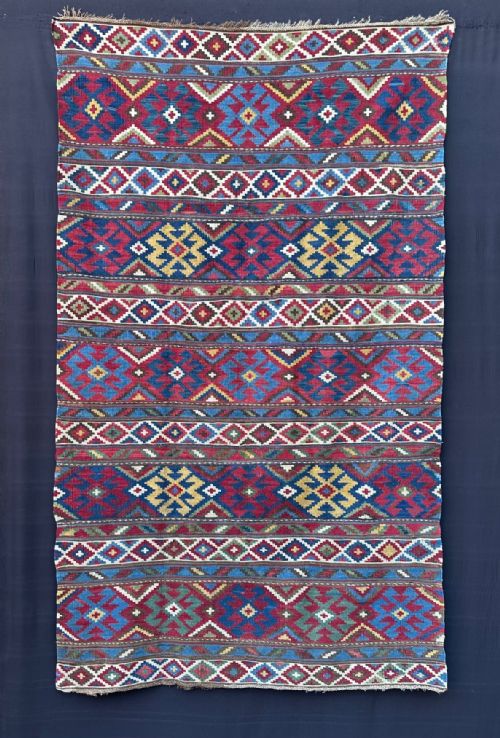
- A flat-woven carpet or rug made without a knotted pile, created by tightly interlocking warp and weft threads.
Traditional Red Tribal Carpet: Frequently Asked Questions
How do I care for a vintage wool rug?
Vacuum gently without using a rotating beater bar to protect the delicate hand-spun wool pile.
Professional cleaning by a specialist familiar with antique textiles is recommended every few years to preserve the natural dyes.
Are these carpets suitable for heavy traffic?
Traditional wool carpets woven with natural materials are remarkably resilient and handle everyday foot traffic well.
Using a quality underlay helps absorb impact and prevents the rug from slipping on hard floors.
How can I tell where a rug was made?
Regional characteristics such as specific knotting structures, palette choices, and geometric motifs point directly to tribal origins.
Designs associated with groups like the Kazak, Baluch, or Ersari exhibit distinct visual signatures.
What does a prayer niche signify?
The pointed arch or mihrab shape mimics the architectural prayer niche found in mosques, directing the user toward Mecca.
In domestic settings, this design element became a traditional decorative format prized for its symmetry.