





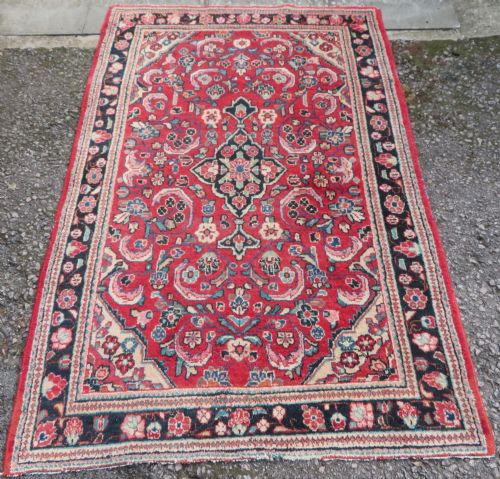
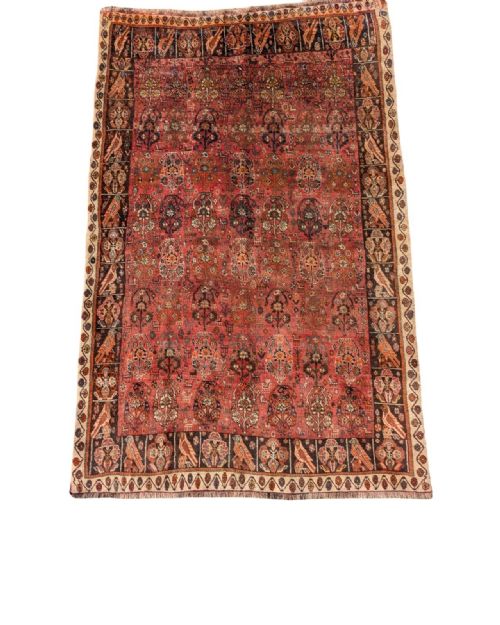
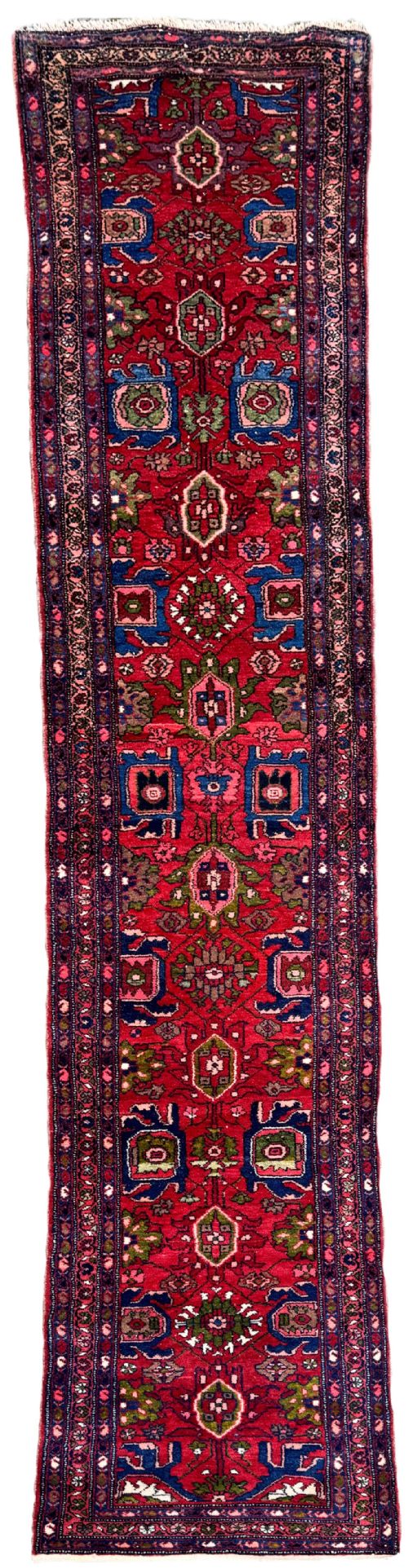
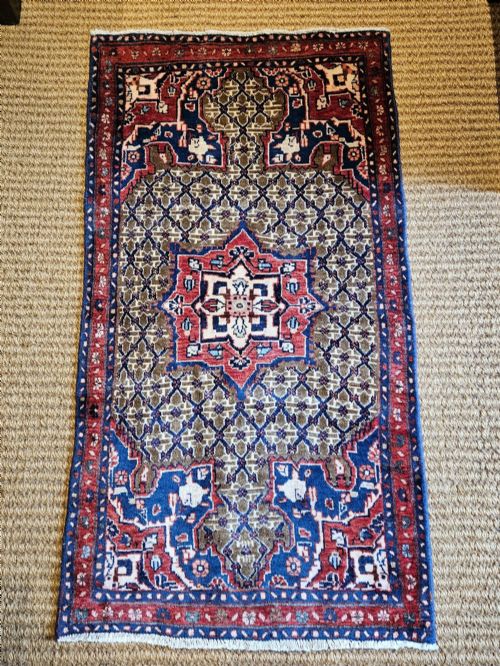
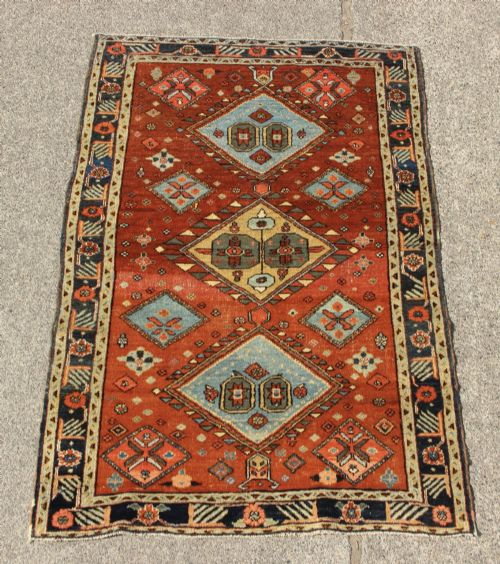

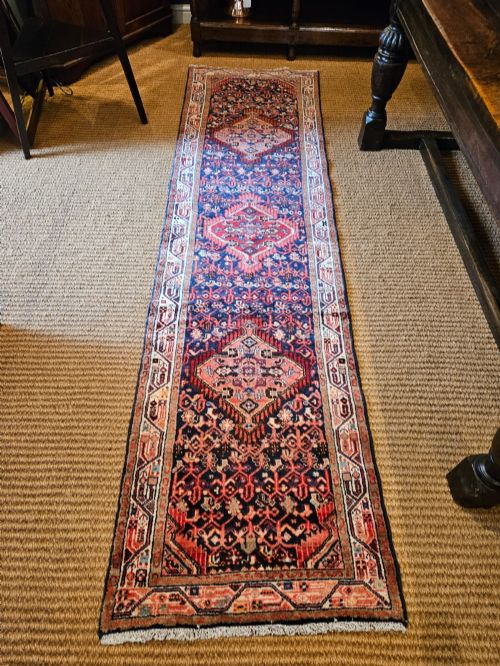
Traditional Red Persian Runner
A traditional red persian runner brings warmth and geometric rhythm to a hallway, hand-knotted by village and tribal weavers to endure generations.
Traditional Red Persian Runner
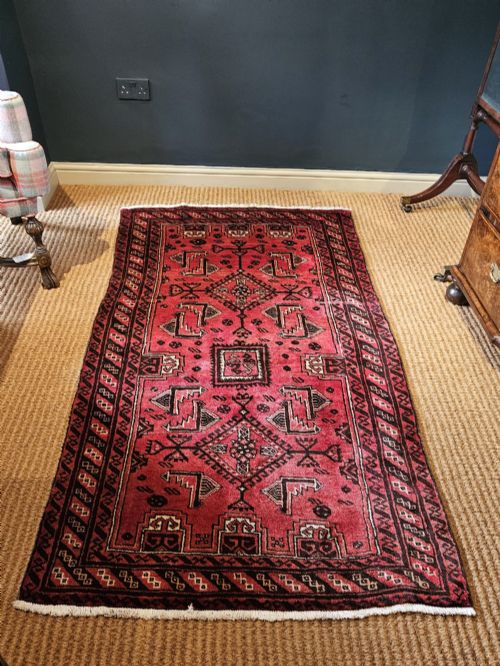
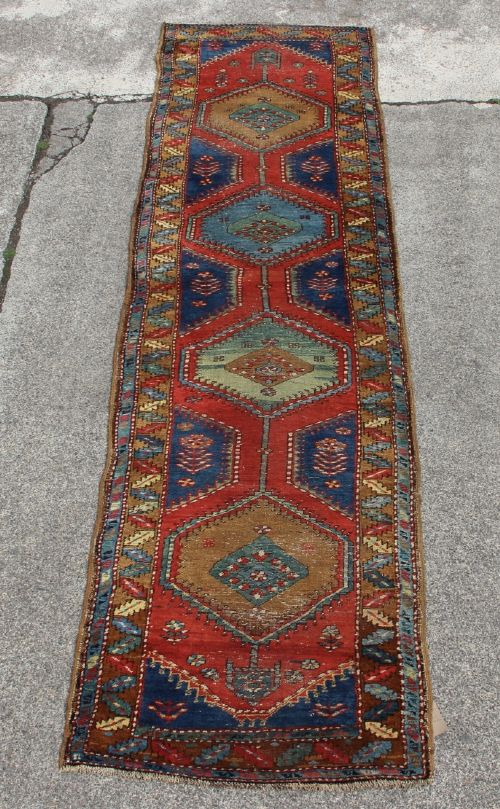
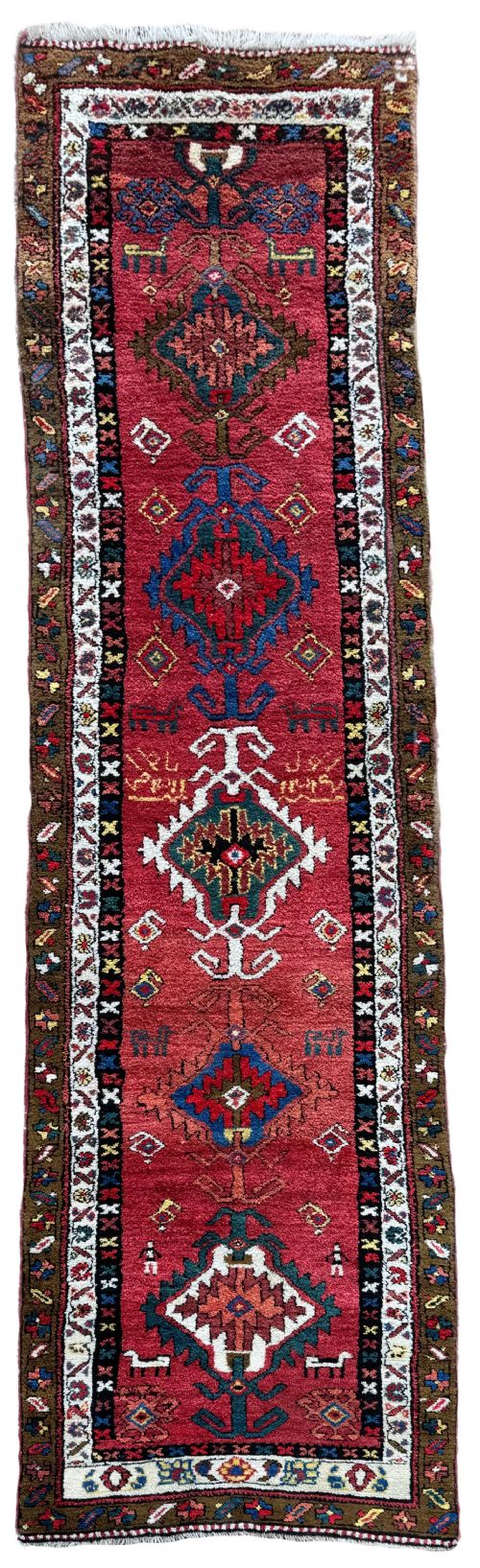
A traditional red persian runner is a long, narrow floor covering designed specifically for corridors, hallways and landings. These pieces originate from various weaving traditions across Persia, spanning the nineteenth and early twentieth centuries.
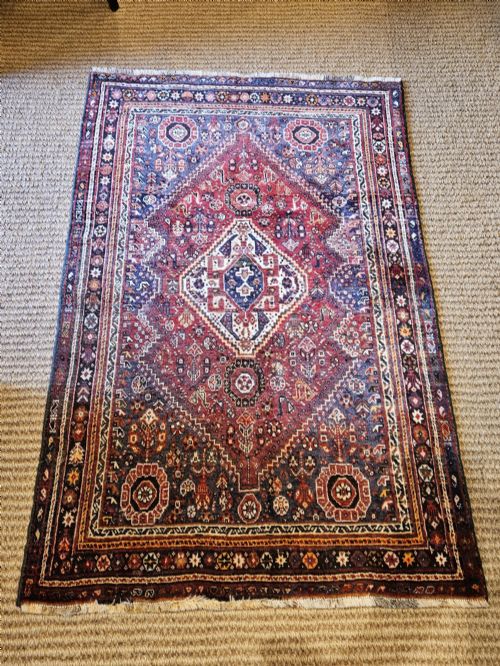
Buyers encountering this group will find hand-knotted wool creations bearing tribal and village patterns. Makers utilised rich red dye grounds decorated with intricate medallions, repeating boteh motifs and geometric vines.
The selections range from compact hallway lengths to substantial multi-metre carpets produced in regions such as Hamadan, Heriz and Saroukh. Each piece reflects the specific decorative vocabulary of its originating district or tribe.
How they were made
Weavers constructed these runners using hand-spun wool for both the pile and the foundation threads, often incorporating cotton for warp and weft stability. Artisans knotted the wool by hand onto vertical looms, creating dense structures designed for heavy domestic traffic.
Natural dyestuffs provided the characteristic deep red backgrounds, derived from insect and plant sources that matured gracefully over decades. Skilled hands finished the long edges with sturdy selvedges and secured the ends with braided fringes.
Some extended hallway survivors stretch past thirty feet in length, originally commissioned for rambling country houses.
What varies in quality
Quality rests primarily in the density of the knotting and the crispness of the design execution. Finer examples display precise geometry and intricate secondary motifs that remain sharp across the entire length of the runner.
The choice of wool and the depth of the palette also distinguish superior pieces. Well-preserved foundations and even wear across the pile indicate careful historical maintenance and robust original construction.
Saroukh Mahal Carpet·Antique Bakhtiar Rug·Antique Heriz Runner·Antique Hamadan Runner·Antique Bidjar Rug
The Traditional Red Persian Runner Glossary
- Boteh
- A teardrop-shaped or almond-like motif filled with floral or paisley patterns. This ancient symbol appears frequently across traditional runner fields.
- Medallion
- A central ornamental design element placed in the middle of the rug field. Weavers often surround this focal point with intricate corner spandrels.
- Selvedge
- The reinforced side edges of a runner formed by wrapping the outermost warp threads. Sound selvedges prevent the pile from unravelling along the length.
- Warp
- The vertical foundation threads stretched tightly on the loom before knotting begins. These strong cotton or wool threads support the entire weight of the piece.
- Weft
- The horizontal threads passed back and forth between rows of knots to bind the structure together. Proper beating of the weft ensures a tight, durable fabric.
Traditional Red Persian Runner: Frequently Asked Questions
Where do I place a traditional red persian runner?
These narrow formats suit hallways, stair landings, corridors and entrance passages where linear flooring adds definition and warmth. Their elongated proportions guide the eye through transitional spaces.
Ensure you measure the available floor space carefully, leaving a uniform border of exposed wood or stone around the perimeter for a balanced look.
How do I care for an antique wool runner?
Vacuum the piece regularly using low suction without a rotating brush roll to protect the vintage wool pile. Rotate the runner periodically to distribute foot traffic evenly across the surface.
Professional cleaning by specialists in antique textiles ensures the natural lanolin in the wool remains nourished over decades of use.
How do I distinguish regional Persian runner styles?
Examine the geometry and palette of the field, as regions like Heriz favour bold architectural medallions, whilst Hamadan pieces often show all-over repeating motifs. Tribal weaves from Kurdish or Baluch makers display distinct, spontaneous interpretations of traditional patterns.
The density of the knotting and the choice of foundation materials also offer clues to the specific district of origin.
Are these runners durable enough for daily hallways?
Hand-knotted wool construction over sturdy cotton foundations provides exceptional resilience for heavy domestic foot traffic. The dense pile absorbs pressure and conceals everyday dust remarkably well.
Placing a quality underlay beneath the runner prevents slipping and cushions the fibres against hard subfloors.