



Blue Geometric Persian Rug
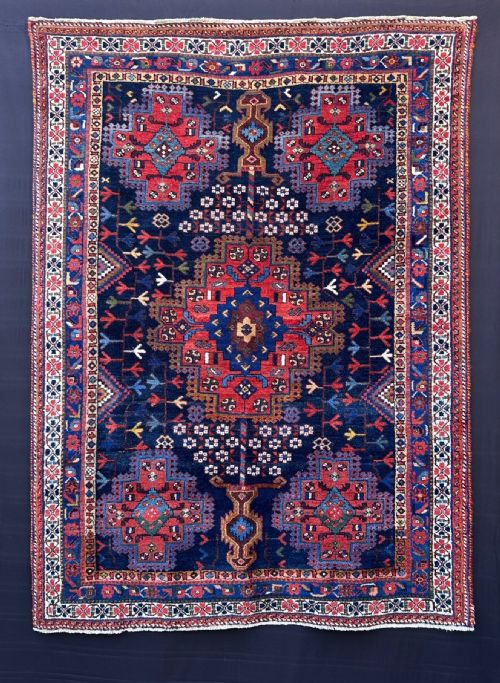
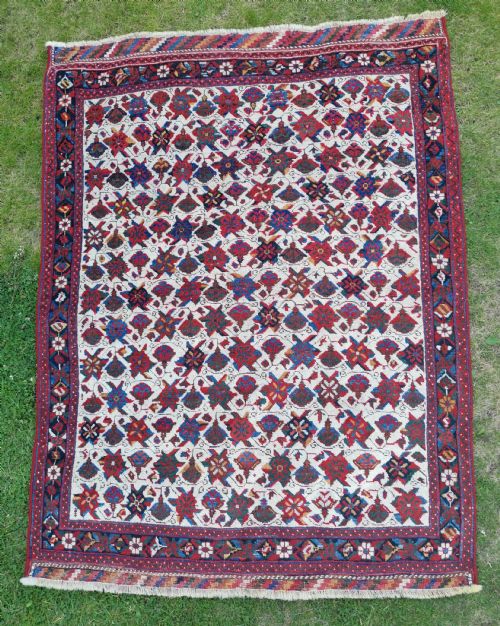
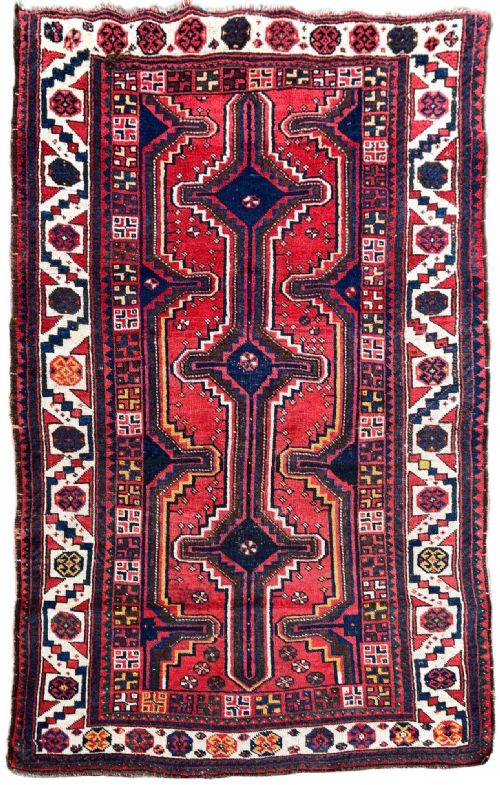
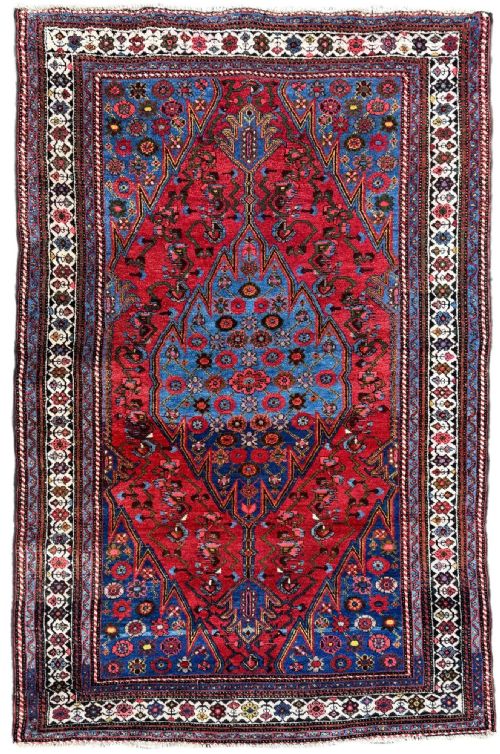
A blue geometric persian rug anchors a room with structured tribal patterns and deep indigo tones woven by village and nomad hands.
Blue Geometric Persian Rug
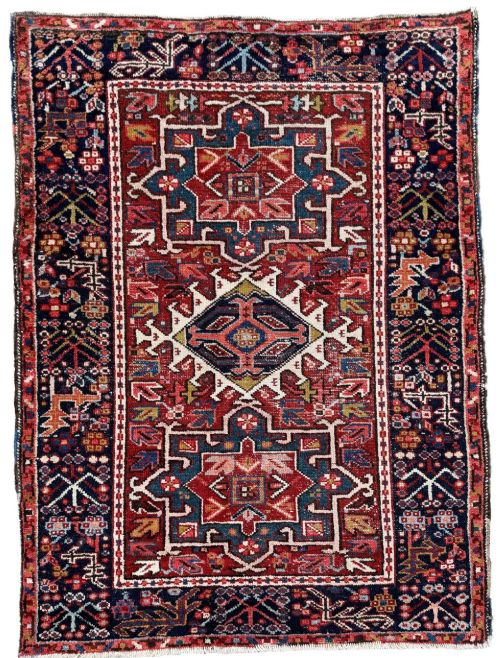
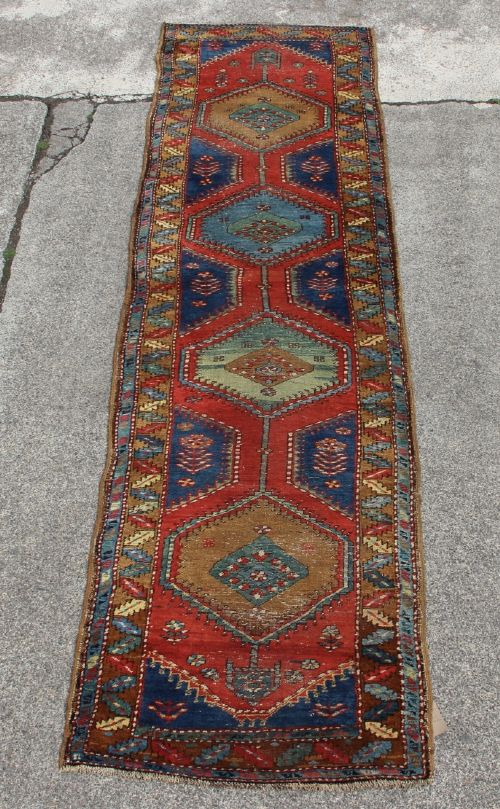
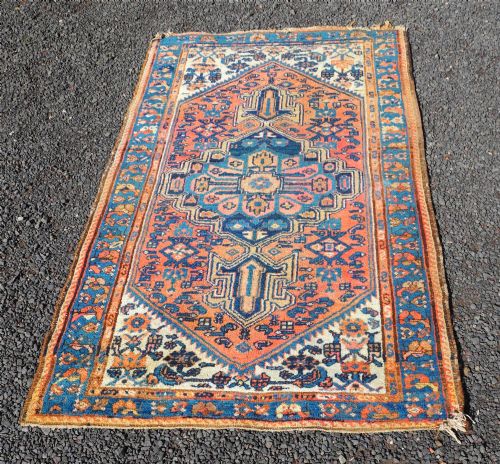
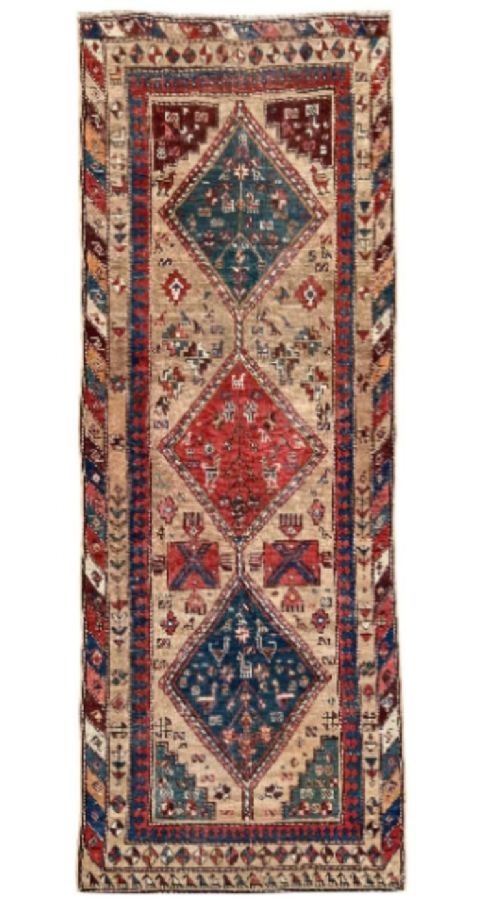
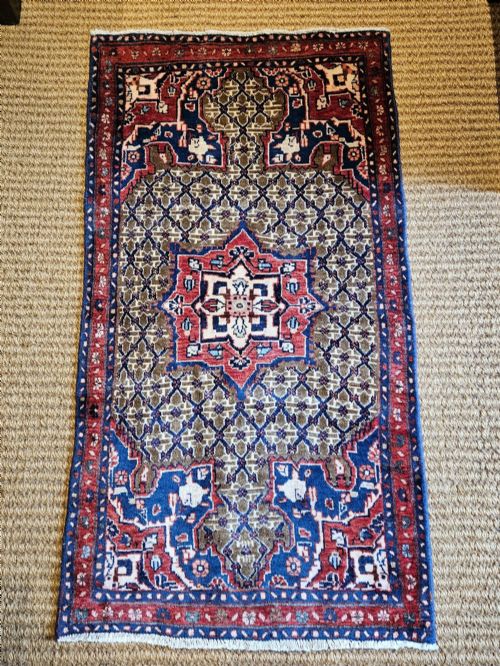
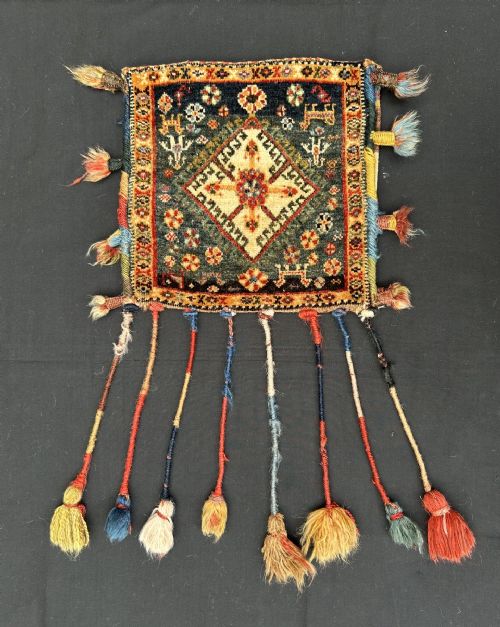
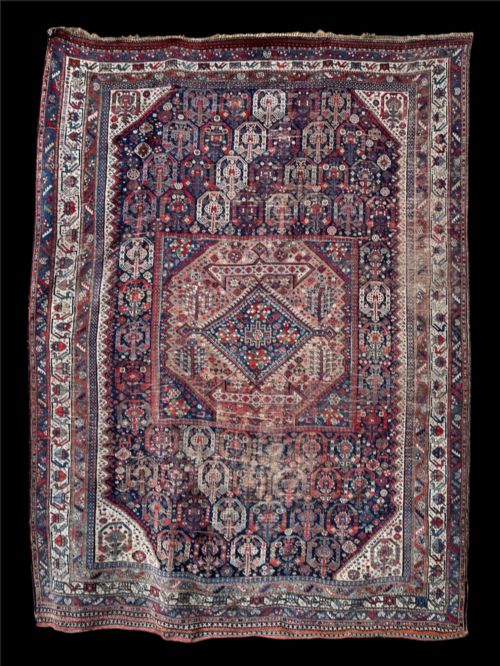
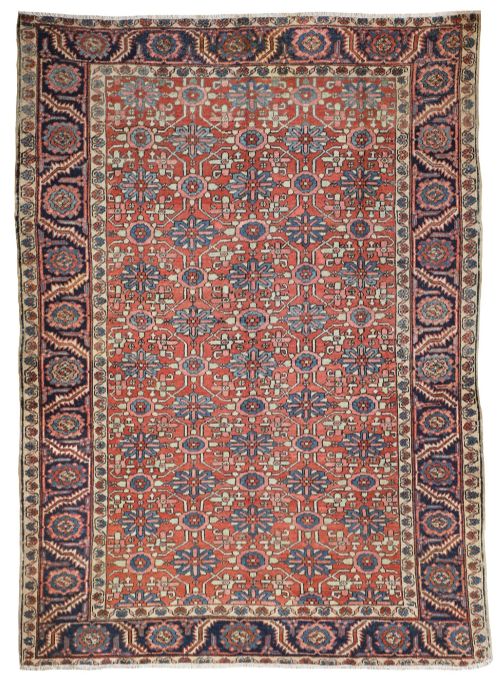
A blue geometric persian rug brings together traditional village and tribal styles, ranging from large Heriz carpets to smaller Khamseh, Afshar, and Hamadan pieces. These works display structured medallions, angular lattices, and repeat motifs rooted in regional weaving customs.
The pieces on this page span the late nineteenth century through to the early decades of the twentieth century. Format choices vary widely, moving from room-sized carpets down to narrow runners and small hearth-sized rugs.
Makers include various tribal confederacies and regional workshops across Persia, producing both room-scale carpets and compact utilitarian bags. The design vocabulary leans heavily on geometric abstraction rather than flowing floral curves.
Materials and construction
Construction relies upon hand-spun wool knotted onto sturdy cotton foundations, yielding a dense pile designed for daily wear. Natural dyes provide the characteristic palette, creating deep blues and varied abrash colour shifts across the field.
Weavers worked from memory or tribal tradition rather than printed charts, resulting in subtle irregularities within the repeated geometric layouts. The knotting technique secures the heavy wool pile firmly to the warp and weft threads.
Nomadic weavers occasionally inserted deliberate small errors into geometric patterns to ward off the evil eye and demonstrate human imperfection.
Assessing quality and execution
Quality rests in the crispness of the geometric drawing and the saturation of the natural dyes. A finer knot count permits sharper delineation of medallions and borders.
The condition of the wool pile and the integrity of the original selvedges dictate the overall preservation state. Strong contrasts in the indigo and secondary tones elevate the visual impact of the composition.
Afshar Tribes·Bakhtiari Tribal
The Blue Geometric Persian Rug Glossary
- Medallion
- A large central ornamental design element placed in the middle of the carpet field. This focal motif often dictates the geometry of the surrounding corners.
- Abrash
- A natural variation in wool colour caused by changes in dye batches or hand-spun yarn lots. This tonal shift appears as gentle horizontal bands across the rug.
- Warp
- The vertical foundation threads stretched lengthwise on the loom before knotting begins. The exposed fringe at either end of the rug consists of these finished threads.
- Weft
- The horizontal threads passed across the warp strands between rows of knots to secure the pile. These threads tighten the structure of the woven fabric.
- Selvedge
- The finished side cord formed by wrapping extra warp threads to prevent the edges from fraying. Original selvedges indicate a well-preserved textile.
Blue Geometric Persian Rug: Frequently Asked Questions
How do I clean an old wool rug?
Surface dust is best removed through gentle suction without a rotating brush head. Professional textile cleaners who understand vegetable dyes should handle deeper washing.
Water saturation must remain controlled during any maintenance to prevent the wool fibres from weakening or shrinking.
Where should I place a long runner?
Narrow formats suit high-traffic corridors, hallways, and bedside placements where linear designs can stretch visually. Their proportions help guide movement through architectural spaces.
Underlay beneath the textile prevents slipping and reduces friction between the wool pile and hard flooring.
What causes colour variations in the wool?
Natural dye baths absorb differently into distinct batches of hand-spun wool over time. These subtle shifts are standard characteristics of traditional vegetable dyeing methods.
Sun exposure and age also interact with the indigo and madder pigments, deepening the tonal character.
How can I tell tribal rugs apart?
Distinction lies in the specific drawing of the geometric motifs, palette choices, and structural foundation materials. Different tribal groups utilised characteristic borders and knotting densities.
Regional traits often reveal whether a piece originated from a nomadic confederacy or a settled village workshop.