

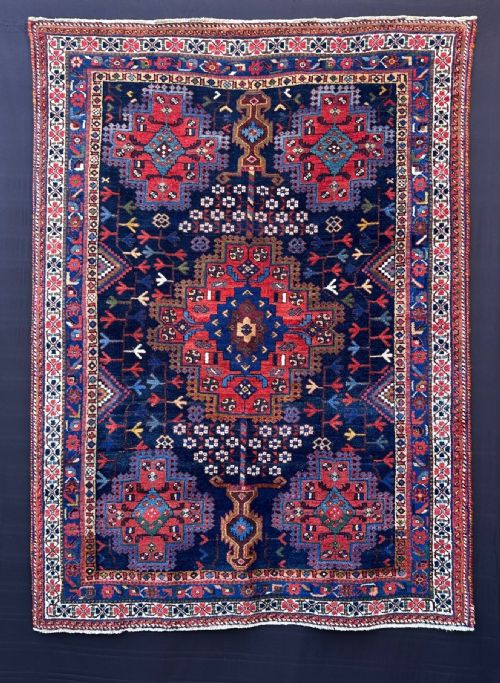


Traditional Red Persia Rug
A traditional red persia rug brings enduring warmth and intricate regional design to a floor through centuries-old weaving traditions.
Traditional Red Persia Rug
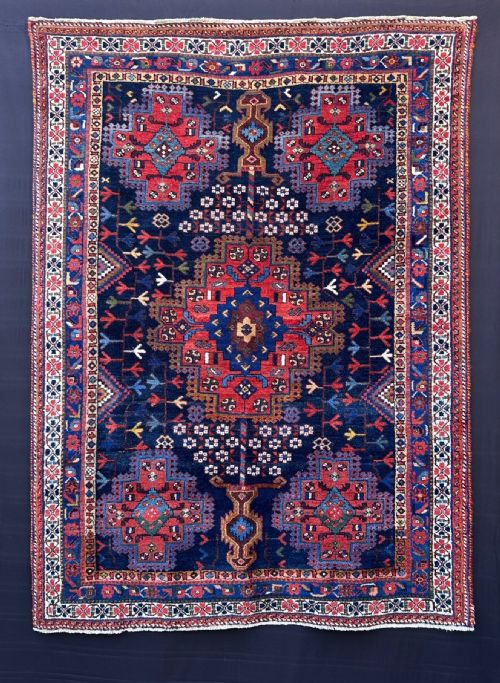
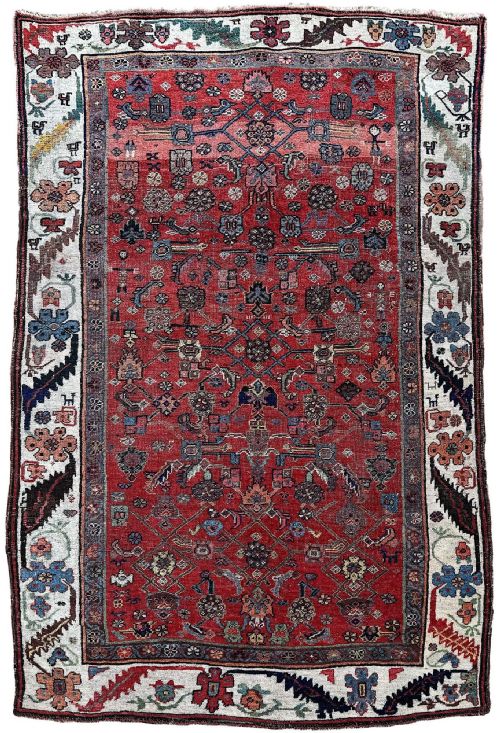
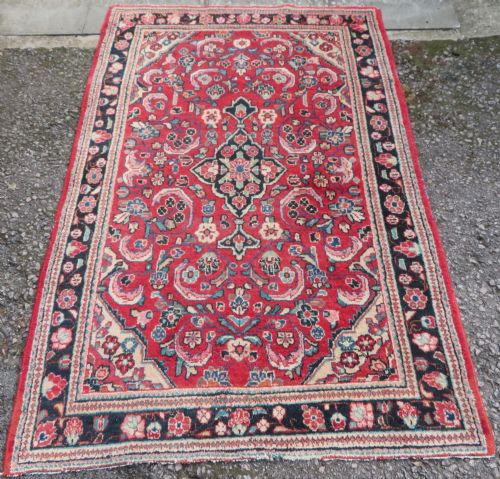
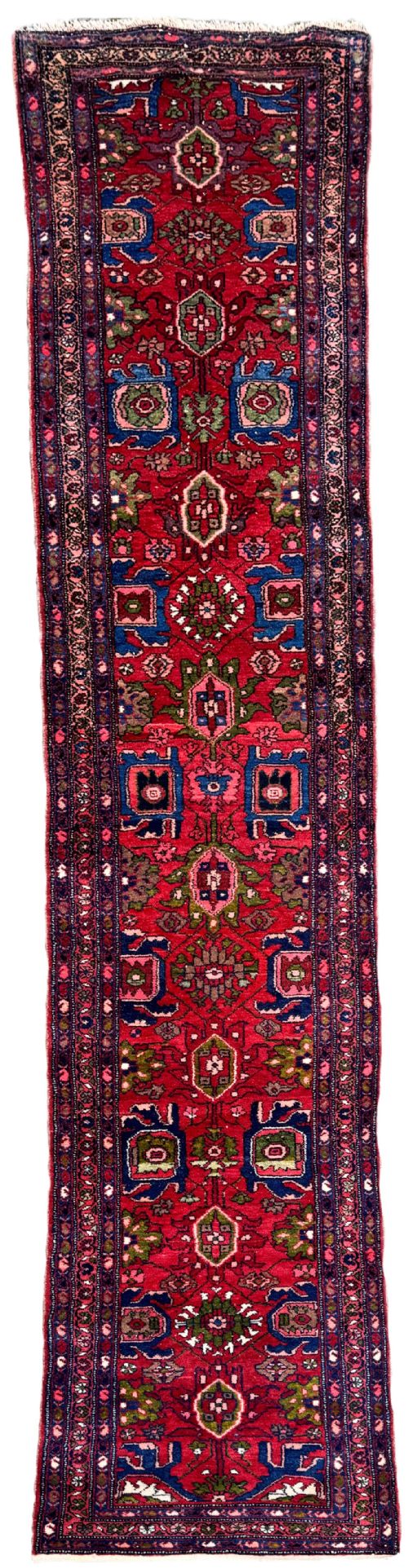
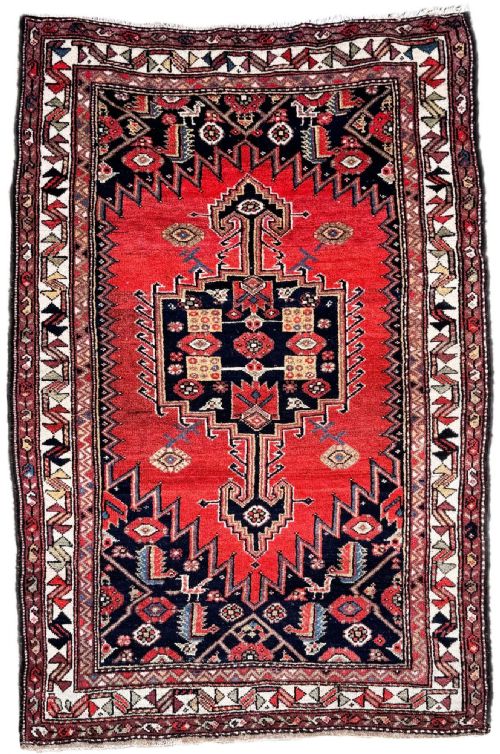
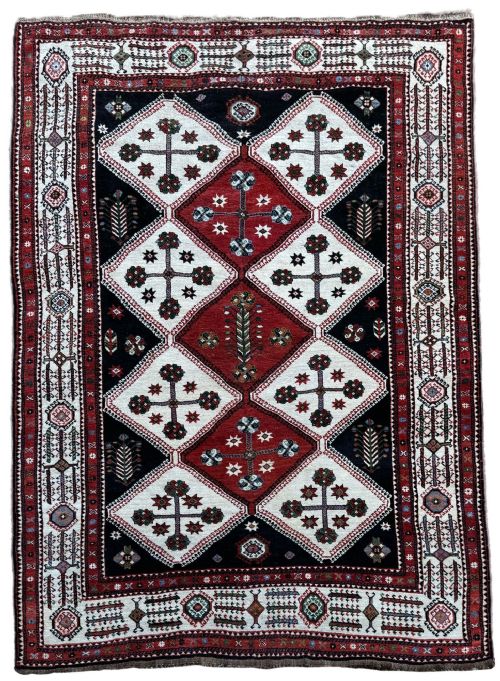
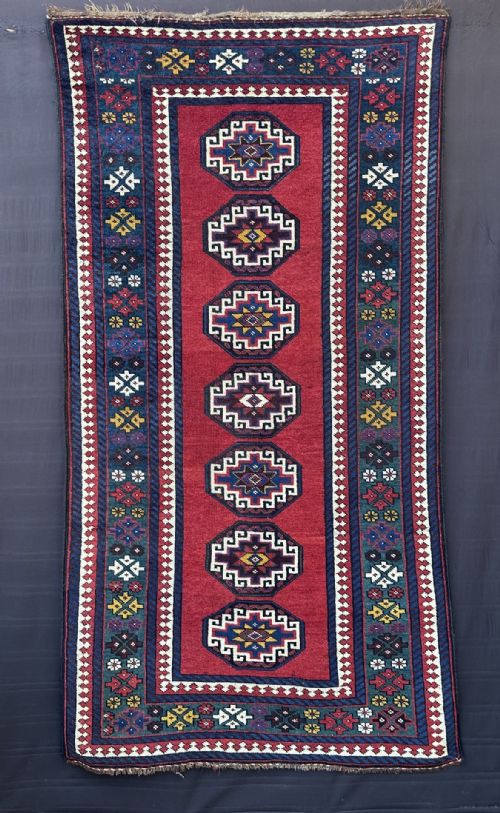
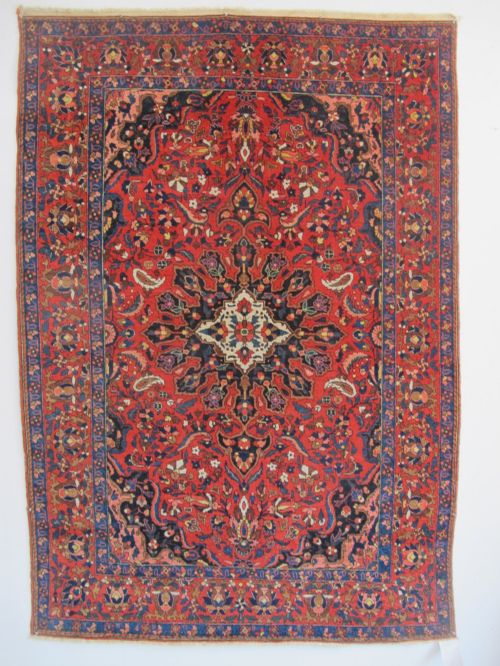
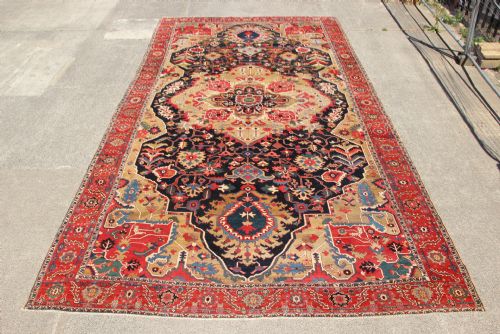
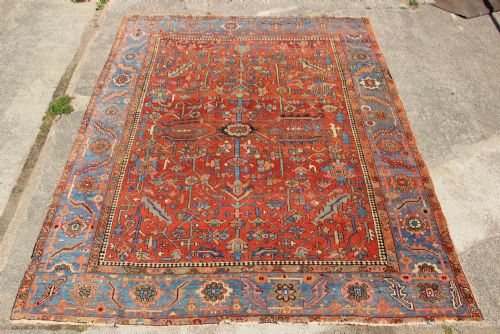
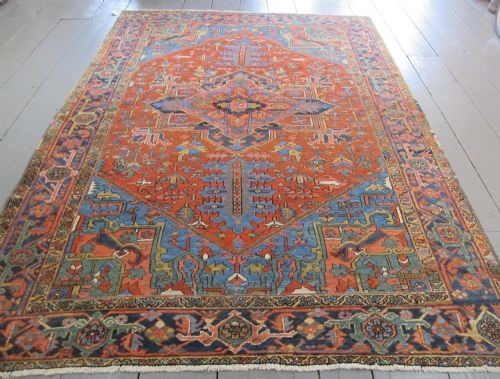
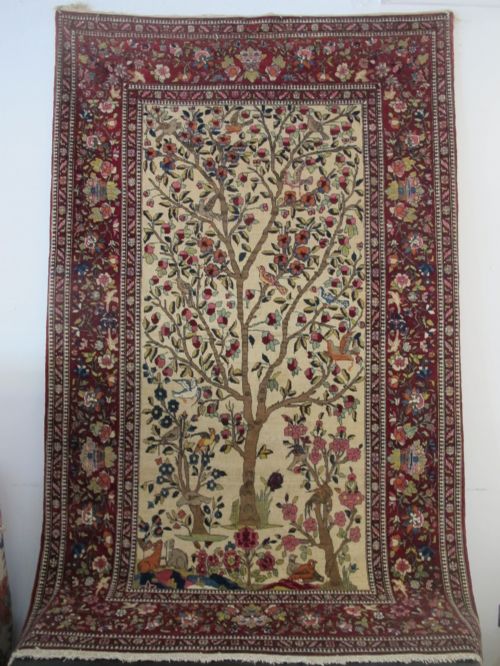
When considering a traditional red persia rug, buyers encounter floor coverings originating from diverse Persian workshops, villages, and tribal confederacies dating from the nineteenth and early twentieth centuries. These pieces encompass large room-size carpets, narrow hallway runners, and smaller area rugs woven in wool, cotton, and occasionally silk.
The selections available range from geometric village pieces like Heriz, Bidjar, and Hamadan to finely knotted urban centrepieces from Isfahan and Kashan. Tribal examples by Afshar, Qashqai, Bakhtiar, and Baluch groups also appear frequently, displaying distinct regional patterns and colour palettes dominated by rich madder reds.
Materials and construction methods
The construction of these floor coverings relies primarily on durable wool foundations and pile, often supported by cotton warp and weft threads to maintain structural integrity. Weavers utilised natural dyes derived from plants and minerals, with madder root providing the characteristic deep red hues seen across tribal and village pieces.
Nomadic and village weavers tied asymmetrical or symmetrical knots by hand on vertical or horizontal looms, resulting in varied pile densities suited to daily use. Urban workshops employed finer cotton foundations and tighter knotting techniques to execute intricate curvilinear floral motifs and medallions.
Certain nomadic dining sofres double as portable kitchen tables where families gathered to share meals on the move.
Distinctions in craftsmanship and materials
Quality in these woven textiles depends heavily on the precision of the knotting, the purity and preparation of the wool, and the complexity of the design execution. Tighter knot counts and finer materials generally indicate urban workshop pieces created for affluent patrons or specific commercial markets.
Village and tribal rugs achieve excellence through robust construction, expressive tribal iconography, and vibrant, saturated natural dyes that age gracefully. Irregularities in symmetry and minor variations in shade often reflect the spontaneous nature of hand-weaving in nomadic or small community settings rather than defects.
The Traditional Red Persia Rug Glossary
- Medallion
- A central ornamental motif dominating the field of the rug. This symmetrical design element is frequently found in Persian and tribal carpet compositions.
- Warp
- The vertical foundation threads stretched tightly on the loom before weaving begins. Weft threads are passed across these structural elements to secure the knots.
- Weft
- The horizontal threads passed alternately over and under the warp threads to bind the knots in place. Together with the warp, they form the sturdy grid of the textile.
- Pile
- The upright cut ends of yarn that form the usable surface of the rug. The height and density of this layer affect both the texture and durability of the piece.
- Madder
- A natural red dye extracted from the roots of the Rubia tinctorum plant. This botanical colorant provides the foundational red tones seen in traditional Persian weaving.
Traditional Red Persia Rug: Frequently Asked Questions
How do I clean an antique rug?
Professional dusting and specialist low-moisture washing preserve the wool pile and natural dyes without causing fibre breakdown. Regular gentle vacuuming without a rotating brush bar prevents dirt accumulation in the foundation.
Avoid immersion washing or harsh chemical detergents, as these can strip natural oils from the wool and cause dye bleeding across the red fields.
Where were these rugs made?
Production occurred across diverse regions of Persia, spanning urban centres like Isfahan and Kashan, established weaving villages such as Heriz and Bidjar, and nomadic tribal territories.
Each producing area developed distinctive structural characteristics, colour combinations, and geometric or floral motifs unique to its local community.
Are these rugs suitable for hallways?
Long narrow formats, commonly classified as runners, were specifically designed by village and nomadic weavers to fit corridors and passageways.
Selecting a piece with a sturdy wool pile and solid cotton foundation ensures the textile withstands high foot traffic while adding warmth to transitional spaces.
How do I identify village versus city rugs?
Village and tribal pieces typically feature bolder geometric patterns, hooked polygons, and spontaneous design variations executed on sturdy woolen foundations. City carpets display precise, flowing floral scrolls, intricate medallion layouts, and finer knotting on cotton bases.
Examining the regularity of the weave and the complexity of the motifs reveals the workshop or community origin.