


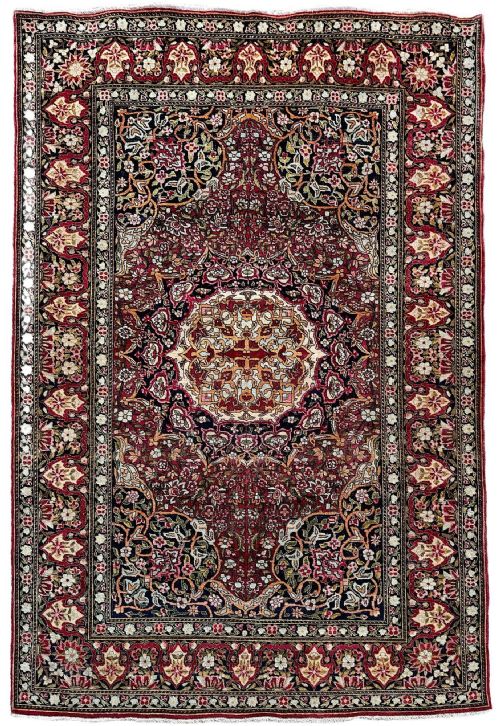
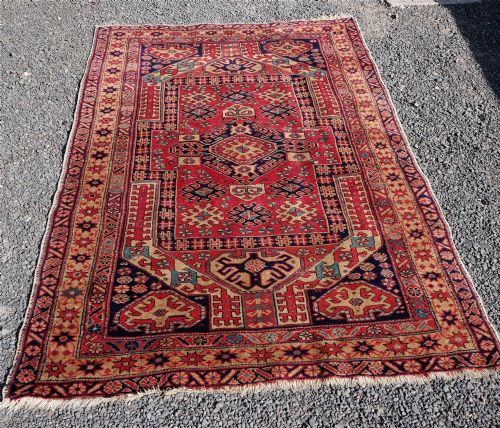
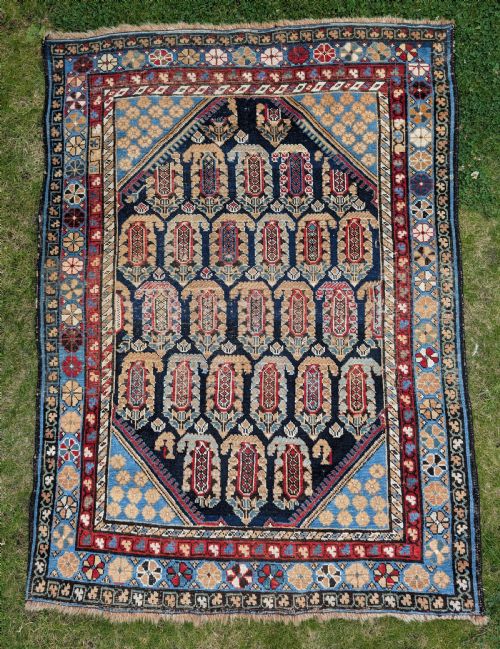
Traditional Red Navy Rug
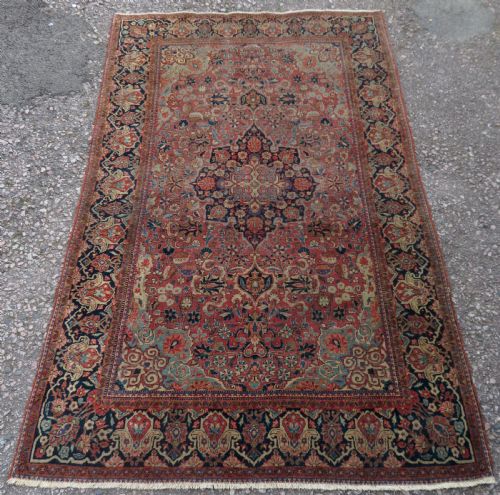
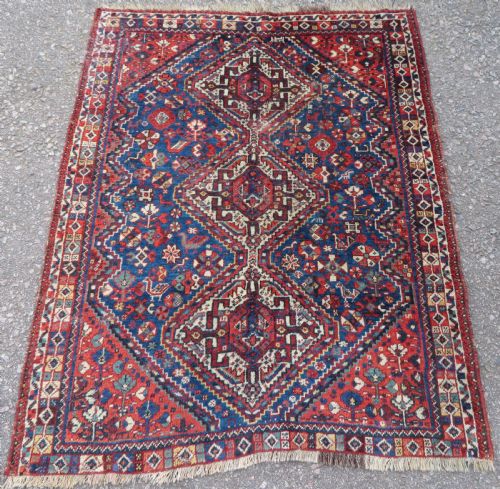
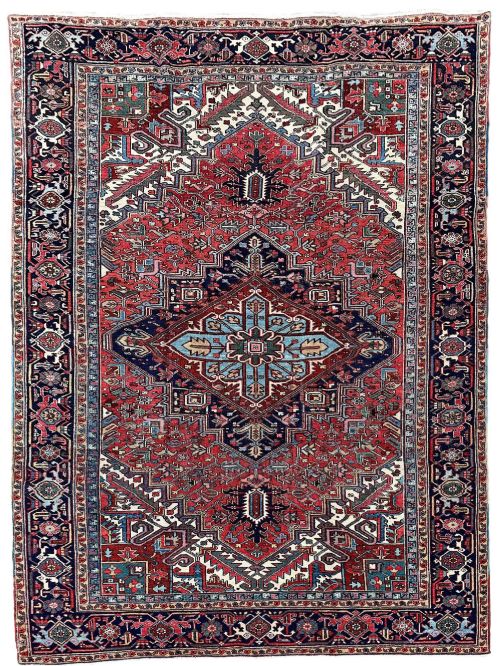
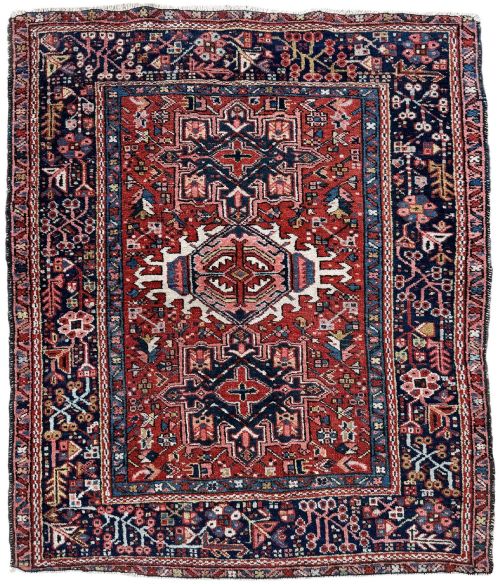
These traditional red navy rug pieces bring character to a floor through geometric patterns and deep dyed wool.
Traditional Red Navy Rug
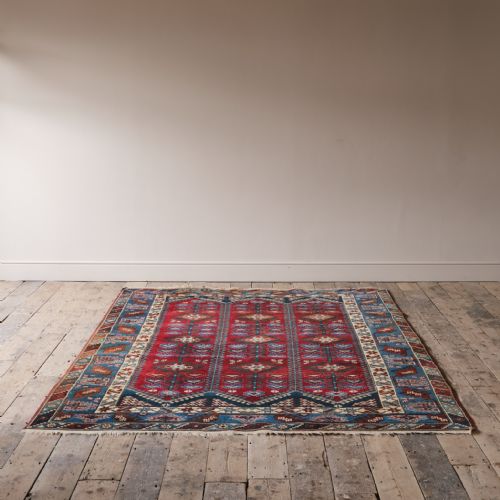
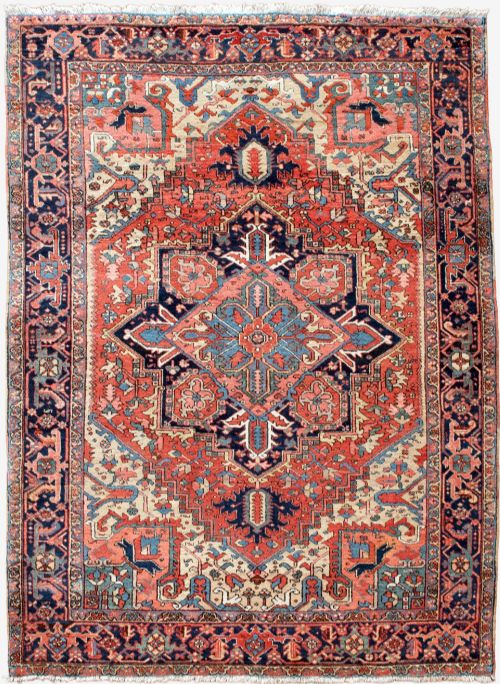
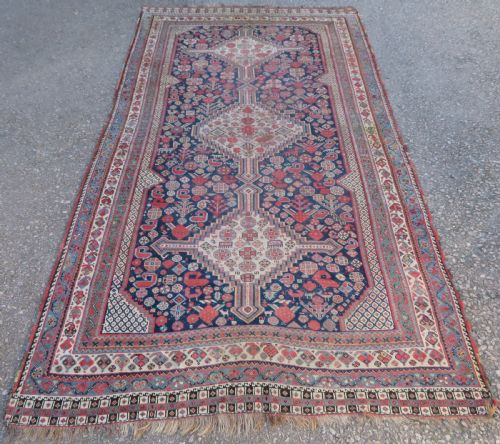
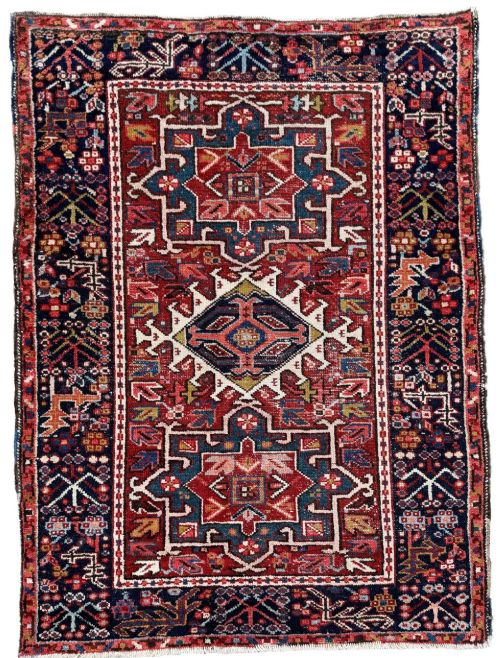
A traditional red navy rug covers floor coverings made across Persia and surrounding regions during the nineteenth and twentieth centuries. These textile items span formats from small mats and prayer rugs to large carpets and long hallway runners.
Makers utilised various regional styles including Heriz, Khamseh, Baluch, and Afshar to establish distinctive patterns. Buyers meet pieces bearing geometric medallions, tribal motifs, and intricate border systems.
The objects date across decades from the eighteen-fifties through to nineteen-forty, reflecting the output of diverse weaving traditions. Wool forms the primary substance across the selection, often paired with cotton foundation threads.
How they were made
Weavers knotted wool yarn by hand onto foundations built from cotton or wool warps and wefts. This manual construction method creates dense pile structures designed to withstand heavy foot traffic over generations.
Natural dyestuffs provided the characteristic red and navy colourways seen across the weaves. Artisans sourced pigments from local plants and minerals, resulting in rich variations in tone across each surface.
Nomadic weavers frequently incorporated small stray animal motifs and misplaced knots as deliberate marks of individuality.
What varies in quality
Knot density and structural tightness dictate the fineness of a rug, separating simpler tribal pieces from highly detailed city carpets. Finer examples display crisper geometric definition in medallions and complex border guards.
The stability of the wool pile and the condition of the original selvedges and ends influence the overall integrity of the textile. Uniform pile height and consistent dye saturation indicate careful selection of materials by the original weaver.
The Traditional Red Navy Rug Glossary
- Medallion
- A central ornamental motif set within the field of a rug. This prominent design element often dictates the geometric symmetry of the composition.
- Runner
- A long and narrow carpet format designed for hallways, corridors, and stairs. These pieces guide movement through domestic spaces.
- Prayer rug
- A small textile featuring a mihrab arch design used traditionally for daily devotions. The niche points toward Mecca during use.
- Selvedge
- The reinforced outer edge of a rug running parallel to the warp threads. Strong finishing protects the sides from fraying.
- Pile
- The upright yarn loops that form the soft surface of a carpet. Weavers clip this wool layer to a uniform height after knotting.
Traditional Red Navy Rug: Frequently Asked Questions
Where should I place a long runner rug?
These narrow formats suit hallways, corridors, and long entrance passages where floor protection is needed. They guide foot traffic while adding warmth to transitional spaces.
Ensure the floor underneath is level and use a suitable underlay to prevent slipping. Measure the clearance required for doors to swing open freely over the pile.
How do I clean a wool carpet?
Regular gentle vacuuming without a beater bar removes surface dust and grit from the wool pile. Professional specialist cleaning handles deeper dirt accumulation safely.
Avoid soaking the foundation or using harsh chemical detergents that might alter the natural dyes. Blot liquid spills immediately with a clean dry cloth rather than rubbing.
What is a mihrab design?
The mihrab represents an arched architectural niche indicating the direction of prayer. Weavers incorporate this pointed shape into the field of specific devotional rugs.
This motif distinguishes prayer formats from standard decorative area rugs and carpets. It provides a distinct focal point within the overall geometric layout.
How do I identify a tribal rug?
Tribal pieces display spontaneous geometric patterns, asymmetric details, and saturated colour palettes created by nomadic groups. These designs rely on generational memory rather than pre-drawn cartoon templates.
Materials often include thicker wool spins and simpler foundation structures compared to urban workshop carpets. Variations in the weave reflect the working conditions of itinerant makers.