
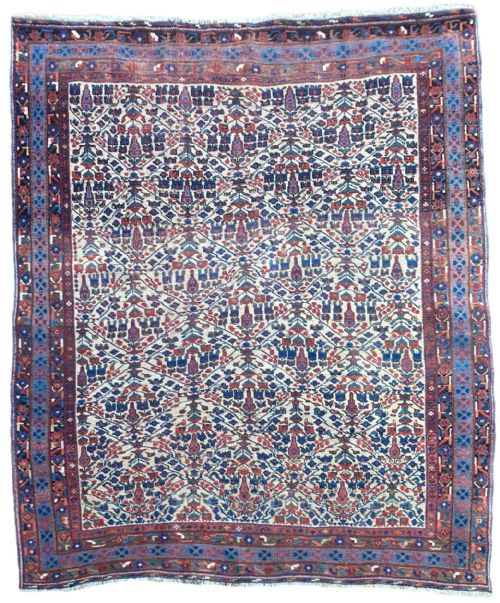


Kerman Afshar Carpet
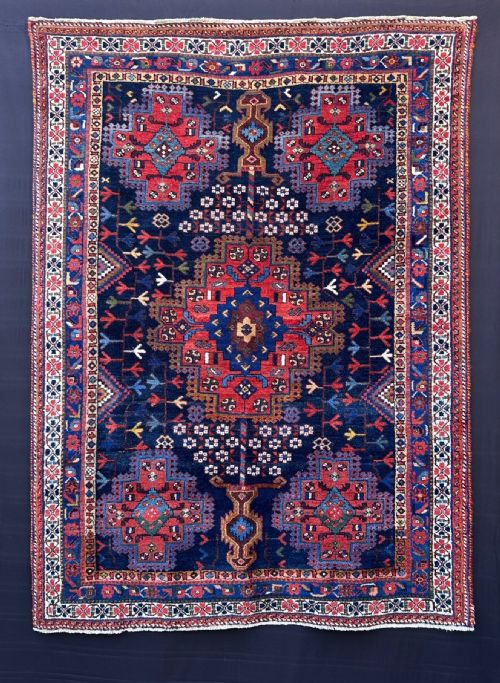
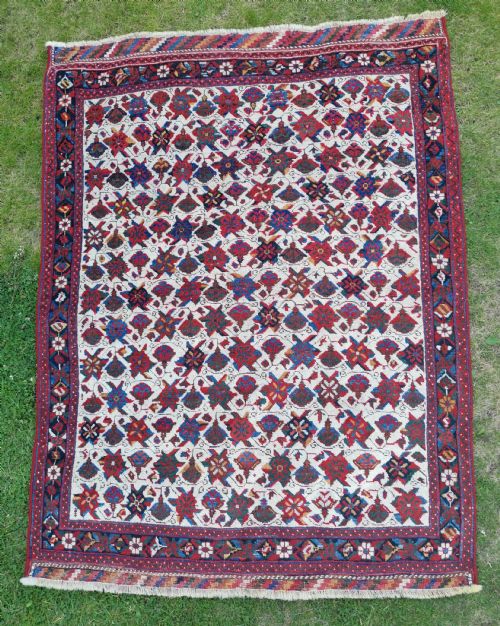
These kerman afshar carpet pieces are enduring nomadic textiles from South Persia, prized for their rich tribal patterns and saturated natural colours.
Kerman Afshar Carpet
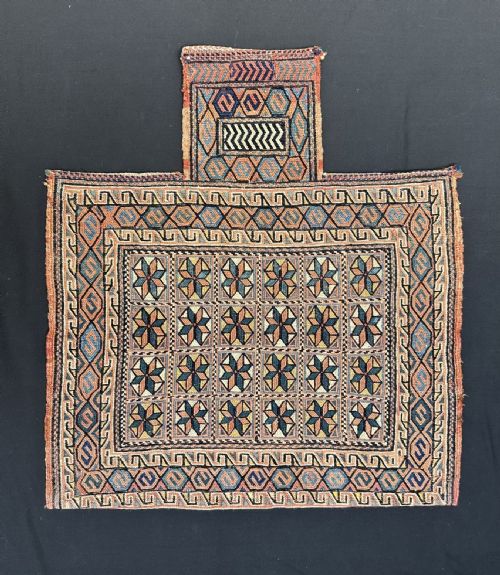
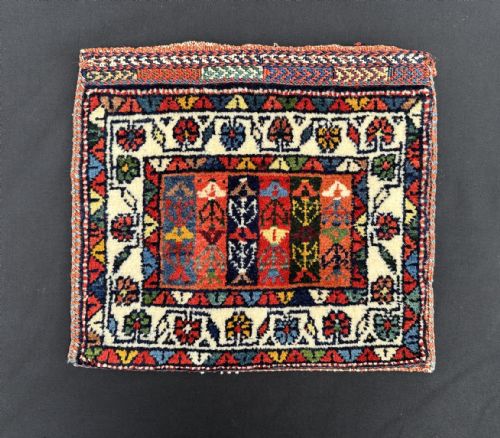
When you search for kerman afshar carpet, you encounter tribal textiles woven by the Afshar nomads and villagers of the Kerman Province in South Persia. The selection spans rugs, area rugs, salt-bags, vanity-bags, and soumak pieces dating from the late nineteenth century into the early twentieth century.
You are most likely to meet antique rugs originating from specific regional centres such as the Neiriz region and Bardsir. These pieces display distinct South Persian tribal styles that reflect the heritage of nomadic weavers working with traditional motifs.
The corpus includes functional utility items alongside floor coverings, demonstrating the breadth of weaving traditions preserved in the Kerman Province. Each piece captures the distinct aesthetic of Southern Persia during the period between eighteen seventy and nineteen twenty.
How they were made
These textiles were produced using wool and cotton materials, combining durable foundations with soft pile surfaces. The weavers utilised natural dyes to achieve deep and lasting colours that age gracefully over the decades.
Nomadic and village workshops employed traditional techniques including soumak flatweaving and knotted pile construction. This material combination ensured both decorative appeal and practical utility for household and travel use.
Object types recorded include standard rugs, area rugs, utility salt-bags, vanity-bags, and flatwoven soumaks from South Persia.
What varies in quality
The refinement of the wool and the handling of natural dyes establish the visual depth of individual pieces. Tightly packed knots and precise execution of tribal motifs separate standard utility pieces from exceptional weaving achievements.
Regional variations in design complexity and the preservation of original borders influence the character of each textile. The integrity of the foundational cotton and wool materials determines the enduring stability of the piece.
The Kerman Afshar Carpet Glossary
- Pile
- The upright yarn loops that form the soft surface of a rug. It provides texture and protects the foundational weave underneath.
- Soumak
- A flatweave technique where coloured threads are wrapped around the warp yarns in rows. This method creates a sturdy textile without a raised pile.
- Warp
- The stationary vertical threads stretched on the loom before weaving begins. They form the structural backbone of the entire textile.
- Natural Dyes
- Colourants derived from plants, insects, and minerals rather than synthetic compounds. They yield rich hues that develop a pleasing patina over time.
- Nomadic
- Pertaining to pastoral groups who move seasonally rather than settling in permanent towns. Their textiles often incorporate portable formats like bags and smaller rugs.
Kerman Afshar Carpet: Frequently Asked Questions
Where were these textiles made?
These pieces originate from the Kerman Province in South Persia, including specific areas like the Neiriz region and Bardsir.
They were produced by the Afshar nomadic and village tribes working within traditional Southern Persian design idioms.
What materials are used?
The construction relies primarily on wool for the pile and cotton for the foundational warp and weft.
Natural dyes provide the palette of colours seen across the rugs, bags, and soumak pieces.
How do I date an example?
Dating relies on stylistic indicators, structural characteristics, and material analysis pointing to the late nineteenth and early twentieth centuries.
Pieces in the record span from eighteen seventy up to nineteen twenty, reflecting distinct periods of tribal production.
What is a salt-bag?
A salt-bag is a utilitarian textile woven by nomadic groups for storing and transporting rock salt in camp.
These smaller tribal pieces often feature dense geometric patterns and specialised neck openings.
How do I care for a tribal rug?
Protect the textile by avoiding direct exposure to strong sunlight and using a quality breathable underlay beneath it.
Gentle vacuuming without a rotating brush roll helps maintain the wool pile safely.