





Traditional Red Carpet Rug
A traditional red carpet rug brings warmth and rich patterned texture to a floor through enduring regional hand-weaving traditions.
Traditional Red Carpet Rug
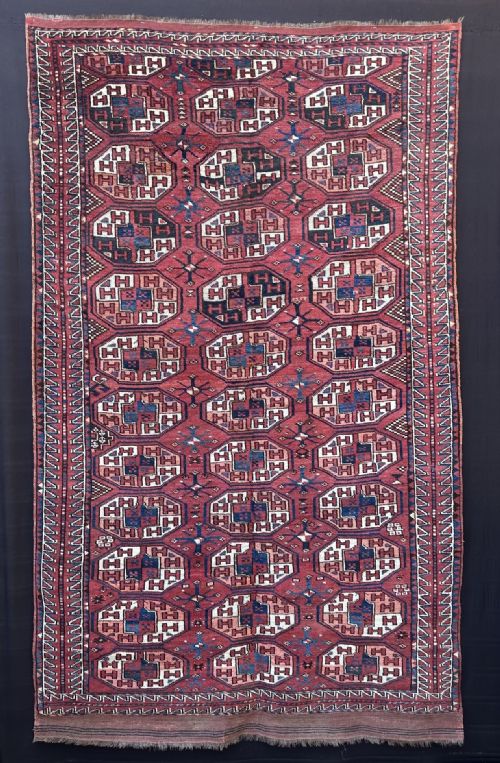
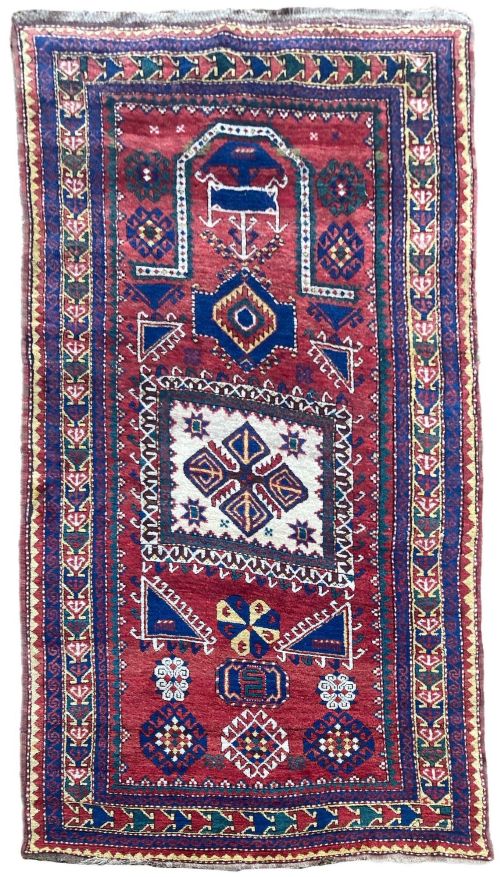
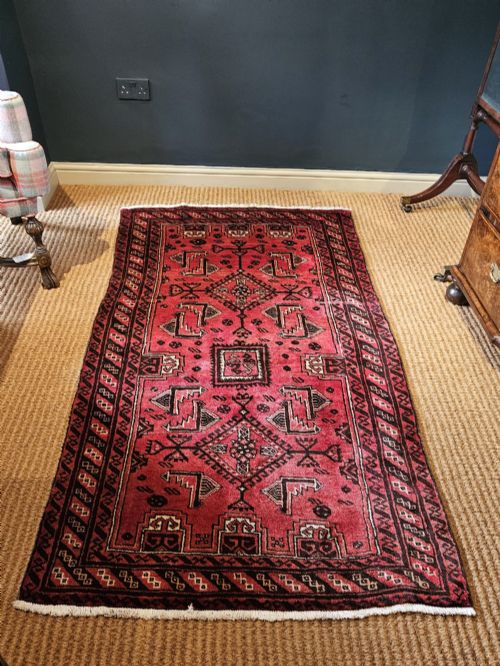
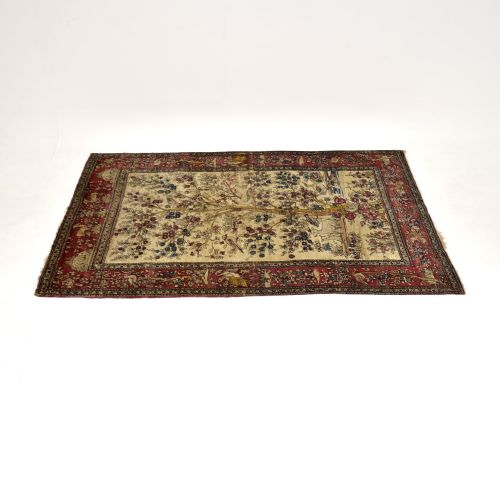
When searching for a traditional red carpet rug, buyers encounter hand-knotted and flat-woven floor coverings originating from Persia, the Caucasus, Anatolia, and Turkmenistan. These textiles encompass large carpets, area rugs, runners, and prayer rugs dating from the nineteenth century into the early twentieth century.
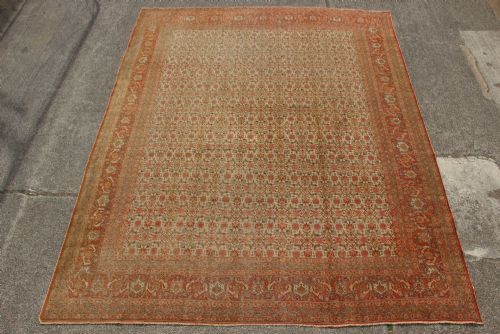
The selections span tribal and village workshops, displaying regional designs such as Heriz, Kazak, Afshar, and Ersari patterns. Pieces frequently feature crimson, rust, and warm red tones combined with intricate geometric or floral motifs.
How they were made
Weavers utilised wool, cotton, and occasionally silk, incorporating hand-spun wool and natural dyes to achieve deep and enduring colour palettes. Techniques involved meticulous hand-knotting and flat-weaving methods passed down through generations within specific tribal groups and village centres.
Foundation materials commonly relied on sturdy wool or cotton warps and wefts, ensuring structural integrity for heavy floor use. Natural dye sources produced characteristic rich red backgrounds and varied secondary hues that mellow gracefully with age.
Some antique carpets preserve accidental weaver errors in symmetrical borders, revealing the human hand behind rigid geometric tribal layouts.
What varies in quality
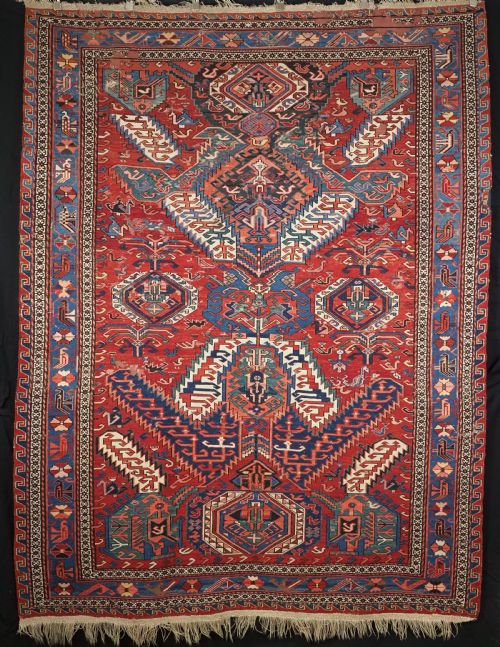
Quality differentiates by the density of the knotting, the precision of the tribal design execution, and the fineness of the spun materials utilised. Early pieces displaying complex iconography, such as dragon motifs or double mihrab layouts, demonstrate advanced artisanal skill.
The choice and stability of natural dyes affect the depth of the red colouration and the preservation of crisp pattern contrast across the field. Superior handling of wool preparation results in resilient piles that maintain structural integrity through decades of daily wear.
The Traditional Red Carpet Rug Glossary
- Prayer rug
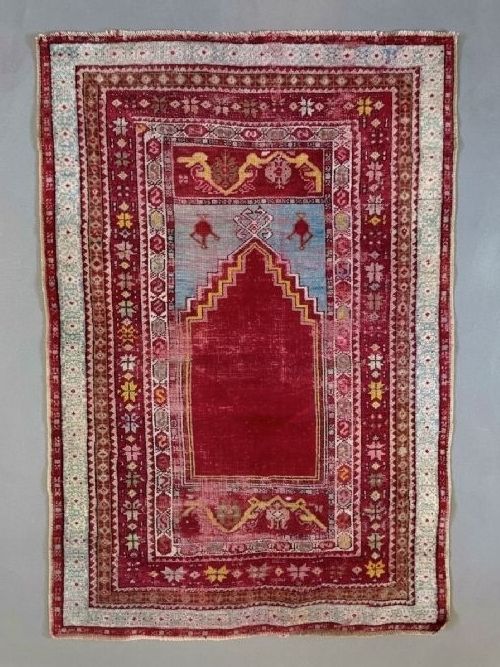
- A small textile featuring a mihrab niche design historically used for daily devotion. These pieces often display specific regional arch formats.
- Soumak
- A flat-weaving technique involving coloured weft threads wrapped around warp threads to create a sturdy, textured surface without a cut pile.
- Mihrab
- The arched niche design found on prayer rugs representing the direction of prayer. This architectural motif often dominates the upper portion of the rug field.
- Runner
- A long, narrow carpet format designed specifically for hallways, corridors, or alongside furniture. These pieces accommodate restricted floor spaces while displaying continuous border and field patterns.
Traditional Red Carpet Rug: Frequently Asked Questions
How do I place a runner?
Runners suit narrow spaces such as hallways, corridors, and gallery landings where length matters more than width. Ensure sufficient clearance for doors to open freely above the pile.
Secure the textile with an appropriate underlay to prevent slipping on smooth floorboards or stone surfaces.
Can I use these in high traffic areas?
Dense wool construction handles regular foot traffic well in living rooms and dining spaces. Natural lanolin present in traditional wool fibres provides inherent resistance to dirt and wear.
Rotate the textile periodically to ensure even exposure to foot traffic and sunlight over the years.
How do I identify tribal designs?
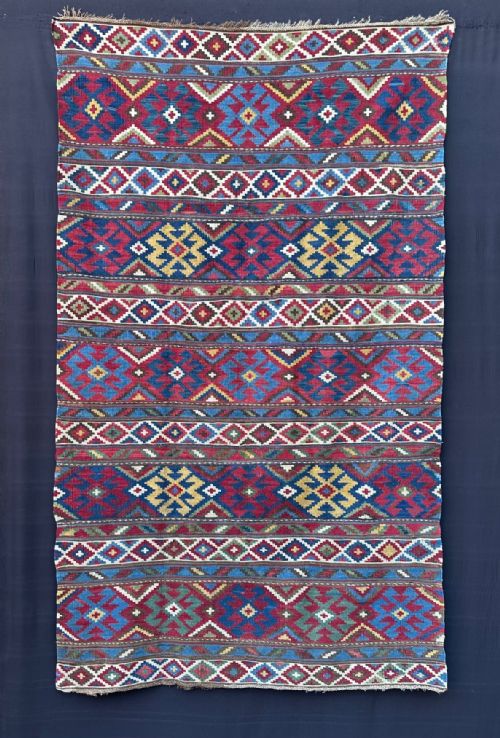
Tribal designs typically feature geometric medallions, repeating nomadic motifs, and rectilinear borders rather than sweeping court florals. Colours often rely on saturated natural red, blue, and yellow wool dyes.
Specific structures correlate with regions such as the Caucasus, Anatolia, or Turkmen territories.
What is a prayer rug?
A prayer rug is a portable devotional mat characterised by a distinct arch shape known as a mihrab at one end. These pieces were traditionally laid on the floor facing toward Mecca during daily prayers.
Collectors prize them for their compact scale and symbolic iconographic details.