


Traditional Porcelain Vessel
These traditional porcelain vessel pieces carry centuries of kiln craft, offering striking display forms for any room.

Traditional Porcelain Vessel
A traditional porcelain vessel encompasses items such as vases, ginger jars, decorative bowls, and table lamps originating from various historical periods including the nineteenth century and the Edwardian era. These objects serve as focal points in a room, combining utility with decorative forms.
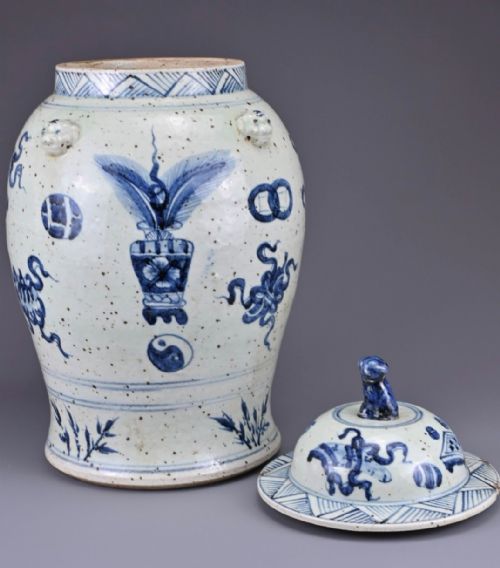
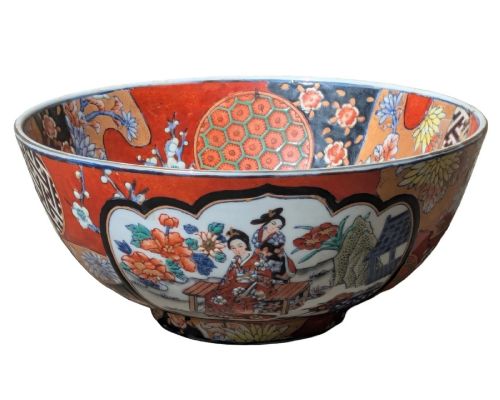
The selections here lean heavily toward Asian aesthetics, featuring Japanese Imari wares alongside Chinese blue and white porcelain pieces. Buyers encounter everything from large floor vases to smaller scalloped bowls and specialised jars.
Origins stretch across Chinese Export styles and Japanese Meiji and Showa periods, alongside select British contributions such as bone china loving cups. Each piece reflects the specific decorative vocabulary of its maker and period.
What varies in quality
Quality rests in the precision of the brushwork and the clarity of the glaze, where finer examples display steady, confident lines and pure white porcelain bodies. The depth of the cobalt pigment and the richness of any gold leaf application further distinguish superior items.
Proportion and form define the architecture of the piece, with better vessels showing balanced symmetry and crisp definition to edges, such as hexagonal facets or scallop-shaped rims. The complexity of the painted scene, from simple botanical motifs to detailed five-clawed dragons, also marks the grade of the work.
Several vessels feature fierce five-clawed dragons guarding the porcelain, reminding everyone that dragons were once imperial property.
The Traditional Porcelain Vessel Glossary
- Imari
- A style of Japanese porcelain featuring a distinctive palette of underglaze blue, iron red, and gold leaf. The tradition originates from the town of Arita and heavily influenced European ceramic design.
- Meiji
- A period of Japanese history lasting from 1868 to 1912, known for significant cultural shifts and high-quality decorative arts produced for export. Pieces from this era often display remarkable technical proficiency.
- Meiping
- A traditional Chinese form of vase characterised by a narrow neck, broad shoulders tapering towards the base, and a small mouth. Originally designed to hold plum branches, the shape requires immense skill to throw correctly.
- Cobalt Underglaze
- A decorative technique where cobalt pigment is applied directly to the unfired clay body before glazing and firing. This method ensures the blue design remains permanent beneath the glassy surface.
- Kamcheng
- A covered ceramic jar traditionally produced in China for export to Southeast Asia. These lidded vessels typically feature polychrome enamel decoration and were used for food storage or ritual purposes.
Traditional Porcelain Vessel: Frequently Asked Questions
Are these vessels waterproof?
Many traditional porcelain vessels will hold water safely, particularly fully glazed items from nineteenth-century production. However, thermal shock can crack older ceramics if filled with very hot or very cold liquids.
It is generally wiser to use a discreet glass or plastic liner inside antique vases if you intend to display fresh flowers regularly. Check the base and interior for hairline fractures before exposing the piece to moisture.
How can I date a blue and white jar?
Examine the foot rim, glaze texture, and any reign marks painted on the base of the vessel. Stylistic shifts in floral motifs and dragon designs offer strong clues regarding the decade of manufacture.
Compare the cobalt shade and brushwork against documented examples from the same kiln traditions. Subtle imperfections in the porcelain body often point towards earlier hand-thrown production methods.
Where should I display a ginger jar?
Place ginger jars on sturdy mantelpieces, sideboards, or tables where their balanced proportions can be appreciated from multiple angles. Ensure they sit away from high-traffic zones to prevent accidental knocks.
Pairing jars with complementary blue and white ceramics creates a cohesive decorative arrangement. Lighting should highlight the gloss of the glaze without exposing the piece to direct, damaging sunlight.