



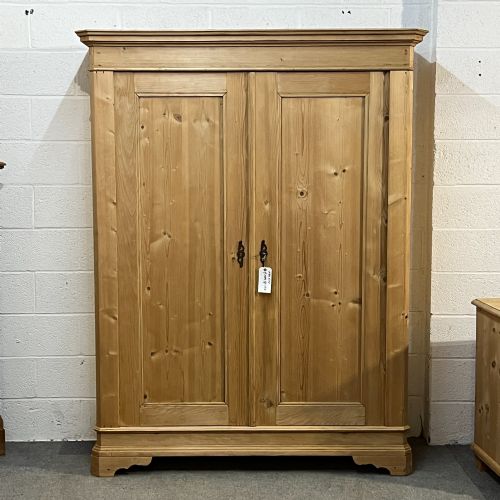
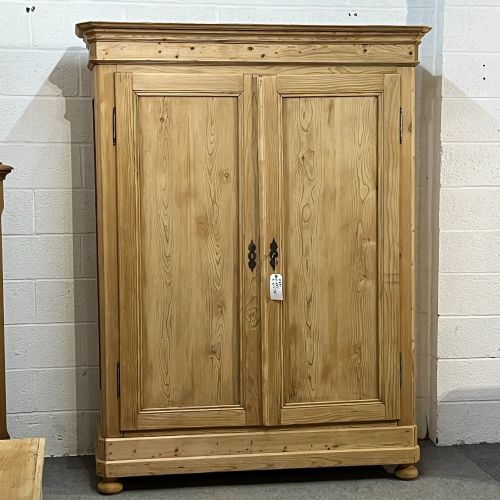
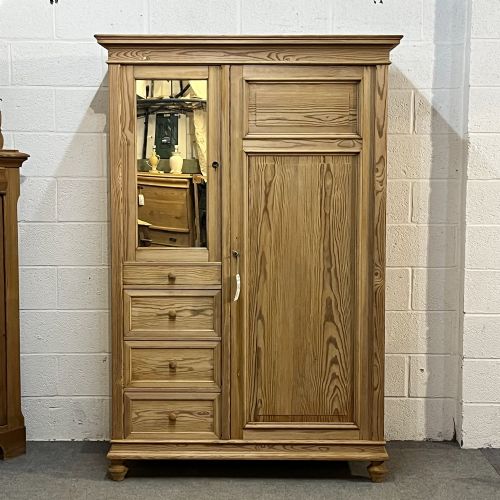
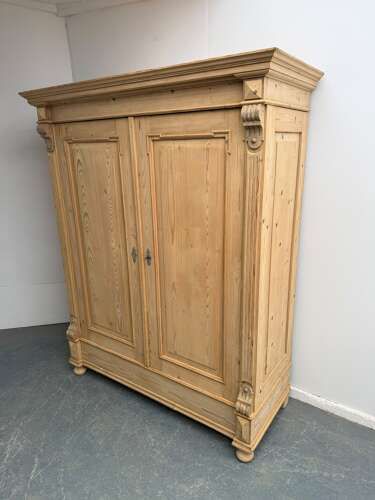
Traditional Pine Press
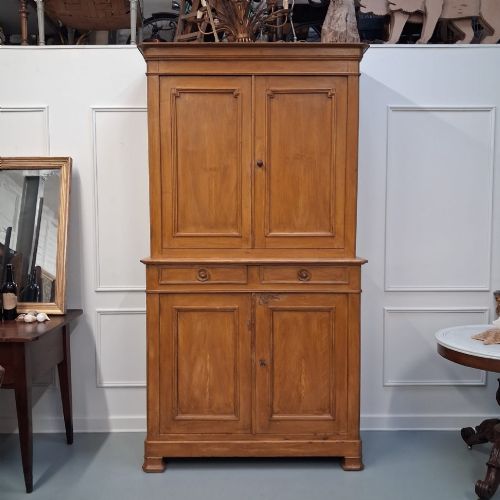
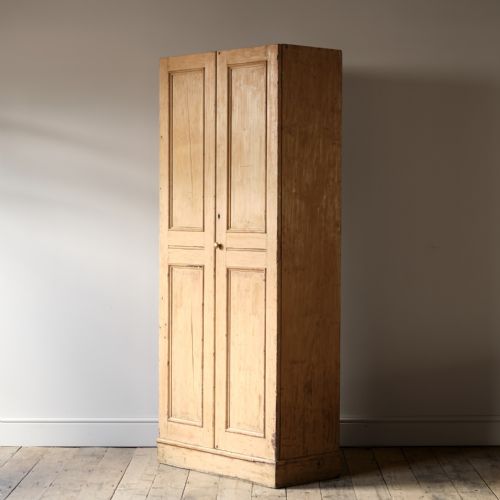
A traditional pine press offers robust storage with deep historical character, combining practical timber construction and regional painted or waxed finishes.
Traditional Pine Press
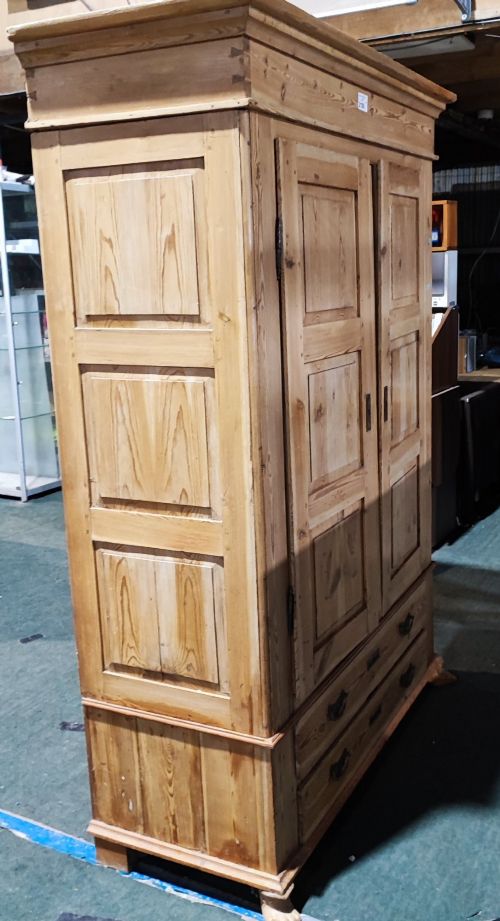
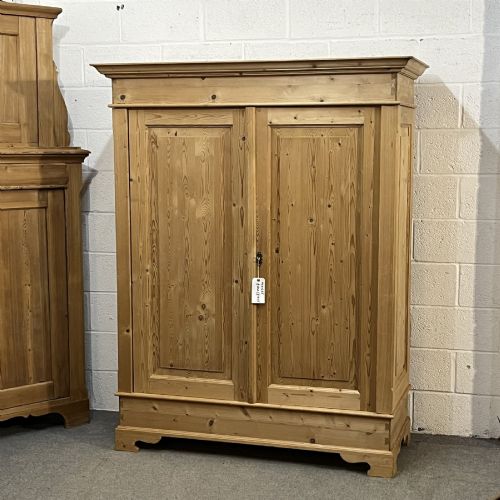
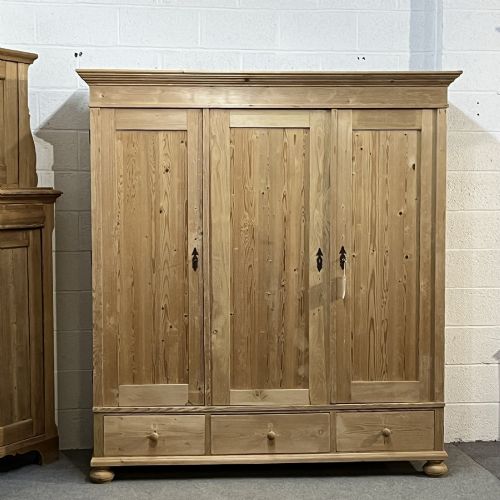
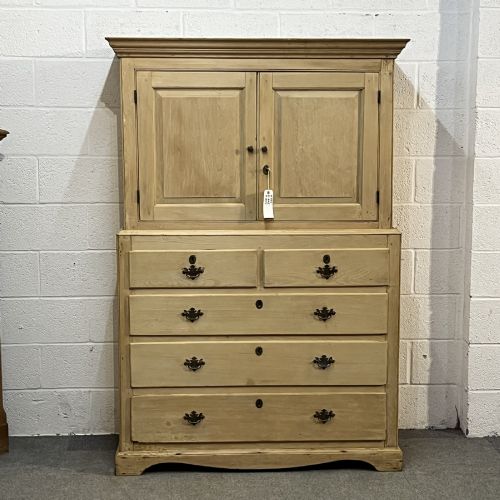
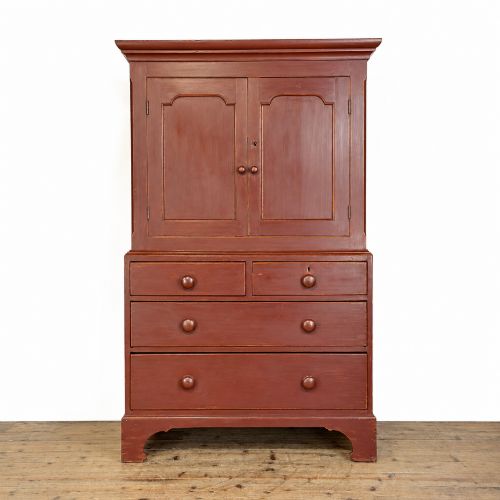
A traditional pine press serves as a utilitarian storage piece, appearing in forms such as housekeepers cupboards, linen presses, wardrobes, and compactums. These items originate across various domestic settings, reflecting regional cabinetry traditions from English country workshops to French provincial and Scandinavian environments.
Buyers encounter examples spanning the eighteenth, nineteenth, and early twentieth centuries, including Georgian and Victorian eras. These pieces range from simple knockdown wardrobes to large multi-door cupboards and fitted storage units designed for household linens and garments.
Construction and Materials
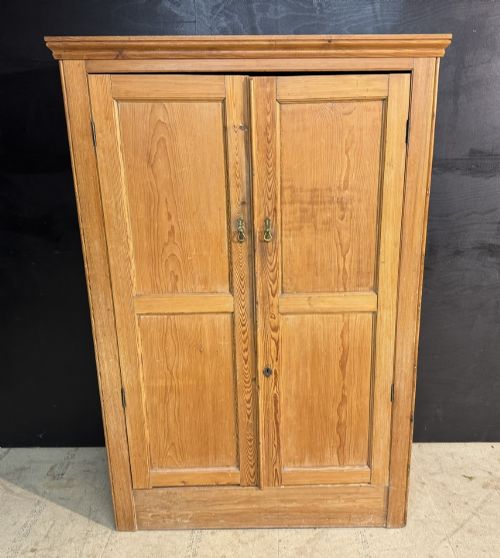
Construction relies primarily on solid pine timber, frequently assembled as knockdown wardrobes or solid one-piece cupboards to facilitate transport in domestic spaces. Iron, brass, and metal hardware such as hinges and locks provide structural reinforcement and functional operation.
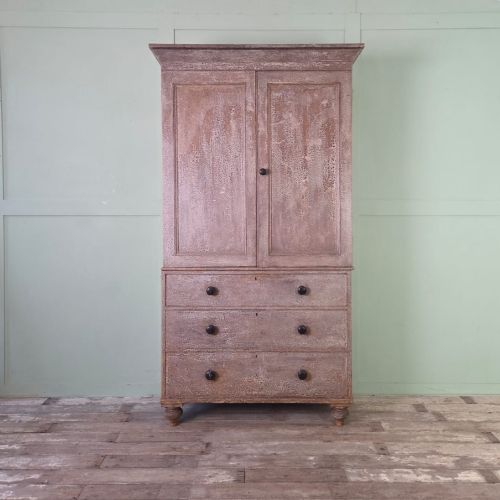
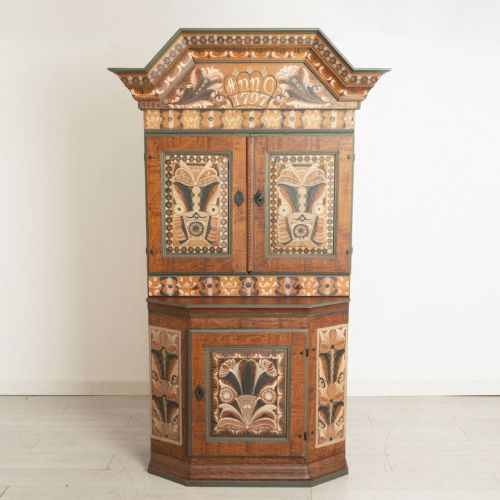
Surfaces exhibit either a waxed natural finish or historic layers of paint, including scumble painted decoration, hand-painted folk art motifs, or plain painted timber. Additional elements like glass panels and bone details occasionally appear on specific cabinet doors and drawers.
Traditional Pine Press Retail Price Guide 2026
Typical asking prices for traditional pine press among the pieces listed under this phrase on Sellingantiques today, from the lower quarter to the upper quarter. They describe what is for sale here now, not the wider market.
Several cupboards retain nineteenth-century paint finishes that outlived the domestic habits they originally served.
Quality Variations
The standard of a traditional pine press depends on the integrity of its original timber and the survival of its historic surface treatment, whether genuine old paint or early wax. Proportion and scale also dictate quality, with well-balanced architectural mouldings and original panel construction marking superior cabinet work.
The sophistication of internal fittings separates standard utility pieces from finer examples equipped with original shelving, hanging space, or functional drawer arrangements. The complexity of regional decorative techniques, such as specific scumble glazes or folk art painting, further distinguishes notable pieces.
The Traditional Pine Press Glossary
- Knockdown wardrobe
- A large wardrobe constructed to be disassembled into modular sections for ease of movement and installation in older properties.
- Scumble painted
- A surface decoration technique where a translucent glaze is manipulated over a lighter base coat to imitate finer wood grains or create patterned texture.
- Housekeepers cupboard
- A large storage cabinet traditionally utilised in large domestic homes for housing household linen, dry goods, and cleaning equipment.
- Compactum
- A fitted wardrobe combining hanging space with internal drawers, shelves, and compartments in a single unified footprint.
Traditional Pine Press: Frequently Asked Questions
What is a traditional pine press?
A traditional pine press is a large wooden storage cabinet or wardrobe built primarily from soft timber to house garments, linen, or household provisions. These pieces date across multiple centuries and exhibit regional construction methods.
They serve as practical storage furniture whilst displaying the natural grain or historic painted finishes typical of domestic country workshops.
How do I care for waxed pine?
Waxed pine surfaces require regular application of natural beeswax to nourish the timber and maintain a protective barrier against moisture. Avoid placing these cabinets in areas with fluctuating temperatures or direct sunlight to prevent wood movement.
Cleaning should be done using a soft, dry cloth without harsh chemical polishes that can strip the historic wax finish.
How do I date a pine press?
Dating a pine press involves examining construction methods, such as hand-cut dovetails in drawers, original hinges, and the type of timber preparation. Hardware styles and construction formats like pegged joints offer reliable clues to the period of origin.
Paint layers and surface patination also help determine whether a piece originates from the Georgian, Victorian, or later eras.
Can knockdown wardrobes be easily assembled?
Knockdown wardrobes were specifically engineered by period makers to be taken apart and reassembled using simple internal wedges or bolts. This design allowed large furniture pieces to be moved easily between rooms and floors.
Modern assembly requires careful alignment of the original numbered or fitted sections to ensure the cabinet remains square and stable.