

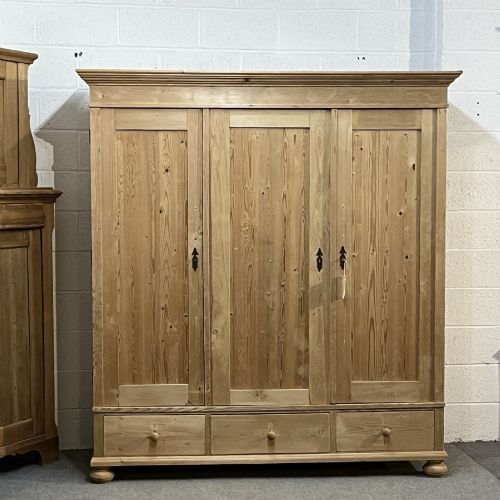
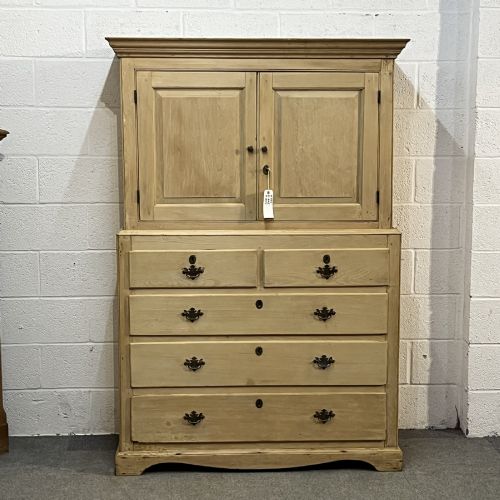
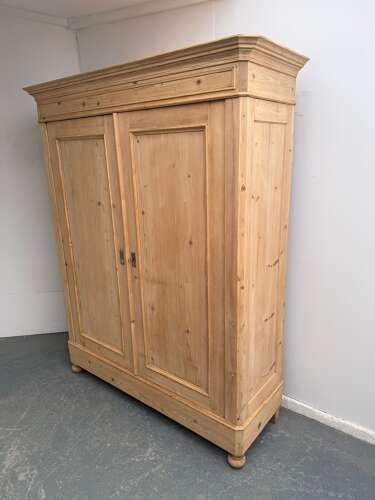
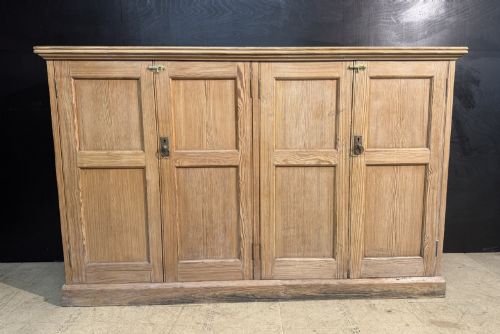

Traditional Pine Linen Press
Traditional pine linen press examples combine generous storage with honest country craftsmanship, offering practical utility and enduring character for domestic spaces.
Traditional Pine Linen Press
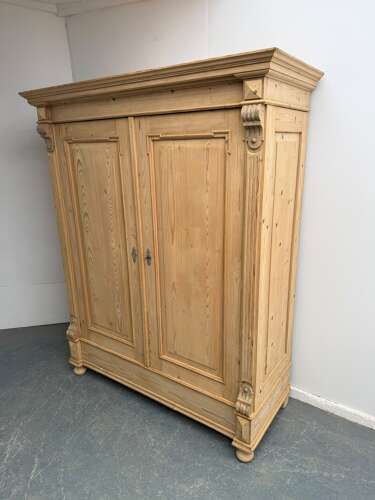
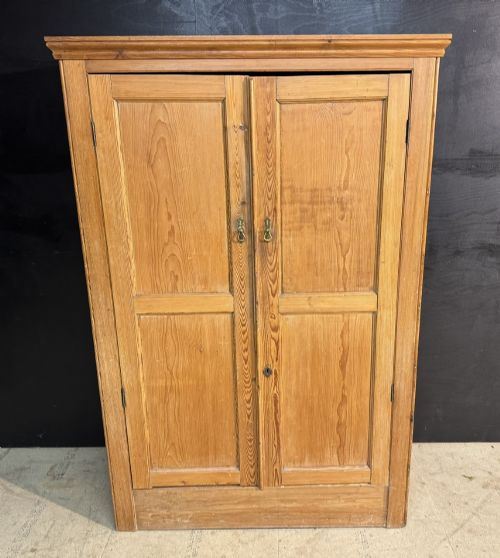
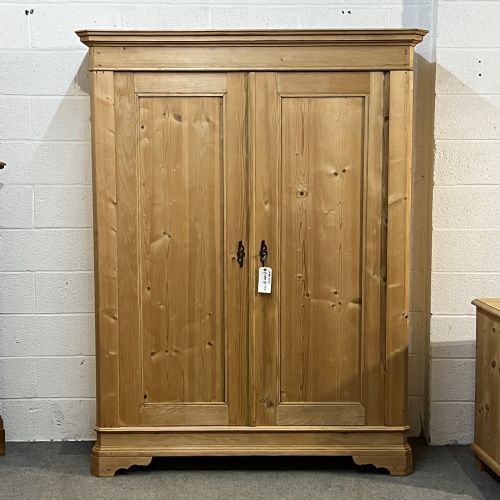
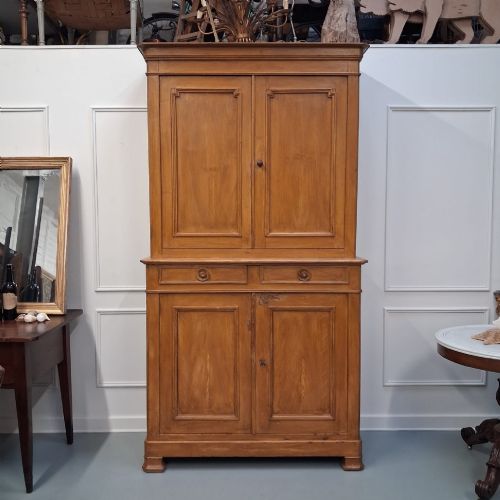
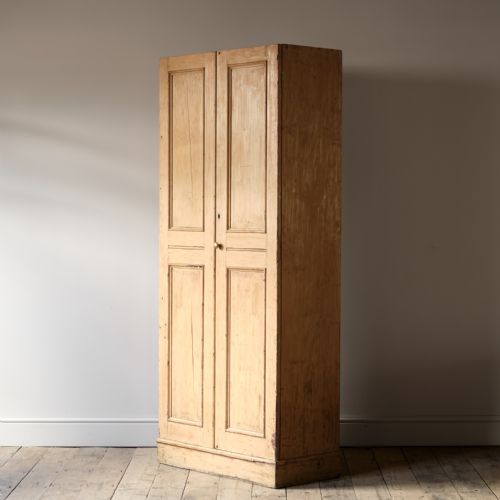
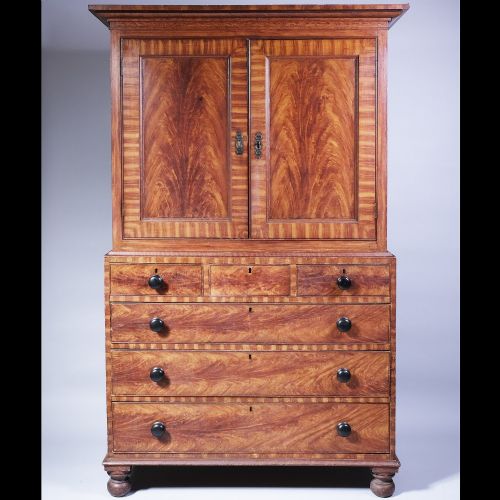
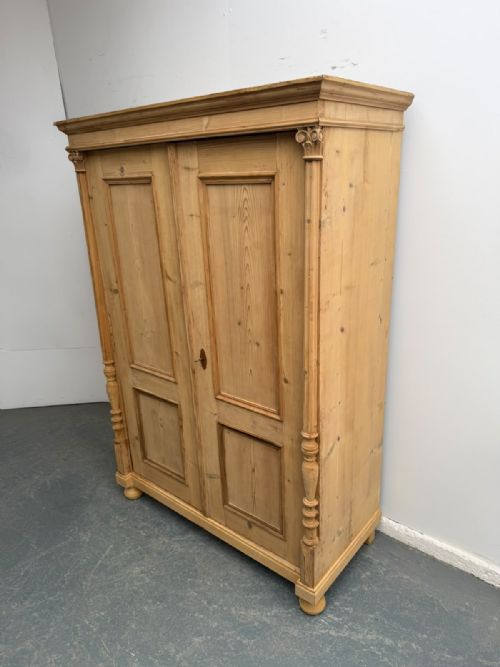
A traditional pine linen press is a substantial storage furniture form designed primarily for organising textiles, garments, and household linens. Buyers searching this phrase encounter tall upright carcases combining enclosed shelving with lower drawer sections.
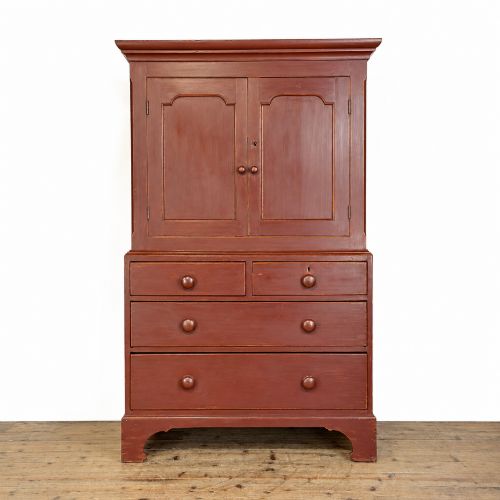
The selections available span multiple periods including the Georgian and Victorian eras, alongside continental pieces originating from France, Hungary, and the Baltic region. Regional British examples also appear, representing local cabinet-making traditions from Wales and the West Country.
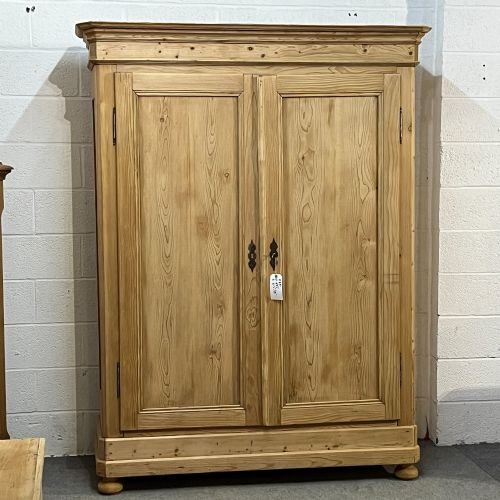
While specific historic pieces are catalogued alongside related forms like wardrobes and housekeepers cupboards, the defining characteristic remains the vertical storage layout in native timber. Many examples display modular knockdown construction designed for transport through narrow domestic stairwells.
Materials and construction methods
Construction relies primarily on solid pine timber, selected for its accessibility and workability by regional joiners and provincial workshops. Joinery techniques encompass traditional panelled doors, pegged framing, and sturdy internal shelving designed to bear the weight of heavy household fabrics.
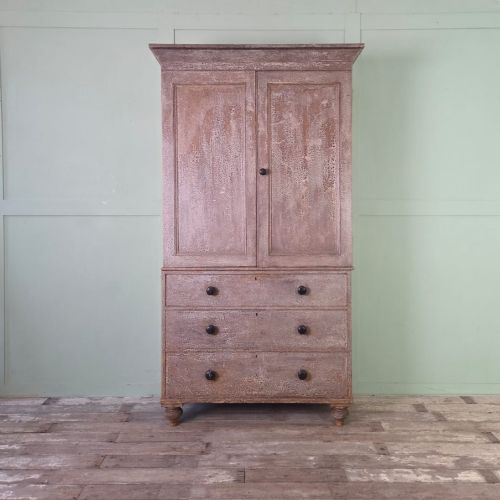
Surface treatments vary widely between natural waxed finishes that highlight the grain and historical painted coats including scumble glaze and regional pigments. Hardware elements typically incorporate iron hinges, brass escutcheons, and bone details that secure the heavy doors and drawers.
Traditional Pine Linen Press Retail Price Guide 2026
Typical asking prices for traditional pine linen press among the pieces listed under this phrase on Sellingantiques today, from the lower quarter to the upper quarter. They describe what is for sale here now, not the wider market.
Listings span the eighteenth, nineteenth, and early twentieth centuries, incorporating Georgian proportions, Victorian utilitarian designs, and continental painted pieces from France, Hungary, and the Baltic.
Evaluating quality and proportion
Quality in these storage pieces rests upon structural integrity, timber selection, and the preservation of original joining methods. Superior examples retain their architectural mouldings, operational knockdown systems, and well-balanced proportions without excessive timber shrinkage or warping.
The distinction between standard utility cupboards and finer pieces lies in the subtlety of the cornice work, panel detailing, and the retention of early or original surface paint finishes. Well-preserved internal fittings such as fixed shelving divisions and fitted drawers elevate the utility and historical interest of the item.
The Traditional Pine Linen Press Glossary
- Knockdown wardrobe
- A piece constructed to dismantle entirely into manageable sections for ease of transport and site assembly. This clever engineering uses internal bolts or wedge pins rather than permanent glue joints.
- Scumble painted
- A decorative surface technique where a translucent coloured glaze is manipulated over a lighter base coat to imitate more expensive grained timbers. Craftsmen utilised combs, sponges, or brushes to create mottled patterns.
- Compactum
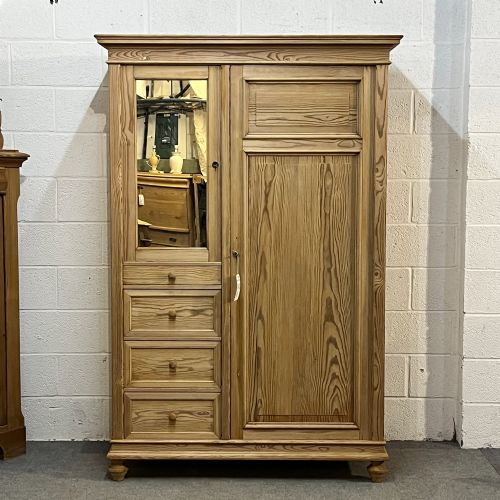
- A multi-functional wardrobe design combining hanging space, linen shelves, and internal drawers within a single unified carcase. This configuration maximises storage capacity within a compact floor footprint.
- Housekeepers cupboard
- A large domestic storage cabinet historically stationed in country house corridors or utility rooms for housing dry stores and household textiles. These functional pieces typically feature substantial panelled doors and deep base drawers.
- Escutcheon
- A protective metal plate surrounding a keyhole that prevents the surrounding wood from splitting or wearing away through repeated use. Brass and iron variants are common on period storage furniture.
Traditional Pine Linen Press: Frequently Asked Questions
How do I assemble a knockdown wardrobe?
Knockdown pieces use internal wooden pegs, metal brackets, or threaded bolts to join the crown, base, sides, and doors together without permanent glue. Careful alignment of these original joints ensures the carcase stands square and level.
Working with a second person helps support the heavy pine panels during assembly to prevent straining the antique timber or historical hardware fittings.
What is the difference between a linen press and a wardrobe?
A traditional linen press specifically incorporates sliding trays or internal shelving behind its upper doors, historically intended for folded linens and textiles. Wardrobes focus primarily on vertical hanging space for garments.
Many surviving pieces bridge these categories by offering adjustable shelving alongside or within tall cupboard carcases.
How should I care for waxed pine furniture?
Waxed pine benefits from occasional applications of natural beeswax polish applied sparingly and buffed with a soft cloth to maintain the protective surface sheen. Avoiding direct heat sources and excessive moisture prevents the softwood from drying out or splitting over time.
Regular dusting with a dry lint-free cloth preserves the finish without requiring aggressive chemical cleaning agents.
Can I paint an unpainted pine cupboard?
Many historical pine pieces were originally designed to accept paint finishes or have been stripped back to bare timber by later owners. Applying breathable milk paint or traditional eggshell allows the wood to adapt naturally to room conditions while respecting historical precedent.
Preparing the surface involves lightly keying the timber to ensure proper adhesion before applying the chosen colour coat.