


Traditional Pine Kitchen Furniture
Traditional pine kitchen furniture brings honest utility and warmth to a room, spanning rustic farmhouse dressers to sturdy country benches.
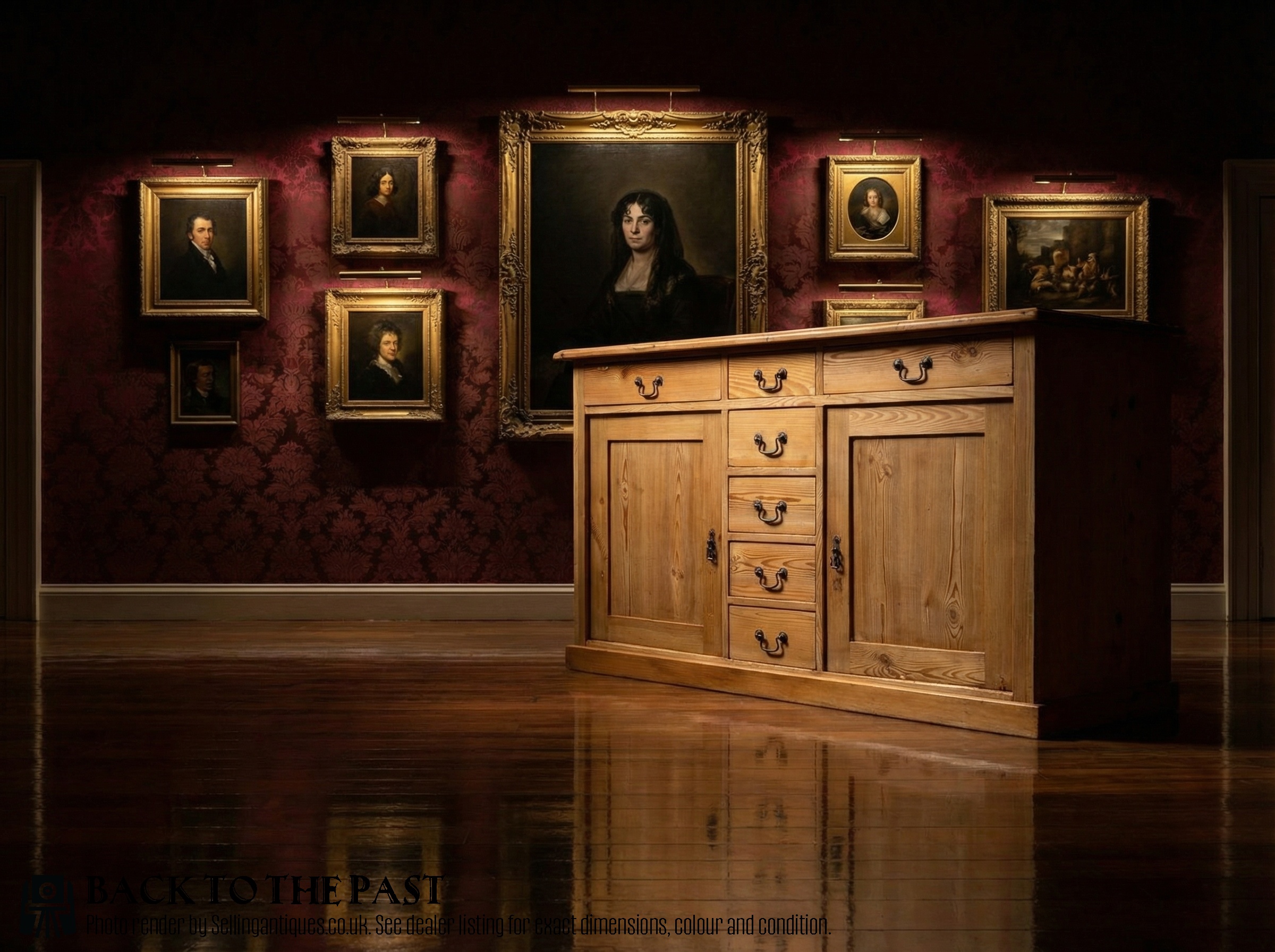
Traditional Pine Kitchen Furniture
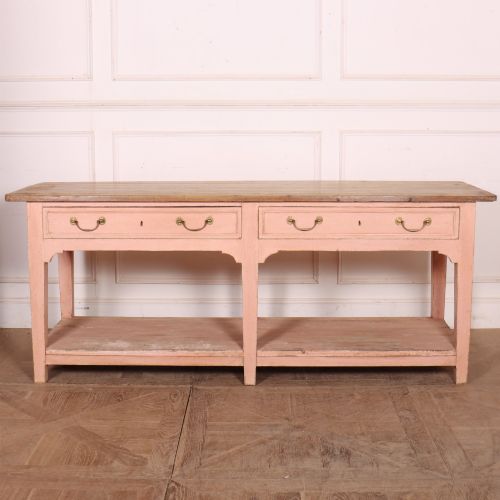
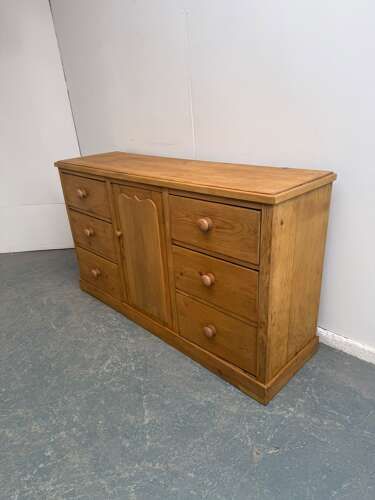
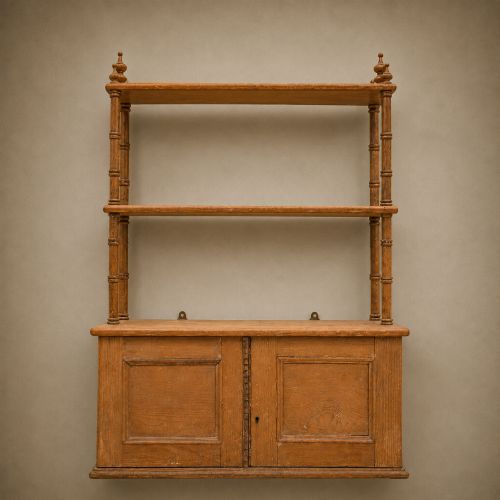
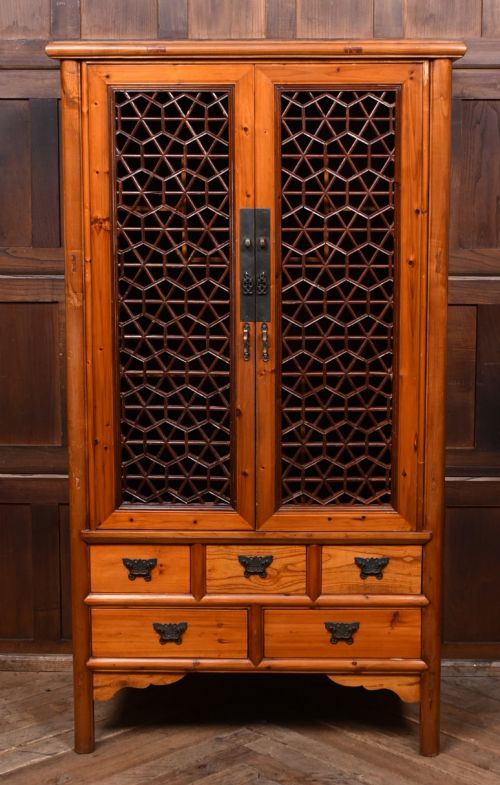
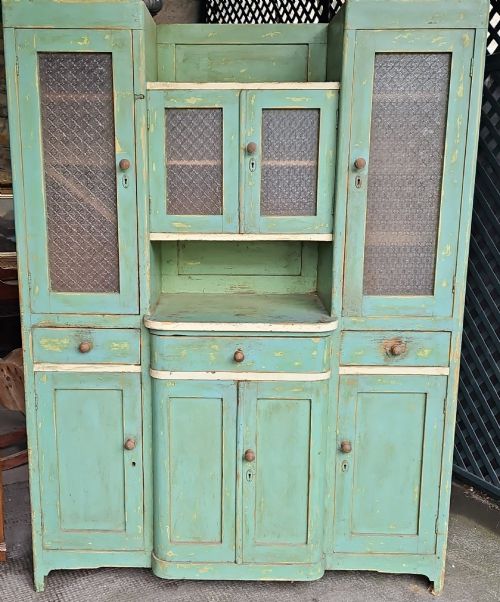
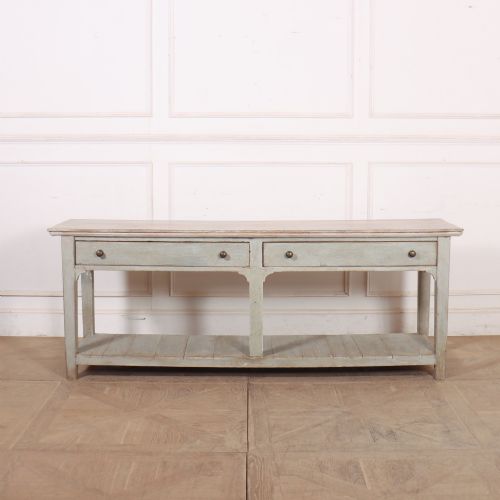
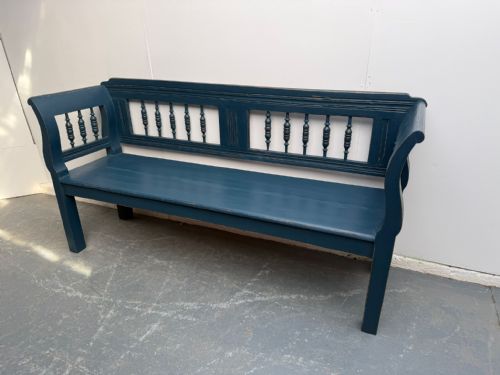
Traditional pine kitchen furniture encompasses hardworking utility pieces made for domestic spaces across British, Scandinavian, and European country houses. Buyers searching for traditional pine kitchen furniture will encounter substantial items built for storage and food preparation, including kitchen dressers, dresser bases, larder cupboards, and benches.
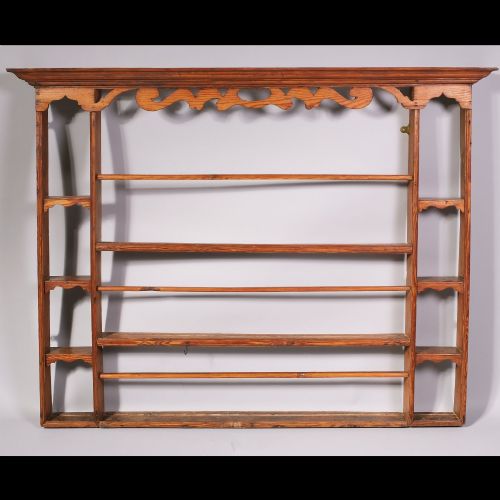
The pieces span from the eighteenth century through the Victorian era and Edwardian period, reflecting regional vernacular styles from Wales, Scotland, England, and Sweden. Dressers with potboards, open plate racks, and deep benches dominate the forms, shaped by the practical demands of rural kitchens.
How they were made
Construction relies primarily on solid pine and cedar, joined with straightforward carpentry suited to domestic workshops. Iron and brass hardware, such as hinges and pulls, secure doors and drawers, while textured glass occasionally appears in cabinet panels.
Surfaces show various finishes ranging from wax and stripped natural wood to original layers of paint, including Swedish Falu paint and folk art hues. The techniques focus on durability and daily utility rather than delicate ornamentation.
Listings feature periods from the 18th century through the Edwardian era, predominantly utilising solid pine, iron, and historic paint finishes.
What varies in quality
Quality rests in the integrity of the timber selection and the retention of original surfaces, such as early painted finishes or natural waxed patina. Pieces showing regional vernacular characteristics, like Welsh talwrn construction or potboard bases, demonstrate particular architectural merit.
Proportion and structural honesty separate ordinary utility items from finer examples of country craftsmanship. The balance between practical wear from decades of kitchen use and the survival of original structural elements dictates the standing of each piece.
The Traditional Pine Kitchen Furniture Glossary
- Potboard
- An open slatted lower shelf on a dresser base used originally for storing heavy pots and pans. This feature is particularly characteristic of earlier Welsh and English country furniture.
- Plate rack
- A wall-mounted or dresser-integrated frame designed to hold plates vertically for drying and display. These racks are common in traditional kitchen settings.
- Larder cupboard
- A tall ventilated storage cabinet designed for keeping food cool before the advent of refrigeration. They often feature panelled or screened doors for air circulation.
- Falu paint
- A traditional deep red or earthy paint originating from Sweden, made from copper mine waste and oil. It provides a durable protective finish on Scandinavian country pieces.
Traditional Pine Kitchen Furniture: Frequently Asked Questions
How do I clean waxed pine?
Clean waxed pine surfaces gently with a soft, dry cloth to remove dust and everyday debris. Avoid harsh chemical cleaners that strip the protective wax coating.
Nourish the wood periodically with a traditional beeswax polish applied sparingly and buffed to a soft sheen. This maintains the warm lustre built up over decades of use.
Are these pieces suitable for modern kitchens?
These robust items integrate smoothly into contemporary spaces by providing practical storage and grounding modern rooms with historical texture. Dressers and cupboards offer ample room for daily tableware and provisions.
Benches fit easily beneath modern dining tables or serve as standalone seating in hallways and kitchens. Their adaptable utility remains as useful today as it was in nineteenth-century country homes.
What is a Welsh talwrn dresser?
A Welsh talwrn dresser is a distinct regional variant of the traditional kitchen dresser originating from Wales. These pieces often feature specific local joinery traits and proportions tailored to Welsh rural domestic life.
They stand out among standard dressers through their characteristic arrangement of drawers, shelves, and base cabinetry. Collectors value them for their strong regional identity.