




Honey Pine Kitchen Credenza
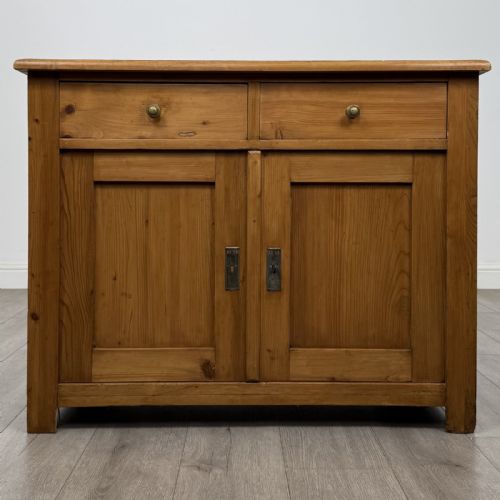
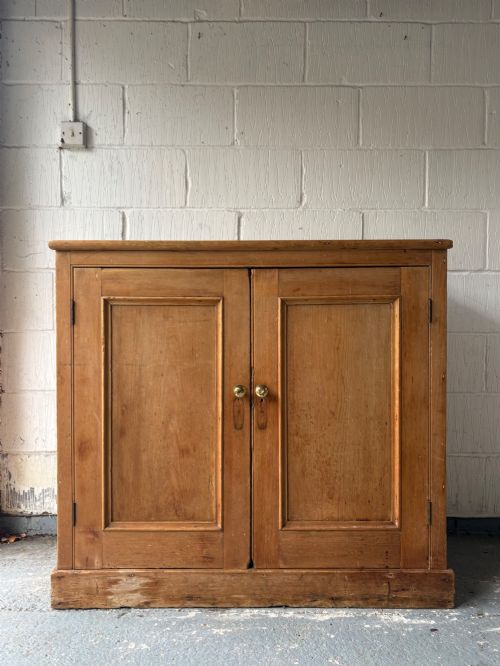
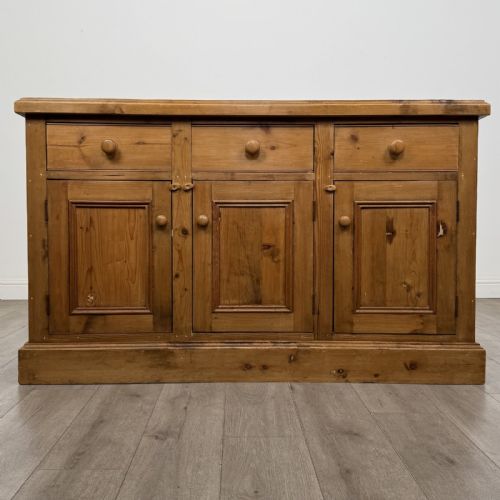
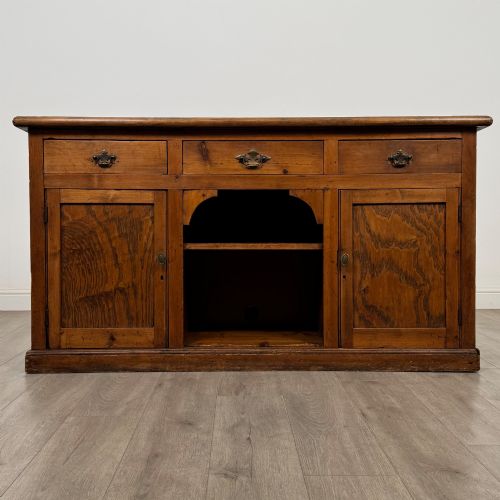
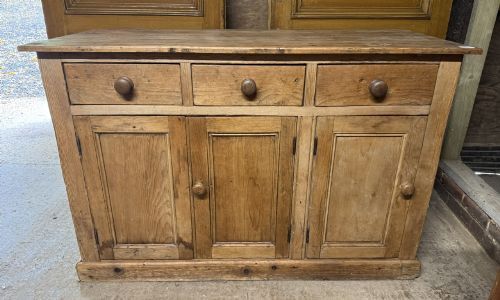
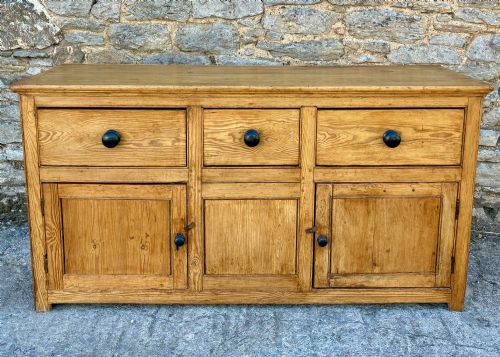
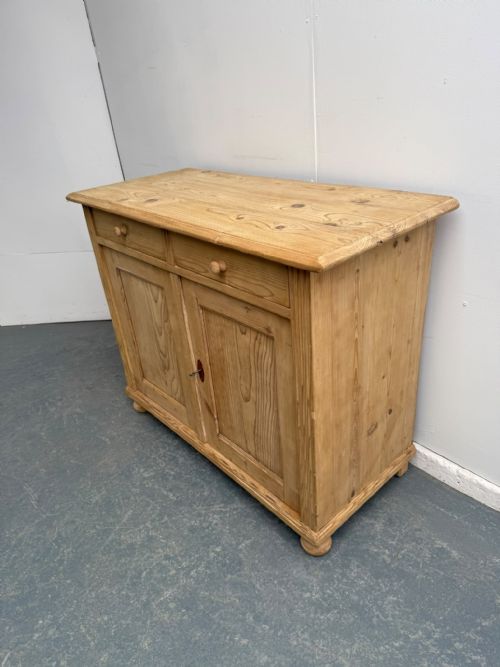
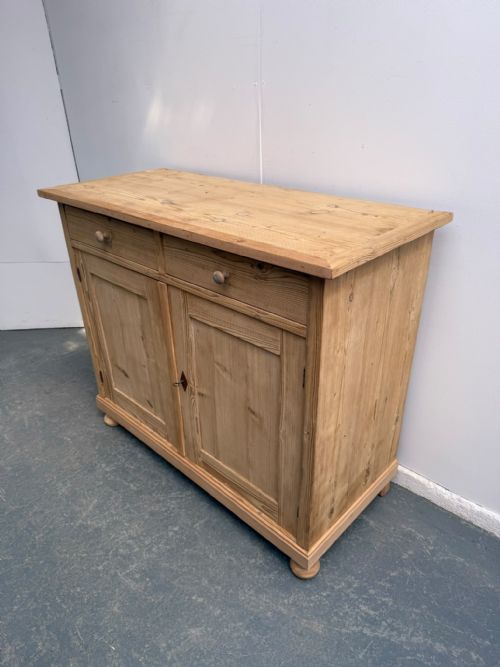
These honey pine kitchen credenza pieces are sturdy storage furniture found in Victorian Country and rustic farmhouse styles.
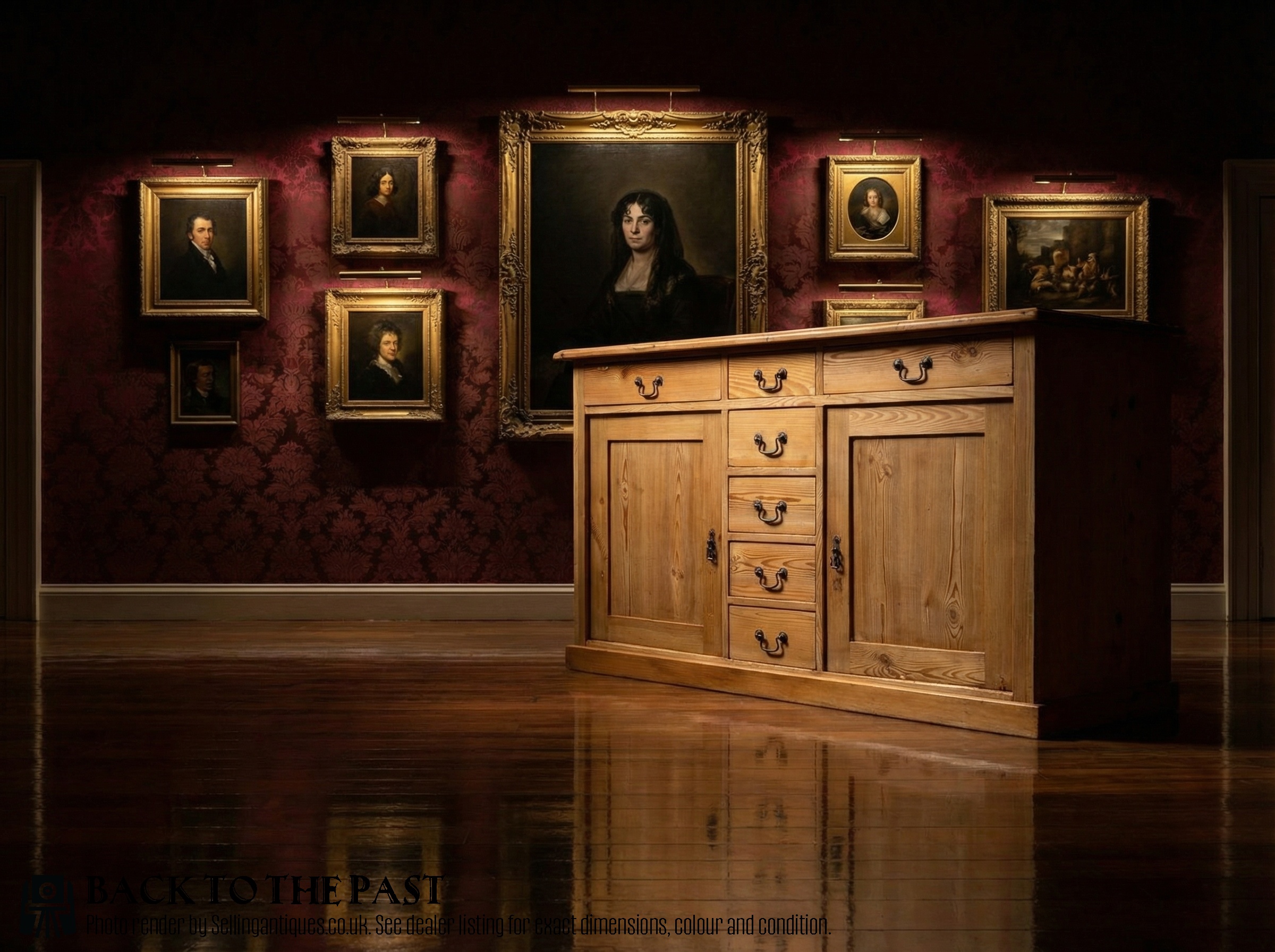
Honey Pine Kitchen Credenza
A honey pine kitchen credenza search brings up nineteenth century storage furniture including cupboards, dresser bases, and sideboards. These practical pieces serve as functional kitchen storage and display surfaces.
The pieces listed on this page date from the Victorian era, including specific years like 1850, 1880, 1900, and the broader nineteenth century. They appear in forms such as two-door cupboards and shallow dresser bases.
Makers built these items for hard utility in domestic settings. They survive today in styles described as Victorian Country and rustic farmhouse.
How they were made
Carpenters constructed these items primarily from wood, specifically pine, utilising iron and brass for structural or decorative hardware. Some examples feature ceramic elements.
Surfaces often arrive prepared for wax or paint finishes. Workshops built these cabinets with two doors and matching drawer configurations to suit everyday kitchen duties.
Honey Pine Kitchen Credenza Retail Price Guide 2026
Typical asking prices for honey pine kitchen credenza among the pieces listed under this phrase on Sellingantiques today, from the lower quarter to the upper quarter. They describe what is for sale here now, not the wider market.
Every item listed on this page is made from pine, spanning the nineteenth century up to 1900.
What varies in quality
Quality differences lie in the scale of the timber construction, ranging from shallow dresser bases to large, tall two-door builds. The crispness of the original joinery and the survival of brass and iron hardware distinguish superior examples.
Proportions and depth change across the inventory, with longer farmhouse sideboards offering different spatial utility compared to compact cupboards.
The Honey Pine Kitchen Credenza Glossary
- Dresser base
- A low wooden storage unit featuring drawers above cupboard doors, historically used for food preparation and serving in kitchens.
- Sideboard
- A long piece of furniture designed for storing dining utensils and serving food, often found in nineteenth century domestic spaces.
- Pine
- A soft timber widely utilised in nineteenth century country furniture for its workability and distinct grain patterns.
- Victorian Country
- A style reflecting regional nineteenth century domestic design, prioritizing utilitarian function over ornate decoration.
Honey Pine Kitchen Credenza: Frequently Asked Questions
What is a honey pine kitchen credenza?
It is a practical nineteenth century storage item encompassing dresser bases, sideboards, and cupboards.
These pieces originate from the Victorian period and feature wooden construction suited for kitchen utility.
How old are these pine pieces?
The inventory spans the nineteenth century, with specific examples dated around 1850, 1880, and 1900.
They reflect the manufacturing practices of the Victorian era.
What materials were used?
Makers relied primarily on pine wood for the main body of these cabinets and sideboards.
Iron, brass, and ceramic components appear as hardware or decorative details.
How were these cupboards used?
Families utilised them in kitchens and dining areas for storing provisions, tableware, and household goods.
Their solid surfaces also provided extra workspace for food preparation.