
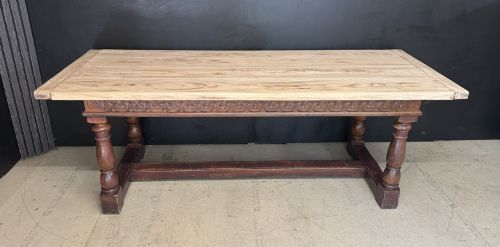
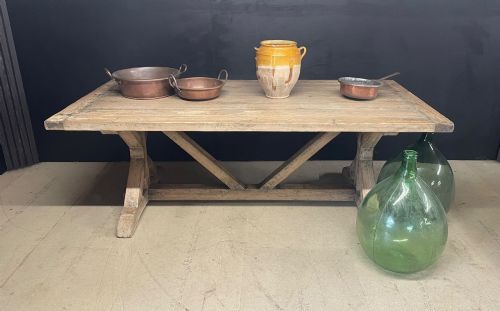
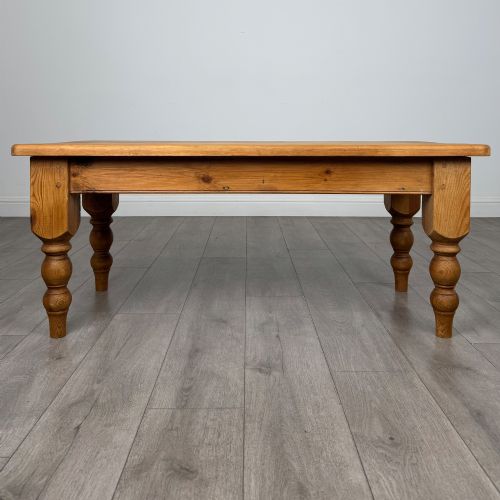
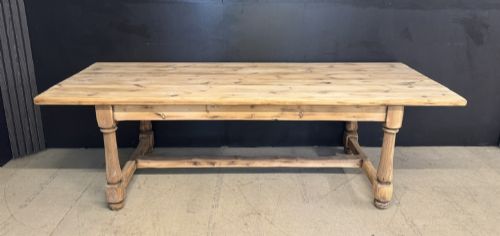

Traditional Pine Farmhouse Table
A traditional pine farmhouse table brings warmth and utility to a room, offering a sturdy surface built for daily family life.
Traditional Pine Farmhouse Table
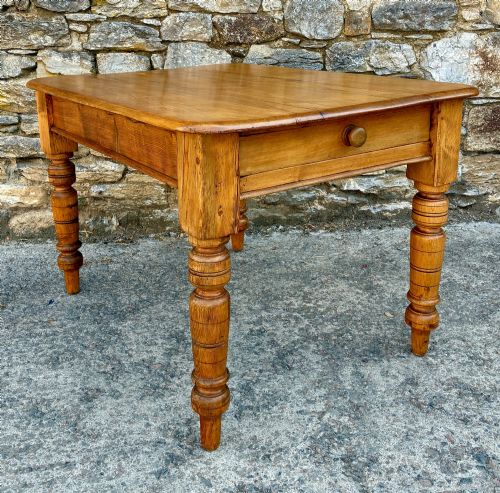
When you search for a traditional pine farmhouse table, you are looking at practical wooden furniture designed for domestic labour and dining. These pieces originate primarily from the nineteenth century and the early twentieth century, spanning Victorian and rustic country styles.
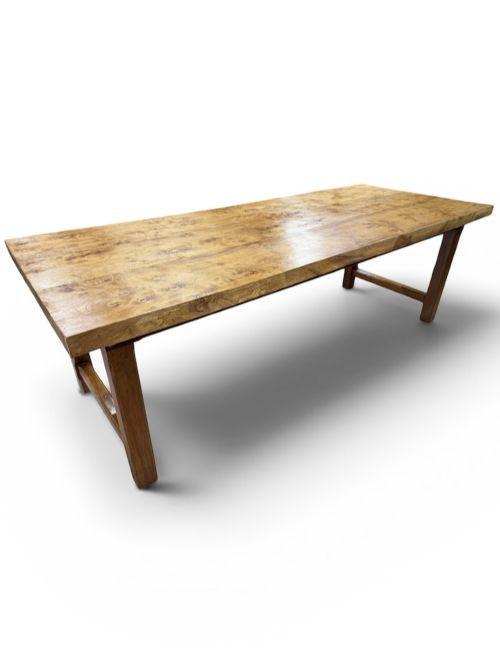
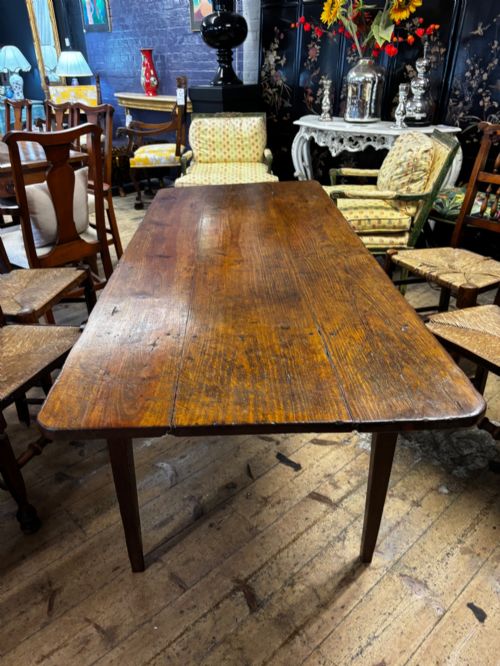
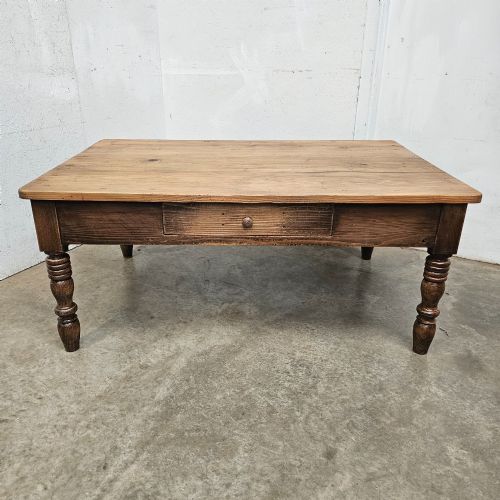
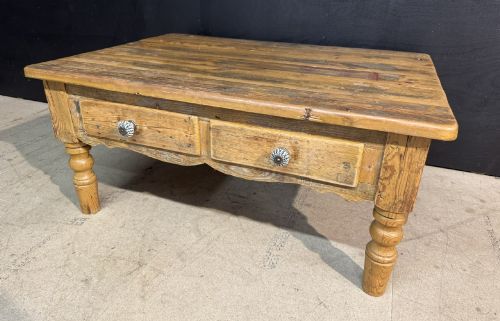
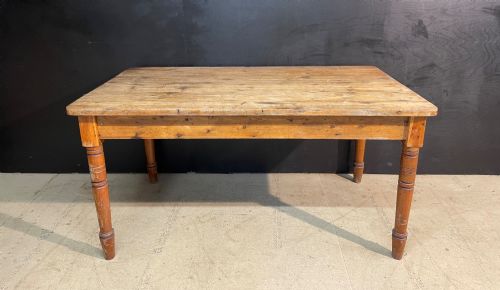
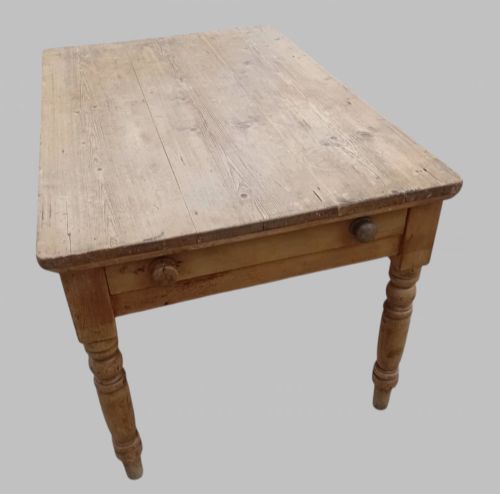
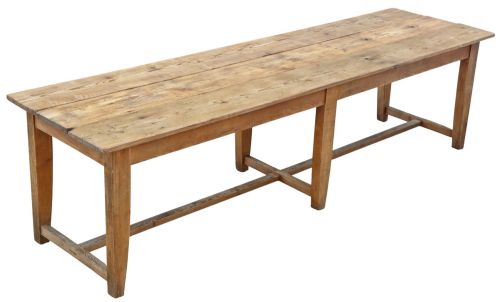
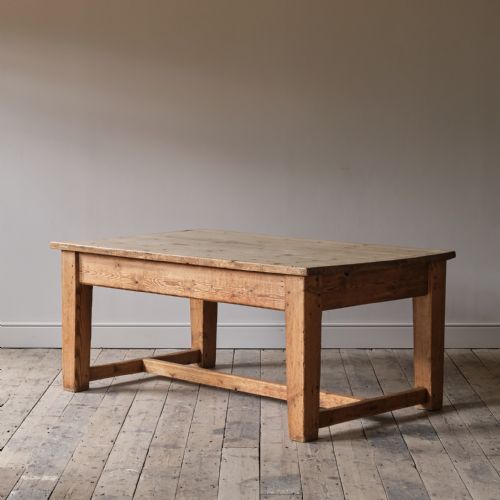
The versions you are most likely to meet on this page function as kitchen dining tables, refectory tables, or smaller coffee tables. They appear in forms ranging from simple scrub top boards to extended dining variations that seat numerous people.
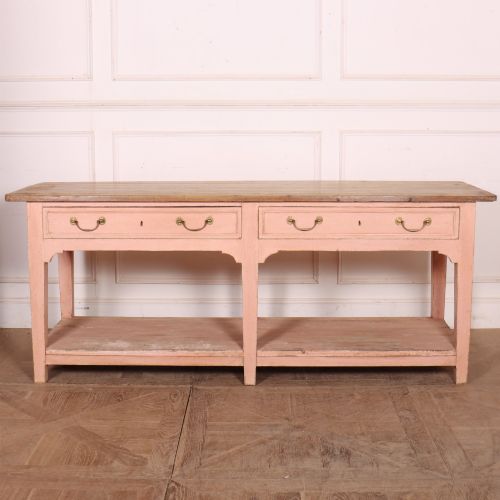
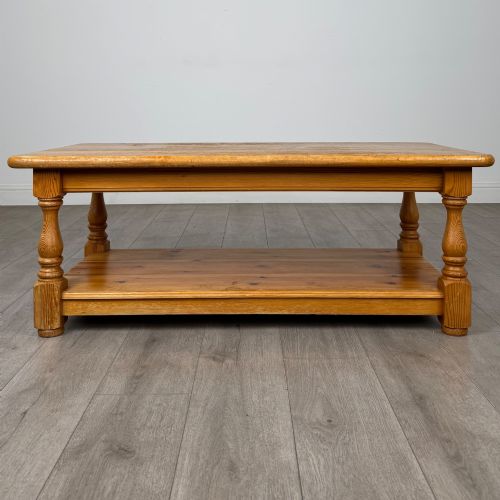
Originating from British, Welsh, Scottish, French, and Scandinavian workshops, these items reflect regional vernacular traditions. Their construction prioritises utility, often incorporating drawers or lower potboards for storage.
Materials and construction methods
Makers utilised solid pine timber, frequently paired with oak or fruitwood for structural endurance and contrasting surfaces. Scrub tops appear where bare wood was repeatedly scoured clean with water and sand, creating a pale, textured finish.
Some examples feature applied paint finishes, such as original Swedish Falu paint or traditional coloured coatings. Joinery typically relies on heavy timber planks, turned legs, and cleated ends to maintain stability across large dining surfaces.
Available forms include large extending dining tables, low coffee tables, dresser bases, and small round kitchen tables.
Evaluating quality and proportion
Quality rests in the integrity of the timber and the honesty of the construction. Tables featuring thick two-plank tops and substantial turned legs demonstrate superior structural ambition compared to lighter, later builds.
The presence of original surfaces, such as untouched paint or deeply patinated scrub tops, elevates a piece. Proportion and leg clearance dictate practical utility, distinguishing utilitarian workshop benches from refined domestic dining furniture.
The Traditional Pine Farmhouse Table Glossary
- Scrub top
- A wooden table top left bare and repeatedly washed to a pale, clean finish. This surface treatment is typical of nineteenth-century kitchen tables used for food preparation.
- Potboard
- A lower slatted shelf fitted between the legs of a table or dresser base. It provides open storage for pots, pans, and kitchen utensils.
- Refectory table
- A long, narrow dining table historically designed for communal dining halls. Examples in this category often span over eight feet in length.
- Cleated ends
- Wooden battens fixed across the grain at the ends of a plank top. They help prevent the timber boards from warping over time.
- Falu paint
- A traditional deep red or earthy paint finish originating in Sweden. It contains copper residues that historically preserved exterior and interior softwood joinery.
Traditional Pine Farmhouse Table: Frequently Asked Questions
How do I clean a pine scrub top?
Wash the bare wood gently with warm water and mild soap using a soft brush, following the direction of the grain. Avoid harsh chemical cleaners that strip the historic patina.
Allow the timber to dry naturally in a well-ventilated room to prevent warping or splitting in the old pine boards.
Can I use a farmhouse table outdoors?
These tables are constructed for indoor domestic environments and lack weatherproof treatments. Exposure to damp conditions damages historic pine and degrades original paint.
Keep them inside where stable humidity preserves the dry timber and traditional joinery.
How do I determine the age of a table?
Examine the tool marks, timber shrinkage, and nail types used in the construction of the frame and drawers. Hand-sawn boards and pegged joints typically indicate nineteenth-century manufacture.
Compare the turned leg styles and overall proportions against known regional vernacular designs from the Victorian period.
What is the difference between a refectory and a kitchen table?
Refectory tables are exceptionally long and narrow, built originally for communal dining spaces. Kitchen tables tend to have broader proportions suited for central room placement and food preparation.
Many listings combine these terms based on length, but refectory formats often feature additional stretcher supports between the legs.