
Traditional Pine Blanket Box
A traditional pine blanket box provides sturdy, rustic storage, bringing utilitarian history and warm timber character into a modern interior.
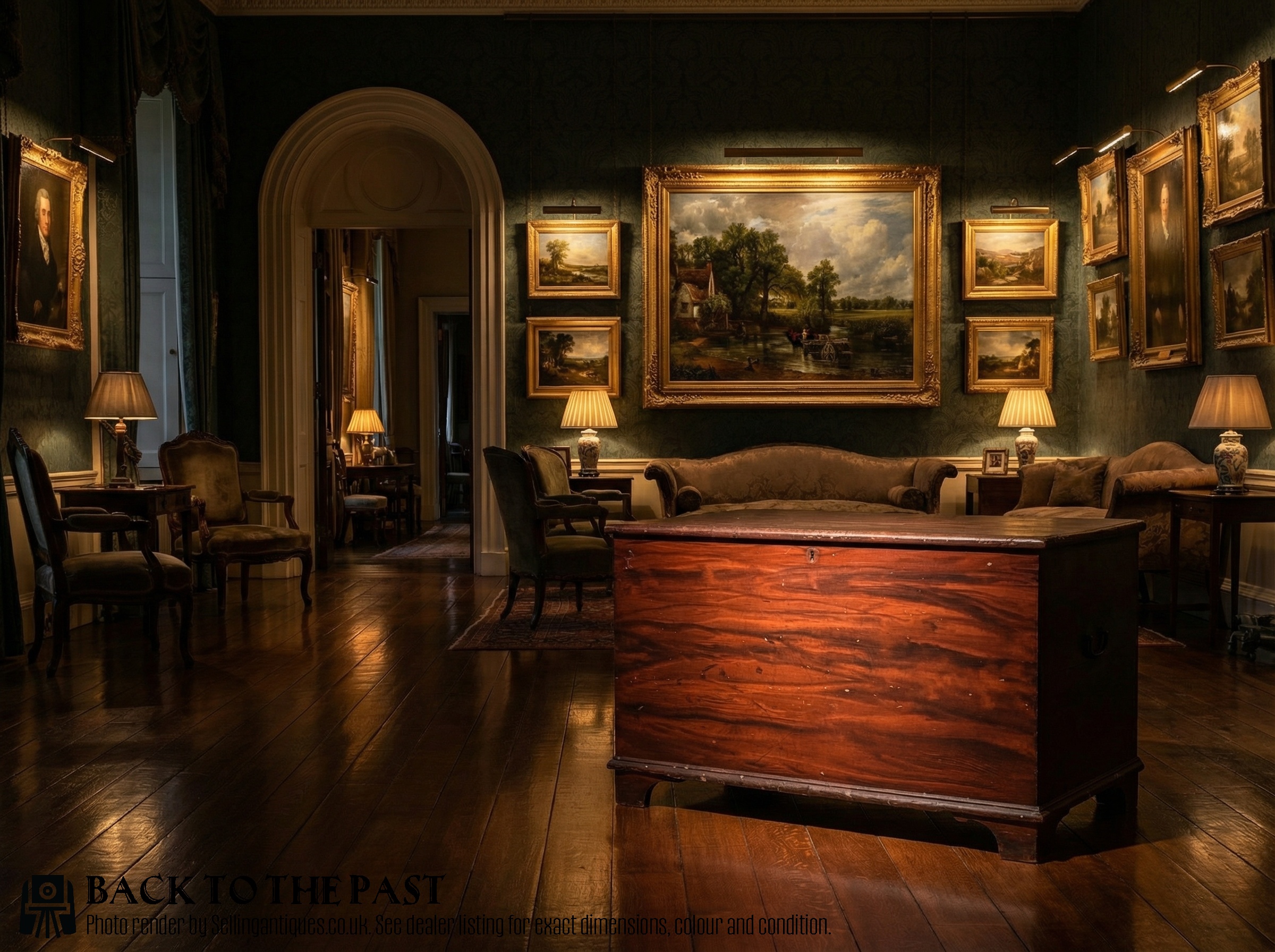
Traditional Pine Blanket Box
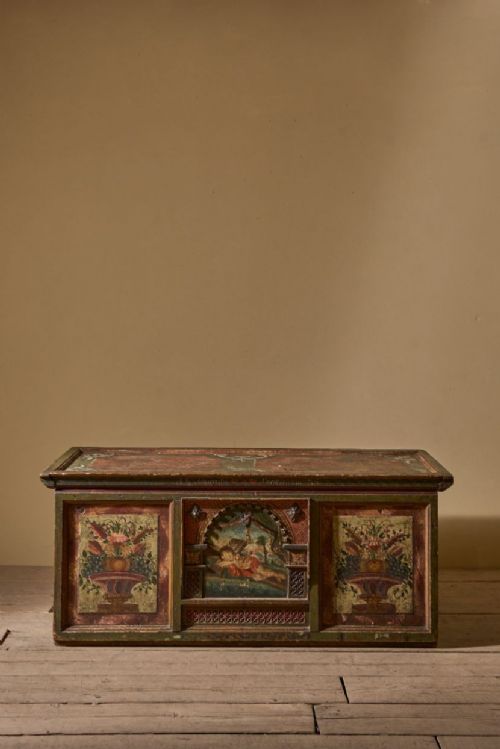
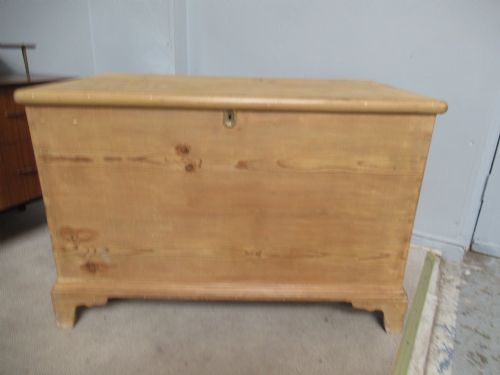
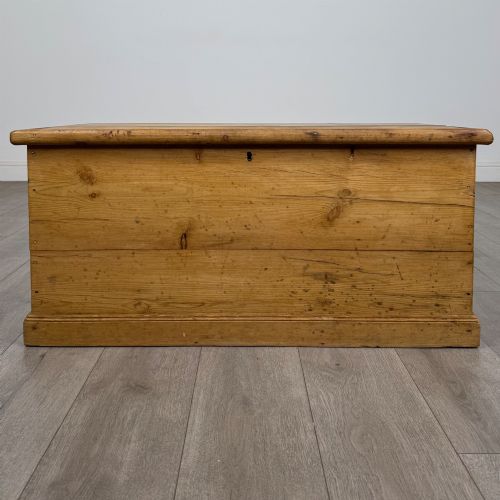
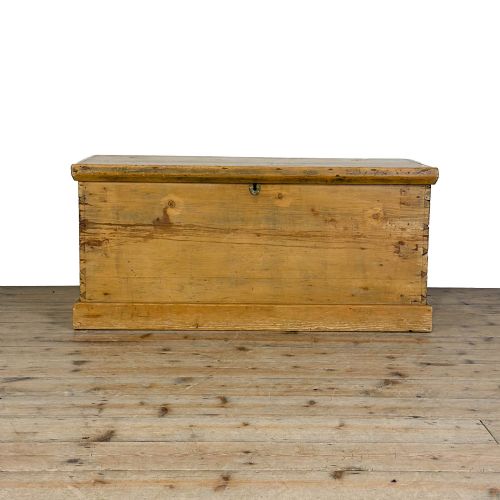
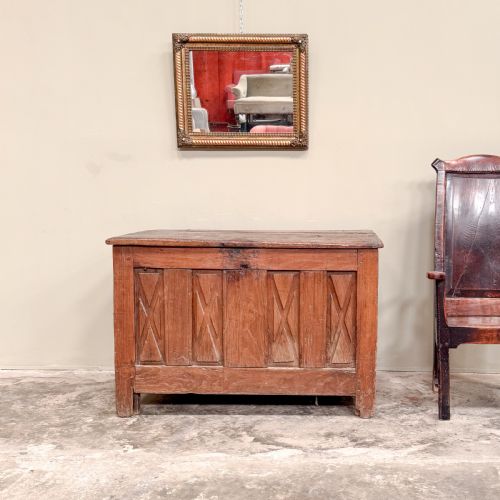
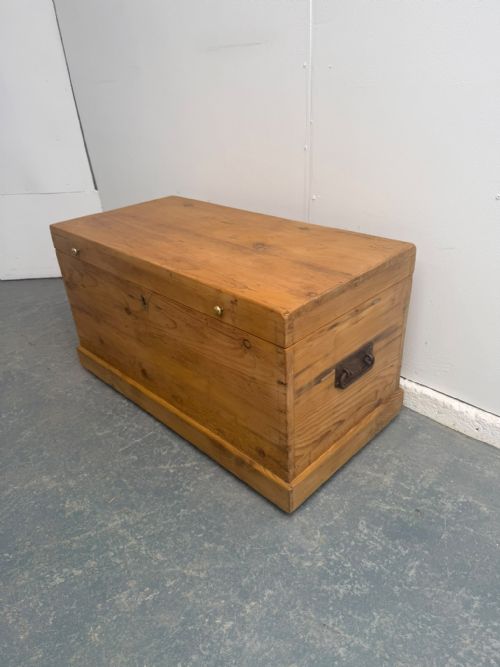
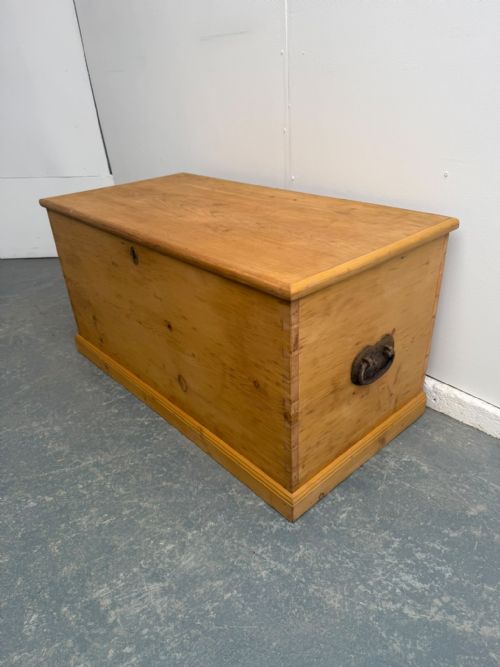
When you search for a traditional pine blanket box, you encounter heavy storage chests originating from the eighteenth and nineteenth centuries. These pieces encompass regional British examples, Welsh chests, and continental painted coffers from Hungary, France, and Sweden.
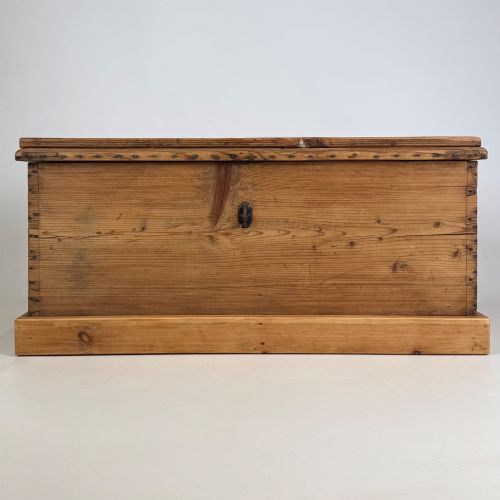
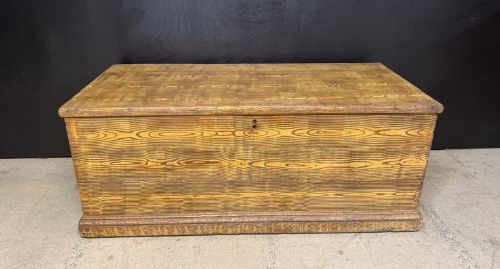
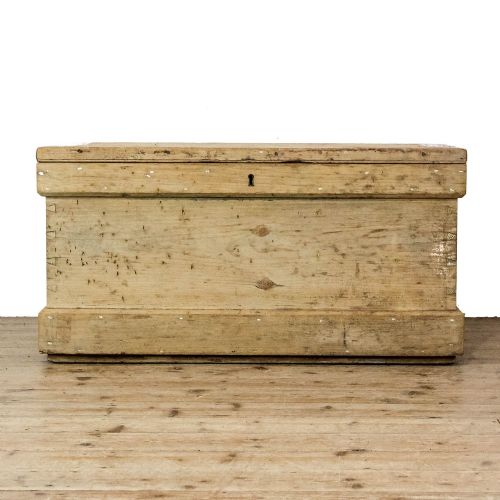
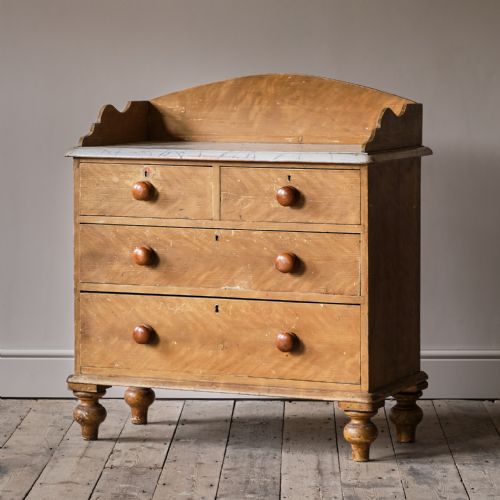
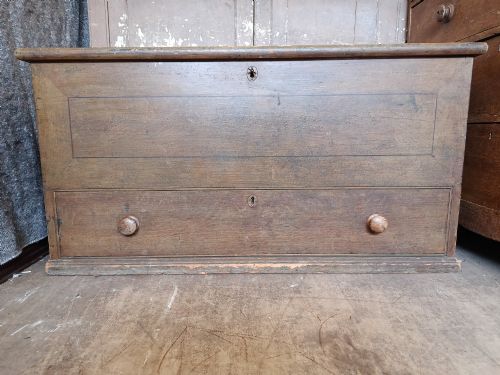
The version you most frequently meet on this page is the Victorian pine box, often finished with wax or retaining its original paint and scumble decoration. They span simple domestic storage trunks to mule chests fitted with lower drawers and marriage coffers adorned with floral motifs.
How they were made
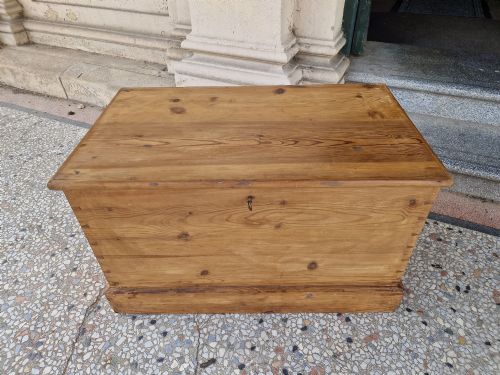
Carpenters constructed these boxes primarily from solid pine, utilising durable dovetail joints or pegged construction to withstand heavy daily use. Oak occasionally appears in internal framing or secondary elements.
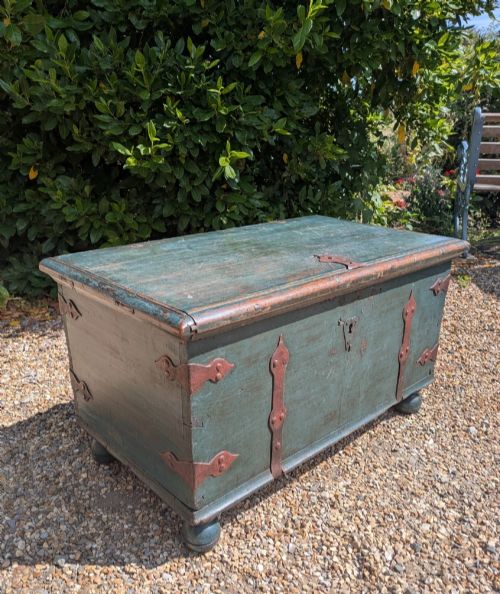
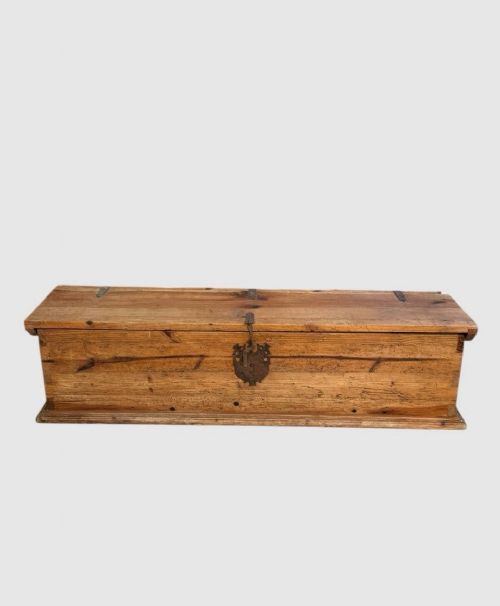
Hardware played a crucial functional role, featuring hand-forged iron strapwork, wrought iron hinges, and brass fittings that reinforced the corners and lids of storage chests and tool boxes.
Traditional Pine Blanket Box Retail Price Guide 2026
Typical asking prices for traditional pine blanket box among the pieces listed under this phrase on Sellingantiques today, from the lower quarter to the upper quarter. They describe what is for sale here now, not the wider market.
Materials recorded across the inventory extend beyond standard pine to include wrought iron, brass hardware, and original decorative pigments.
What varies in quality
The standard of a traditional pine blanket box rests upon the integrity of its original surfaces, whether preserved through mellow wax or untouched historical pigment. Boxes retaining their authentic painted decoration or floral folk art command greater interest than those stripped down to bare wood in later decades.
Construction details distinguish finer examples, such as neatly cut dovetailing, robust hand-forged iron strapwork, and functional internal till boxes. The retention of original hinges, locks, and keys further separates ordinary utility boxes from more complete collector pieces.
The Traditional Pine Blanket Box Glossary
- Mule chest
- A storage chest featuring one or more drawers built into the base beneath the primary compartment. This form evolved during the seventeenth and eighteenth centuries to offer combined linen and apparel storage.
- Coffer
- A heavy, deep chest traditionally used for storing valuables, textiles, or documents. They often feature robust boarded construction and secure hinged lids.
- Scumble
- A decorative paint technique where a translucent top layer of dark glaze is manipulated over a lighter opaque base coat to simulate grain. It was widely utilised on nineteenth-century furniture to imitate more expensive hardwoods.
- Strapwork
- Ornamental bands of metal, typically hand-forged iron, fastened across the exterior of a chest to reinforce corners and joints. This metalwork frequently doubles as a decorative focal point on folk art pieces.
- Marriage trunk
- A celebratory chest commissioned for a wedding, often painted with dates, initials, or floral motifs. These pieces served to transport and store a bride's dowry.
Traditional Pine Blanket Box: Frequently Asked Questions
How were blanket boxes used?
These boxes served primarily to store heavy woolen blankets, bed linens, and winter garments in domestic sleeping quarters. Their sturdy flat lids also allowed them to function as tables, benches, or luggage during transport.
In agricultural and rural homes, similar chests doubled as tool boxes or general storage receptacles for household provisions. Their robust construction protected contents from damp conditions and pests.
How do I care for waxed pine?
Maintain waxed pine surfaces by occasionally applying a traditional beeswax polish using a soft cloth, then buffing to a gentle sheen. Avoid placing timber furniture near direct heat sources or in damp environments to prevent splitting.
Keep moisture away from the wood by using coasters and wiping spills immediately. Gentle dusting with a dry lint-free cloth preserves the build-up of historic patina over decades.
What is a mule chest?
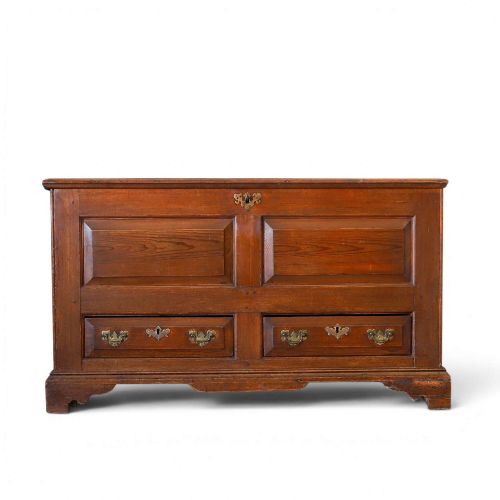
A mule chest is a traditional storage box that incorporates one or two drawers at the bottom beneath the main lift-top compartment. This design bridge combined the deep storage of a standard coffer with the accessible drawer storage of a chest of drawers.
The form emerged before dedicated wardrobe furniture became common in ordinary households. They appeared frequently in regional British workshops throughout the eighteenth and nineteenth centuries.
How can I date a pine box?
Examine the construction methods, tool marks, and hardware to estimate the age of a wooden chest. Hand-forged iron strapwork, rosehead nails, and early dovetail joints generally point towards eighteenth or early nineteenth-century origins.
The presence of original paint, scumble finishes, or handwritten inscriptions inside the lid can also provide clues regarding the period of manufacture. Later Victorian and fin-de-siècle pieces often display more uniform machine-sawn timber and simpler ironmongery.