

Traditional Pine Bedroom Storage
Traditional pine bedroom storage unites utility and warmth, bringing generous drawers, deep wardrobes and honest timber into modern rooms.
Traditional Pine Bedroom Storage
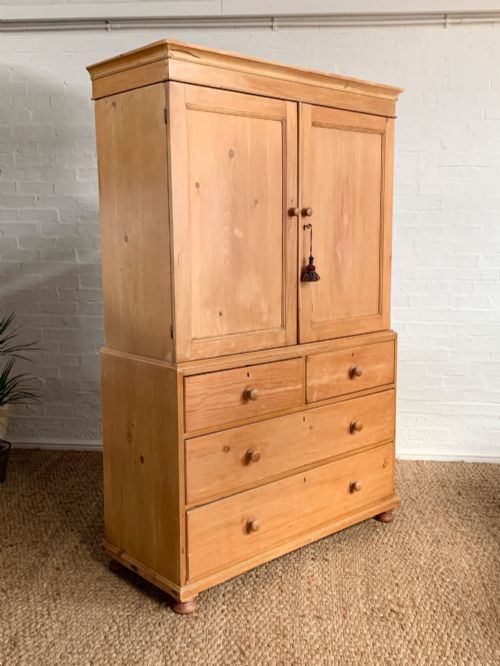
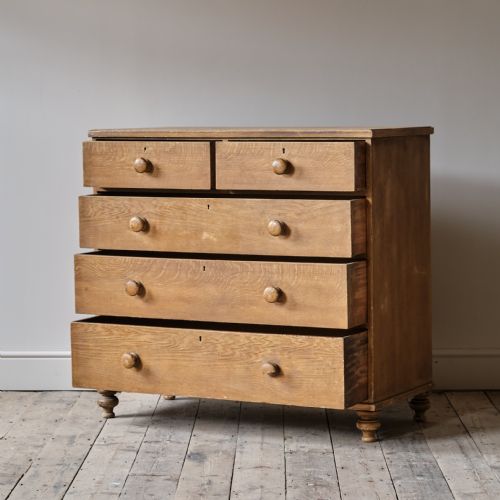
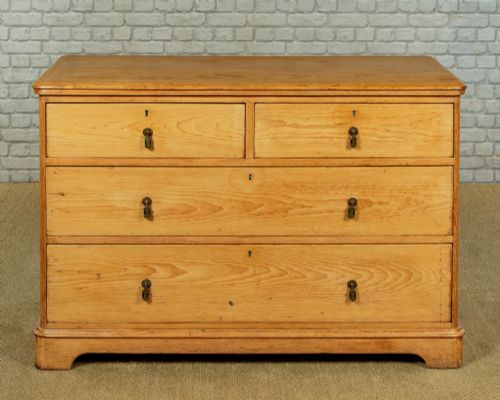
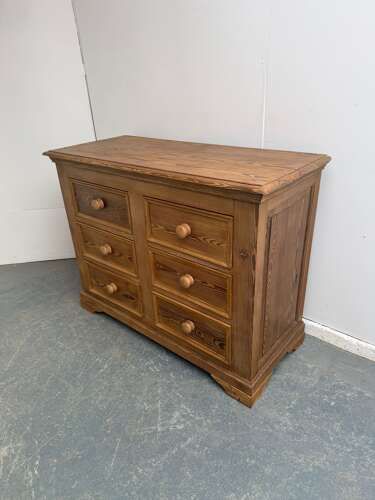
Traditional pine bedroom storage encompasses substantial chests of drawers, spacious wardrobes, linen presses and cupboards built during the Georgian, Victorian and Edwardian periods. These pieces serve as practical furniture while lending domestic warmth and character to a bedroom through honest timber construction.
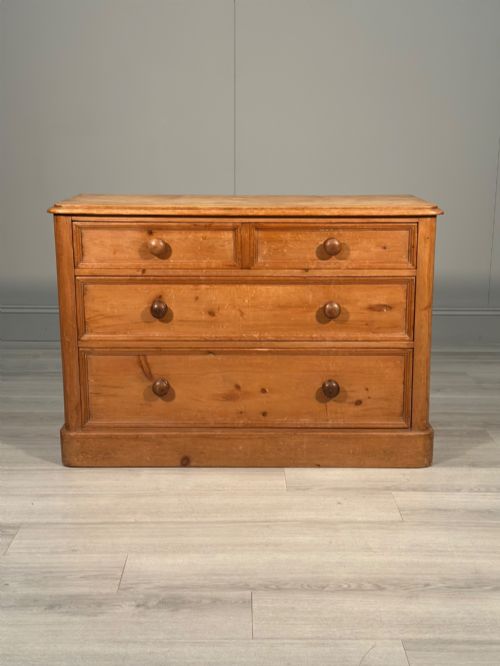
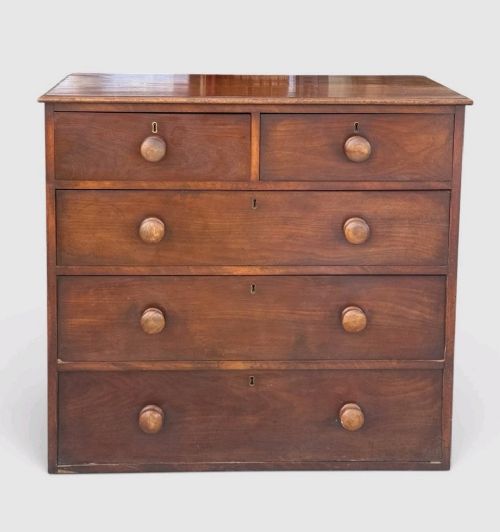
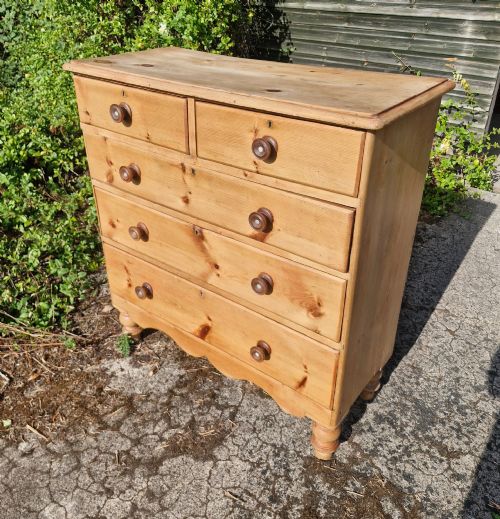
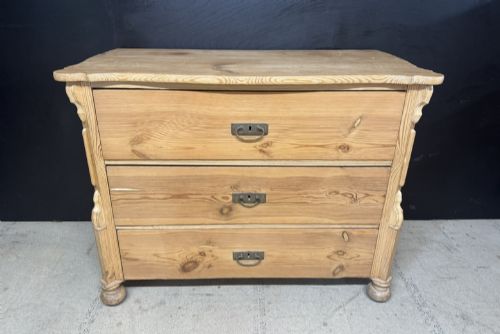
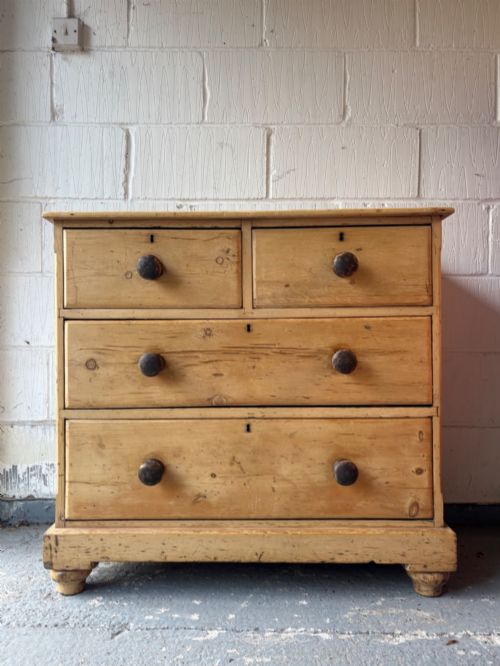
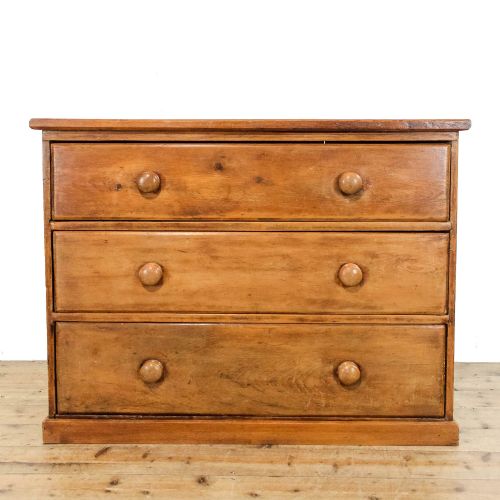
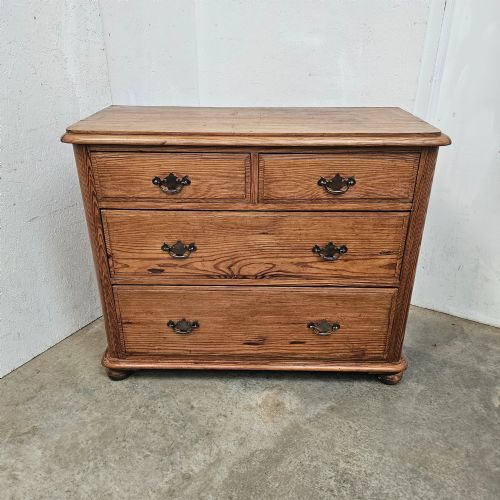
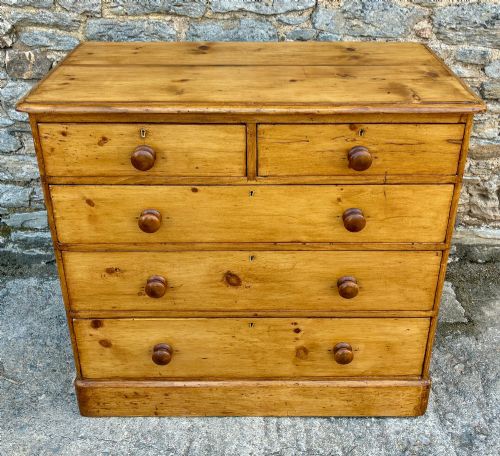
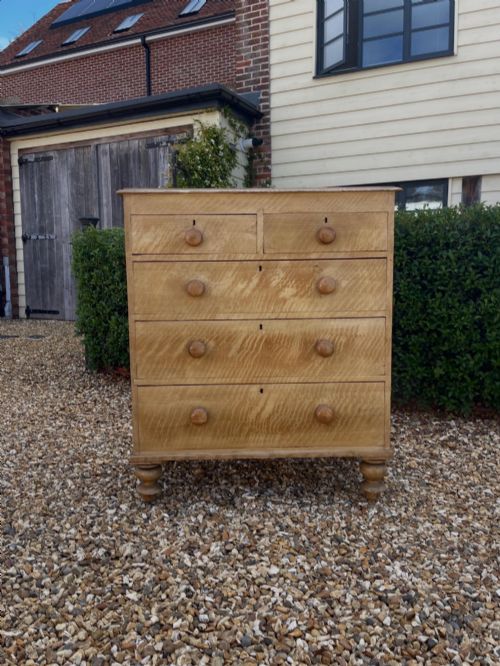
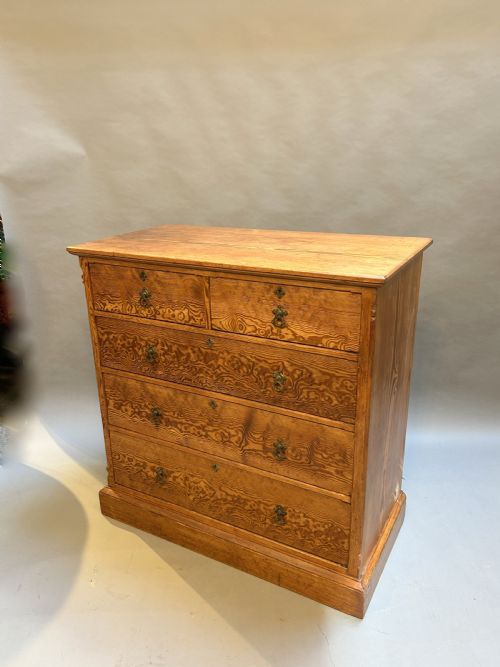
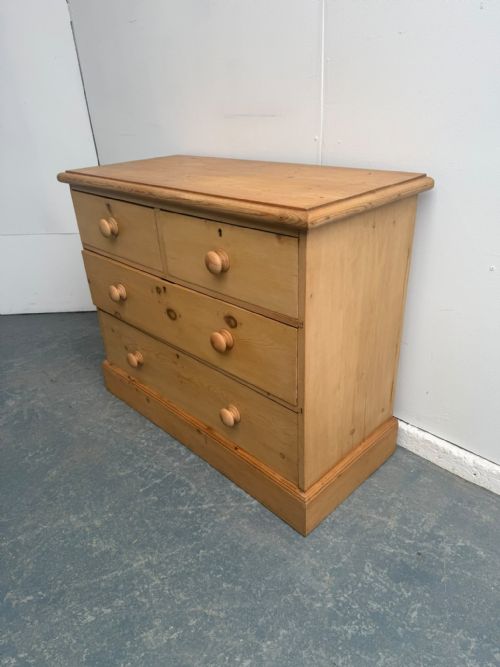
Chests of drawers dominate the selection, appearing in configurations from low three-drawer designs to massive five-drawer formats, alongside knockdown wardrobes and small cupboards. Most pieces date from the nineteenth century, showcasing English, Irish and continental workshop traditions that prioritise functional capacity.
How they were made
Workshops constructed these items primarily from solid pine, occasionally employing pitch pine or oregon pine for density and grain variety, with secondary woods used internally for drawer linings and carcases. Metal hardware such as brass handles and iron fittings added durability, while bone details occasionally appeared on finer examples.
Surface treatments divided into natural finishes using wax or scrubbed timber, and applied coats of paint ranging from original historic colours to contemporary grey and black schemes. Knockdown construction methods allowed large wardrobes to be disassembled for transport between rooms.
Several Victorian chests preserve the aromatic traces of long-gone linens tucked into their deep drawers by past owners.
What varies in quality
The architectural presence of a piece dictates its standing, separating standard utilitarian carcases from those possessing columned details, balanced proportions and superior drawer configurations. Cabinetmakers who selected timber with tighter growth rings and applied meticulous joinery produced furniture that maintains structural integrity across centuries.
Surface preservation dictates distinction, distinguishing items retaining original paint or undisturbed historic wax surfaces from those subjected to unsympathetic stripping or alterations. The presence of original hardware, sound internal drawer runners and intact structural feet elevates a piece above standard domestic equivalents.
The Traditional Pine Bedroom Storage Glossary
- Pine
- A softwood timber valued for its workability and distinct grain, forming the primary structural material across these pieces. It accepts wax, paint and scrubbing exceptionally well.
- Pitch pine
- A heavier, resinous variety of pine known for its prominent grain pattern and increased durability, frequently utilised in nineteenth-century utilitarian furniture.
- Knockdown wardrobe
- A large wardrobe designed with pegged or bolted joints that allow the entire structure to be disassembled into flat panels for ease of transport.
- Scrubbed pine
- Timber that has been deeply cleaned to remove old finishes, leaving a pale, matte surface that displays the raw grain and natural texture of the wood.
- Linen press
- A tall storage piece combining sliding trays or shelves in the upper section with deep drawers below, originally designed for domestic textiles.
Traditional Pine Bedroom Storage: Frequently Asked Questions
How do I care for antique pine furniture?
Maintain waxed surfaces by applying a traditional beeswax polish sparingly and buffing with a soft cloth to nourish the timber. Protect the wood from direct heat sources and strong sunlight to prevent drying and splitting.
Avoid using modern silicone-based sprays, which build up on the surface and attract dust over time. Clean painted pine gently with a dry or barely damp cloth without harsh detergents.
Can I dismantle a pine wardrobe for moving?
Many period pine wardrobes utilise knockdown construction with pegged or wedged joints intended for simple disassembly. Check the internal corners for wooden pegs or metal bolts before attempting to separate the panels.
Keep all original fixings together during transit to ensure the wardrobe reassembles correctly in a new room. If joints are fixed permanently with glue, do not force them apart.
What is the difference between waxed and painted pine?
Waxed pine highlights the natural grain, knots and warm golden tones of the timber through repeated polishing. This finish develops a rich patina with handling over generations.
Painted pine either conceals the timber beneath historic layers of pigment or displays a decorative finish applied later to suit domestic interiors. Original paint finishes carry historical value and require careful preservation.
How do I date a pine chest of drawers?
Examine the construction methods of the drawers, noting whether the joints utilise hand-cut dovetails or machine-made equivalents. The type of timber, handle style and backboards also provide clear indicators of the period.
Georgian pieces often feature fine proportions and simpler mouldings, while Victorian examples frequently showcase robust dimensions, turned bun handles and deeper drawer configurations.