

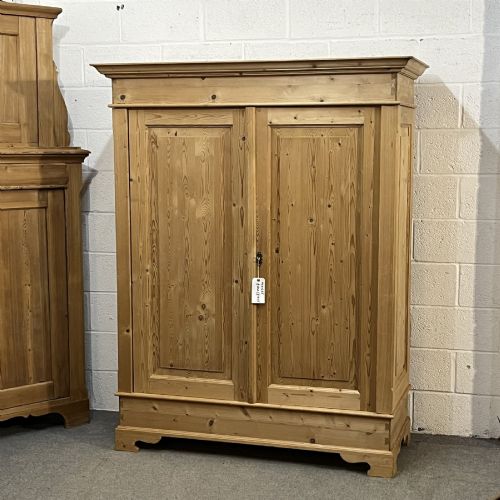
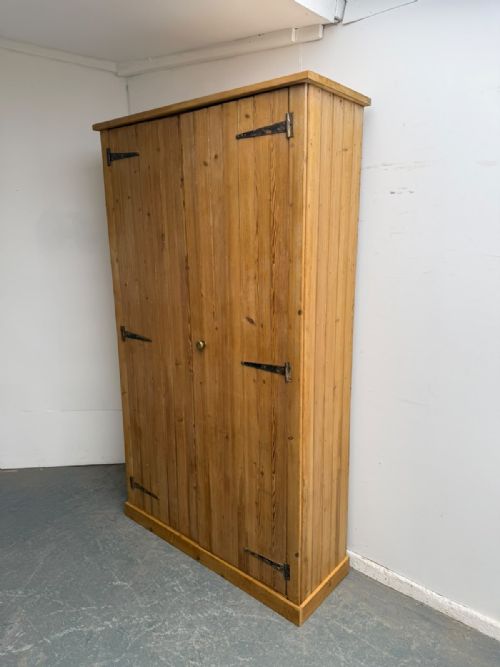
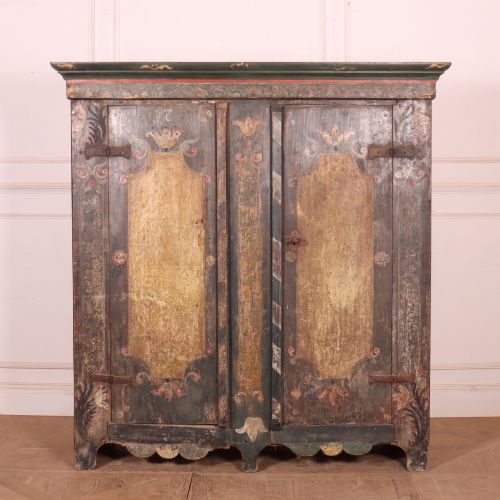
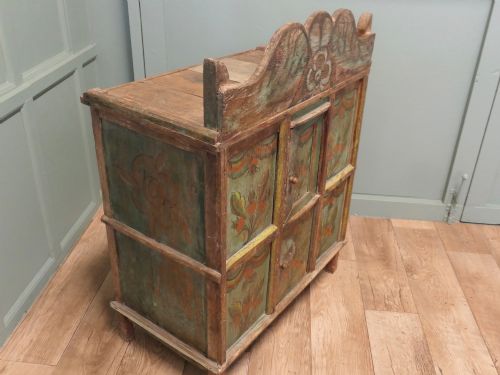
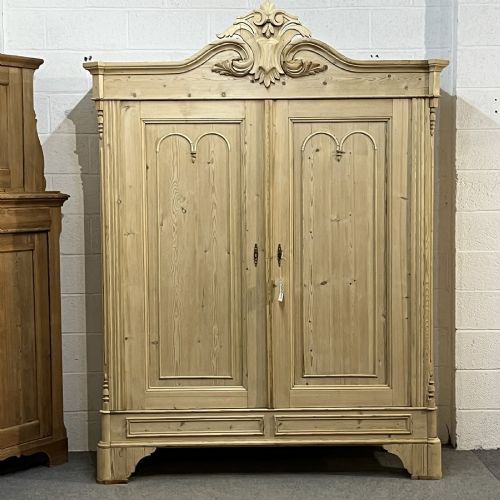
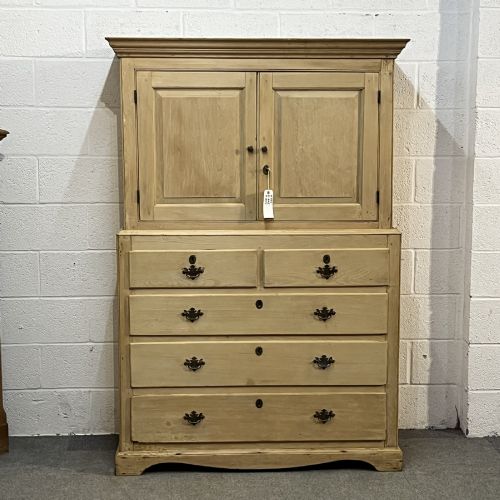
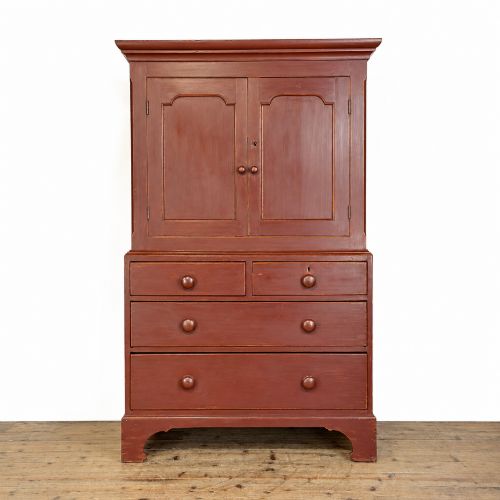
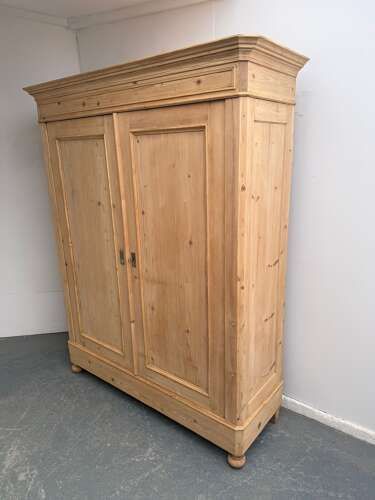
Traditional Pine Armoire Cupboard
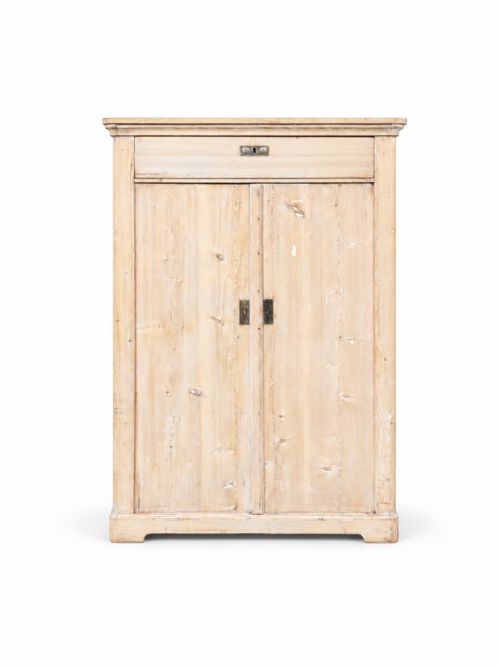
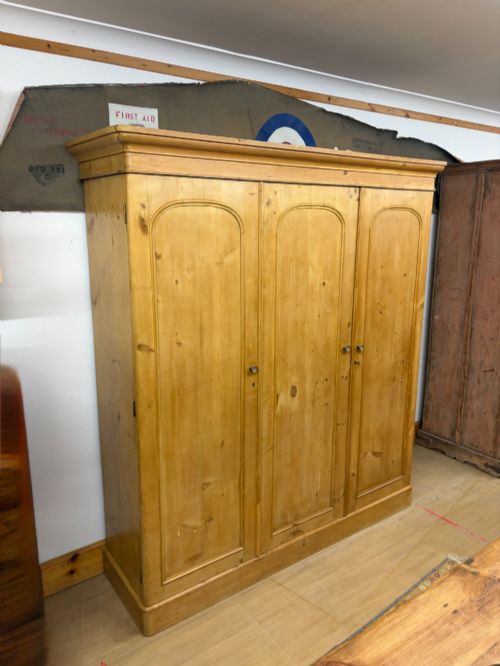
A traditional pine armoire cupboard brings substantial storage and rustic character to a room, offering generous proportions built from softwoods.
Traditional Pine Armoire Cupboard
A traditional pine armoire cupboard represents large-scale timber storage, encompassing wardrobes, housekeeper's cupboards, linen presses, and larder cabinets. These pieces serve domestic utility with deep shelving and hanging space.
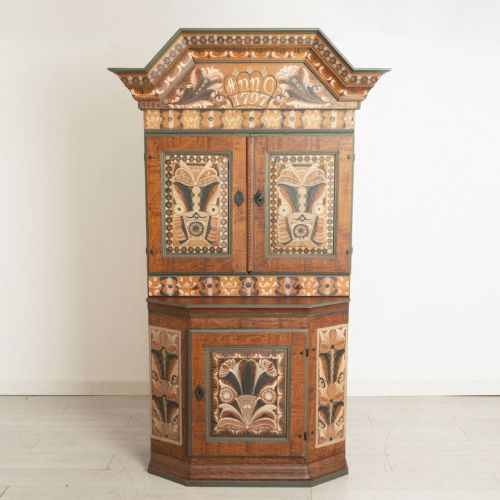
The selections span eras from the eighteenth century through to nineteen thirty, showing Georgian, Victorian, and later vernacular designs. Buyers encounter French, Hungarian, Swedish, and English regional workshops.
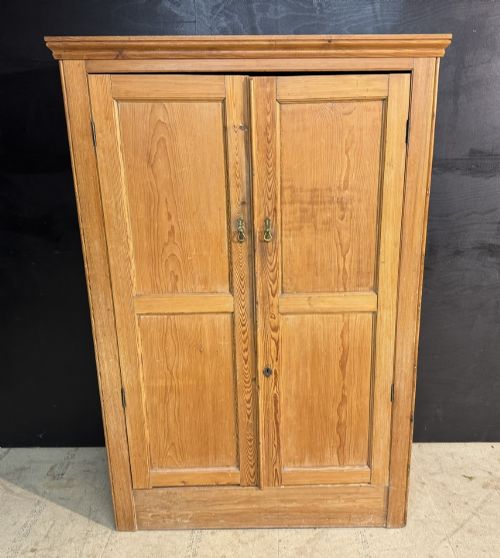
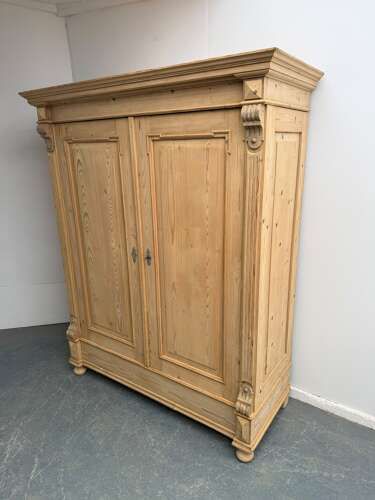
Forms vary from single-door hall wardrobes to massive triple and four-door units, often built with knockdown frames for transport. Interiors adapt to modern needs through adjustable shelving or clothes rails.
Materials and construction methods
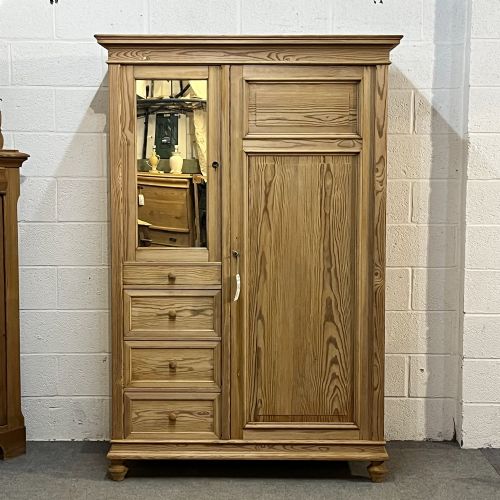
Carpenters relied principally on pine and softwood, supplemented by oak, iron hardware, and brass fixtures. Glass panels appear in specific cabinet doors, while others use solid timber panels.
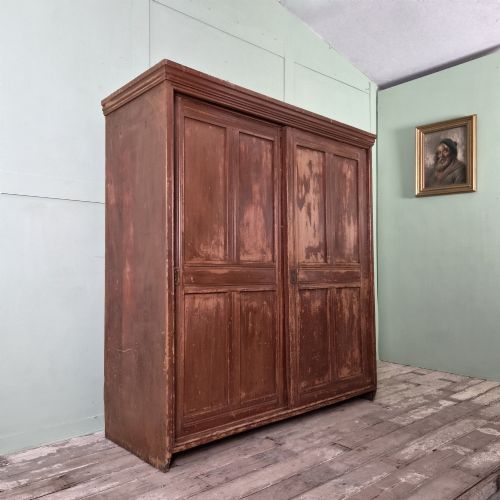
Surface finishes include plain waxed pine, scumble paint, Folk Art hand-painting, and painted treatments in grey or black. Many examples were constructed as knockdown furniture, allowing large carcases to dismantle using pegs or internal bolts.
Traditional Pine Armoire Cupboard Retail Price Guide 2026
Typical asking prices for traditional pine armoire cupboard among the pieces listed under this phrase on Sellingantiques today, from the lower quarter to the upper quarter. They describe what is for sale here now, not the wider market.
Distinctions in construction and finish
Quality rests upon the integrity of the timber joints, the presence of original hardware, and the survival of early painted or waxed surfaces. Superior items retain their structural rigidity while accommodating the seasonal movement of softwood.
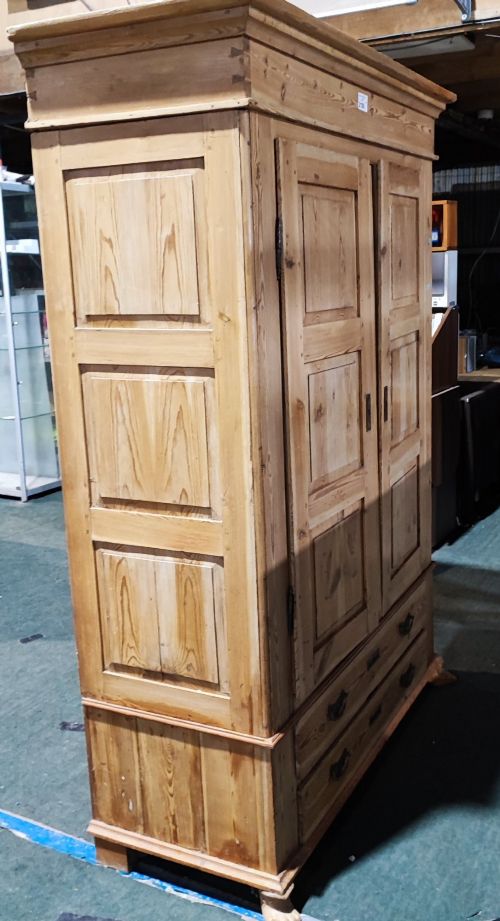
Finer examples display careful proportions, such as moulded cornices, panelled doors, and integrated drawers that operate smoothly. Regional details, like Swedish folk art or Tyrolean painted dates, elevate the decorative merit of a piece.
The Traditional Pine Armoire Cupboard Glossary
- Knockdown
- Furniture designed to be easily dismantled and reassembled using modular sections, which facilitated transport between rooms or properties.
- Housekeeper's cupboard
- A large storage piece traditionally used for linens and provisions, combining upper cupboards with lower drawer banks.
- Linen press
- A tall cupboard featuring sliding trays or shelves behind doors, paired with lower drawers for folded textiles.
- Scumble paint
- A decorative surface technique where a translucent glaze is manipulated over a pale ground to simulate richer wood grain or texture.
- Compactum
- A fitted wardrobe divided internally into compartments for different types of clothing, often integrating drawers and hanging space.
Traditional Pine Armoire Cupboard: Frequently Asked Questions
What is a knockdown wardrobe?
A knockdown wardrobe is built with modular sections that dismantle into flat panels and frames, held together by wooden pegs or internal bolts. This clever construction allowed large furniture to be moved easily through narrow doorways and up staircases.
Carpenters favoured this method for bulky pieces destined for bedrooms and upper floors. It ensures that substantial cupboards can be transported without risking structural damage to the joints.
How do I care for a waxed pine cupboard?
Waxed pine requires periodic application of natural beeswax to nourish the softwood and maintain a soft lustre. Keep the timber away from direct heat sources and radical temperature shifts to prevent the wood from splitting.
Routine dusting with a dry cloth keeps the surface clean without stripping the finish. Over time, the wax absorbs ambient oils and builds a deeper patina.
Are these cupboards suitable for modern clothing?
Many traditional cupboards feature deep shelves or open hanging areas that adapt well to contemporary storage requirements. Some examples include adjustable internal shelving to accommodate folded items or stacked boxes.
Depth varies by period, with older Georgian and Victorian pieces occasionally offering shallower interior dimensions than nineteen-thirties models. Buyers should check internal measurements against bulky modern coat hangers.
How can I tell a Georgian pine piece from a Victorian one?
Georgian pieces often display simpler architectural lines, lower proportions, and shallower depths suited to smaller hallways and bedrooms. Their construction relies on hand-cut joints and pegged timbers that reflect eighteenth-century workshop practices.
Victorian cupboards frequently showcase heavier mouldings, taller proportions, and more complex knockdown mechanisms. They also encompass a wider variety of painted finishes and fitted internal configurations.