

Traditional Picture Wall Art
Traditional picture wall art brings together centuries of painted canvases, watercolours, and prints to anchor a room.
Traditional Picture Wall Art
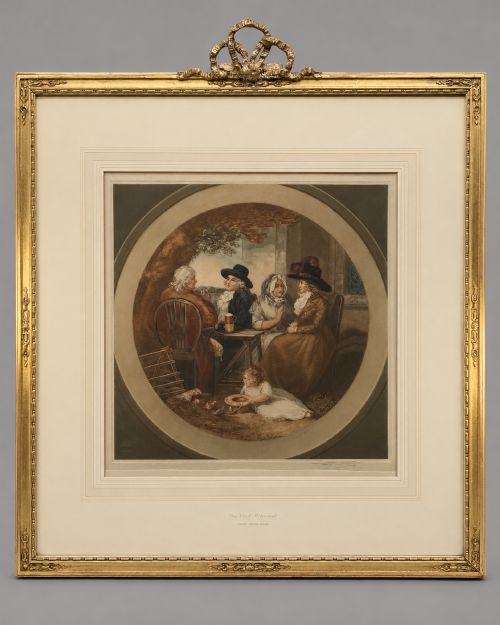
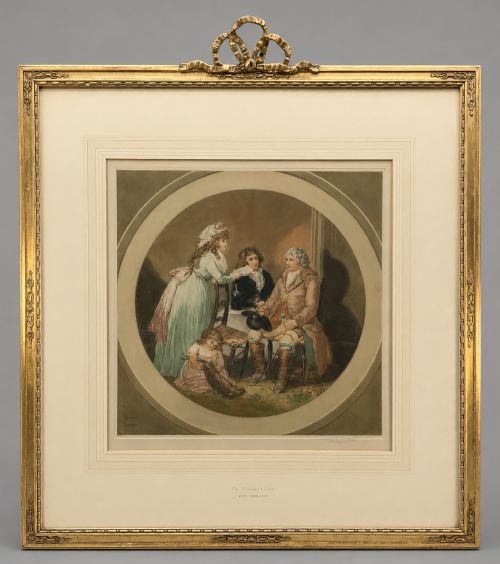
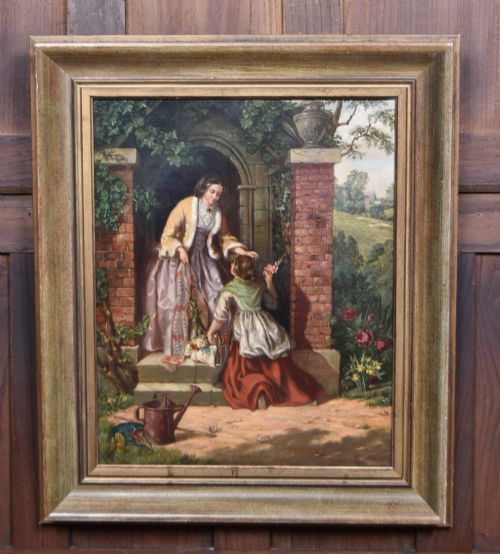
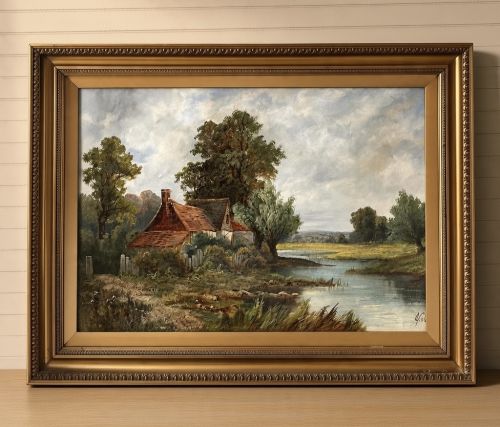
Traditional picture wall art encompasses oil paintings, watercolours, gouache works, lithographs, and reverse glass prints spanning from the seventeenth century through to the mid-twentieth century. Buyers seek these pieces to bring historical depth and established figurative or landscape subjects into domestic spaces. The selection relies heavily on nineteenth-century and Edwardian British works, alongside Dutch and Flemish style compositions.
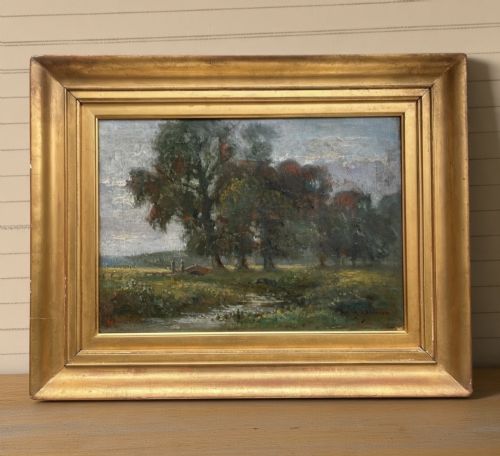
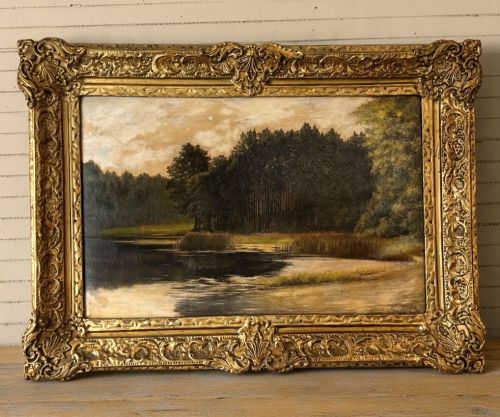
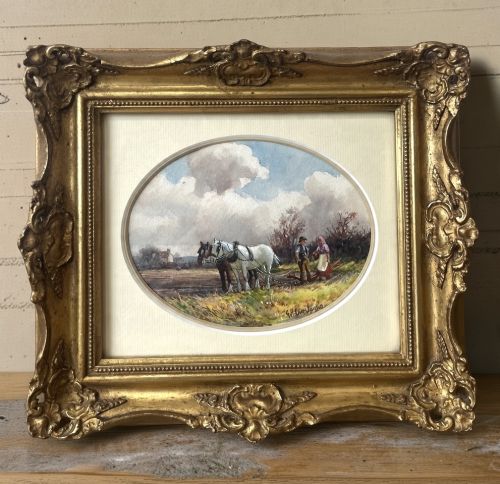
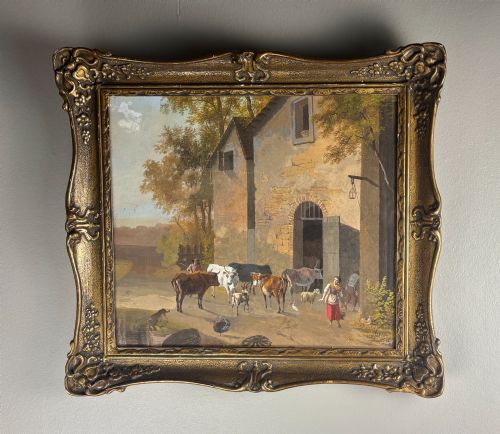
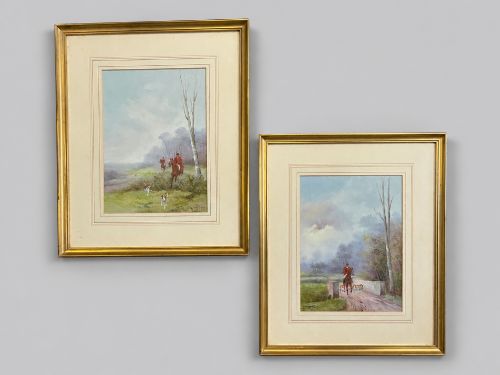
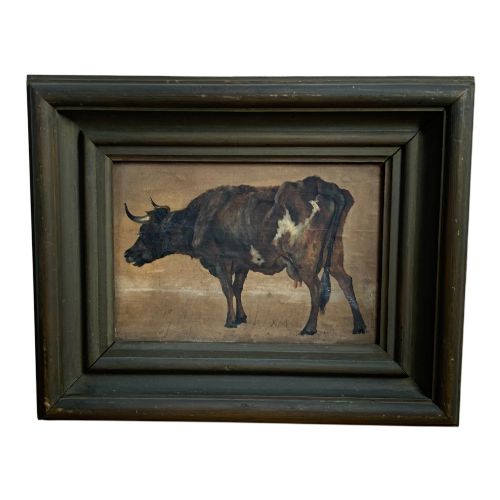
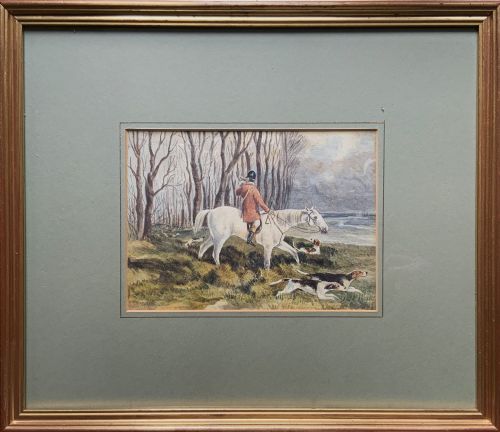
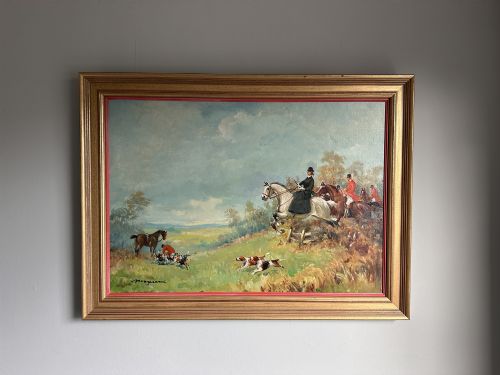
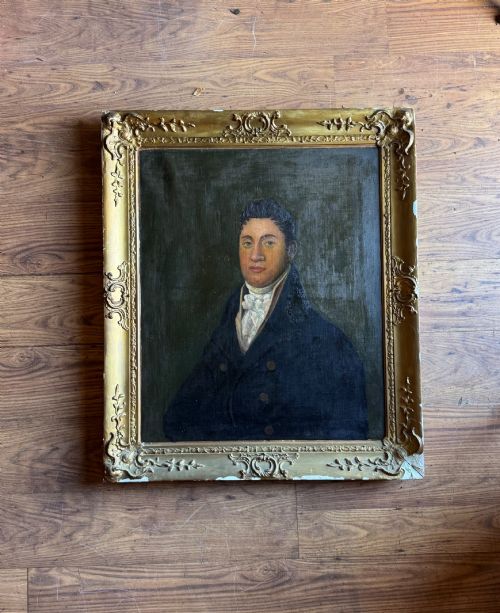
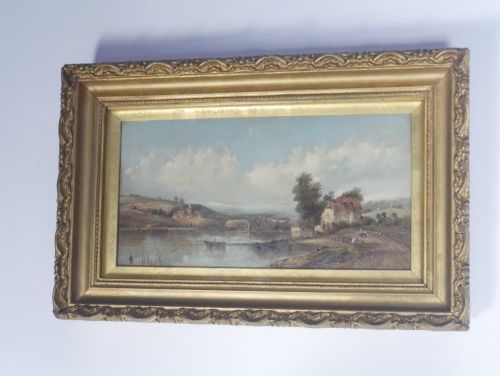
Most items on this page lean towards landscapes, rural scenes, equestrian subjects, and portraiture executed in oil or watercolour. The subjects range from quiet river banks and woodland views to dynamic hunting scenes and maritime clashes. These works reflect the domestic tastes of past centuries, prioritising recognisable pastoral and sporting motifs.
Materials and construction methods
Painters and printmakers utilised traditional supports such as woven canvas, heavy paper, wooden panels, and glass sheets. Oil paint was applied directly to canvas or board, often built up with gesso grounds to secure the pigment, while watercolours relied on fluid washes of pigment across paper. Gold leaf frequently embellished the frames that accompanied these works.
Techniques varied from meticulous oil sketching and fine watercolour hatching to colour mezzotints and lithographic printing. Wood panels provided rigid surfaces for detailed Flemish style scenes, while reverse glass painting required artists to apply pigments to the back of the glass sheet so the image appeared correctly through the front.
Traditional Picture Wall Art Retail Price Guide 2026
Typical asking prices for traditional picture wall art among the pieces listed under this phrase on Sellingantiques today, from the lower quarter to the upper quarter. They describe what is for sale here now, not the wider market.
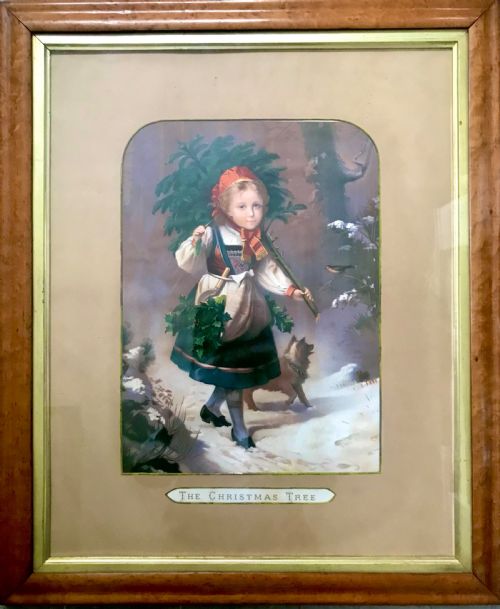
A youthful subject is caught carrying a Christmas tree home through the snow.
Distinctions in quality
Quality rests upon the execution of the brushwork, the handling of light and perspective, and the fidelity of the composition. Skilled artists demonstrate precise control over anatomical proportions in figures and animals, alongside convincing atmospheric depth in skies and distant foliage. Weaker pieces often rely on formulaic repetition without observational precision.
The integrity of the original materials also marks the standard of a piece. Works preserved on their initial canvas supports or wood panels without heavy structural intervention retain greater character. The coordination between the artwork and its period frame further elevates the standard of the item.
Eugene James Tily·Thomas Faed·George Cole·Fred Solway Merriman·George Hamilton Constantine·Karel Dujardin·Cecil Charles Windsor Aldin·W.L. Guest·Robert Gallon·Pieter Cornelis Steenhouwer·Edmund Bristow·Edward Charles Williams·William Shayer·William H Myers·Alfred Young Nutt·W Klombeck·Percy Lancaster·William McAlpine
The Traditional Picture Wall Art Glossary
- Mezzotint
- A printmaking process where the copper plate is roughened to achieve rich tonal gradations. This technique allows for subtle transitions between light and dark areas.
- Gesso
- A plaster mixture applied to wood panels or canvas as a prepared base for painting. It creates a smooth surface that holds oil pigments securely.
- Lithograph
- A planographic print method based on the repulsion of oil and water. Artists draw on limestone or metal plates to produce multiple impressions.
- Gouache
- An opaque watercolour paint mixed with a binding agent and white pigment. It dries to a flat, dense finish on paper supports.
- Reverse glass print
- An image applied directly to the rear side of a glass panel. Viewers observe the finished picture through the polished front surface.
Traditional Picture Wall Art: Frequently Asked Questions
How do I identify a 19th-century oil painting?
Examine the canvas support, stretcher frames, and the ageing of the oil pigments under natural light. Nineteenth-century works typically utilise hand-woven canvas tacked to simple wooden stretchers.
Look for craquelure across the paint surface, which indicates natural drying and oxidation over decades. Signatures or inscriptions on the reverse often provide further clues to the period.
What subjects were popular in Victorian wall art?
Victorian buyers favoured rural landscapes, domestic animal portraits, sporting scenes involving horses and hounds, and narrative genre paintings. These subjects reflected a deep appreciation for the countryside and pastoral life.
Equestrian art and depictions of local landmarks also held a prominent place in Victorian domestic interiors. Artists captured these themes in both detailed oil paintings and fluid watercolours.
How should I care for antique watercolours?
Keep antique watercolours away from direct sunlight to prevent the fading of delicate pigments on paper. Framing should be executed with acid-free mounts to protect the paper from chemical degradation over time.
Maintain stable humidity levels in the room where the artwork hangs. Excessive moisture can encourage mould growth and paper distortion.
What is a reverse glass print?
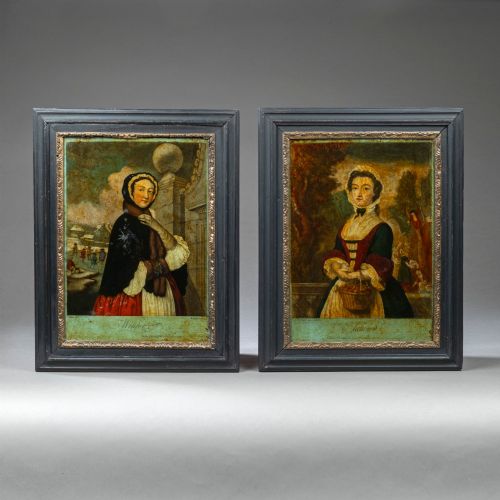
A reverse glass print is an image transferred or painted directly onto the back of a glass sheet. The composition must be applied in reverse so it appears correctly when viewed from the front.
This technique produced glossy, decorative panels that were frequently framed for domestic display during the Georgian and Victorian eras. The glass surface protects the pigments from atmospheric dirt.