

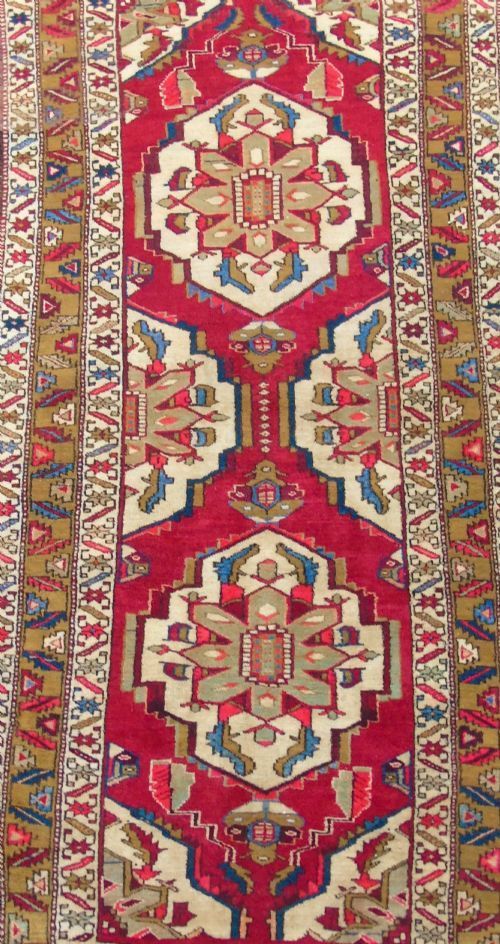
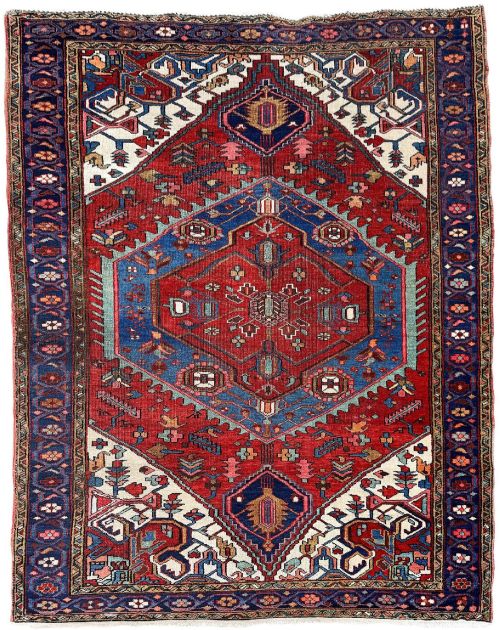
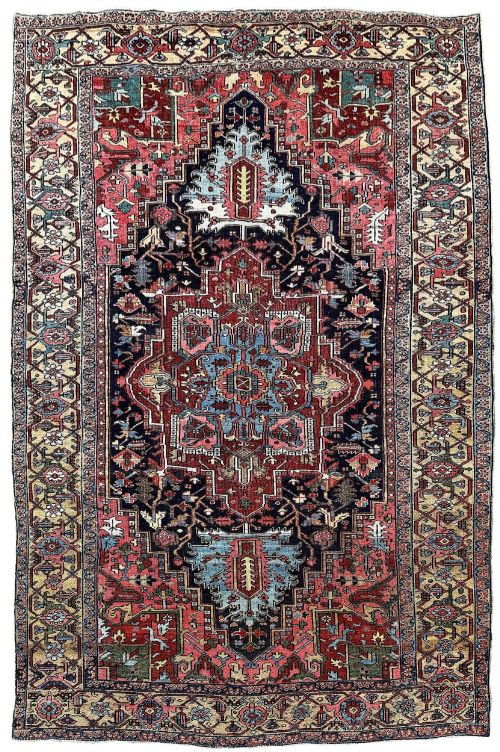
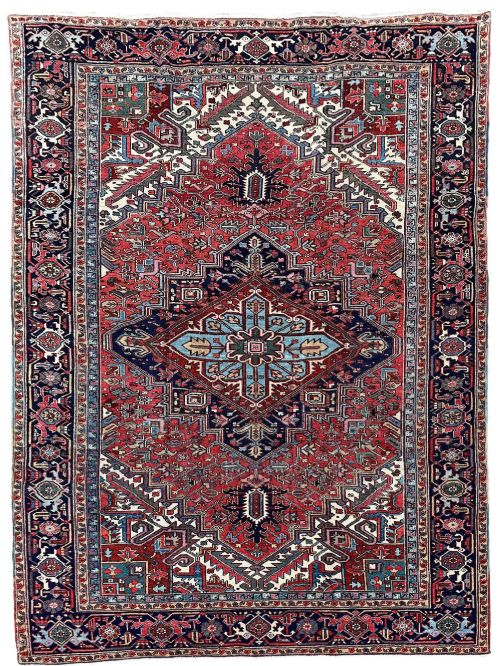
Traditional Persian Medallion Carpet
A traditional persian medallion carpet anchors a room with centuries of weaver's geometry and rich wool pile.
Traditional Persian Medallion Carpet
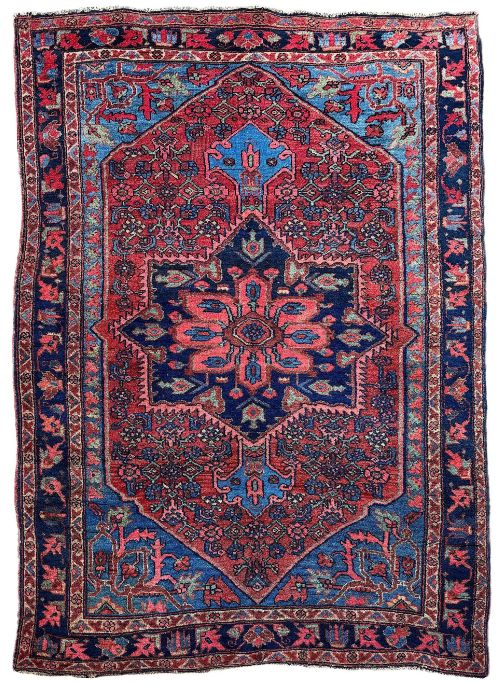
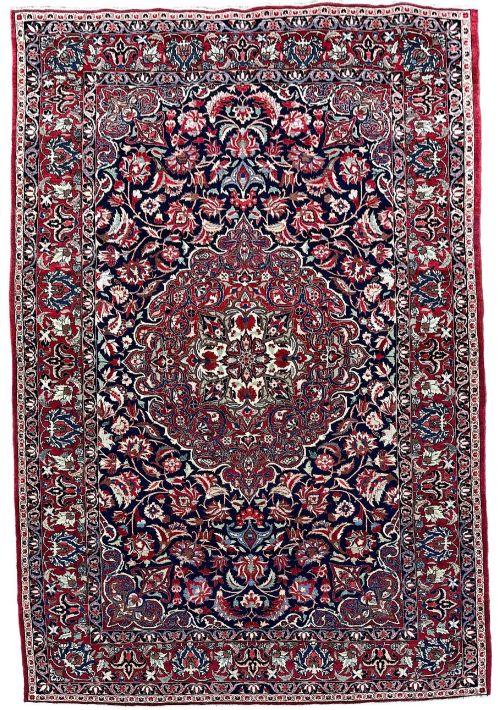
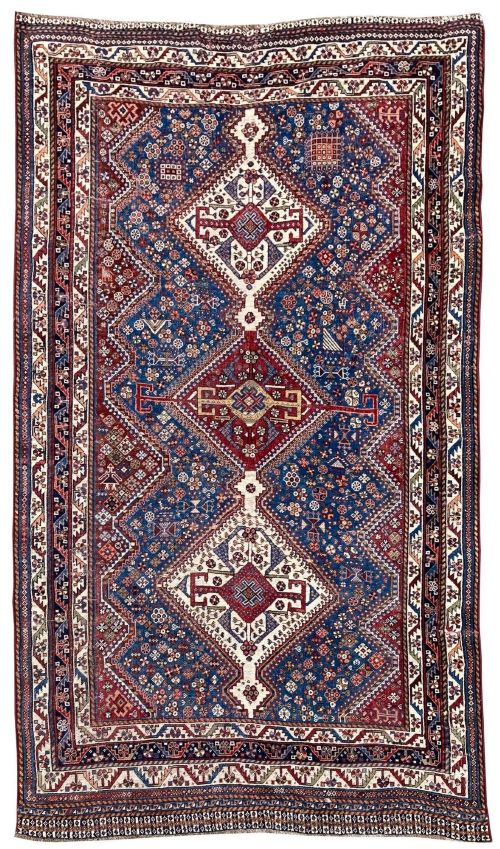
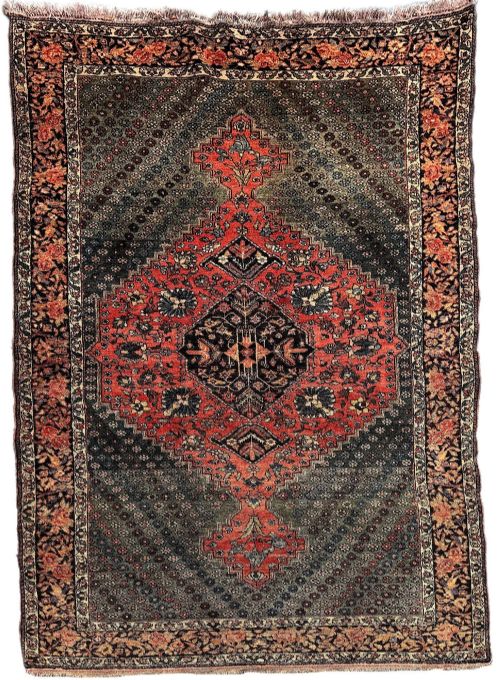
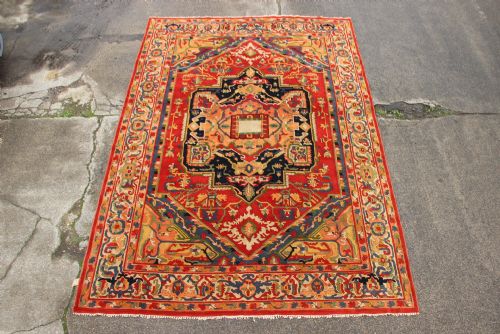
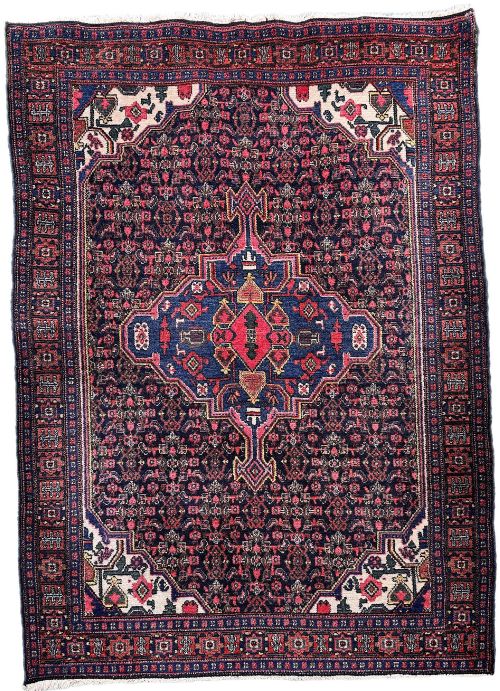
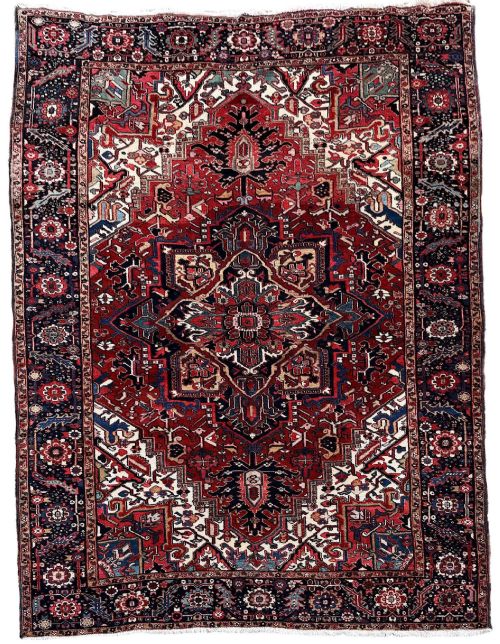
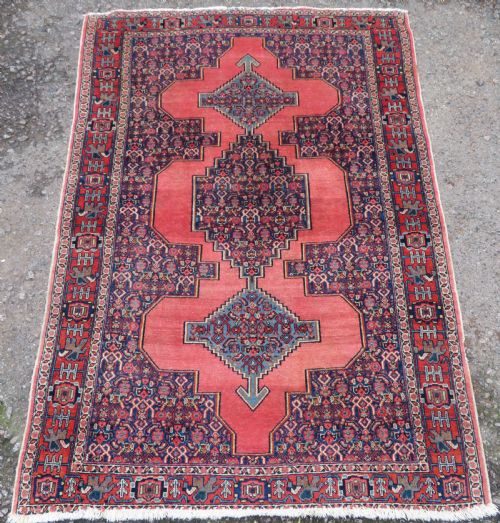
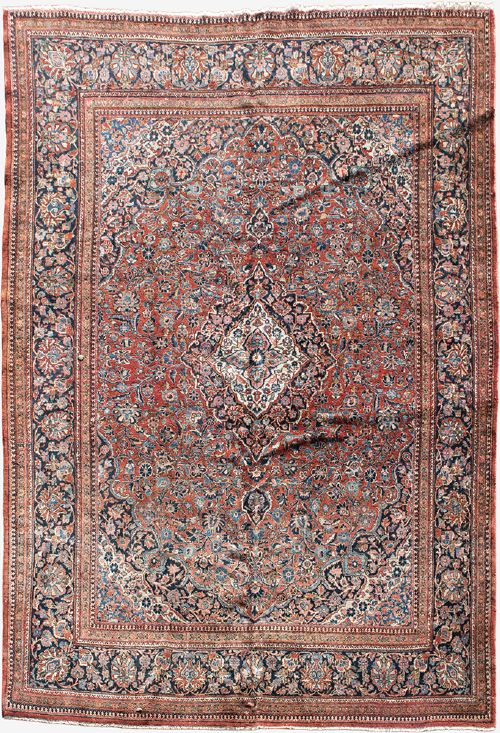
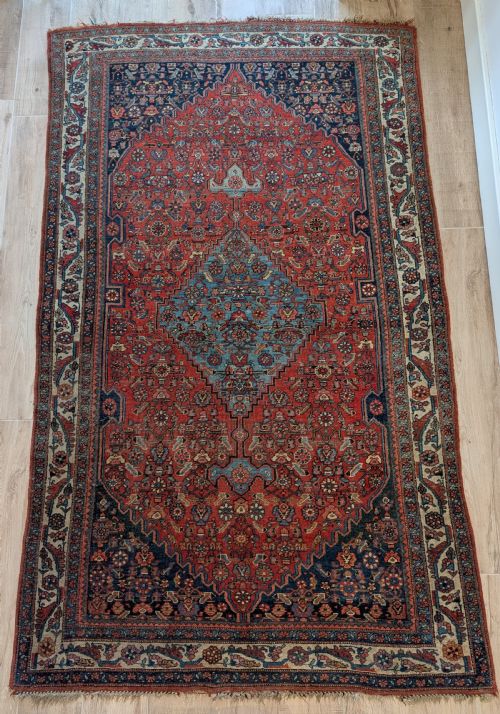
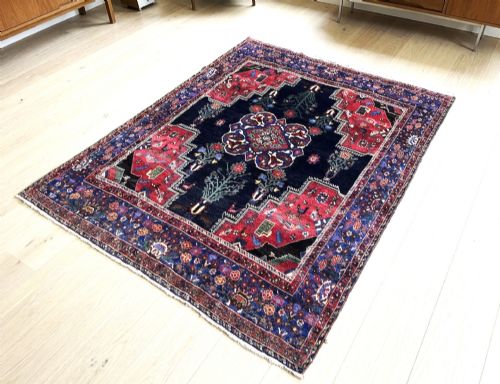
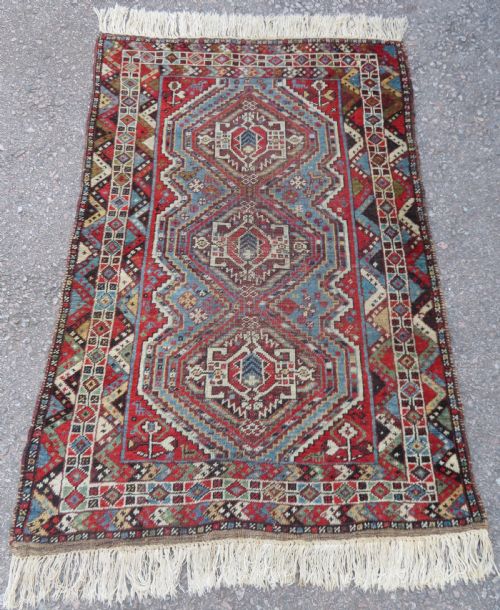
When searching for a traditional persian medallion carpet, buyers encounter hand-woven floor coverings originating from various regions and villages across Persia. These pieces typically display a central decorative motif surrounded by elaborate field patterns and borders.
The selections available range from large carpets down to smaller area rugs and runner rugs. They date primarily from the nineteenth and early twentieth centuries, spanning periods from eighteen-fifty up to nineteen-thirty.
How they were made
These textiles are constructed using natural materials such as wool, cotton, and occasionally silk highlights. Artisans tie dense knots onto foundation warps and wefts to build durable and textured floor coverings.
Weavers in different towns and tribal regions employ distinct regional designs, colour palettes, and structural densities. Certain carpets incorporate silk elements to accentuate specific details within the overall pattern.
Traditional Persian Medallion Carpet Retail Price Guide 2026
Typical asking prices for traditional persian medallion carpet among the pieces listed under this phrase on Sellingantiques today, from the lower quarter to the upper quarter. They describe what is for sale here now, not the wider market.
Certain Bijar carpets possess such dense foundations that the heavy wool pile stubbornly refuses to fold.
What varies in quality
Quality differences stem from knot density, the precision of the curvilinear or geometric drawing, and the integrity of the wool foundation. Finer examples maintain crisp pattern definition and tightly packed piles.
The handling of natural dyes and the balance of the central design against the surrounding corners and borders also distinguish standard village pieces from finer city-woven carpets.
The Traditional Persian Medallion Carpet Glossary
- Medallion
- A symmetrical central ornament placed in the middle of the carpet field. This focal motif anchors the entire compositional design.
- Warp
- The vertical threads stretched lengthwise on the loom that form the structural foundation of the rug. Weft threads are inserted across them.
- Pile
- The upright surface yarn formed by the cut ends of knots. This layer provides the soft texture and absorbs daily wear.
- Serapi
- A specific trade descriptor often applied to geometric Heriz carpets with bold, spacious medallion designs. They originate from the Heris district in northwest Persia.
- Kelleh
- A long, narrow format of carpet traditionally suited for placement along the walls of a grand room.
Traditional Persian Medallion Carpet: Frequently Asked Questions
How do I clean an antique carpet?
Gentle surface brushing and professional specialist washing help preserve the natural wool fibres without damaging the foundation.
Harsh chemical treatments and excessive moisture should be avoided to protect the integrity of the dyes.
Can these rugs go in hallways?
Longer runner formats and narrower village rugs fit naturally into corridors and heavy traffic areas.
Using a quality underlay prevents slipping and cushions the wool pile against hard flooring.
What is a village rug?
Village rugs are produced by independent weavers working in local communities rather than large urban manufactories. Their designs tend to display more geometric interpretations and spirited tribal character.
These pieces often utilise locally sourced wool and traditional regional colour combinations passed down through generations.
How do I identify regional styles?
Regional attribution relies on observing specific colour palettes, border arrangements, and structural characteristics unique to places like Heriz, Bidjar, or Kashan.
Local weaving traditions dictate the specific knotting techniques and geometric or floral motifs found within the field.