


Traditional Persian Accent Rug
A traditional persian accent rug brings centuries of woven artistry into a room, offering distinct regional patterns and tactile depth.
Traditional Persian Accent Rug
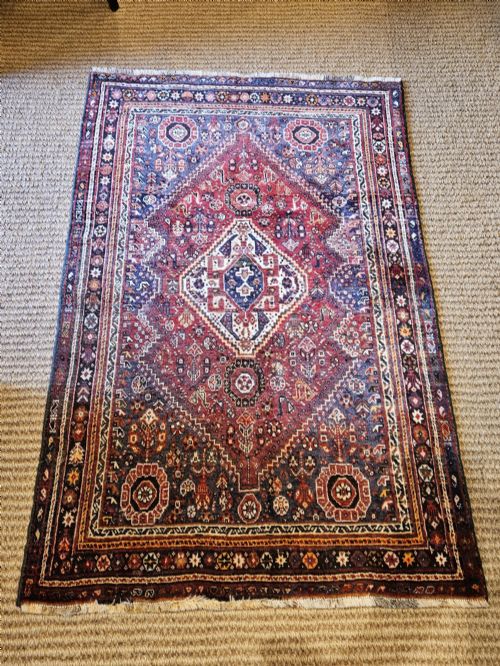
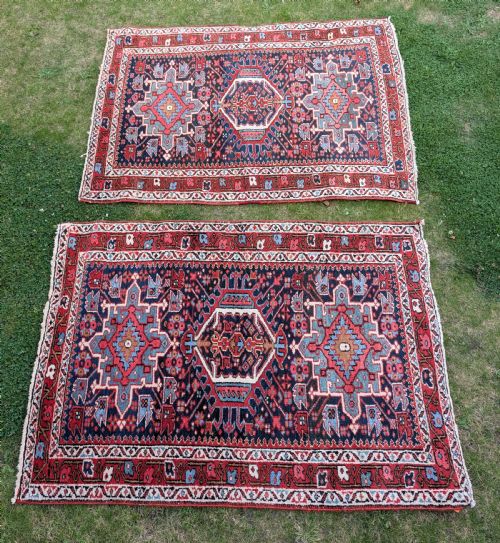
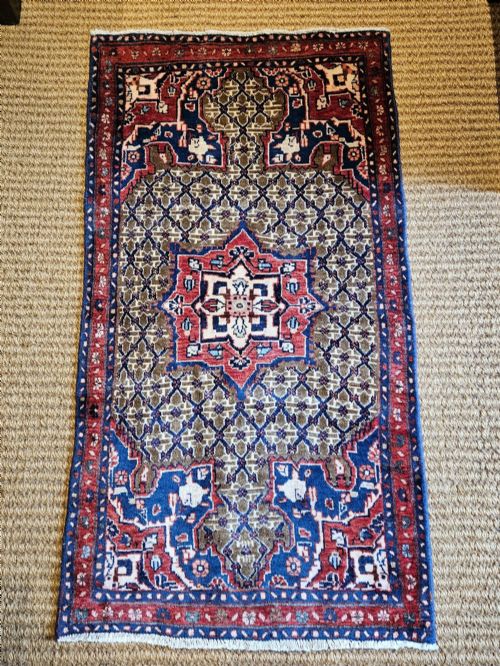
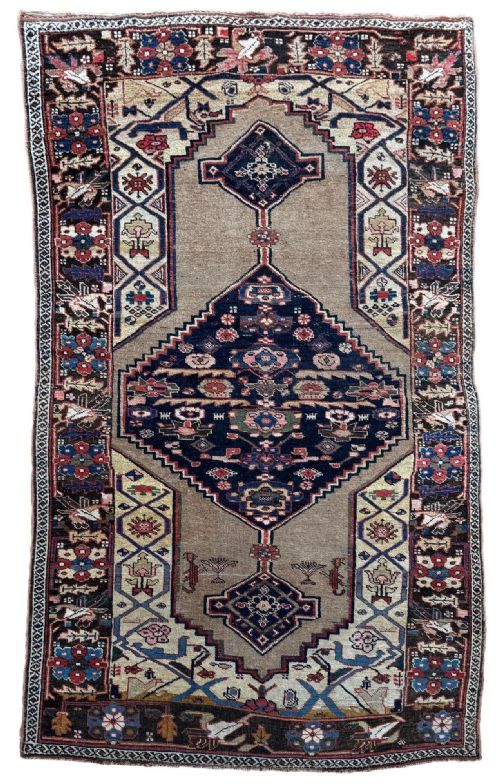
When you search for a traditional persian accent rug, you encounter hand-knotted floor coverings hailing from various Persian towns and tribal regions. These pieces range from compact scatter formats to hearth-sized examples suited for focused spaces.
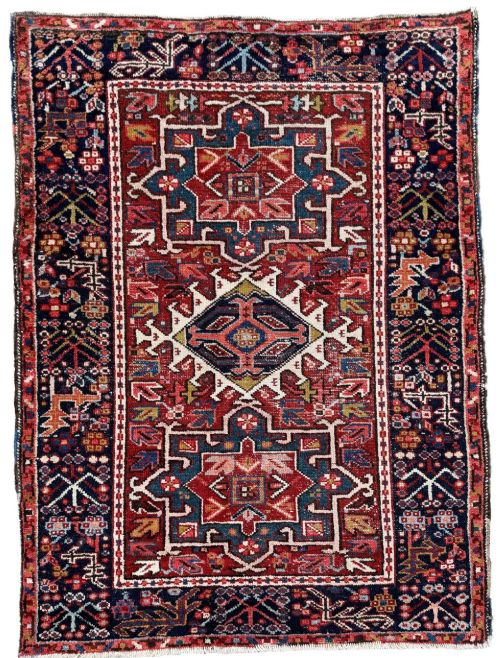
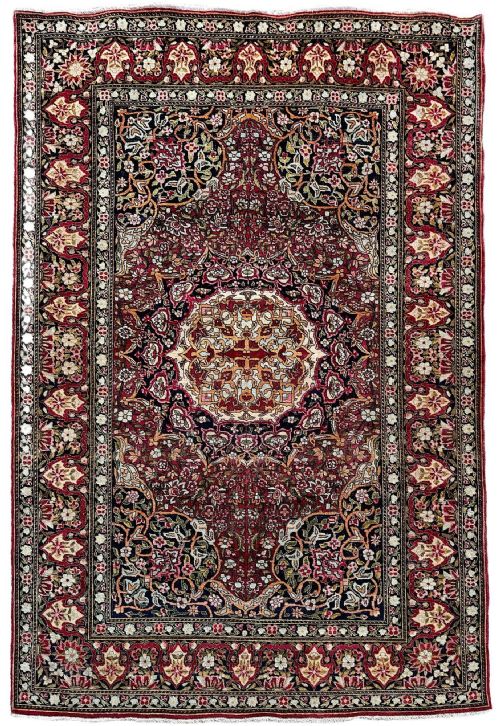
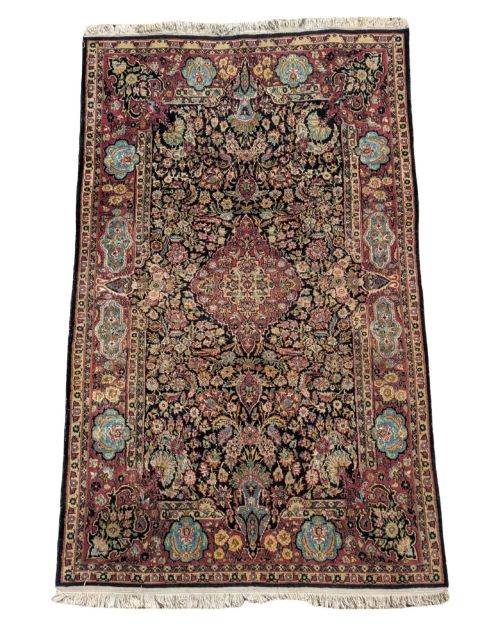
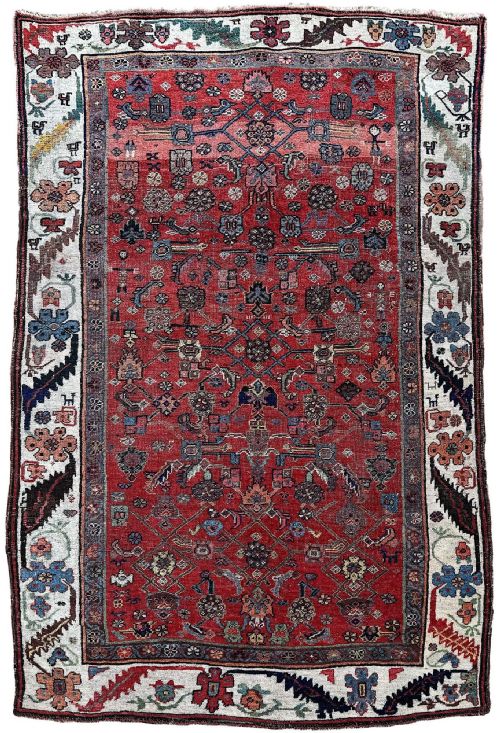
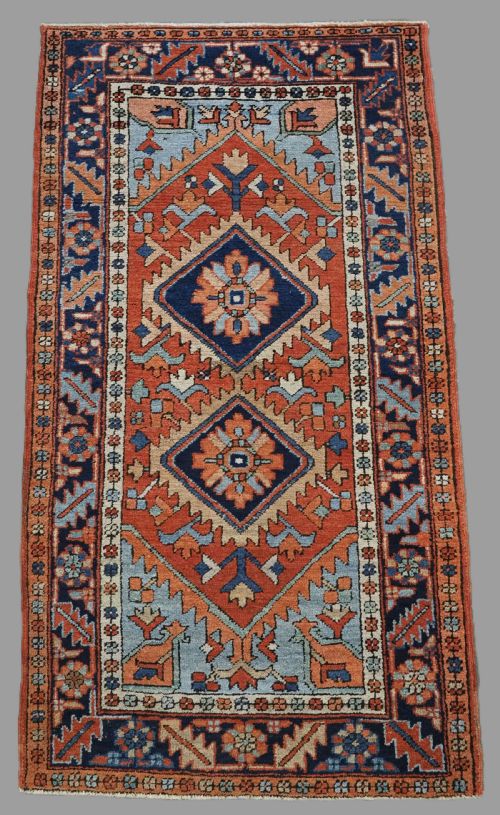
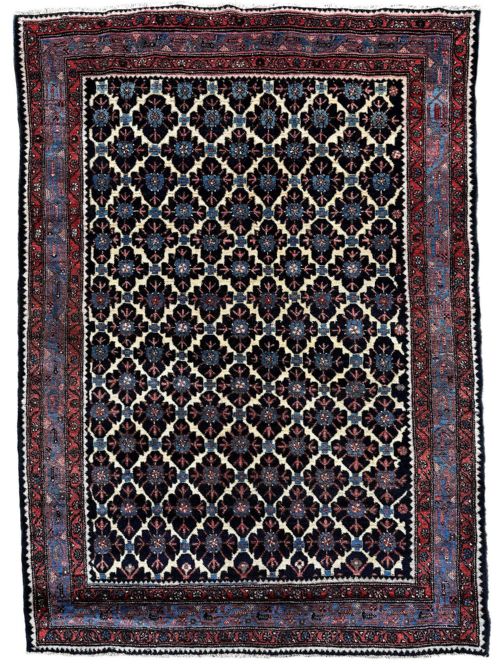
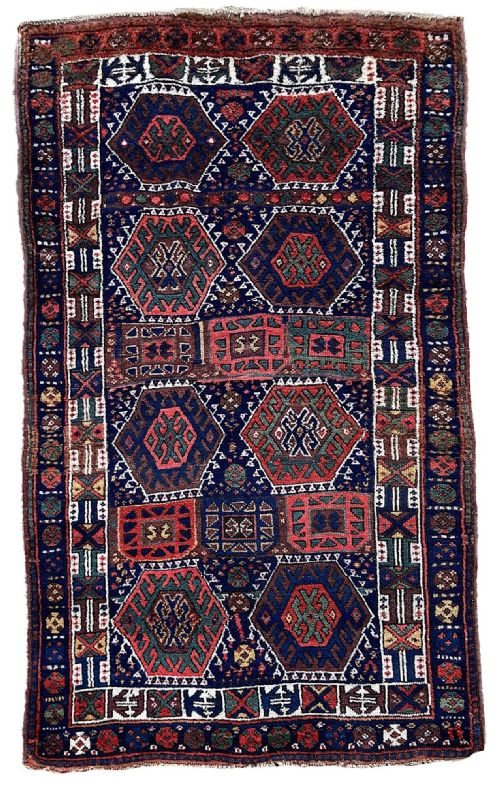
The selection on this page centres on items originating from the nineteenth and early twentieth centuries. You will find specific regional weaves, including Heriz, Bidjar, Karaja, and Afshar, each carrying distinct village or urban characteristics.
Tribal and city pieces alike serve as functional art, utilising wool, cotton, and occasionally silk highlights. Their patterns draw on geometric motifs, medallions, and traditional floral designs passed down through generations of weavers.
How they were made
Craftsmen built these textiles using hand-spun wool and cotton warps, constructing each piece knot by knot on upright looms. Natural dyes provided the foundational palette, yielding rich tones that settled gracefully over decades of use.
Weavers in different districts employed specific structural techniques, such as the dense, heavy packing found in Bidjar carpets or the resilient coarse wool characteristic of tribal Heriz and Karaja output.
Several offerings include companion cushions and seating pairs, proving that Victorian households loved matching their floor art to their upholstery.
What varies in quality
The fineness of the knotting and the complexity of the foundational weave dictate the structural integrity of an individual rug. Finer city pieces from centres like Isfahan or Kirman display intricate curves and higher knot counts, whereas tribal examples prioritise robust utility and bold geometry.
The depth and vibrancy of the dye palette separate standard examples from superior ones. Pieces utilising rich natural dyes retain a luminous quality across the wool pile, whereas lesser examples may lack tonal variation.
Mahdad Khani Baluch
The Traditional Persian Accent Rug Glossary
- Warp
- The vertical threads stretched on the loom that form the skeleton of the rug. Fringe ends typically consist of these exposed foundation cords.
- Weft
- The horizontal threads passed through the warps after each row of knots to bind the structure together. They stabilize the width of the textile.
- Medallion
- A symmetrical central ornament set into the field of the rug. This focal motif often mirrors corner spandrels in traditional regional layouts.
- Pile
- The upright cut ends of the yarn that form the soft surface of the rug. Its height influences how the design reveals itself under foot.
- Natural Dyes
- Colourants derived from plants, insects, and minerals prior to the introduction of synthetic alternatives. They impart nuanced, varied shades to the wool.
Traditional Persian Accent Rug: Frequently Asked Questions
Where should I place an accent rug?
These smaller formats suit low-traffic areas, hallways, or specific living spaces where a focal textile works best. They anchor furniture arrangements without overwhelming the floor.
Consider pairing them with wooden floorboards or neutral carpets to let the regional patterns stand out clearly.
How do I care for antique wool?
Regular gentle vacuuming without a rotating brush roll keeps dust from settling into the wool pile. Professional cleaning suited for antique textiles preserves the structure safely.
Avoid placing these delicate pieces in areas prone to excessive moisture or direct, harsh sunlight.
What defines a tribal rug?
Tribal pieces originate from nomadic or village groups rather than urban workshops. Their designs often feature memory-woven geometric patterns and spontaneous colour shifts.
These works reflect the immediate surroundings and cultural symbols of the specific weavers who constructed them.
How can I tell regions apart?
Regional attribution relies on specific combinations of knotting structure, palette, and motif style. Heriz pieces often show bold geometric medallions, while Bidjar examples present a rigid, heavy structure.
Examining the weave density and the materials used in the foundation helps identify the origin.