







Handcrafted Wool Persian Rug
A handcrafted wool persian rug brings historic village and town weaving traditions directly to your floor.

Handcrafted Wool Persian Rug
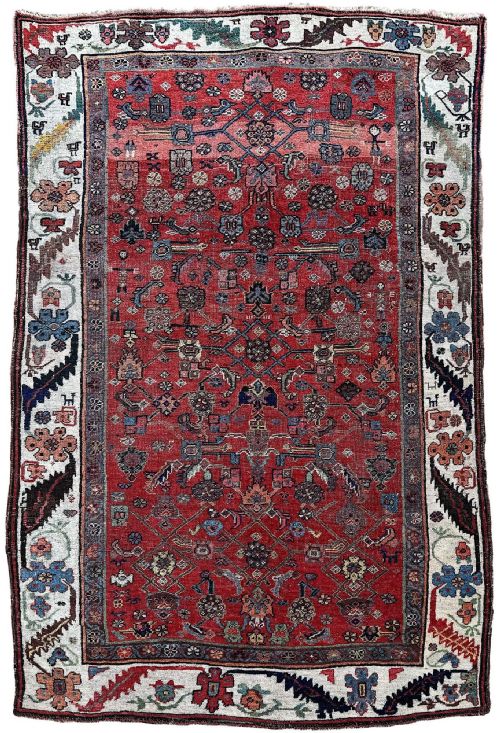
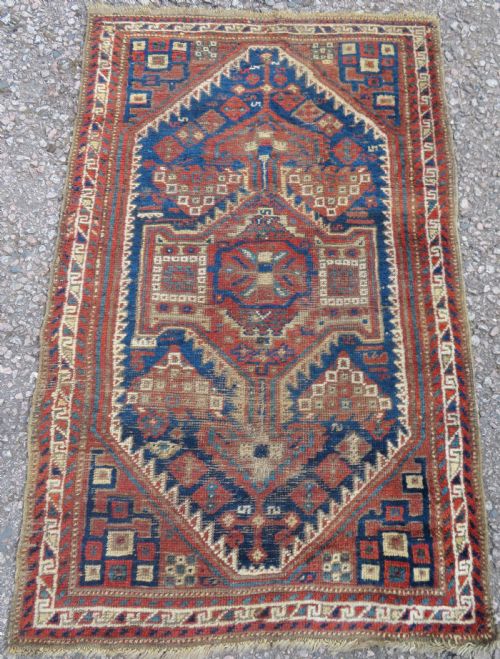
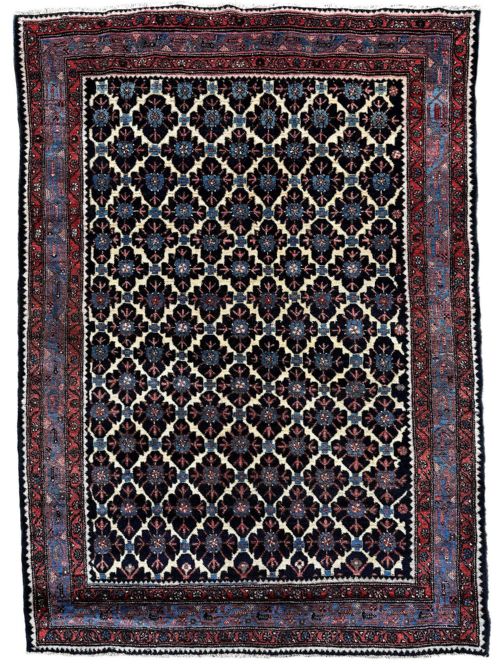
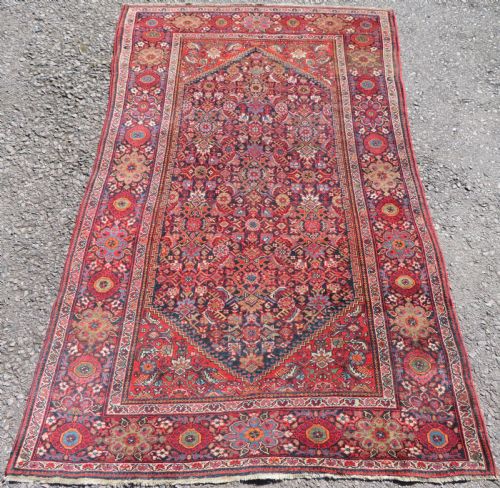
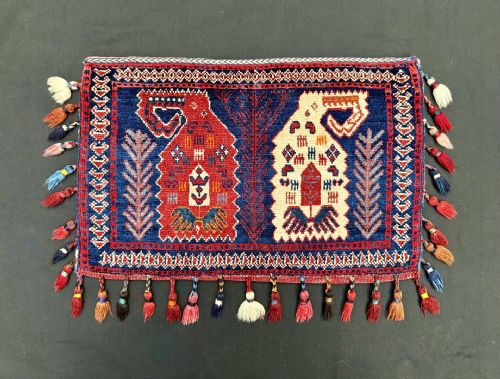
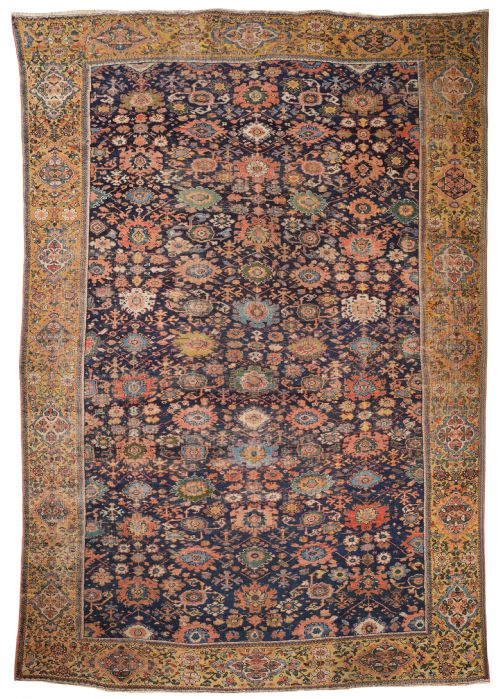
When you examine a handcrafted wool persian rug, you are looking at floor coverings woven across various regions and provinces of Persia during the nineteenth and early twentieth centuries. These pieces encompass village room-size carpets, tribal scatter rugs, narrow runners, and specific utilitarian trappings such as vanity bags.
The most common versions met on this page originate from distinct weaving centres and tribes including Bidjar, Malayer, Hamadan, and Heriz. They span periods from the late nineteenth century through to the interwar years of the nineteen thirties, representing both urban workshop output and nomadic tribal production.
How they were made
The construction of these floor coverings relies on wool pile knotted onto foundation warps and wefts traditionally spun from cotton or wool. Natural dyes provide the palette, yielding deep tones that soften gracefully over decades of light and use.
Weavers employed hand-knotting techniques specific to their region or tribe, securing the pile row by row to create dense, durable surfaces. Edge finishes and ends were often bound or secured by hand, completing structures built to withstand generations of domestic wear.
The selection spans periods from 1870 through 1930, utilising wool, cotton, and natural dyes across traditional Persian styles.
What varies in quality
Knot density and structural tightness set the finer town carpets apart from coarser village and tribal weaves, influencing how sharply the motifs are defined. The precision of the drawing in traditional patterns like the Herati design also marks out superior examples.
The integrity of the foundation and the preservation of the original pile height determine the condition quality of each piece. Retained natural dye saturation and even wear across the surface distinguish the more desirable survivors from heavily restored or depleted specimens.
The Handcrafted Wool Persian Rug Glossary
- Pile
- The upright yarn loops or tufts that form the soft surface of the rug. It is sheared to an even height after knotting.
- Warp
- The stationary vertical threads stretched tightly on the loom from top to bottom. The knots of the pile are tied around these foundational elements.
- Weft
- The horizontal threads passed alternately over and under the warp threads between rows of knots. They bind the structure together firmly.
- Herati
- A recurring traditional Persian pattern composed of a central rosette enclosed by a diamond lattice framed by stylized leaves. It appears frequently in village and town weaving.
- Trapping
- A functional woven item produced by nomadic tribes for domestic storage, transport, or animal adornment rather than standard floor use.
Handcrafted Wool Persian Rug: Frequently Asked Questions
How do I clean an antique rug?
Surface dust should be gently removed using regular suction vacuuming without a rotating power brush. Professional specialist cleaning is recommended for deep washing to protect the natural wool and dyes.
Water and harsh chemical detergents must be avoided to prevent dye bleed and fibre degradation. Prompt attention to minor spills by blotting prevents permanent staining.
Can I place these rugs in high traffic areas?
Traditional wool and cotton construction provides strong natural durability suitable for moderate daily movement. Using an appropriate underlay helps absorb foot impact and prevents slipping on hard floors.
Placing them out of direct, continuous sunlight preserves the natural dye colours over time. Rotating the piece periodically ensures even wear across the surface.
How do I identify different regional styles?
Regional attribution is determined by specific structural characteristics, colour palettes, and repeating motifs unique to individual towns or nomadic confederations. Examining the weave tightness and edge finishes offers further clues to origin.
Reference literature and comparative examples help distinguish between urban workshop output and rural village or tribal pieces. Each producing region developed a recognizable visual language.
What is a tribal bag?
Nomadic groups produced small woven containers to store personal belongings, household goods, or grain during seasonal migration. These practical items often featured distinctive geometric designs and secure hanging loops.
Over time, collectors began valuing these utilitarian pieces as artistic expressions of tribal identity. They bring concentrated bursts of colour and traditional symbolism into modern interiors.