
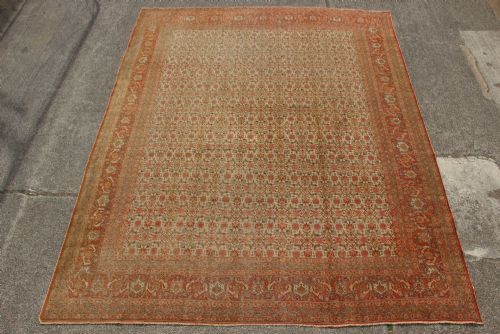
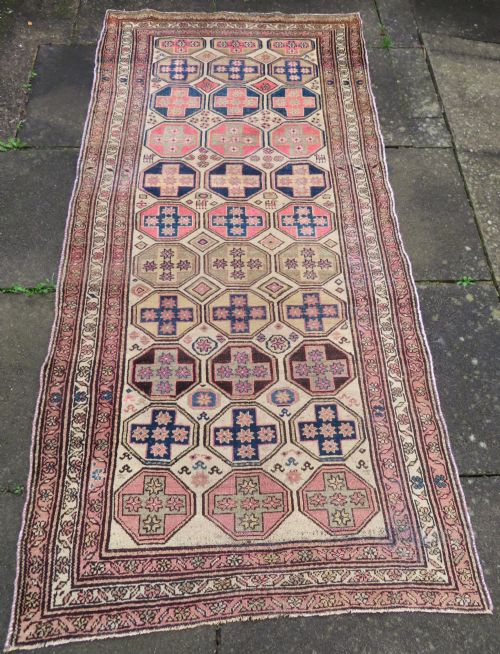
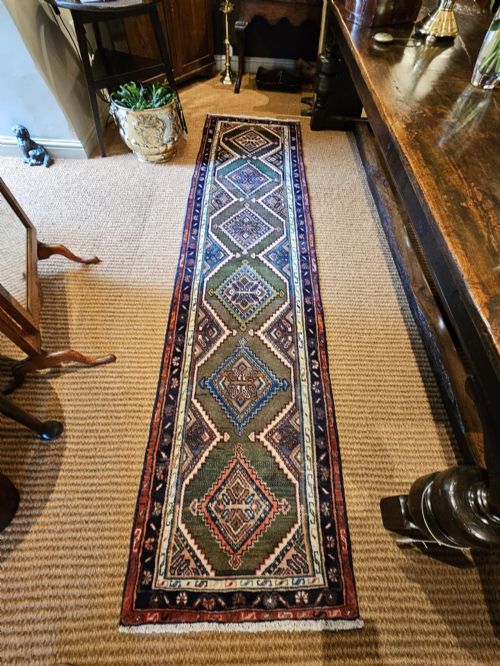


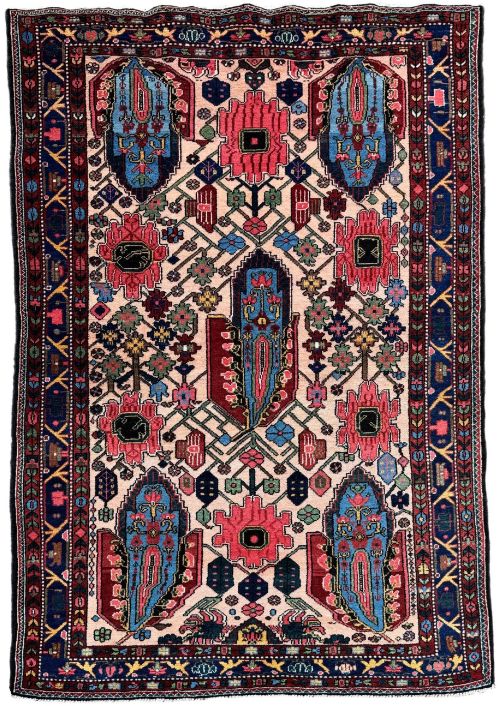
Vintage Persian Wool Carpet
These vintage persian wool carpet examples bring historic regional patterns and hand-spun pile into modern spaces.
Vintage Persian Wool Carpet
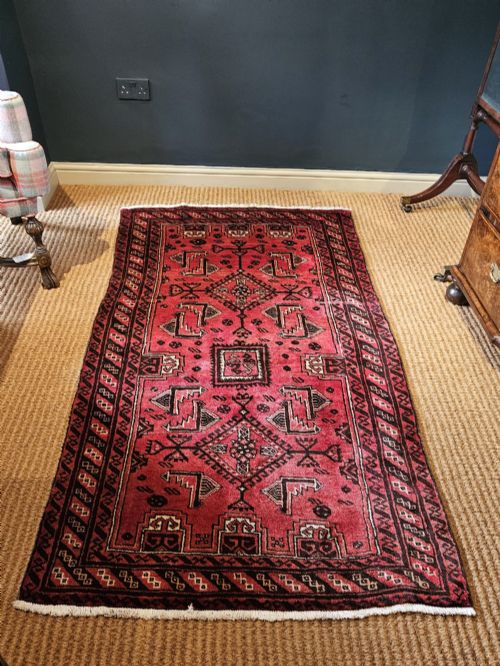
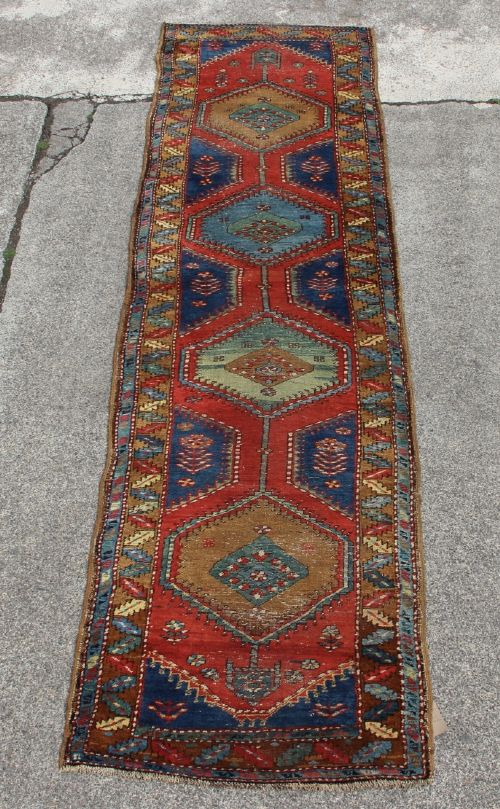
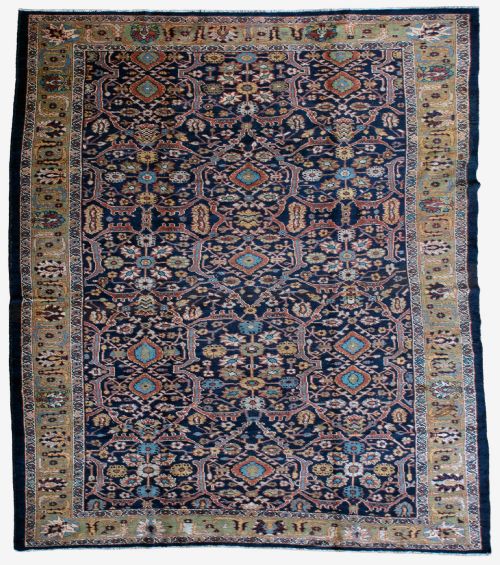
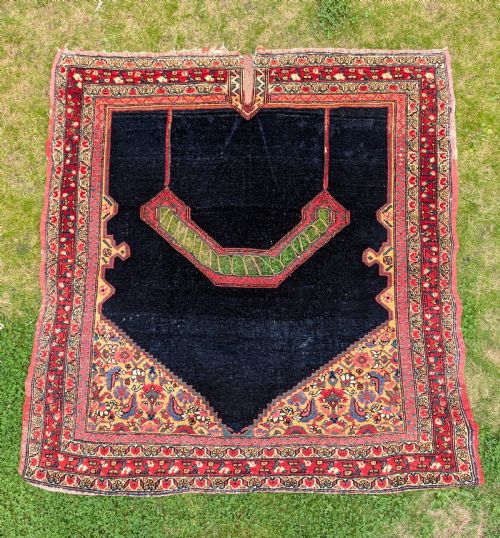
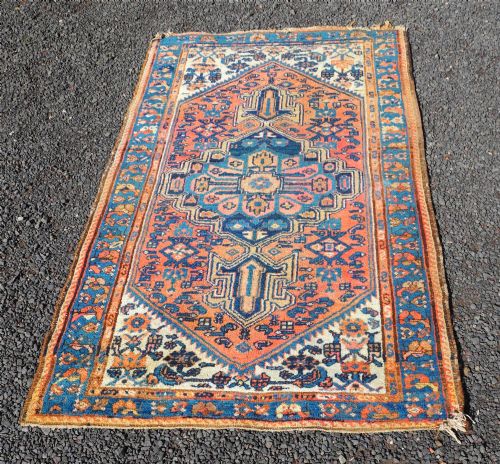
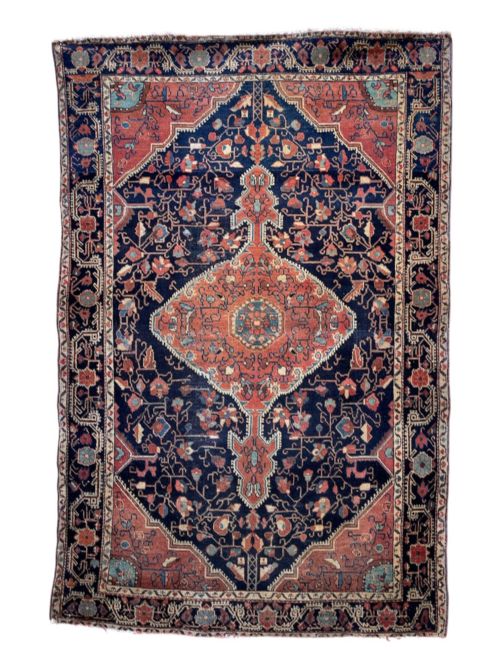
A vintage persian wool carpet brings distinct regional styles such as Heriz, Saroukh, and Hamadan into the room. These pieces span from the late nineteenth century through the 1930s, displaying traditional village and tribal compositions.
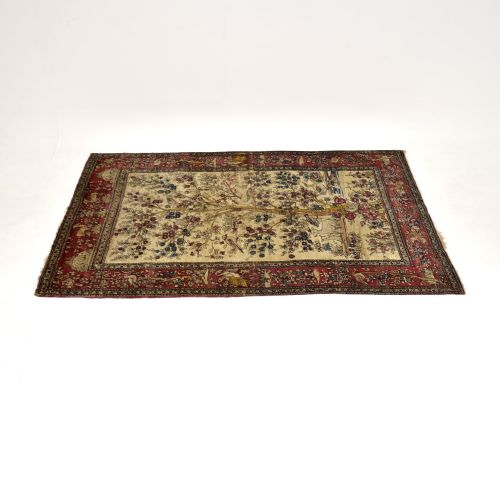
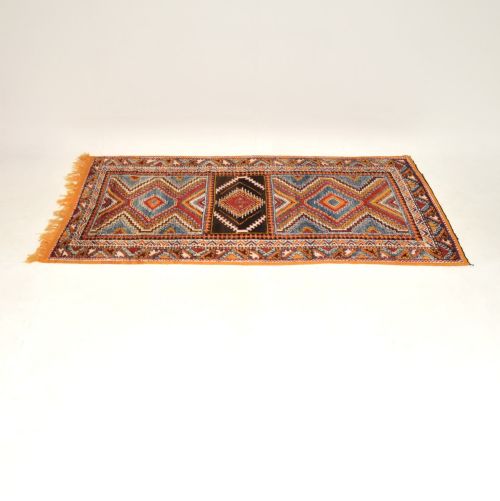
Buyers commonly encounter formats ranging from square area pieces to long hallway runners and smaller saddle covers. The designs rely on geometric medallions, floral repeats, and tree of life motifs unique to Persian and related weaving traditions.
Materials and construction methods
The construction typically involves hand-spun wool pile knotted onto cotton or wool foundations. Natural dyes provide the underlying palette, showing rich tones of red, olive green, and rust across the surviving pieces.
Certain examples incorporate silk highlights alongside standard wool to accentuate specific details in the pattern. Hand weaving techniques ensure each carpet possesses individual variations in knot density and pile thickness.
Listings feature pieces dated across the nineteenth and early twentieth centuries, spanning the 1850s to the 1930s.
Evaluating standard and execution
Quality rests in the precision of the knotting and the complexity of the regional design execution. Pieces originating from recognised weaving centres often display tighter foundations and more carefully balanced colour schemes.
The integrity of the hand-spun wool and the retention of natural dye depth dictate the visual longevity of the pile. Finer examples maintain crisp geometric and floral borders that distinguish village work from standard commercial production.
The Vintage Persian Wool Carpet Glossary
- Pile
- The vertical or slanted loops of yarn that form the usable surface of a carpet. This layer absorbs foot traffic and displays the woven pattern.
- Runner
- A long and narrow format designed primarily for hallways, corridors, and stairs. These pieces balance restricted floor widths with extended lengths.
- Natural Dyes
- Colourants derived from plant, insect, or mineral sources rather than synthetic chemical laboratories. These substances age gradually to muted patinas.
- Medallion
- A central ornamental motif placed in the middle of the field. It serves as the primary focal point for symmetrical Persian carpet layouts.
- Kilim
- A flat-weave carpet produced without a pile by tightly interweaving warp and weft strands. These items offer lighter weights and distinct geometric textures.
Vintage Persian Wool Carpet: Frequently Asked Questions
How do I clean an old wool carpet?
Gentle surface brushing and professional specialist washing preserve the natural lanolin in antique wool fibres without damaging the foundation.
Harsh chemical immersion and modern household detergents dissolve historic dyes and weaken hand-spun pile integrity over time.
Where were these carpets originally woven?
Weavers produced these textiles across various Persian provinces, including Kerman, Hamadan, and Heriz, as well as surrounding Afghan and Anatolian tribal regions.
Local workshops and village households passed down specific geometric vocabularies and regional dyeing recipes through generations.
Will these carpets work in busy hallways?
Runner formats and densely knotted village carpets tolerate moderate corridor foot traffic when paired with a quality underlay.
Placing supportive padding underneath prevents slipping and cushions the historic wool foundation against hard flooring.
How do I date an antique carpet?
Structural analysis of the warp threads, wool preparation methods, and specific regional design motifs help narrow down the production era.
Early twentieth-century pieces often display distinct transitional palettes that separate them from nineteenth-century village predecessors.