


Orange Oriental Rug
An orange oriental rug brings warmth and deep regional character to a room through centuries-old weaving traditions.

Orange Oriental Rug
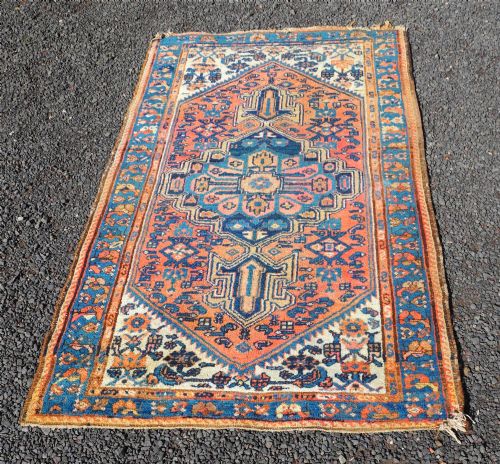
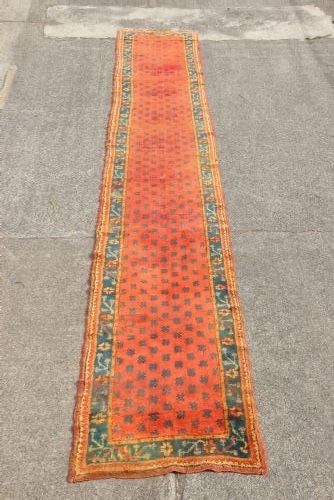
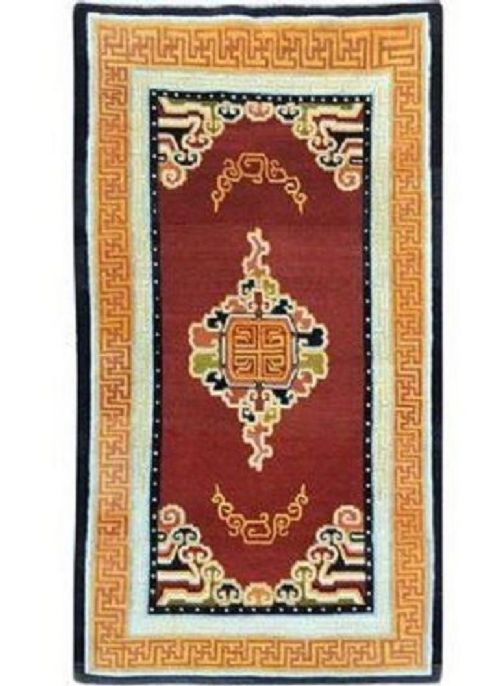
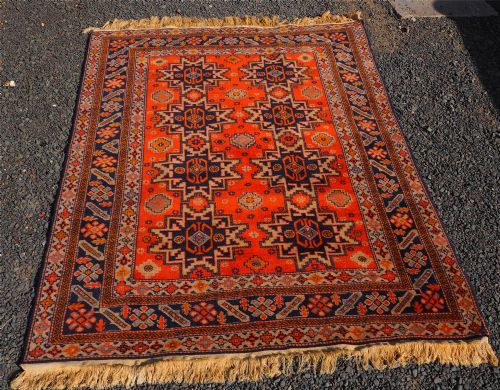
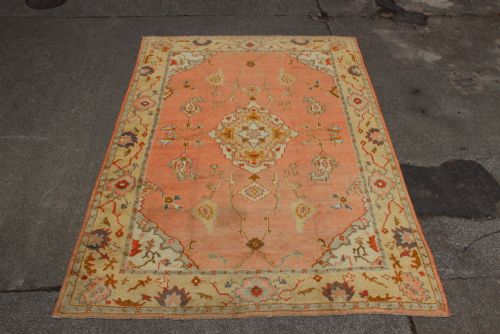
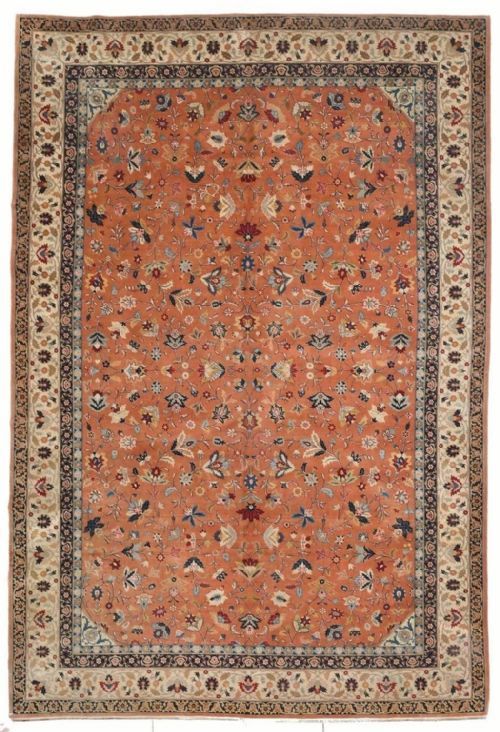
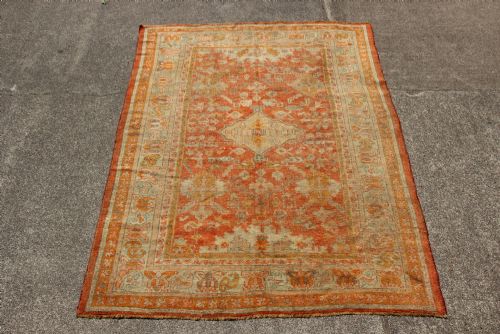
When searching for an orange oriental rug, a buyer encounters hand-knotted and flat-woven pieces originating from Persia, Turkey, the Caucasus, Afghanistan, and Tibet. These textiles range in scale from compact village mats and prayer rugs to expansive carpets and long hallway runners.
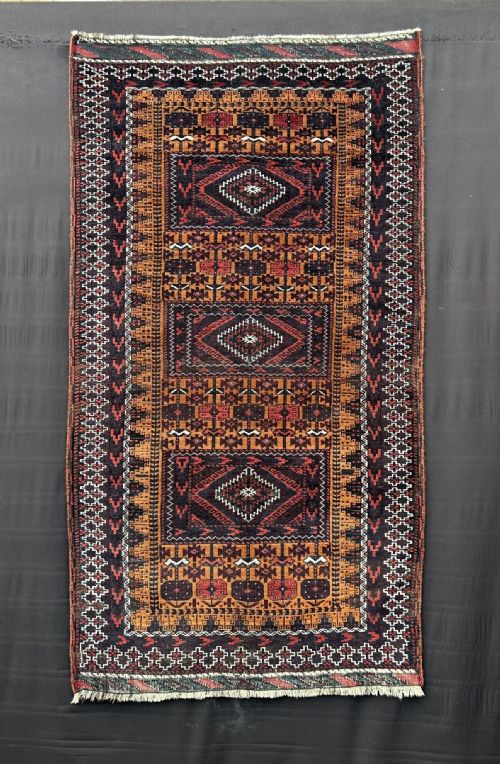
The current selection leans heavily towards pieces from the nineteenth century up through the nineteen-thirties, showcasing regional identities such as Oushak, Tabriz, Hamadan, and Baluch. These floor coverings bridge utility and artistry, displaying designs handed down through generations of weavers.
Village and tribal examples often feature geometric motifs and abrash colour variations, whilst city-woven carpets tend to display curvilinear medallions and floral fields. Each piece reflects the specific cultural landscape and materials available to its makers.
How they were made
Weavers constructed these rugs predominantly using wool, cotton, and occasional silk foundations and piles. Wool provides durability and resilience for everyday floor use, whilst cotton serves sturdy warp and weft threads.
Natural dye methods produced the terracotta, rust, and mellow warm tones seen across the inventory. Skilled artisans knotted or flat-wove these materials by hand on vertical or horizontal looms, taking months or years to complete a single carpet.
Geometric tribal formats and grand city carpets appear alongside long narrow runners and prayer rugs.
What varies in quality
Knot density, structural integrity, and the fineness of the wool or silk distinguish finer examples from standard village work. A tighter foundation allows for crisper pattern definition and greater longevity under foot.
The complexity of the design work and the artistry of the dye palette further separate exceptional carpets from simpler rugs. Subtle shifts in hue, known as abrash, add depth and visual interest when executed with skilled natural dye baths.
The Orange Oriental Rug Glossary
- Abrash
- Natural variations in colour shading across the field of a rug, caused by distinct dye batches or changes in wool lots. This characteristic is prized by collectors for adding visual depth.
- Kilim
- A flat-woven carpet or rug produced without a pile, traditionally created by interlocking the coloured warp and weft threads. These pieces offer a lighter weight and distinct geometric patterns.
- Prayer rug
- A small rug featuring a mihrab or niche design at one end, traditionally used by Muslims for daily prayers. The niche points toward Mecca during use.
- Runner
- A long, narrow carpet specifically suited for corridors, hallways, and staircases. These pieces balance traffic flow with decorative impact in domestic spaces.
- Warp
- The vertical foundation threads stretched lengthwise on a loom before weaving begins. The fringe of a finished rug is usually formed from the extended warp ends.
Orange Oriental Rug: Frequently Asked Questions
Where should I place an oriental runner?
Runners suit narrow spaces such as hallways, corridors, and galley kitchens where floor warmth and protection are beneficial.
They also work well alongside beds or in entryways to anchor long, linear areas.
How do I care for a wool rug?
Regular gentle vacuuming without a rotating brush roll keeps dust from settling deep into the wool pile.
Professional cleaning by specialists in antique textiles ensures the natural fibres and dyes remain preserved.
What is a tribal rug?
Tribal rugs are woven by nomadic or village groups rather than in urban workshops, featuring geometric memory-based designs.
These pieces often display charming asymmetries and rich regional character distinct from court carpets.
How can I tell an older rug apart?
Examinations of the materials, dye types, and structural wear help indicate the age and origin of a textile.
Hand-spun wool and natural dye palettes typically point towards nineteenth or early twentieth-century production.