




Traditional Painted Server
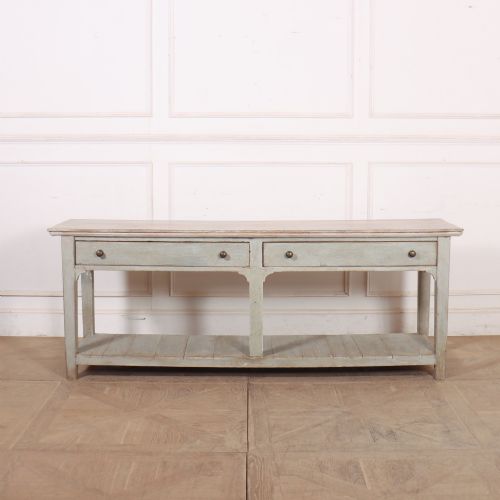
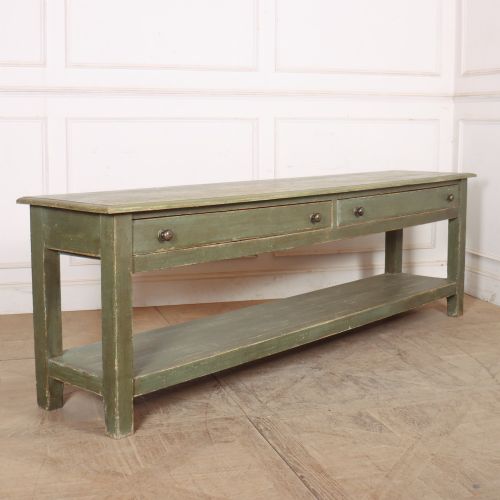
A traditional painted server brings honest utility and quiet character to a room through weathered pine, oak, and historic layers of colour.
Traditional Painted Server
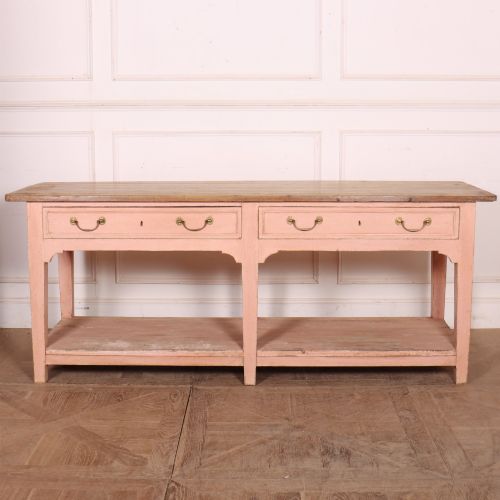
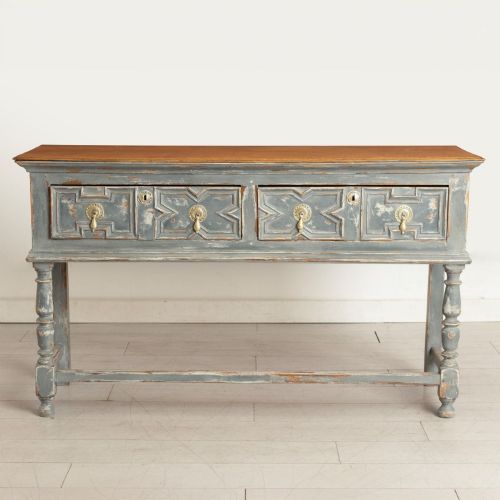
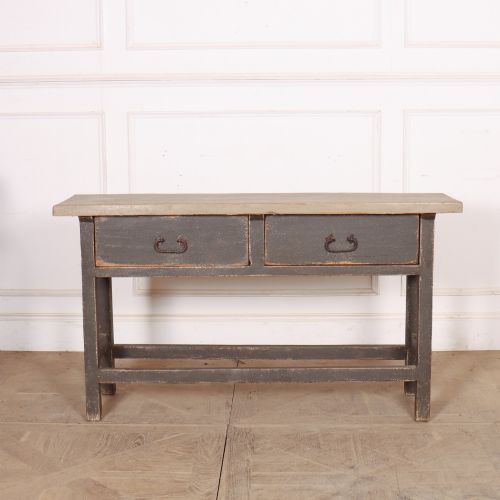
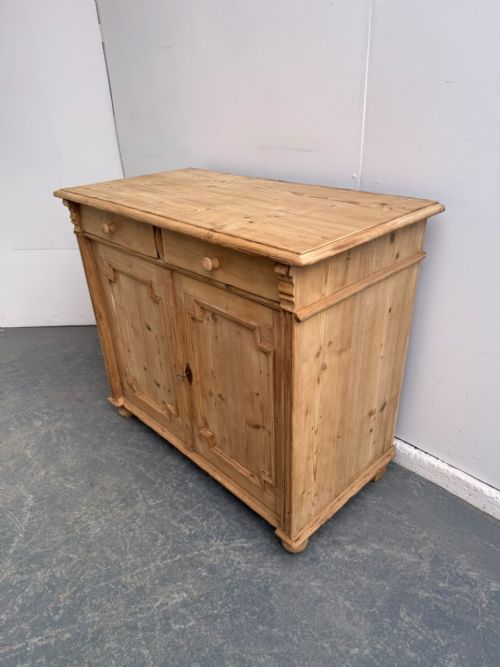
A traditional painted server is a sturdy wooden storage or prep piece rooted in historic domestic spaces. These items encompass dresser bases, serving tables, and console tables that served working kitchens and country houses.
The versions most commonly met on this page span the eighteenth and nineteenth centuries, often showing English or Scottish provincial origins. They frequently combine pine or oak timber with worn painted finishes.
Form follows function closely in these examples, from narrow potboard servers to large multi-drawer dresser bases. Buyers seek them for their surface space and enduring storage utility.
How they were made
Construction relies on solid timbers like pine and oak, joined with traditional methods suited to heavy daily use in kitchens and dining rooms. Brass hardware occasionally provides structural and decorative accents.
Surfaces receive layers of paint or timber finishes that wear down naturally over decades of service. Hand-painted applications build up patinas that distinguish older country pieces from modern reproductions.
Many a nineteenth-century potato bucket likely rested on these very potboards while dinner was prepped above.
What varies in quality
Quality rests in the proportion of the timber frame, the integrity of structural joints, and the untouched nature of the surface finish. Pieces retaining early or original paint layers show greater depth of character.
Proportion and scale also define the better examples, such as those with balanced potboards, well-turned legs, or pleasing bowfront shapes. Finer craftsmanship appears in the timber selection and drawer construction.
The Traditional Painted Server Glossary
- Potboard
- An open lower shelf on a dresser base traditionally used for storing pots and heavy kitchen equipment. This lower tier adds stability to the main frame.
- Dresser base
- A low cabinet or sideboard featuring drawers and sometimes cupboards, designed for food preparation and storage. It forms the lower half of a traditional kitchen dresser.
- Bowfront
- A curved front structure seen on tables and cabinets that softens the rectangular lines of a room. This design element adds elegance to utilitarian furniture forms.
- Patinas
- The surface sheen and colour depth developed through age, wear, and repeated polishing or painting. This quality cannot be easily replicated by artificial means.
Traditional Painted Server: Frequently Asked Questions
What is a traditional painted server?
A traditional painted server is a historic wooden table or low cupboard used for serving food and storing household items in kitchens and dining rooms.
These pieces typically date from the eighteenth and nineteenth centuries and are built from sturdy timbers like pine and oak with historic painted finishes.
Where were these servers used?
They originated primarily in country houses, farmhouses, and provincial kitchens where durable work surfaces were essential for daily food preparation.
Over time, their practical forms and decorative painted surfaces made them popular for living spaces and hallways in modern homes.
How do I care for a painted wood surface?
Care involves dusting gently with a dry cloth and avoiding harsh chemical cleaners that can strip historic paint layers.
Keep the timber away from direct heat sources and extreme humidity fluctuations to protect the wood and finish from warping.
How do I identify a nineteenth century piece?
Nineteenth century pieces often show hand-cut joinery, solid pine or oak construction, and natural wear patterns built up over generations of use.
Examining the underside, drawer construction, and the consistency of the paint layers helps confirm the age and origin of the furniture.