




Traditional Oil Painting Gilt Frame
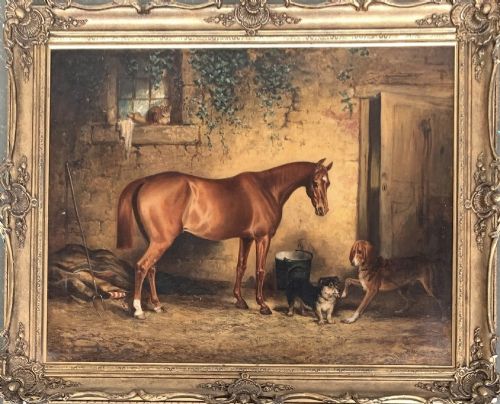
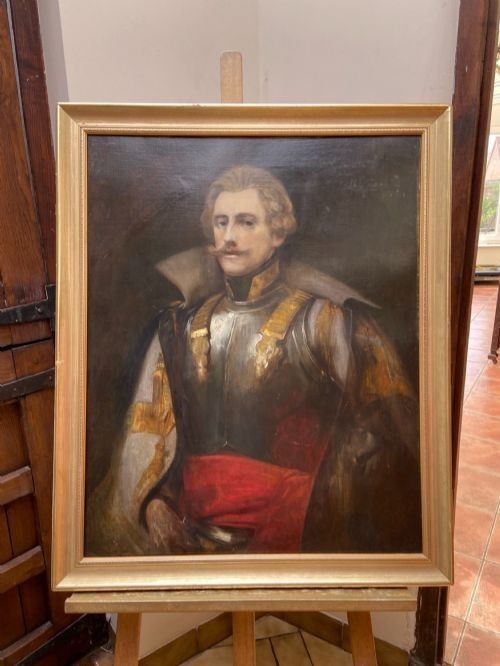
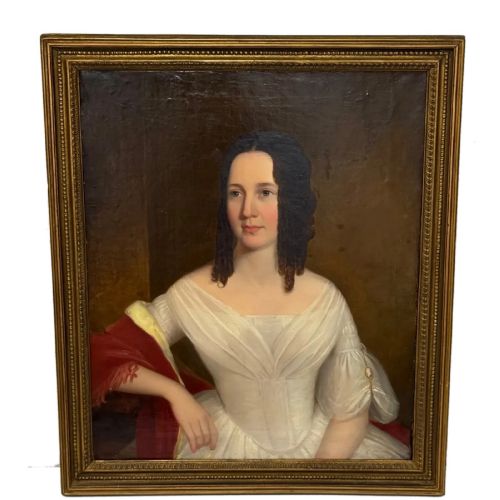
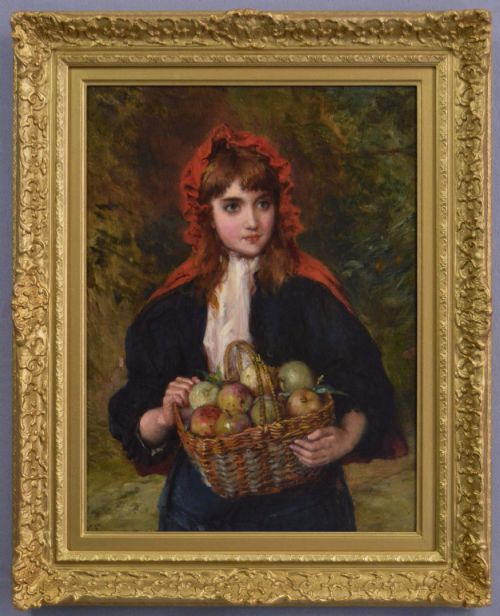
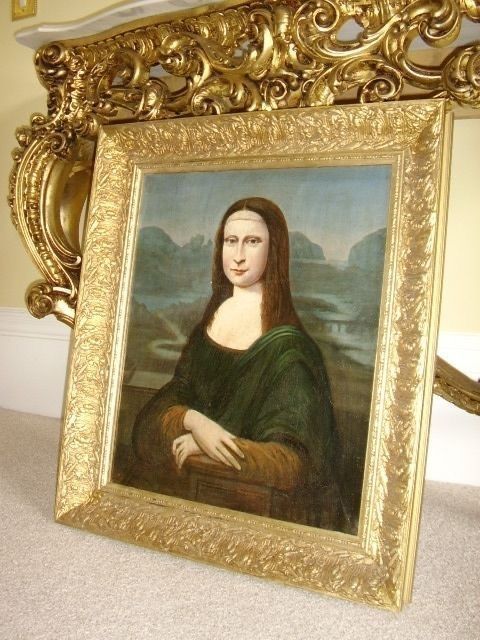
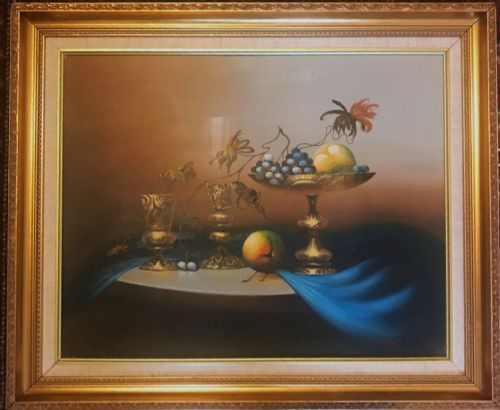
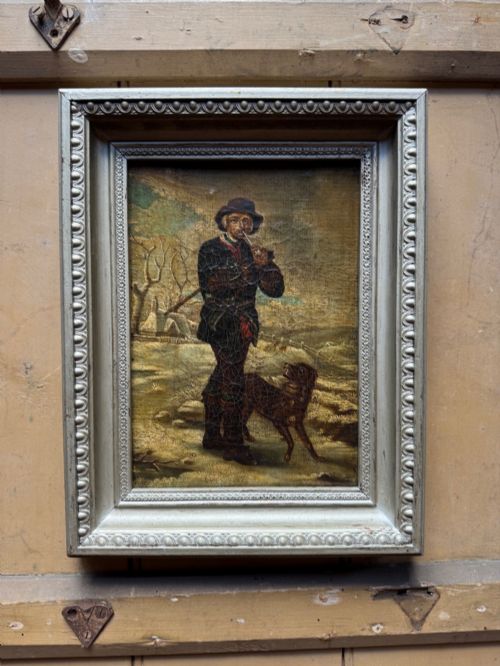
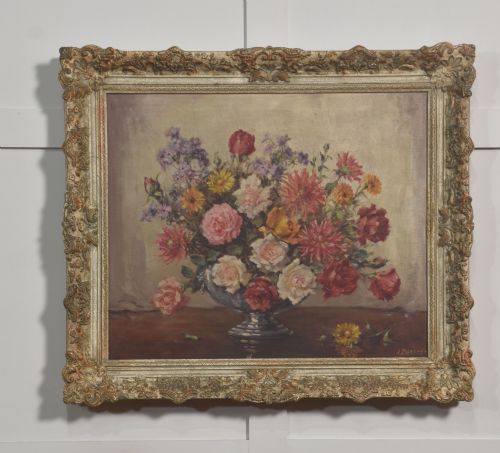
These pieces combine oil paint on canvas with ornate gilt framing, bringing centuries of portraiture and landscape straight into your room.
Traditional Oil Painting Gilt Frame
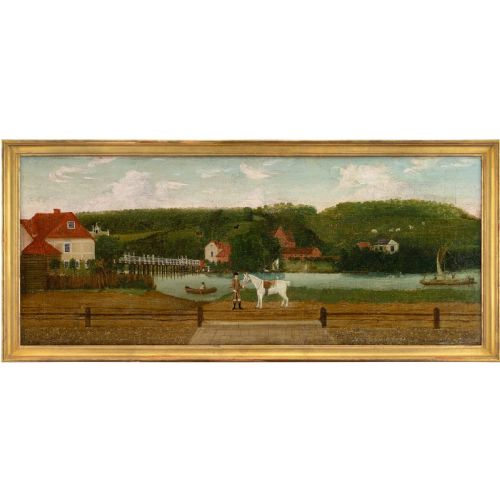
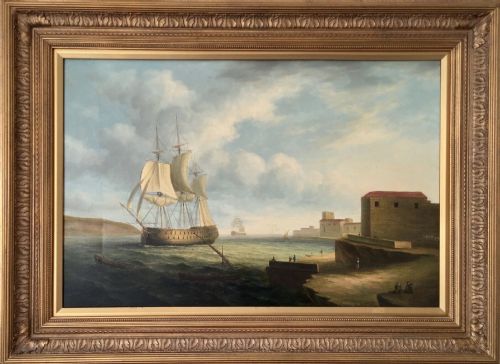
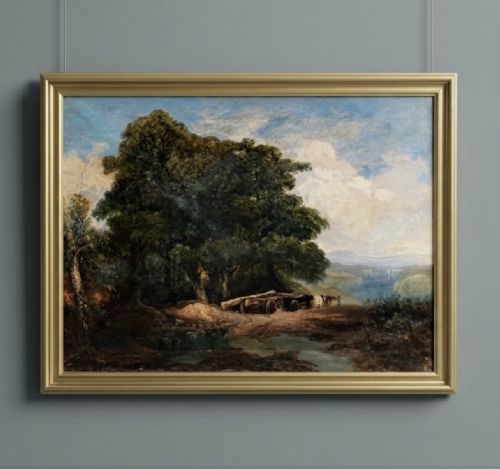
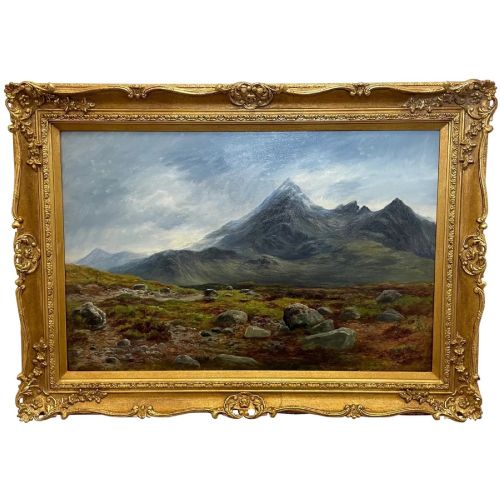
When you search for traditional oil painting gilt frame, you encounter works spanning the nineteenth century through the mid twentieth century, predominantly featuring canvas supports mounted inside gilded wooden mouldings. Landscapes, portraits, and maritime scenes dominate the selection, often carrying attribution to British and European schools.
Victorian pastoral and sporting subjects appear frequently alongside classical copies and floral still lifes. The framing usually matches the period of the canvas, utilising gesso and wood finished in gold leaf or metallic paint.
Most examples originate from British provincial and continental traditions, reflecting nineteenth century realism and Edwardian sensibilities. These works present historical subjects, family portraits, and topographical views framed for display in domestic interiors.
How materials shaped the canvas and frame
Painters applied oil media onto stretched woven canvas or wooden panels, building rich textures through layered brushwork and translucent glazes. The pigments interact with light to create depth, particularly in nineteenth century landscapes and maritime compositions.
Makers constructed the accompanying surrounds from timber mouldings enriched with carved gesso relief. Artisans then applied gold leaf or gilding over bolus layers to achieve the reflective surfaces characteristic of traditional frames.
Several canvases record specific equine champions, immortalising prize bulls and derby winners in ornate gold leaf.
What separates standard works from masterworks
Painting quality rests upon anatomical precision, handling of light, and compositional confidence, where skilled hands capture subtle atmospheric shifts and realistic textures. Weaker examples rely on formulaic repetition and stiff figures.
Frame integrity and ornamentation dictate overall presentation value, with crisp gesso enrichment and original gilding preserving historical authenticity. Heavy restoration or replaced mouldings alter the relationship between art and enclosure.
William Oliver·Richard Sebastian Bond·William Beattie Brown·John Horace Hooper·Thomas W Lascelles·David Bates·Thomas Smythe·Albert Clark
The Traditional Oil Painting Gilt Frame Glossary
- Gesso
- A plaster mixture applied to wooden frame mouldings as a base for gilding. This material allows artisans to carve intricate relief ornamentation before applying gold leaf.
- Giltwood
- Timber decorated with gold leaf or metallic powder. It provides a durable, reflective border that enhances the colours within the painted canvas.
- Oil on Canvas
- Pigments bound in drying oils spread across stretched textile fabric. This combination permits slow blending and rich tonal graduation.
- Realism
- An artistic movement focusing on everyday subjects without idealized interpretation. It guides much of the nineteenth century landscape and portrait output seen here.
Traditional Oil Painting Gilt Frame: Frequently Asked Questions
How do I hang a heavy framed oil painting?
Secure fixings directly into wall studs or utilise heavy duty masonry anchors suited to the weight of the timber and gesso moulding.
Ensure the hanging wire or brackets on the reverse match the structural load to prevent canvas distortion over time.
Should I clean the surface of an old oil painting?
Surface dust may be removed gently with a soft, dry brush, avoiding any moisture or chemical solvents on exposed pigment.
Professional conservators should handle deeper cleaning to protect aged varnish layers and delicate canvas grounds.
How do I identify a nineteenth century gilt frame?
Examine the reverse for corner construction joints, handmade wooden pegs, and the composition of the underlying gesso layers.
Period surrounds often display fine craquelure in the gilding and heavier timber construction compared to modern reproductions.
What lighting suits a framed oil painting best?
Position pieces away from direct sunlight to prevent pigment fading and thermal stress on the wooden canvas stretchers.
Use dedicated picture lights with low heat output to illuminate the painted surface evenly without causing glare on the varnish.