
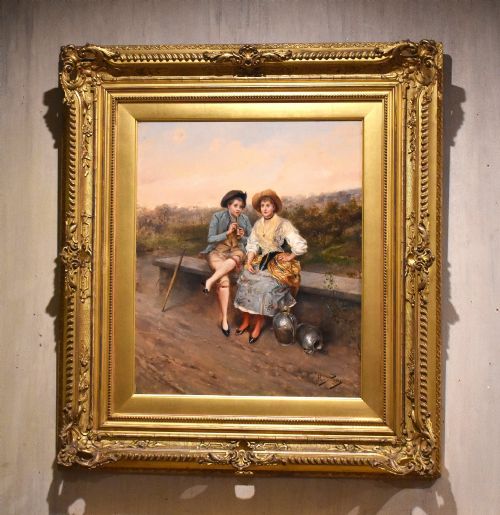
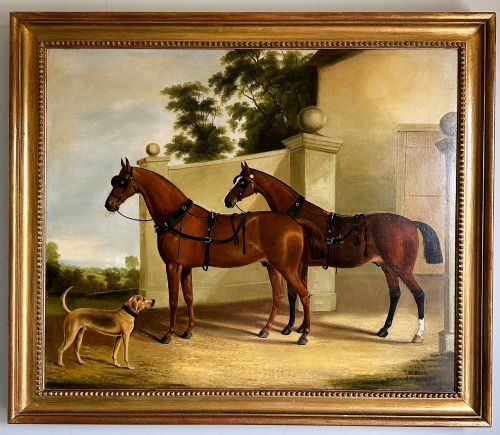
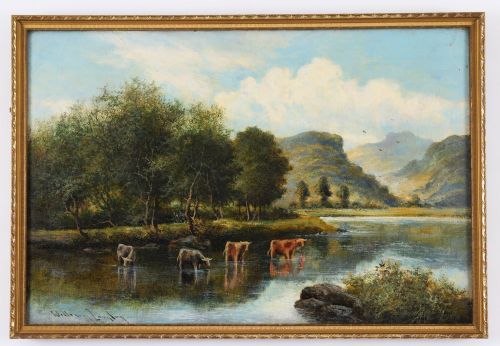
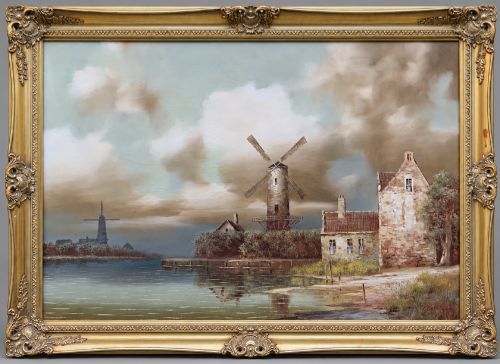
Traditional Oil Canvas Artwork
Traditional oil canvas artwork brings centuries of pigment, linen and timber together in portraits, landscapes and still lifes that anchor a room.
Traditional Oil Canvas Artwork
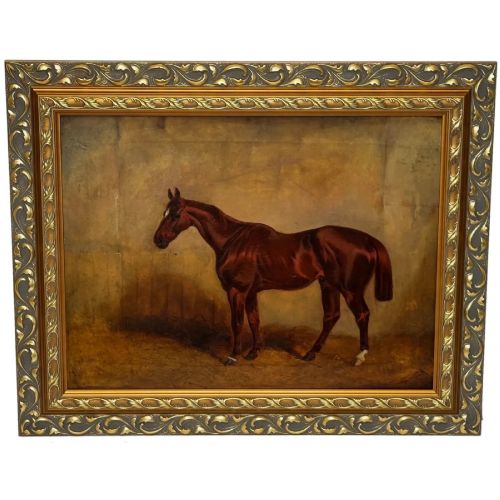
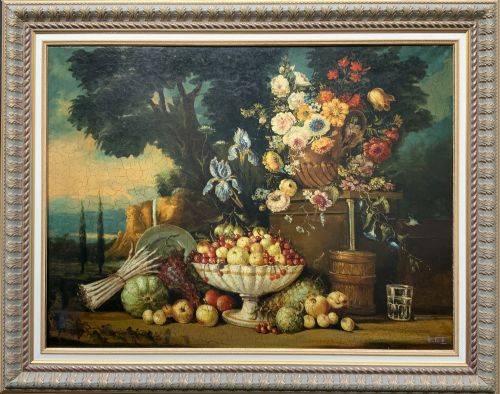
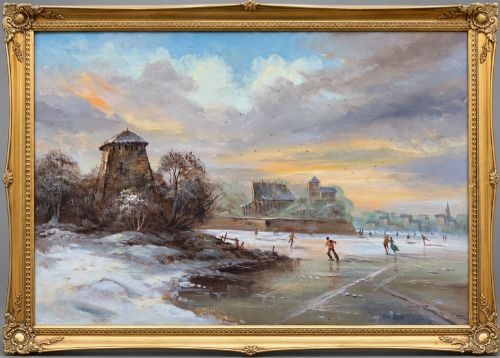
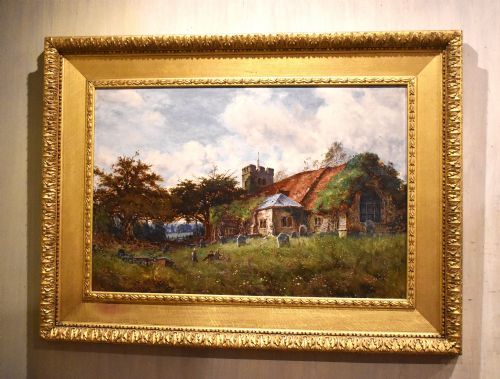
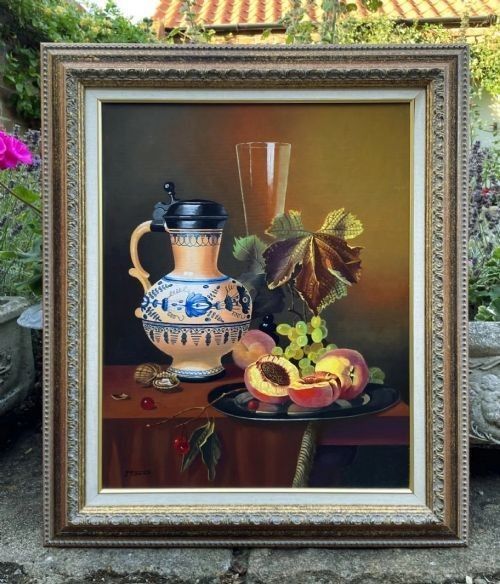
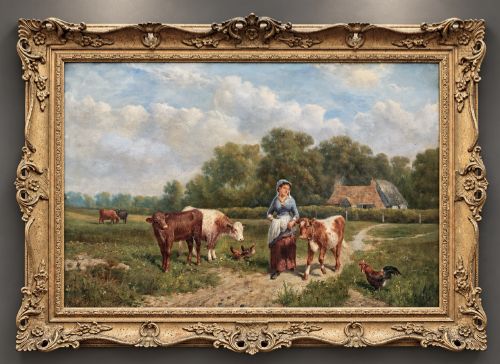
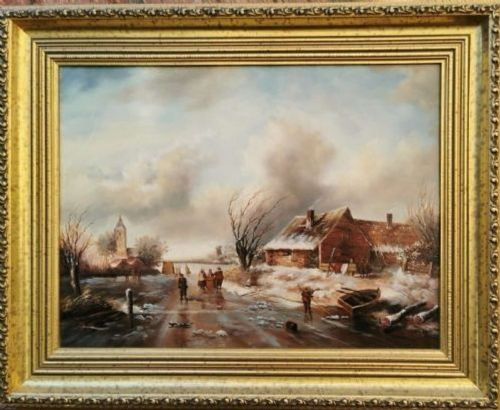
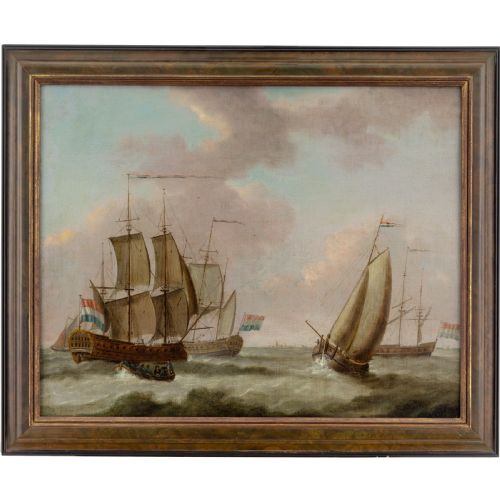
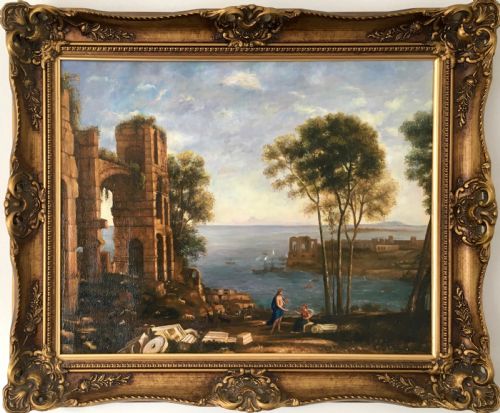
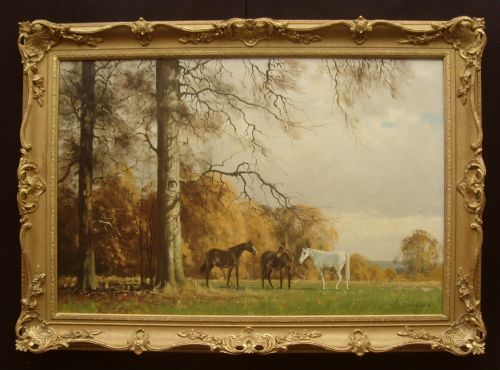
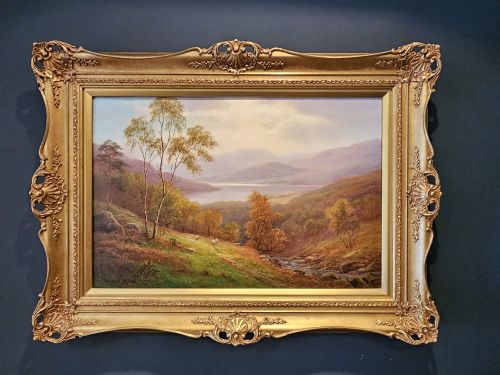
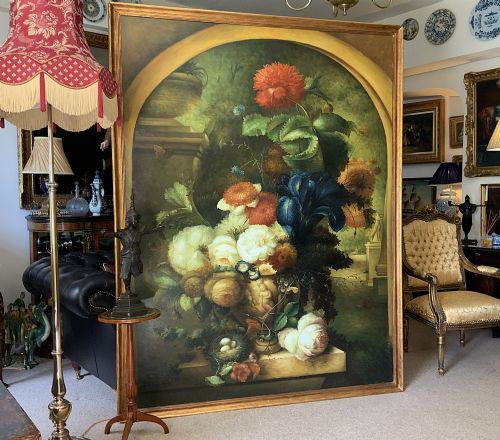
Traditional oil canvas artwork encompasses centuries of painted scenes rendered in oil on woven supports, spanning everything from intimate cabinet portraits to monumental landscapes. When searching for traditional oil canvas artwork, buyers encounter works originating from Georgian and Victorian studios alongside early twentieth-century interpretations. These pieces record human likenesses, marine views, animal studies and floral arrangements framed in timber or giltwood.
The selections available range widely in subject matter, from domestic animal portraits and quiet rural pathways to dramatic seascapes and classical still lifes. Many pieces reflect established regional aesthetics such as the nineteenth-century French school, British landscape traditions and Dutch floral styles. Each painting carries the physical weight of its stretcher frame, canvas and layered pigments.
How they were made
Makers built traditional oil canvas artwork by stretching woven linen or canvas across wooden frames and preparing the surface with a ground layer to receive the paint. Artists then applied successive layers of oil paint, utilising the slow-drying nature of the medium to blend tones and build up rich textures.
Finished canvases were secured within wooden frames, frequently enhanced with applied gesso or embellished with gold leaf and gilt finishes. The combination of durable linen supports and stable oil pigments accounts for the survival of these paintings across generations.
Several canvases record everyday Victorian household companions, preserving the exact likenesses of prize bulls, racing pigeons and kittens long gone.
What varies in quality
The quality of traditional oil canvas artwork rests upon the draughtsmanship of the composition, the handling of light and shadow, and the confidence of the brushwork. Masterful pieces demonstrate anatomical precision in portraits or convincing atmospheric depth in landscapes, whereas lesser examples rely on stiff proportions and flat planes of colour.
The integrity of the original canvas, the stability of the pigment layers, and the character of the accompanying frame further distinguish individual works. Superior paintings maintain clear pigment luminosity and confident handling across every section of the canvas.
William Oliver·Richard Sebastian Bond·William Beattie-Brown·George Willison·John Horace Hooper·William McAlpine·Reginald Arthur Borstel·Sir Joshua Reynolds·Alfred Fontville de Breanski Jr·Thomas Barker of Bath·Thomas W Lascelles·David Bates
The Traditional Oil Canvas Artwork Glossary
- Oil on Canvas
- Pigments mixed with a drying oil, typically linseed, applied to a woven textile support stretched over a wooden frame. This combination allows for rich blending and textured impasto work.
- Giltwood
- Timber carved and coated with a thin layer of gold leaf or metallic powder. It provides reflective framing for traditional paintings.
- Stretcher
- The wooden frame that holds the canvas taut beneath the painted surface. Traditional wedges allow the frame corners to be adjusted.
- Impasto
- Paint applied thickly to a canvas, standing out in relief from the surface. This technique preserves the physical gesture of the brush.
- Provenance
- The documented history of ownership associated with a work of art. It establishes authenticity and traces the passage of the piece through time.
Traditional Oil Canvas Artwork: Frequently Asked Questions
How do I clean an oil painting?
Surface dust can be removed gently with a soft, dry brush, taking care not to touch exposed canvas edges or flaking paint.
Professional conservators should handle any deeper cleaning or removal of discoloured varnish to protect the underlying pigment layers.
Should oil paintings be kept out of direct sunlight?
Direct sunlight accelerates the fading of delicate pigments and can cause canvas materials to dry out and become brittle over time.
Placing traditional artwork on interior walls away from direct windows preserves both the colours and the structural integrity of the canvas.
How do I identify the period of an antique painting?
Dating relies on examining the construction of the wooden stretcher, the weave of the canvas, the composition style, and any signatures or inscriptions.
Examine the reverse of the frame and canvas for old labels, stamps, or dealer marks that often record historical exhibitions or previous ownership.
What is the difference between oil on canvas and panel?
Canvas paintings utilise a flexible woven textile stretched across a timber frame, which yields slightly to pressure and responds to atmospheric humidity.
Panel paintings use rigid wooden boards or metal sheets as a support, offering a completely flat ground that prevents the cracking associated with sagging textiles.