
Traditional Oak Wooden Bench
A traditional oak wooden bench anchors an interior with centuries of honest grain, solid construction and everyday utility.
Traditional Oak Wooden Bench
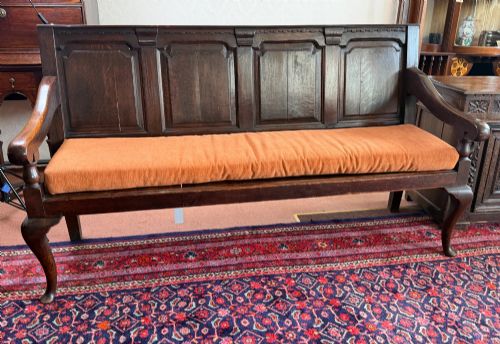
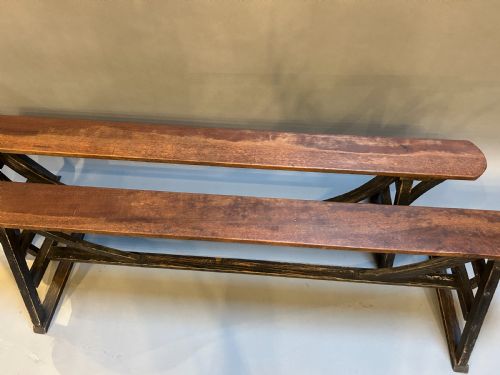
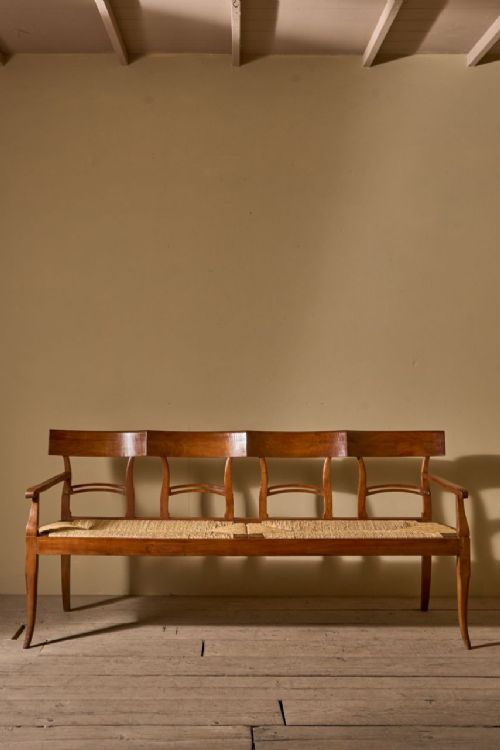
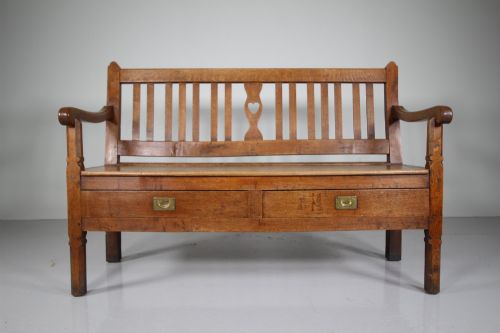
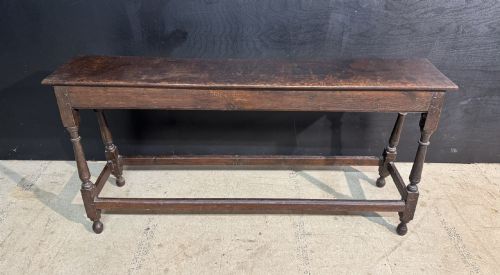
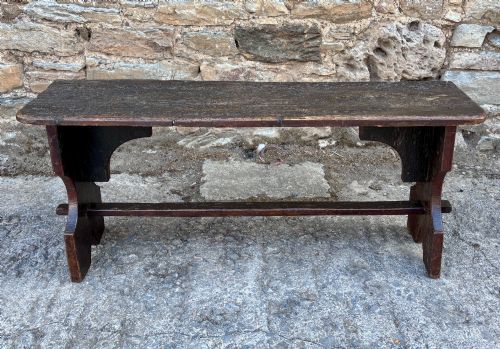
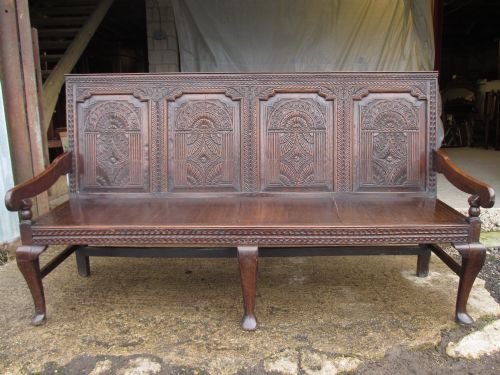
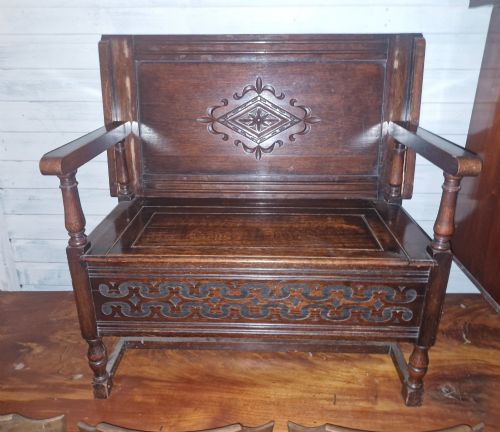
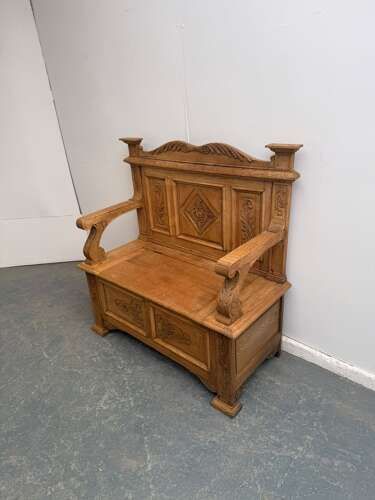
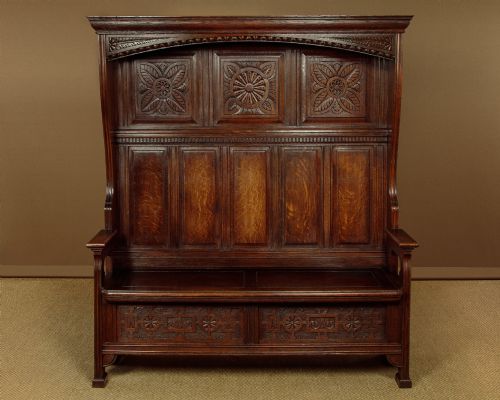
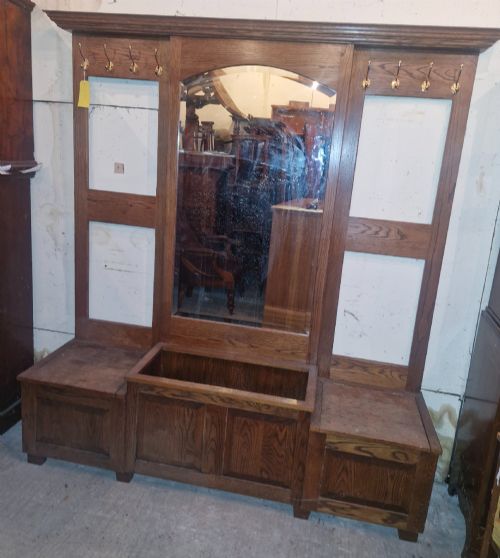
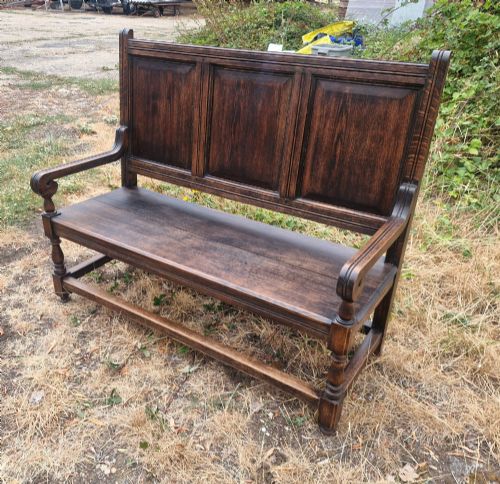
A traditional oak wooden bench encompasses forms ranging from long farmhouse seating and joint benches to high-backed settles and hall seats with integrated storage. These pieces emerge across the eighteenth, nineteenth and twentieth centuries, reflecting regional English country craftsmanship and revival styles.
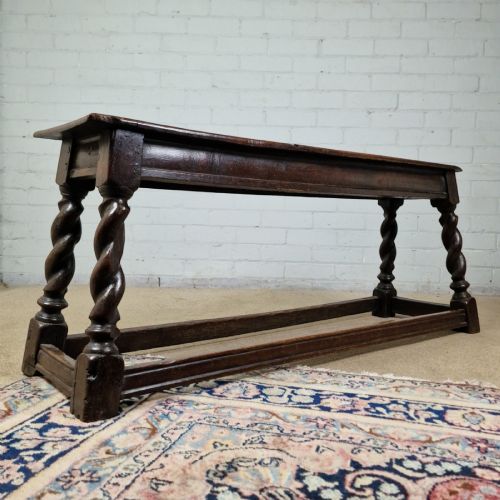
The buyer meets variations spanning simple rustic garden forms, joint stools, canopy top box settles and refectory dining benches. Many examples incorporate lift-up seats or sword chests, serving practical functions within hallways, kitchens and living spaces.
Materials and construction
Makers utilised solid oak alongside timber, elm, cherrywood and bleached oak, often combining iron, brass, leather and fabric details. Construction relies on heavy framing, panelled sections and pegged joints designed to withstand generations of daily use.
Surfaces receive traditional treatments such as wax finishes, hand carving or plain patination that highlight the natural grain. Structural support frequently includes trestle ends, sturdy legs and box compartments built directly beneath the seat.
Some nineteenth-century hall seats doubled as boot stores or tweed window seats for muddy country weekends.
Character and construction standards
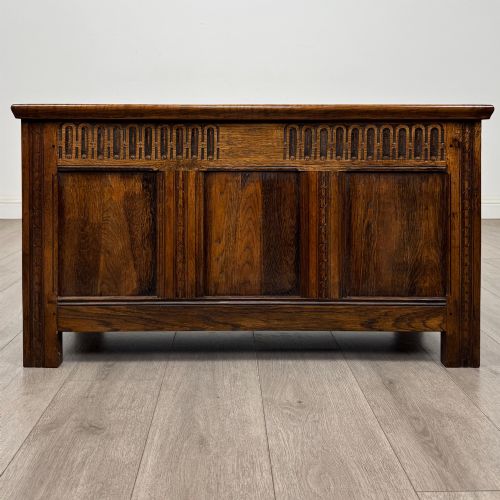
Quality rests in the integrity of the timber selection, the tightness of the joinery and the depth of the natural patination built up over decades or centuries. Finer examples display crisp hand carving on panels and structural elements without excessive restoration.
Proportion and utility dictate distinction, where heavier refectory forms or authentic eighteenth-century box settles command attention through their uncompromised utility and structural honesty compared to later revival pieces.
The Traditional Oak Wooden Bench Glossary
- Joint stool
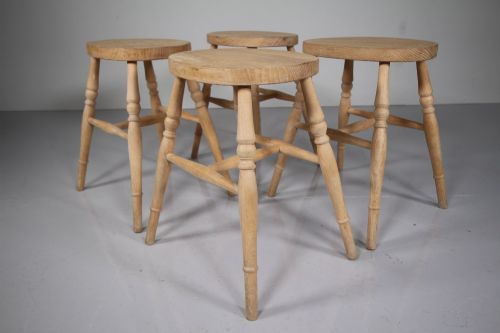
- A sturdy wooden stool constructed with mortise and tenon joints, often associated with early periods and used for seating or resting objects.
- Settle
- A wooden bench featuring a high back to block draughts, solid arms and frequently a box compartment beneath the seat for storage.
- Refectory table
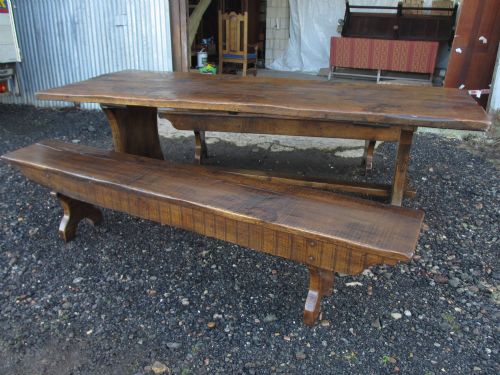
- A long dining table traditionally paired with matching benches to accommodate large groups in communal spaces.
- Panelling
- Flat wooden sections fitted within a rigid frame, commonly seen on the backs of settles and hall seats to provide structural strength.
- Patina
- The surface sheen and colour developed on wood through age, handling and application of wax over many years.
Traditional Oak Wooden Bench: Frequently Asked Questions
How do I use a settle in a modern home?
A settle fits naturally in an entrance hall or kitchen, where the high back creates a welcoming division of space while the lift-up seat provides hidden storage for shoes and boots.
Positioning the bench against a plain wall allows the carved panels and timber grain to stand out as a focal point.
What is the difference between a bench and a settle?
A standard bench offers open seating supported by legs or trestle ends without additional enclosure.
A settle incorporates a solid high back and sides designed originally to deflect cold draughts, frequently enclosing a box base underneath.
How do I care for antique oak furniture?
Regular dusting with a soft, dry cloth preserves the surface, while occasional applications of traditional beeswax nourish the timber without building up heavy chemical residues.
Keeping the wood away from direct heat sources prevents the panels from shrinking or splitting over time.
How can I tell an eighteenth-century piece apart from a revival piece?
Eighteenth-century examples display authentic tool marks, hand-cut joinery and natural wear patterns accumulated through generations of use.
Revival pieces from the Victorian or Edwardian eras often show machine processing, standardised fittings and cleaner, more uniform surfaces.