
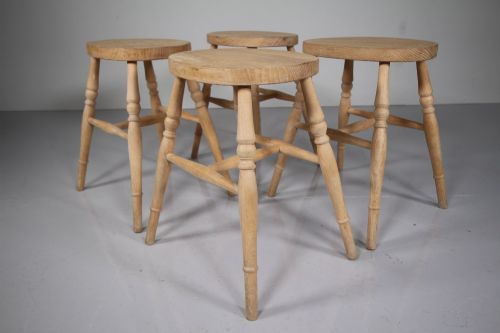
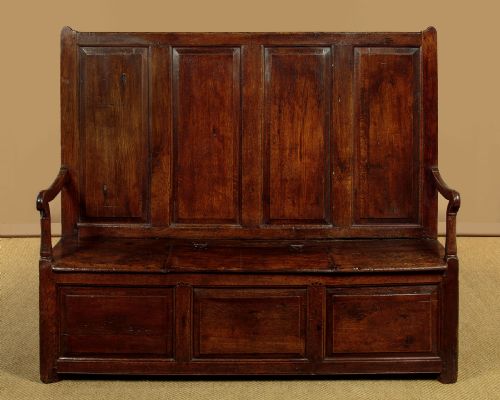
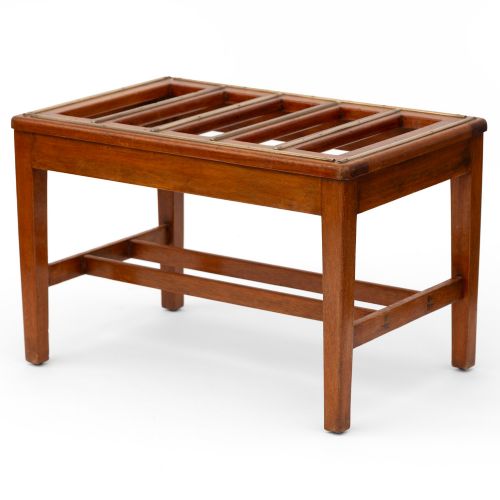
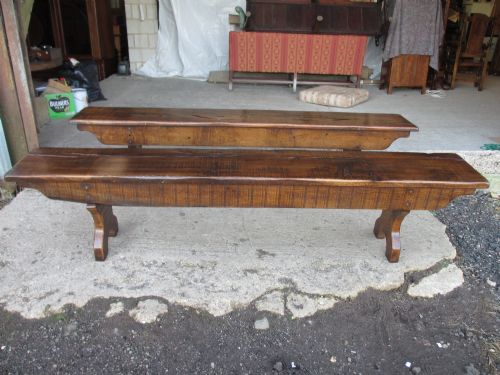
Oak Wooden Bench
An oak wooden bench brings substantial timber and practical seating into a hallway or living space.
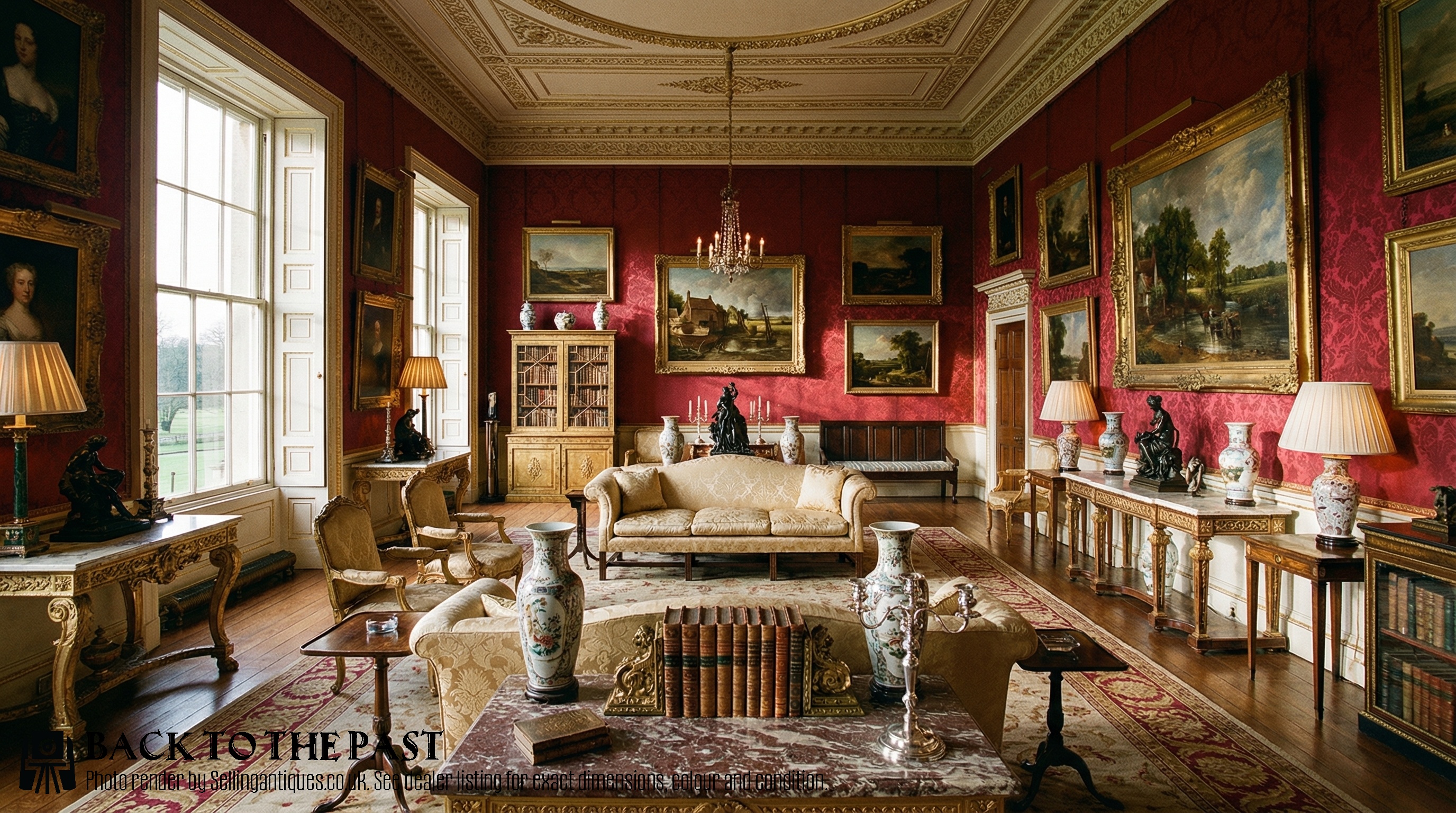
Oak Wooden Bench
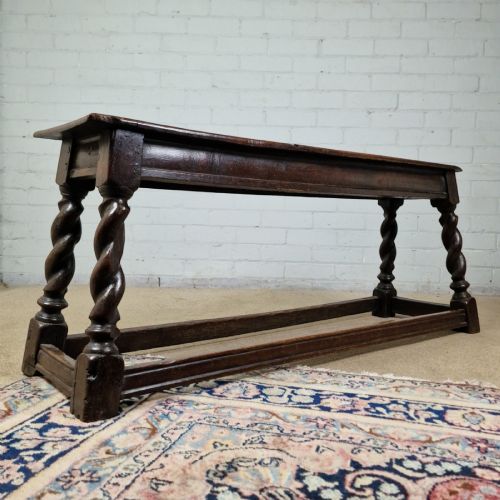
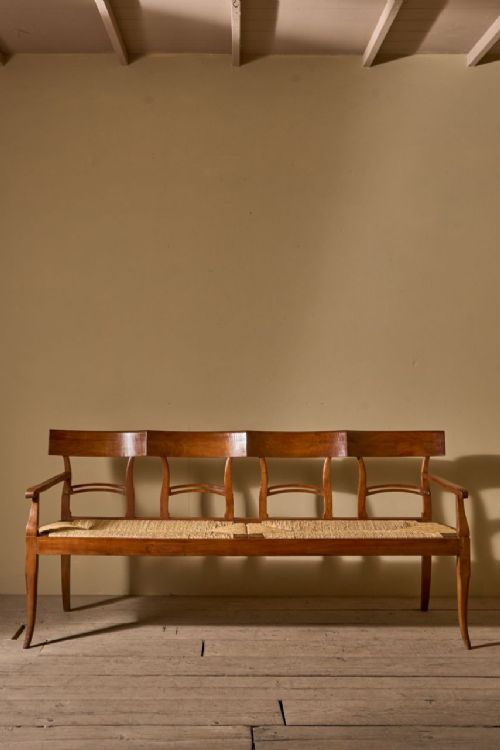
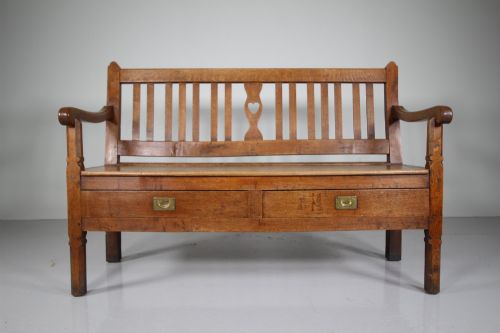
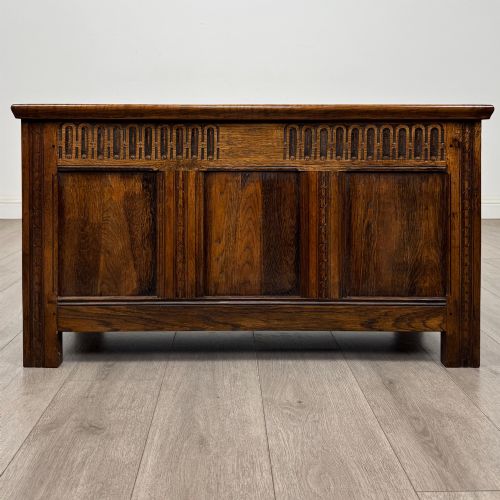
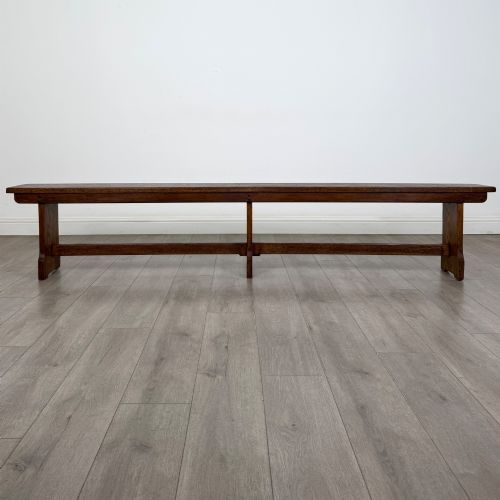
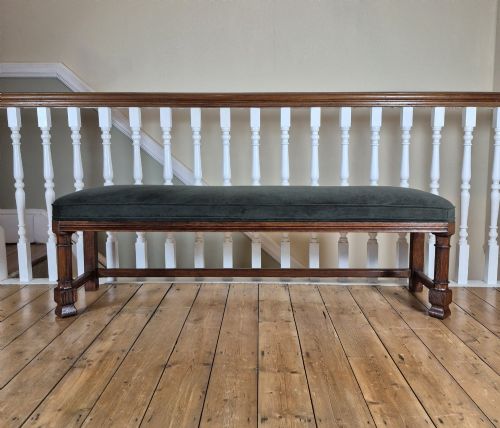
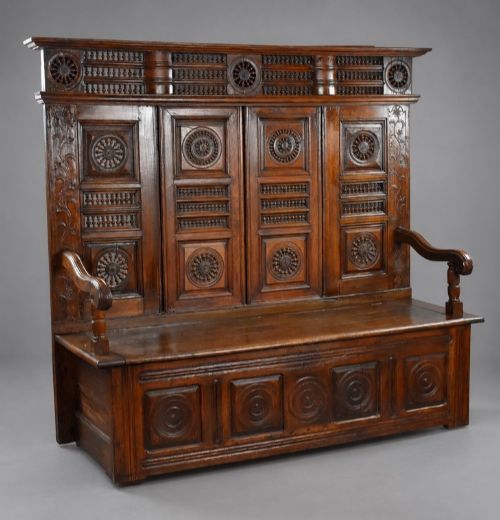
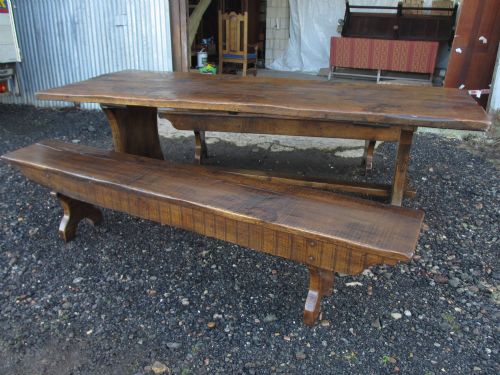
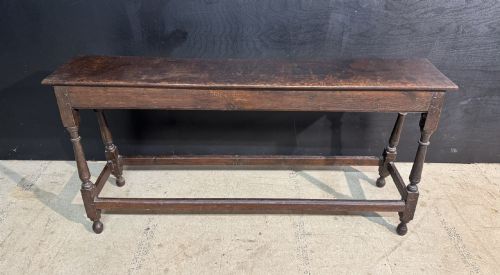
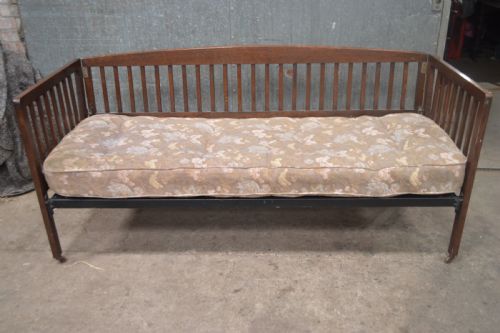
An oak wooden bench is a sturdy seating form found in various historical styles, ranging from simple rustic country pieces to heavily carved Victorian and Edwardian examples. When searching for an oak wooden bench, buyers encounter diverse functional formats including long tavern seats, hall benches with storage compartments, and settles with high backs designed to block draughts.
The pieces listed span multiple eras, with the 18th Century and Victorian periods providing robust box settles alongside lighter Edwardian trestle forms. Many incorporate lift-up seats or folding elements, demonstrating the multi-functional nature of domestic timber furniture across the centuries.
What varies in quality
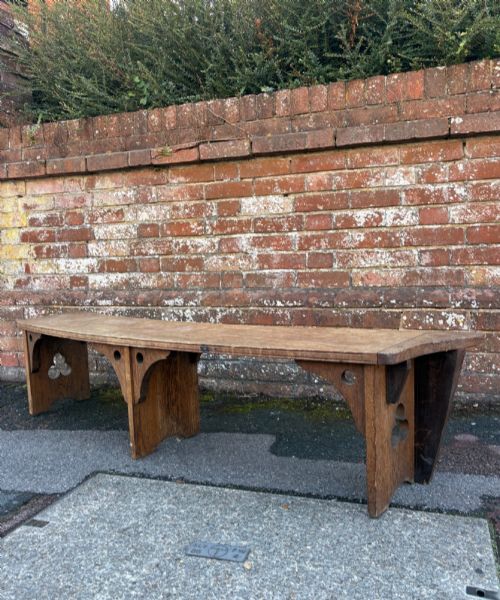
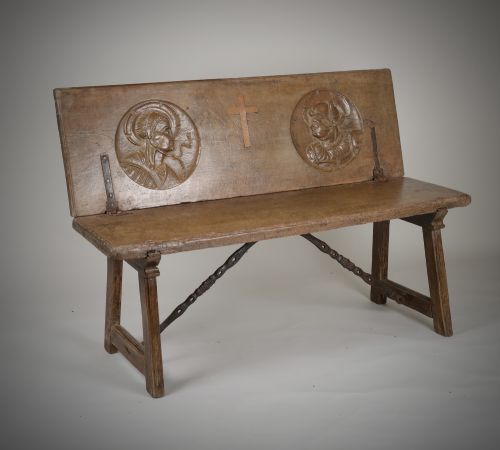
Quality differences lie in the depth and crispness of the hand-carved ornamentation, the integrity of the timber, and the balance of proportions. Pieces featuring integrated storage boxes or architectural details like canopies and trefoil supports demand greater joinery skill than plain plank forms.
The preservation of original surface finishes and patination heavily influences the character of a piece. Earlier examples from the 18th Century display mature timber grain earned through centuries of handling, whereas later revivals emulate these vernacular traditions with varying degrees of decorative ambition.
GIllows
The Oak Wooden Bench Glossary
- Settle
- A wooden bench with a high back, solid arms, and frequently a box base with a lift-up seat. This form protected sitters from cold draughts in older domestic interiors.
- Joint Stool
- A sturdy wooden stool constructed with mortise and tenon joints rather than turned legs. These early forms served multiple seating and utility purposes.
- Box Settle
- A heavy seat featuring an enclosed storage compartment beneath the hinged lid. The construction provided both seating and secure domestic storage.
- Trestle
- A horizontal beam supported by two flared or shaped vertical feet. This structural base appears frequently on larger tables and long benches.
- Gothic Revival
- A design style drawing inspiration from medieval architecture, characterised by pointed arches, trefoils, and elaborate tracery carving. This aesthetic recurs in 19th-century church and domestic seating.
Oak Wooden Bench: Frequently Asked Questions
Where should I place an oak hall bench?
An oak hall bench suits entranceways, corridors, or large living spaces where its substantial timber presence grounds the room. Versions with lift-up seats or built-in coat stands offer practical storage for everyday items.
Keep wooden furniture away from direct heat sources to prevent the solid timber from drying out or splitting. Allow sufficient clearance around architectural settles to appreciate their high backs and carved details.
What is the difference between a settle and a bench?
A settle incorporates a high solid back and enclosed sides designed to block cold draughts in traditional rooms. Standard benches feature open sides and lower backs, functioning primarily as open seating.
Many settles also include integrated box storage beneath the seat, whereas most traditional benches remain entirely open underneath.
How do I care for antique oak furniture?
Maintain antique oak by applying occasional light wax polishes to nourish the dry timber and preserve the natural sheen. Avoid harsh chemical cleaners that strip the historic surface finish.
Maintain stable room humidity to protect the wood joints from shifting or cracking over time. Gentle dusting with a soft cloth keeps the carved panels clear without abrasion.