

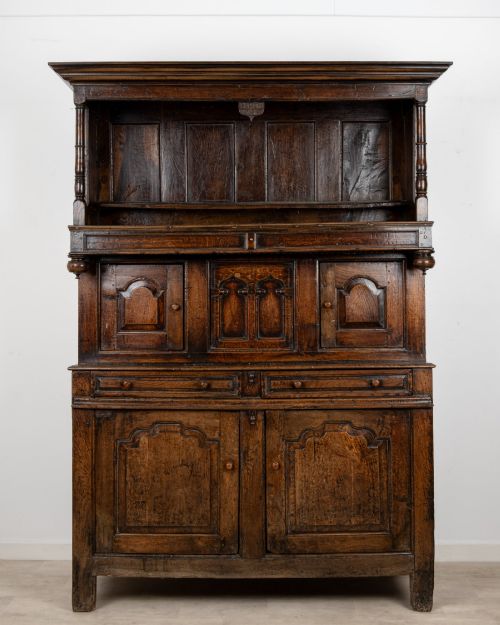
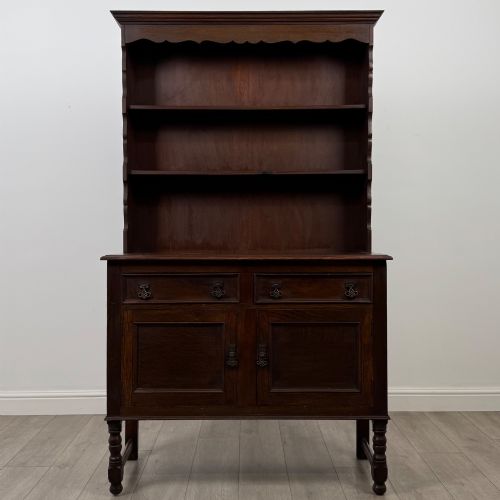
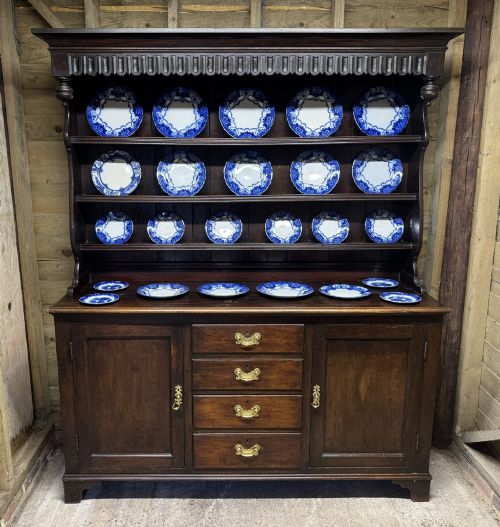
Traditional Oak Welsh Dresser
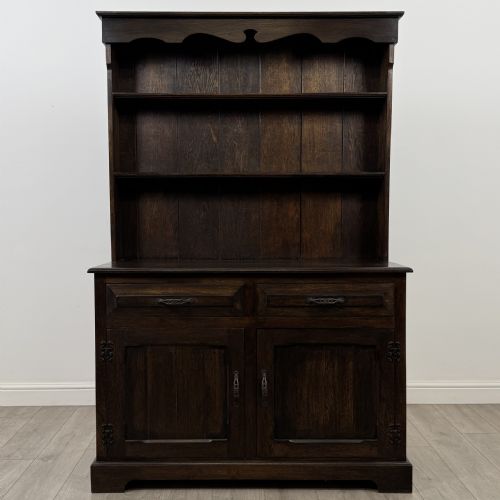
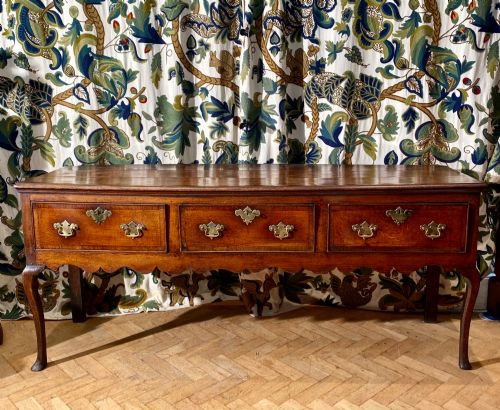
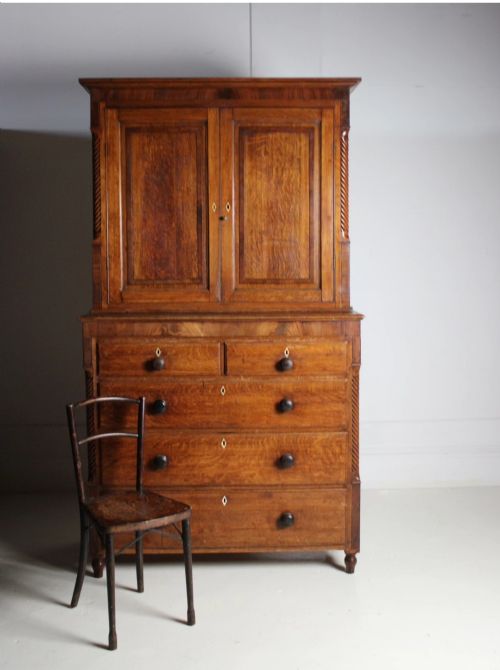
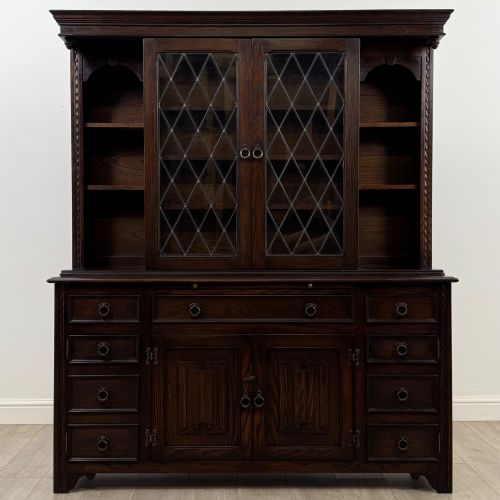
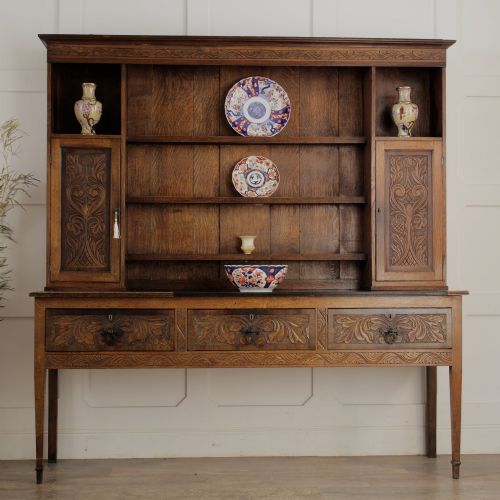
A traditional oak welsh dresser anchors a room with timber grain, open plate racks and deep storage gathered over generations.
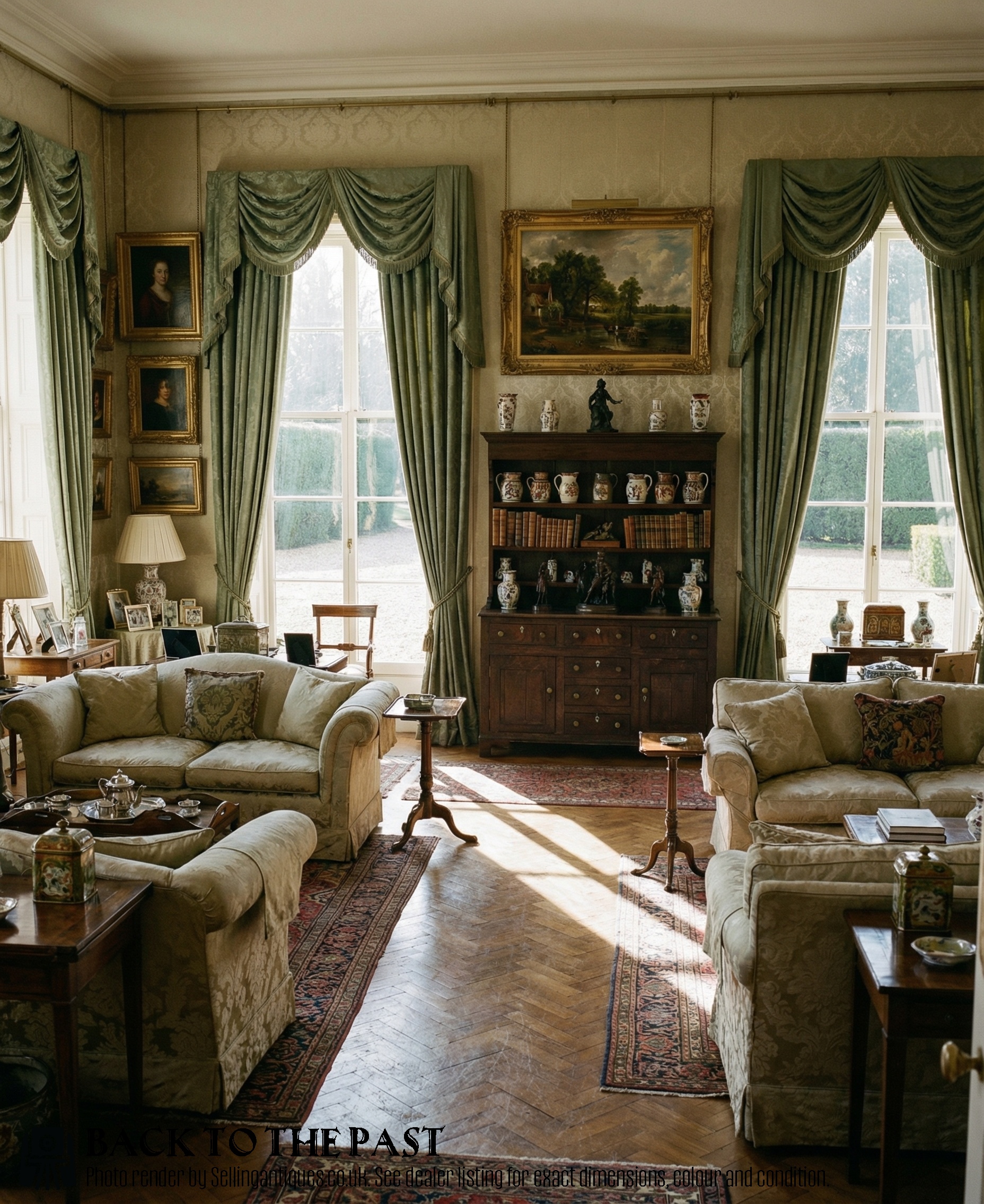
Traditional Oak Welsh Dresser
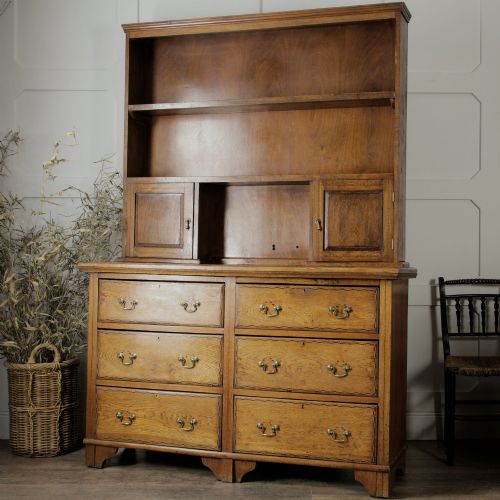
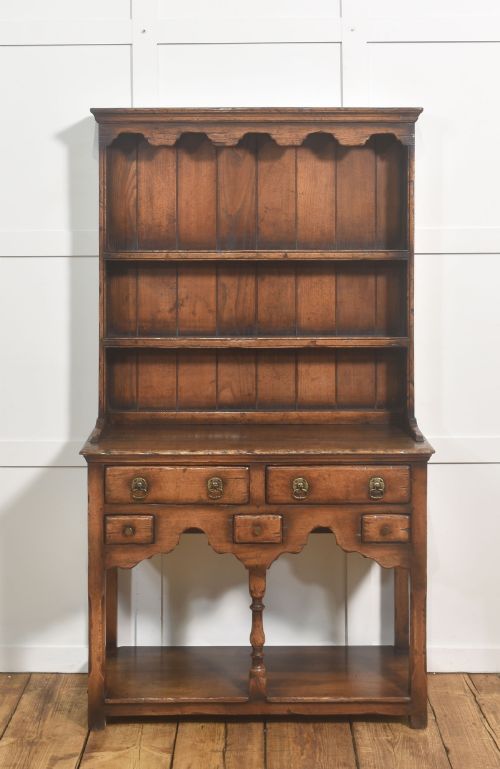
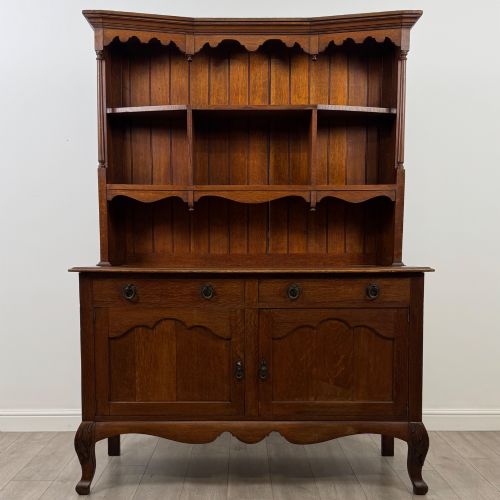
A traditional oak welsh dresser combines a lower base fitted with cupboards or drawers with an upper plate rack for displaying ceramics and pewter.
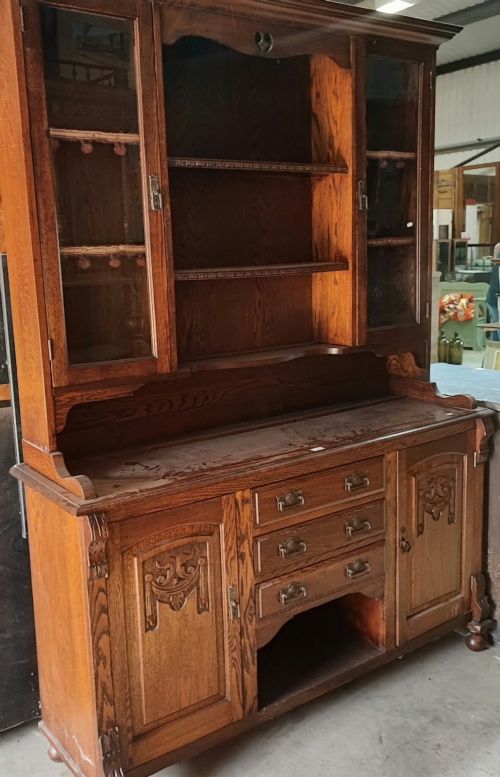
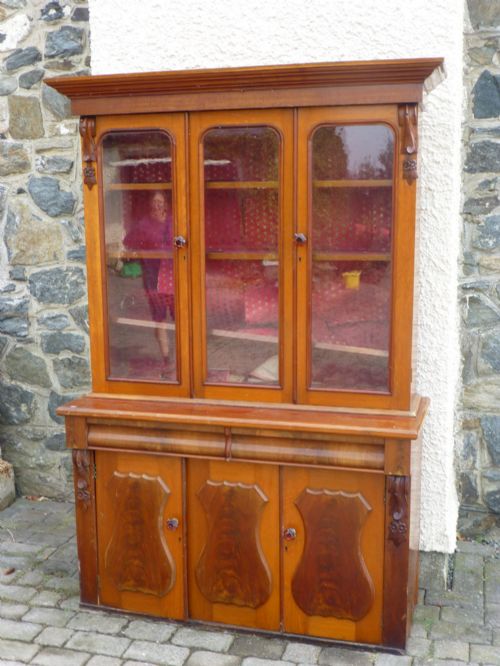
The pieces appearing here span the eighteenth, nineteenth and early twentieth centuries, drawing on Georgian, Victorian and Edwardian periods.
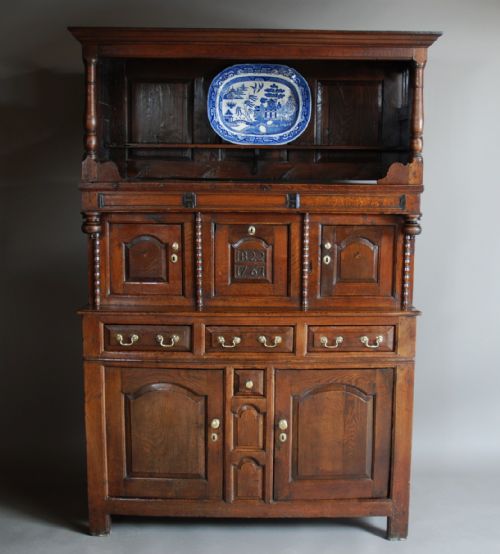
Regional vernacular variations include Snowdonia tridarns and potboard bases alongside standard country kitchen dressers.
Judging quality and character
Quality rests in the depth of timber patina, the integrity of original surface finishes and the proportion of the plate rack to the base.
Finer examples retain original brassware, undisturbed potboards and hand-carved details specific to regional workshops.
Substantial alterations to plate racks or replaced drawer bottoms distinguish working vernacular utility from collector pieces.
Listings span the eighteenth to twentieth centuries, incorporating Georgian, Victorian and Edwardian periods alongside regional styles from Snowdonia and the West Country.
The Traditional Oak Welsh Dresser Glossary
- Potboard
- An open slatted lower shelf fitted between the legs of a dresser base. This platform stored everyday earthenware pots and pans off the damp flagstone floor.
- Tridarn
- A traditional Welsh three-section press cupboard featuring an enclosed middle tier. These imposing structures represent the peak of regional vernacular carpentry.
- Patina
- The deep surface sheen developed through decades of wax polishing, handling and light exposure. It signals genuine age on historic oak timber.
- Plate rack
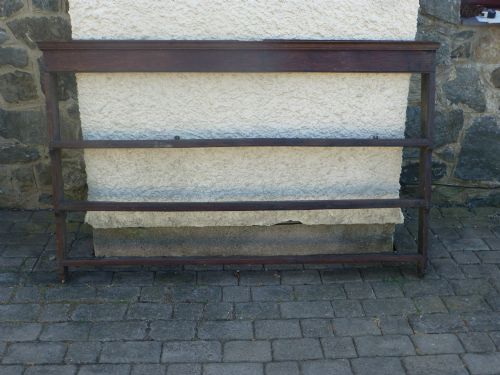
- The open shelving superstructure mounted above a dresser base to display ceramic plates and platters. It forms an integral visual component of the regional dresser design.
- Vernacular
- Furniture built by local country joiners using regional traditions rather than urban pattern books. These pieces reflect the specific domestic needs of rural households.
Traditional Oak Welsh Dresser: Frequently Asked Questions
What is a welsh dresser?
A traditional oak welsh dresser is a dual-purpose dining or kitchen furniture item featuring a lower storage cabinet and an upper plate rack.
The form evolved to store and display family tableware within farmhouse kitchens and domestic spaces.
How old is my dresser?
Dating relies upon examining construction methods, timber species, drawer dovetails and regional design traits.
Eighteenth-century examples often display pegged joinery and rich patinated oak, whereas Edwardian and Victorian pieces introduce glazed doors and lighter golden tones.
Are plate racks original?
Many dressers survived with separated bases and racks because upper shelves faced heavy wear and breakage.
Matching timber grain, colour and historical mounting marks help determine if the rack belongs natively to the base.
Where were they made?
Makers constructed these regional pieces across rural counties, with distinct Welsh vernacular styles emerging from areas like Snowdonia.
English country workshops in Shropshire and the West Country also produced robust oak variations with local idiosyncrasies.
How do I care for oak?
Historic oak timber benefits from application of traditional beeswax rather than modern silicone polishes.
Keeping pieces away from direct heat sources and dramatic humidity shifts protects the wood from splitting and preserves the surface finish.