





Traditional Oak Umbrella Stand
A traditional oak umbrella stand is a sturdy hallway essential designed to hold wet walking sticks and rain gear with dependable country house charm.
Traditional Oak Umbrella Stand
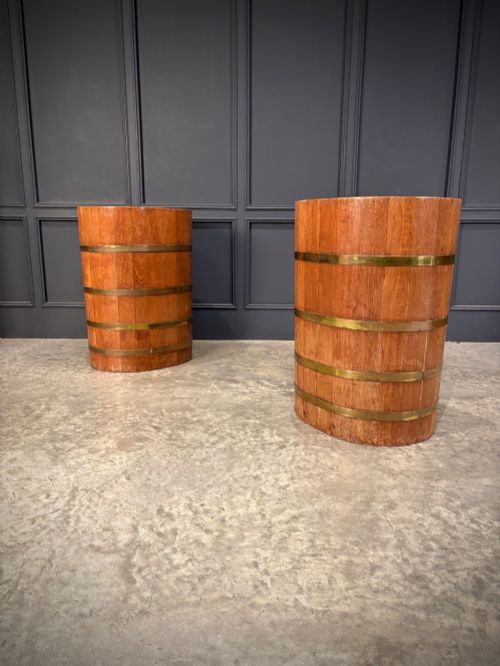
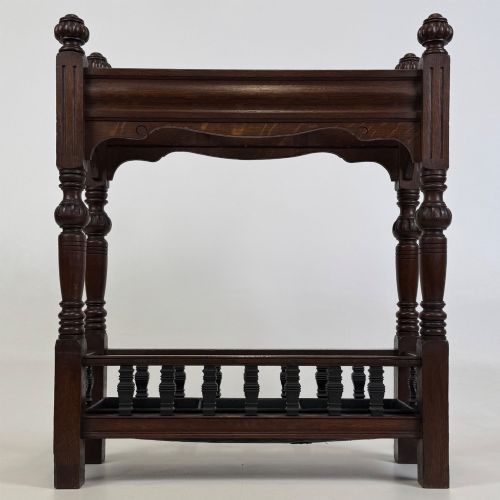
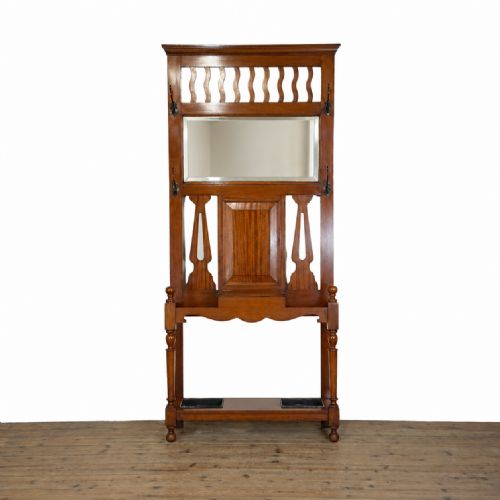
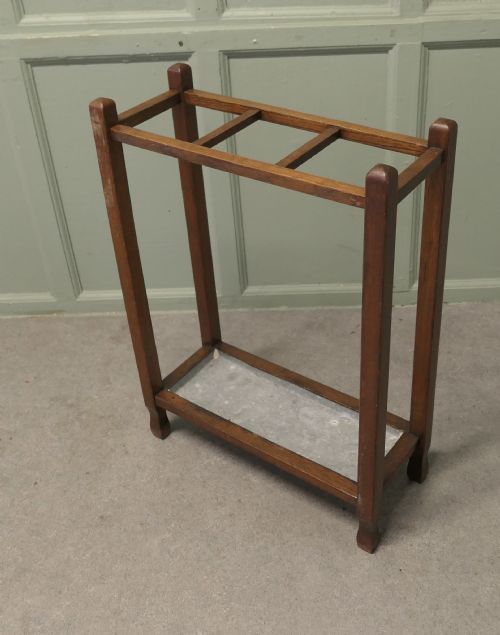
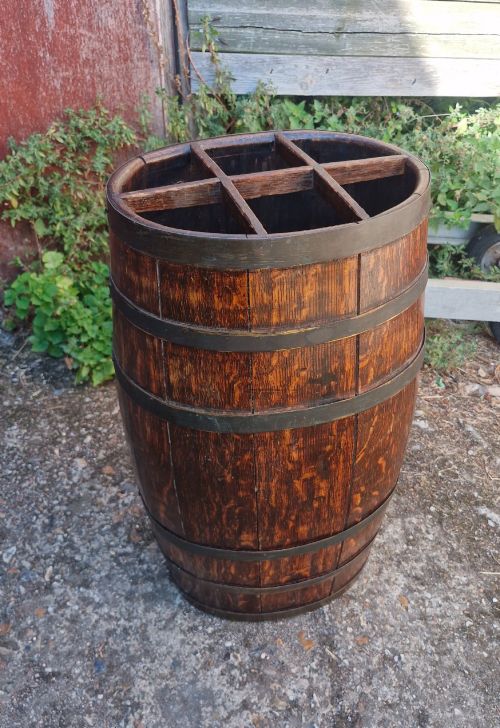
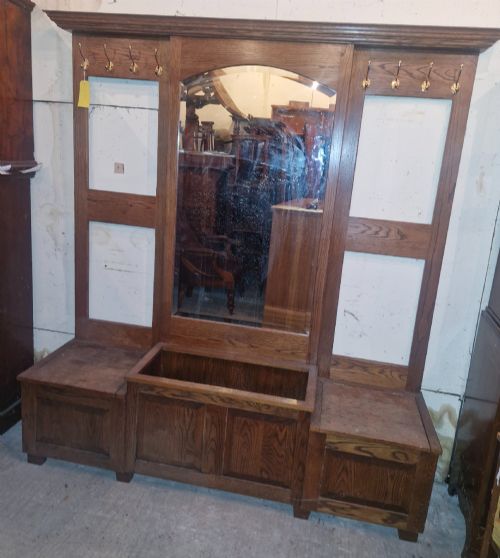
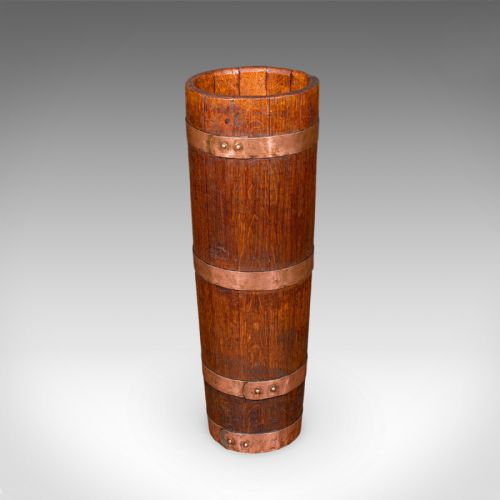
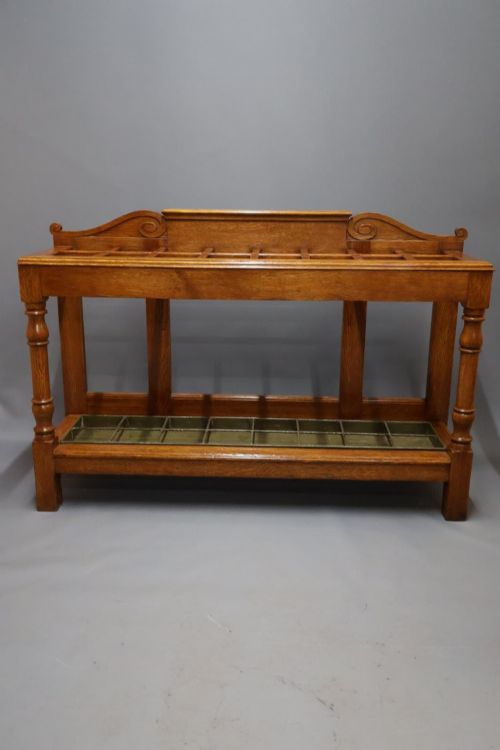
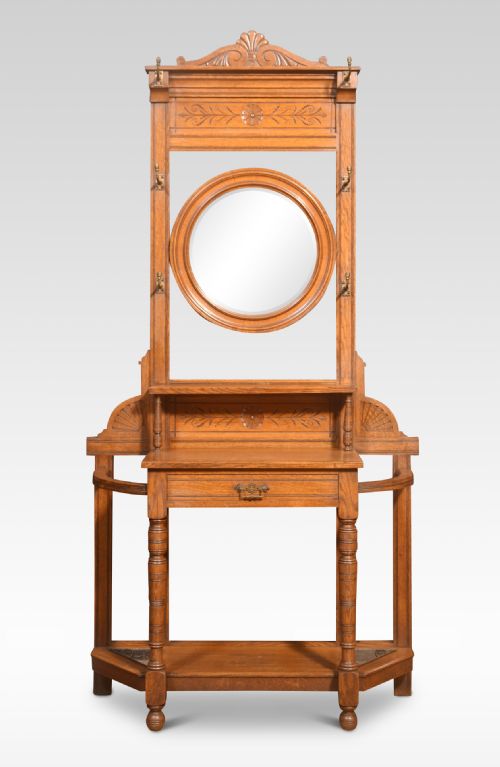
When you search for a traditional oak umbrella stand, you encounter a practical piece of hallway furniture built to manage outdoor gear in busy British homes. These pieces range from compact stick stands and coopered barrels to larger multi-functional hall stands incorporating coat hooks and mirrors.
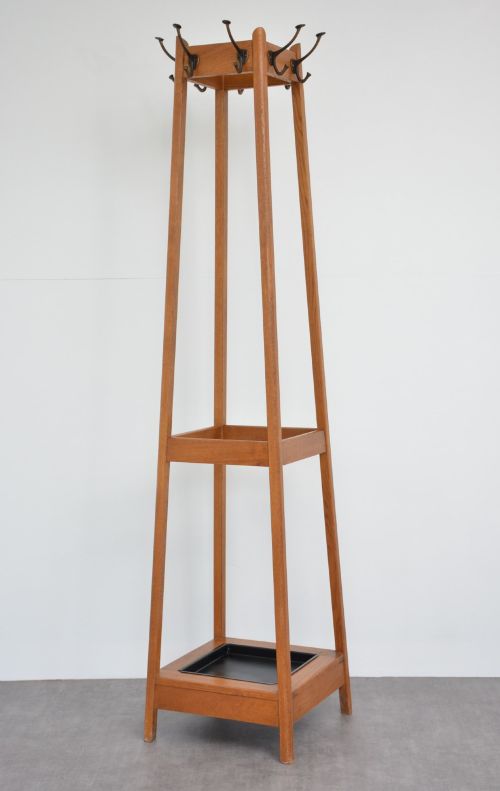
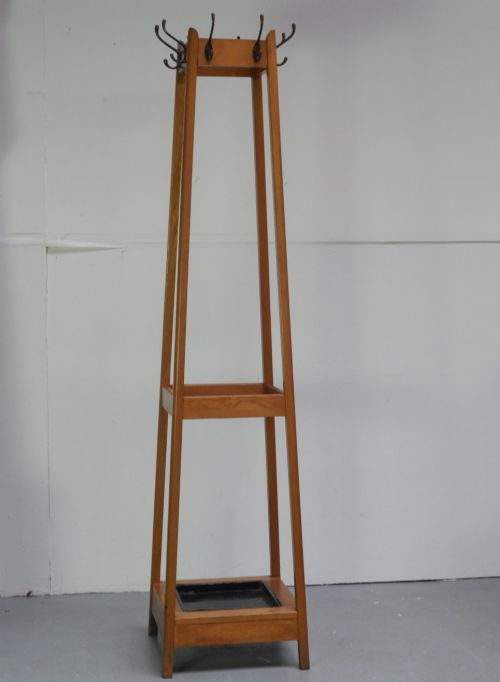
The versions you are most likely to meet on this page hail from the Victorian and Edwardian eras, alongside Arts and Crafts designs and later twentieth-century iterations. They often combine solid timber with functional metal components like cast iron or brass fittings.
Makers fashioned these utilitarian objects for daily use in country houses and town residences alike. Their enduring appeal lies in how they combine honest carpentry with immediate everyday utility.
How they were made
Craftsmen built traditional oak umbrella stands using solid oak timbers, often employing coopered stave construction for barrel-shaped forms. Metal bands in brass, copper, or iron frequently reinforce these wooden bodies to withstand moisture from wet umbrellas.
Many examples integrate original metal drip trays in zinc, iron, or brass to protect flooring from dampness. Joinery techniques vary from simple pegged construction in country pieces to more refined framing found in Edwardian hall stands.
Traditional Oak Umbrella Stand Retail Price Guide 2026
Typical asking prices for traditional oak umbrella stand among the pieces listed under this phrase on Sellingantiques today, from the lower quarter to the upper quarter. They describe what is for sale here now, not the wider market.
Listings feature oak umbrella stands spanning the Victorian and Edwardian periods alongside mid-twentieth-century industrial designs.
What varies in quality
The distinction between standard utility items and finer examples often rests on the cleverness of the design and the integrity of the timber. Golden oak and thoughtful Arts and Crafts detailing elevate a simple hallway necessity into a striking focal point.
Completeness dictates much of the value in these pieces, particularly the presence of original metal drip trays and matching brass or copper bindings. Altered components or replaced liners diminish the historical cohesion of the stand.
The Traditional Oak Umbrella Stand Glossary
- Coopered
- Constructed from wooden staves bound together with metal hoops, much like a traditional barrel or cask. This method ensures waterproof strength in round stick stands.
- Drip tray
- A removable metal basin positioned at the base of the stand to catch water from wet umbrellas. Original trays are particularly valued for authenticity.
- Hall stand
- A larger piece of furniture combining an umbrella stand with coat hooks, a mirror, and sometimes a small bench or glove box. They anchor entrance halls with multifaceted storage.
- Arts and Crafts
- A design movement prioritising traditional craftsmanship, visible construction, and simple forms inspired by medieval and vernacular traditions. Pieces from this style often feature hand-hammered metalwork and honest joinery.
- Stick stand
- A compact furniture form specifically proportioned for walking sticks, riding crops, and umbrellas. They occupy minimal floor space while keeping hallways tidy.
Traditional Oak Umbrella Stand: Frequently Asked Questions
What is the difference between a stick stand and an umbrella stand?
Historically, stick stands were built narrower to accommodate slender walking canes and riding crops, while umbrella stands offered slightly wider apertures for rain gear. In practice, makers used the terms interchangeably for furniture designed to hold long, thin items in the hallway.
Most traditional oak examples suit both purposes equally well. The internal dimensions and the presence of divided upper rings usually determine how securely different items stay upright.
How do I protect my floors from damp umbrellas?
Traditional oak umbrella stands almost invariably rely on metal drip trays positioned at floor level to catch runoff moisture. Ensuring your stand retains its original zinc, brass, or copper liner is essential for protecting wooden flooring.
Emptying and drying the metal tray periodically prevents standing water from damaging the interior base of the oak staves. Placing a small absorbent mat beneath older stands provides an extra layer of floor protection.
Where should I place an umbrella stand in a hallway?
These stands belong near the primary entrance door where wet coats and umbrellas come indoors. Placing them on a hard floor surface rather than thick carpet prevents trapped humidity against the base of the timber.
Allowing adequate clearance around the stand ensures wet handles do not brush against nearby wallpaper or plaster. Good air circulation also helps the timber dry naturally after heavy rain.
How do I date an oak umbrella stand?
Dating relies on observing construction methods, timber patination, and stylistic cues from periods like the Victorian era or Edwardian times. Arts and Crafts examples often display characteristic hand-chamfered edges and exposed tenons.
Hardware such as brass bands, cast iron fixings, and zinc liners also offer clues to the manufacturing decade. Comparing the wear patterns on the wooden base to the style of the feet helps confirm the era.