

Oak Hall Stick Stand
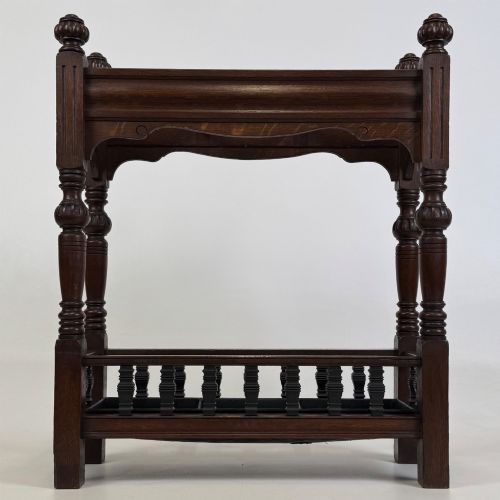
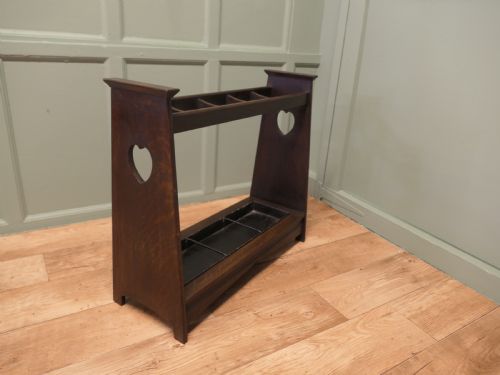
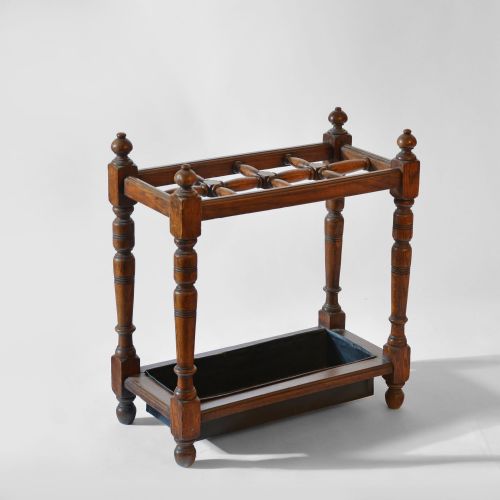
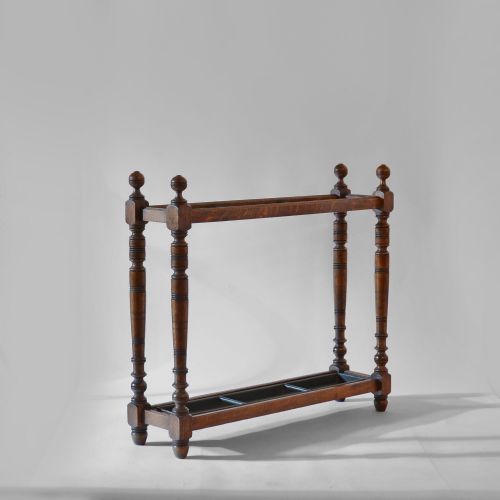
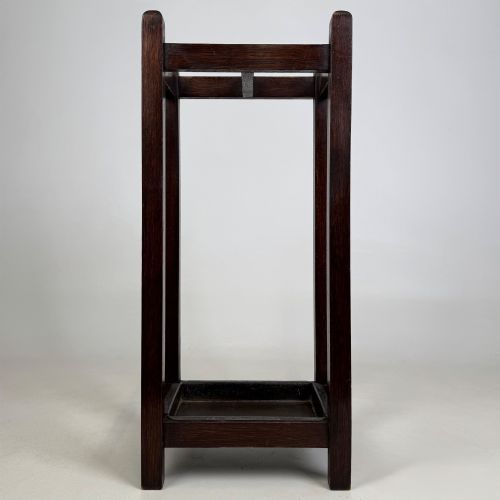
When you search for an oak hall stick stand, you look for a sturdy piece of entrance furniture designed to hold wet umbrellas and walking sticks.
Oak Hall Stick Stand
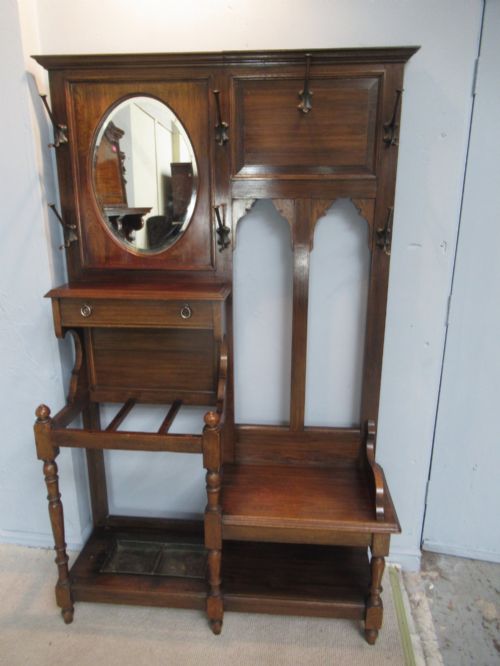
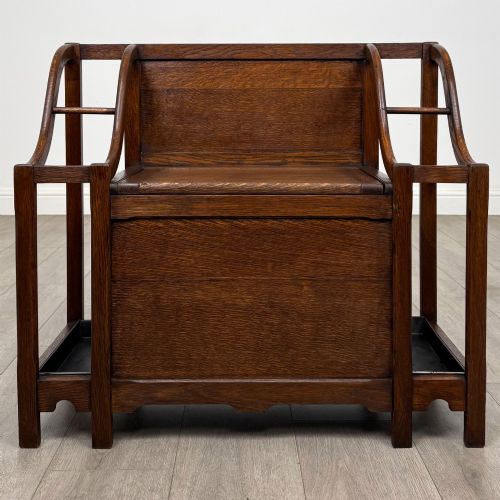
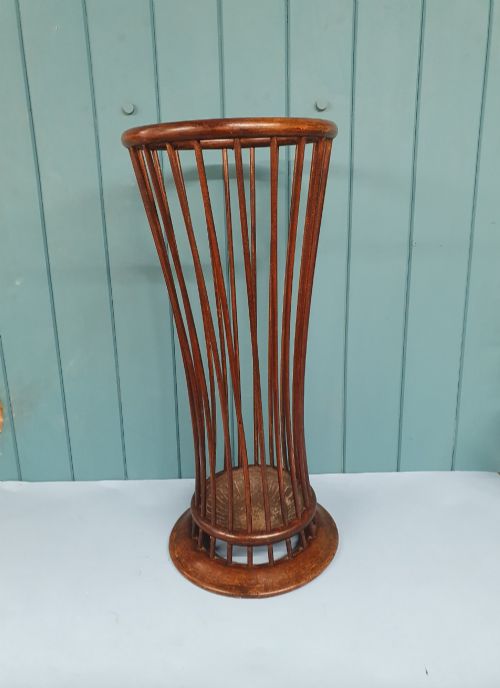
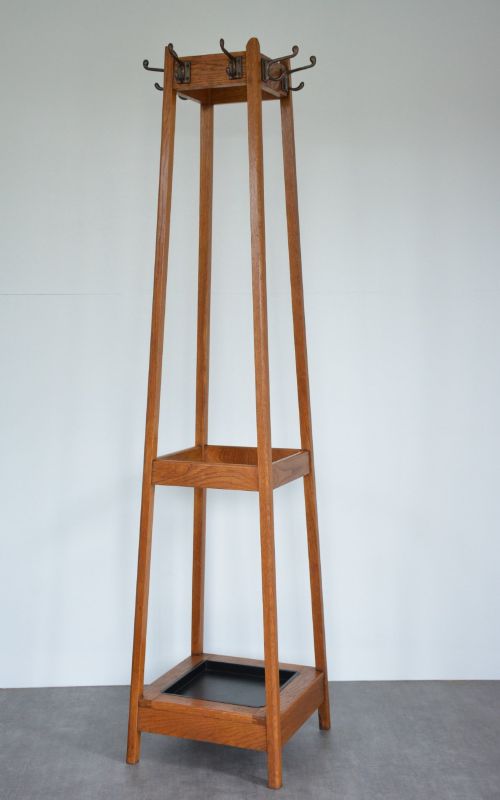
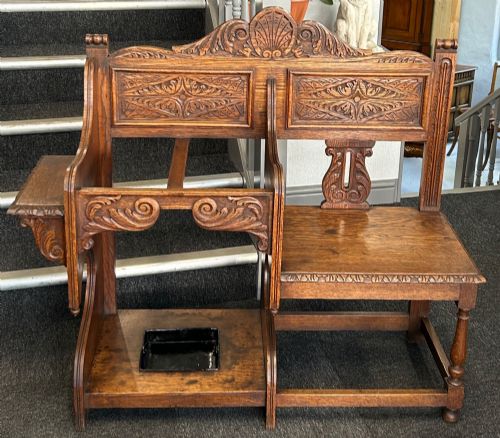
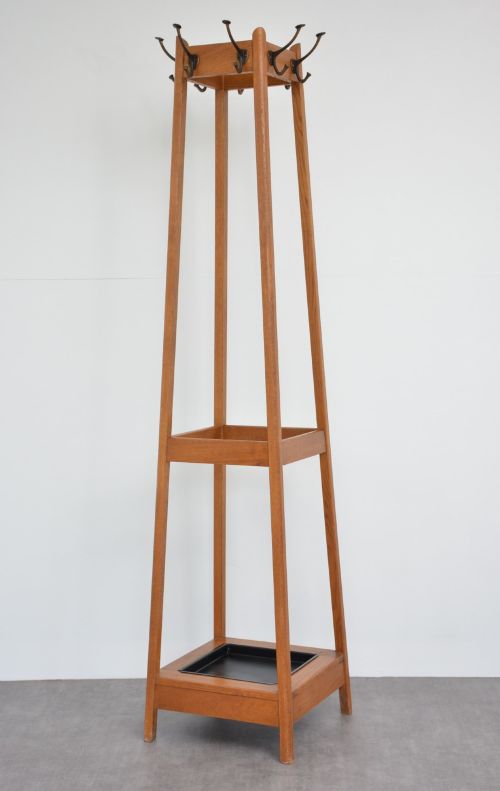
An oak hall stick stand serves as a practical entryway fixture, frequently combining umbrella storage with hooks for hats and coats or integrated seating benches. These hall furnishings appear across Victorian, Edwardian, and Arts and Crafts periods, reflecting the domestic requirements of nineteenth and twentieth-century hallways.
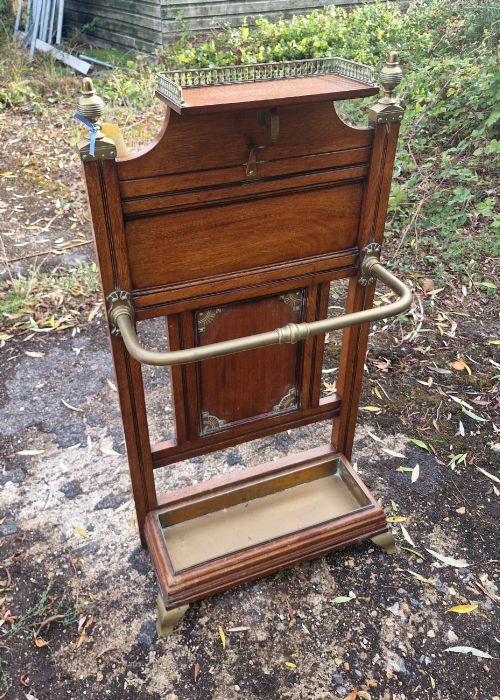
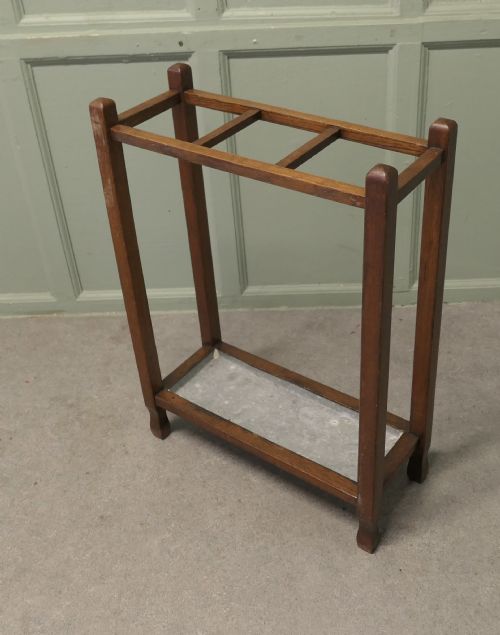
The most common formats range from dedicated compact umbrella racks to expansive hall stands featuring carved panels, mirrors, and cast metal drip trays. Whether configured as a simple quadrant corner stand or a heavy country house bench with umbrella dividers, the core purpose remains the orderly reception of outer garments and walking gear.
Materials and Construction Techniques
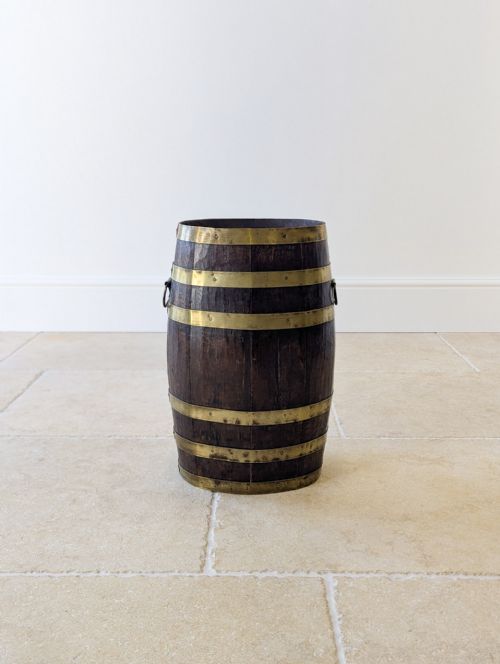
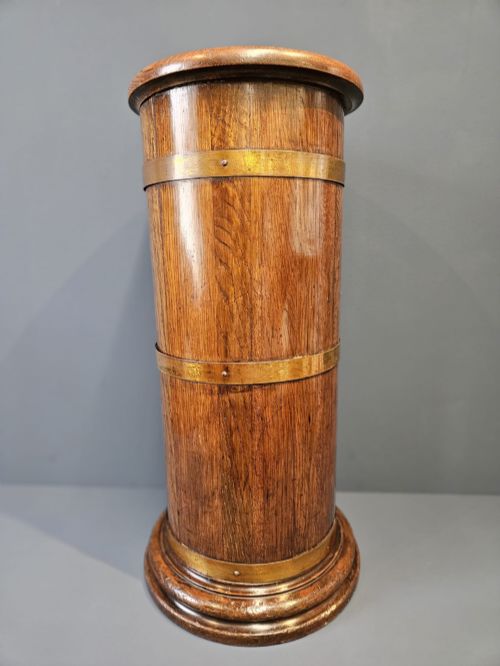
Makers constructed these pieces primarily from solid and golden oak, sometimes employing coopered methods with bent staves bound by brass or copper bands to form cylindrical umbrella buckets. Carved wood details, applied mouldings, and turned spindles define the stylistic output of the Arts and Crafts and Gothic Revival movements.
Functional metal elements form an essential part of the construction, featuring cast iron, zinc, or brass drip trays placed at the base to catch water from wet sticks. Integrated iron coat hooks, mirror frames, and corner brackets complete the structural assembly of these robust hallway pieces.
Materials recorded across the inventory include solid oak, brass, copper, cast iron, and carved wood elements.
Distinctions in Craftsmanship
The distinction between standard utility items and finer examples lies in the depth of hand-carved detail, such as Green Man motifs or geometric panels, and the weight of the timber utilised. Superior pieces exhibit thoughtful joinery, such as panelled backs and substantial framing that withstands daily entryway use.
Quality also shows in the selection of original hardware, including heavy cast brass or copper trays, sturdy umbrella dividers, and well-secured mirrors, rather than later replacements. The integrity of the coopered staves and the crispness of the carving separate mass-produced hall stands from master-workshop outputs.
J Parker of Woodstock·Heals of London·GW Evans London·Liberty Co
The Oak Hall Stick Stand Glossary
- Coopered
- Constructed from vertical wooden staves fitted together and bound by metal hoops, much like a barrel. This technique creates the rounded bodies seen on many umbrella buckets.
- Drip tray
- A removable metal basin placed at the base of a stand to catch water from wet umbrellas. These are frequently formed from brass, zinc, or copper.
- Green Man
- A sculptural architectural ornament depicting a human face disgorged from foliage. This motif appears frequently on carved Victorian and Arts and Crafts hall furniture.
- Quadrant
- A structural shape designed to fit neatly into the corner of a room. These space-saving stands feature a curved front and right-angled back.
- Hall settle
- A wooden bench with a high back and enclosed arms, often adapted with lower compartments or side attachments for walking sticks and umbrellas.
Oak Hall Stick Stand: Frequently Asked Questions
How do I maintain the oak finish?
Keep the wood nourished by applying traditional beeswax periodically to preserve the natural grain and protect against dry indoor atmospheres. Avoid placing the stand directly beside heat sources that might cause the timber to split.
Wipe down internal metal drip trays regularly to prevent moisture accumulation and subsequent corrosion of the surrounding wooden base.
How do I distinguish Edwardian from Victorian pieces?
Victorian stands typically display heavier proportions, darker oak tones, and dense Gothic or Renaissance revival carvings. The construction prioritises imposing presence and substantial weight.
Edwardian examples often feature lighter golden oak finishes, simpler geometric lines, and integrated influences from the Arts and Crafts movement.
Are the drip trays usually original?
Many surviving stands retain their original brass, copper, or zinc liners, which show appropriate signs of age and wear. Replacements do occur due to corrosion over decades of catching rainwater.
Examine the fit and patination of the metal basin to understand its historical relationship to the main oak structure.