
Traditional Oak Turned Stool
A traditional oak turned stool brings sturdy vernacular character to a room, offering honest seating built from timber that lasts centuries.
Traditional Oak Turned Stool
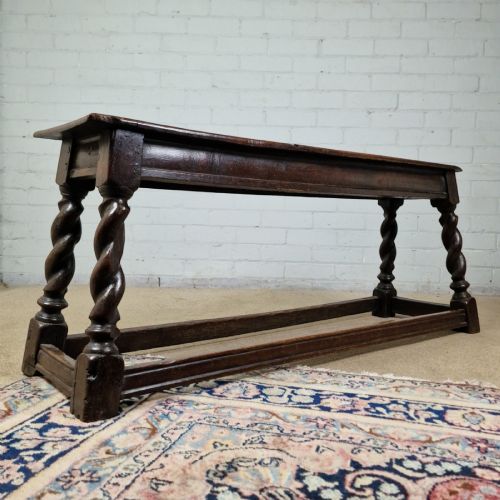
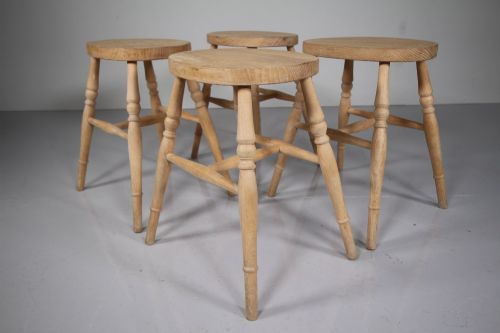
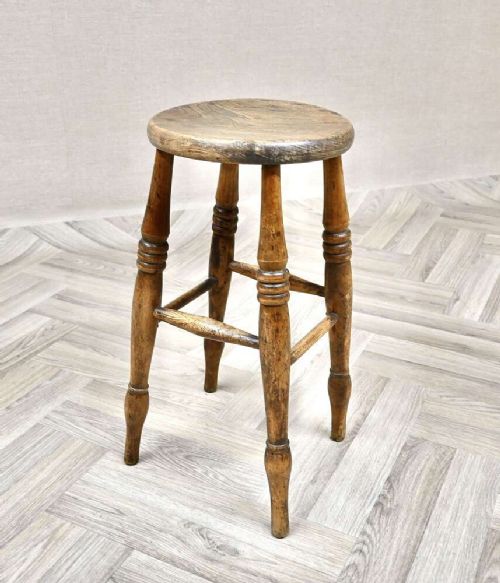
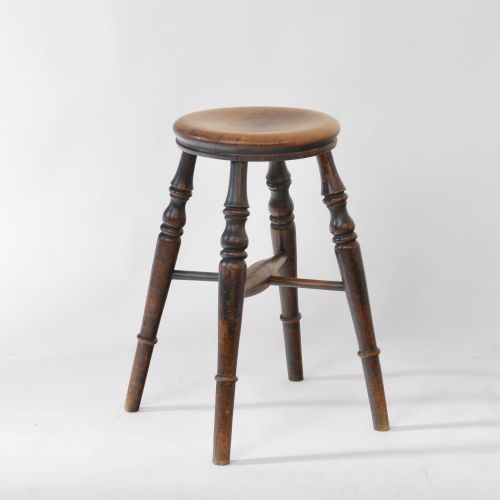
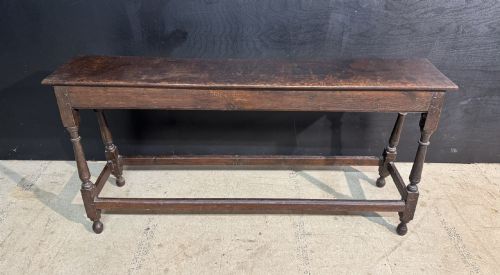
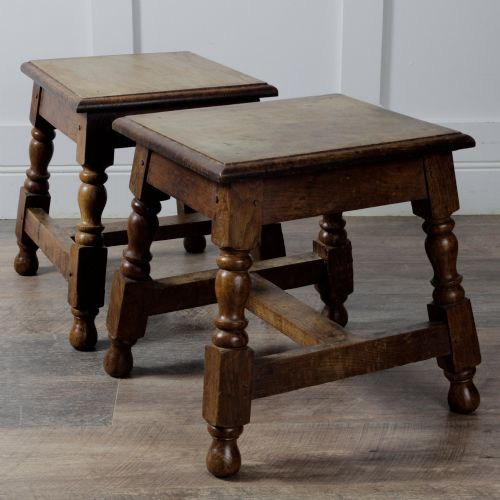
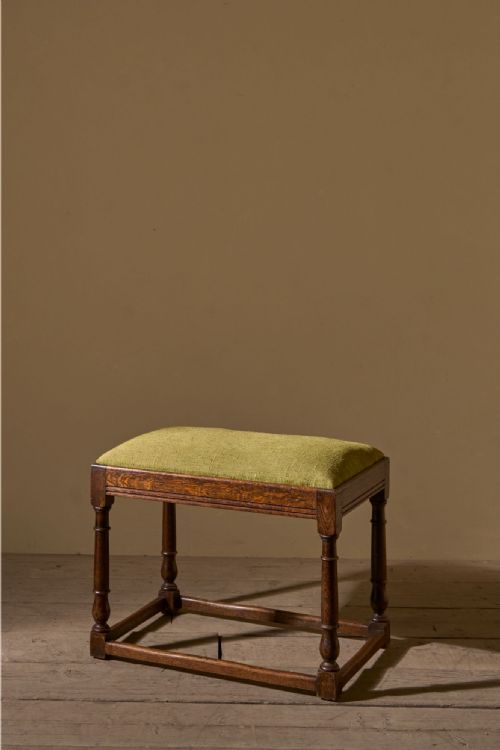
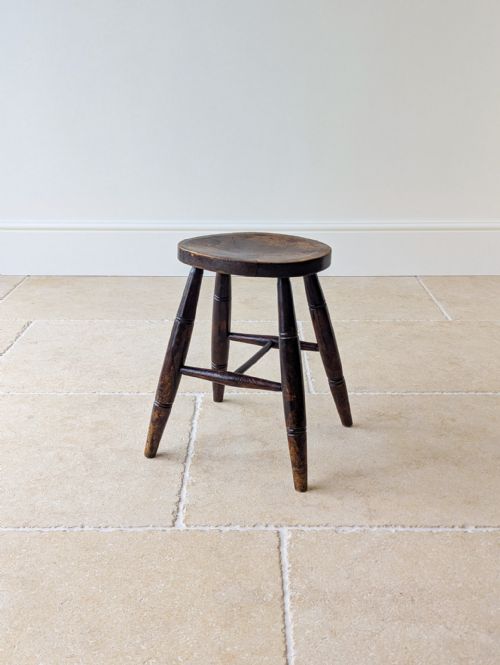
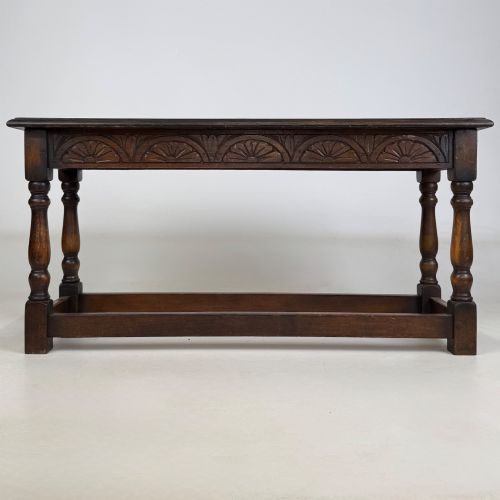
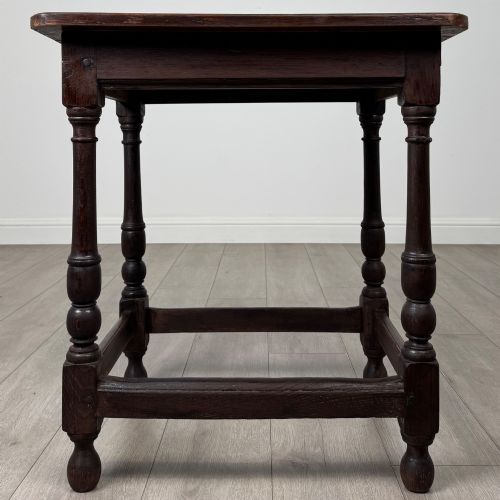
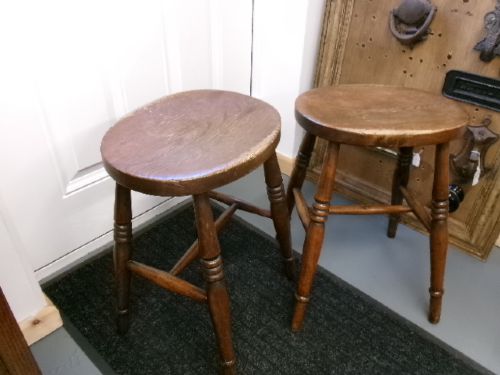
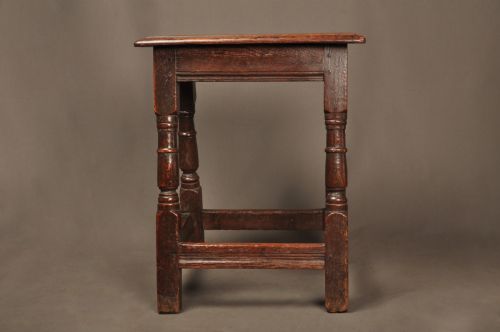
A traditional oak turned stool is a utilitarian seat rooted in domestic and commercial interiors from the eighteenth and nineteenth centuries. These pieces appear in forms ranging from low joint stools and tall bar seating to tavern and country variants.
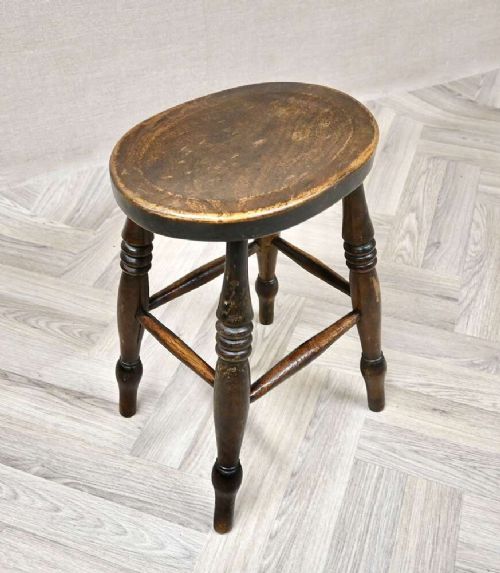
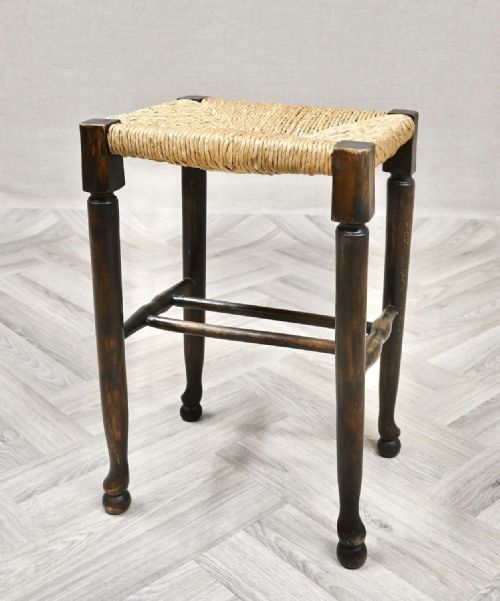
The selections on this page span the Georgian and Victorian eras through to the early twentieth century, including revival pieces and regional country styles. Buyers frequently encounter low joint stools alongside dished-seat Windsor examples and rush-seated variants.
Makers utilised native hardwoods to produce robust seating suitable for demanding daily use in houses, pubs, and clerk's offices. The resulting objects range from compact footstools to long benches and matching pairs.
What varies in quality
Quality rests in the integrity of the timber and the precision of the joinery rather than ornamental elaboration. Pieces retaining their original turned stretchers and uncompromised structural density command greater appreciation.
Subtle differences in the turning of the legs and the patination of the wood separate utilitarian workshop output from refined domestic furniture. Original surface finishes and honest patination reflect the age and usage history of each piece.
Listings feature items built from oak, elm, ash, beech, sycamore, and pine, spanning the eighteenth century to the early twentieth century.
The Traditional Oak Turned Stool Glossary
- Joint stool
- An early form of wooden seating constructed with pegged mortise and tenon joints rather than simpler pegged carpentry. These sturdy items served various household functions before chairs became common.
- Turned
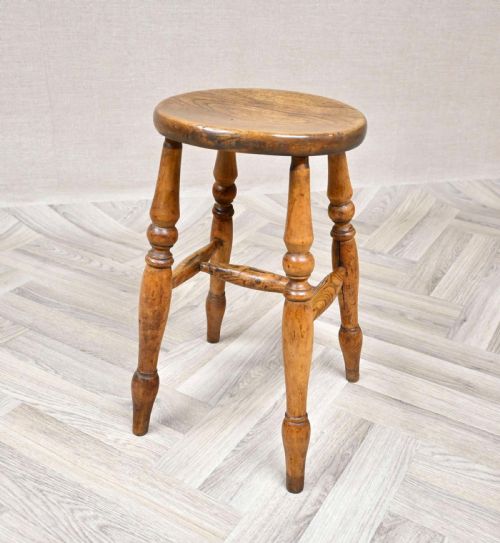
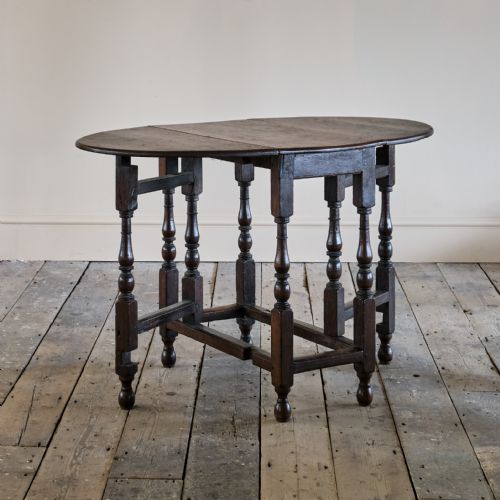
- Shaped on a lathe by rotating the timber against a cutting tool to produce cylindrical or patterned legs and stretchers. This process strengthens the framework while offering decorative detail.
- Rush seat
- A seating surface woven from dried marsh grasses or rushes, providing a resilient and textured platform. This technique appears frequently on country stools and chairs.
- Dished top
- A seat surface hollowed into a shallow concave depression to improve comfort for the user. It is a common feature on Windsor and tavern stools.
- Windsor
- A style of seating characterised by wooden seats into which the legs and back spindles are directly inserted. Regional variations utilise timbers such as ash, elm, and yew.
Traditional Oak Turned Stool: Frequently Asked Questions
What is a joint stool?
A joint stool is an early wooden seat built with pegged mortise and tenon joinery rather than nailed construction. Carpenters built these items to be exceptionally sturdy for daily domestic tasks.
They frequently served as seating around dining tables or as stands for household objects before chairs became commonplace in every home.
How do I date an old stool?
Dating relies on examining the timber species, tool marks, construction methods, and overall wear patterns. Eighteenth-century examples often display heavy oak framing and hand-cut joinery, while later nineteenth-century pieces may utilise turned ash, elm, or beech.
Revival pieces from the late Victorian or Edwardian periods frequently emulate earlier seventeenth-century styles through decorative carving and turned components.
Where were these stools used?
These pieces originated in diverse settings including farmhouses, country cottages, taverns, alehouses, and clerk's offices. Pubs and alehouses utilised tall bar stools and dished-seat tavern stools for commercial patrons.
Domestic interiors employed low joint stools, footstools, and rush-seated variants near hearths and dining tables.
Are rush seats durable?
Rush seating woven from dried marsh plants offers surprising resilience and flexibility under regular daily use. Traditional construction methods allow these woven surfaces to support body weight comfortably over generations.
Owners protect rush seats by avoiding damp environments and keeping the natural fibres clean and dry.