
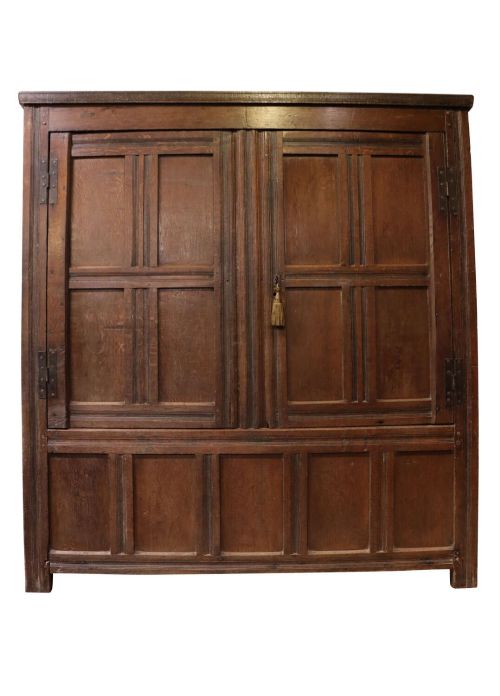
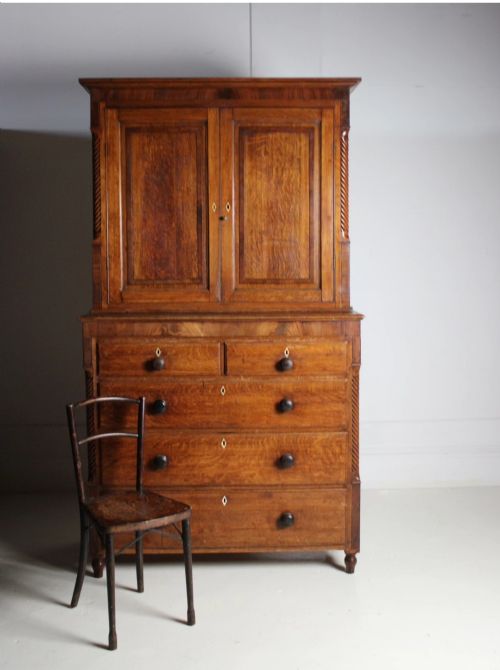
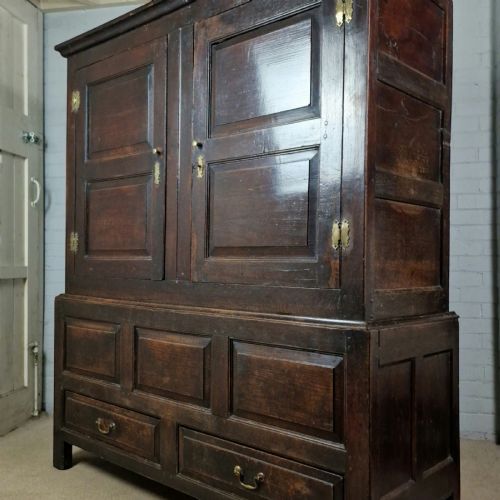
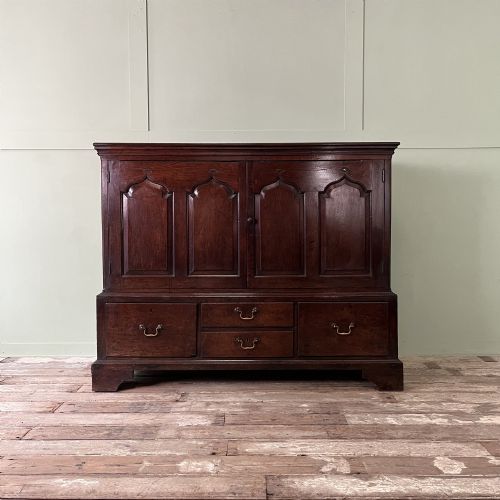
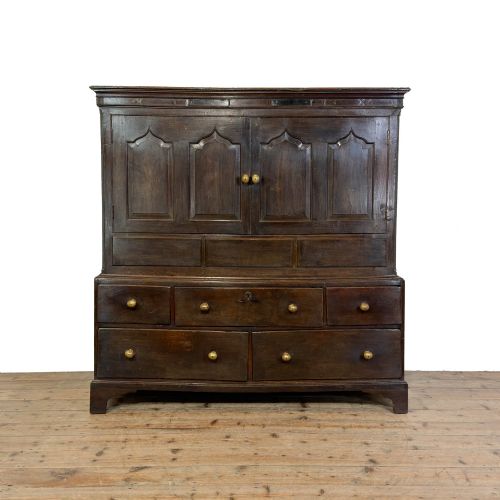


Traditional Oak Linen Cupboard
A traditional oak linen cupboard provides solid storage, and this selection draws mainly on Georgian and 19th Century English and Welsh pieces.
Traditional Oak Linen Cupboard
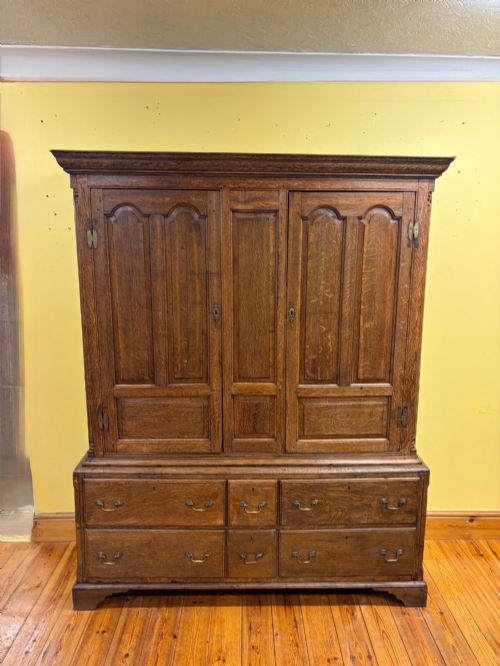
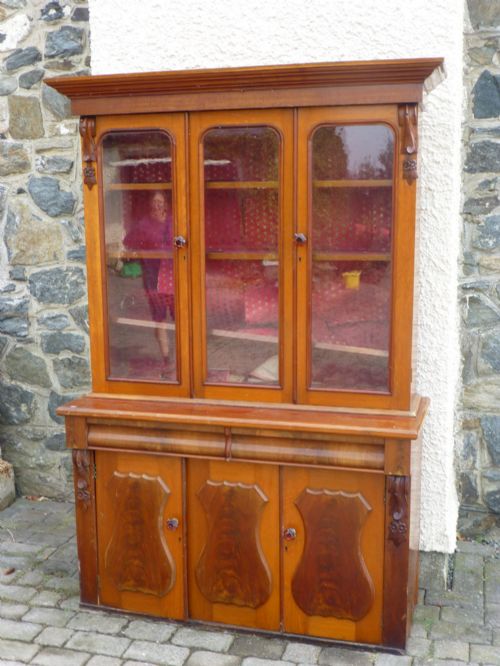
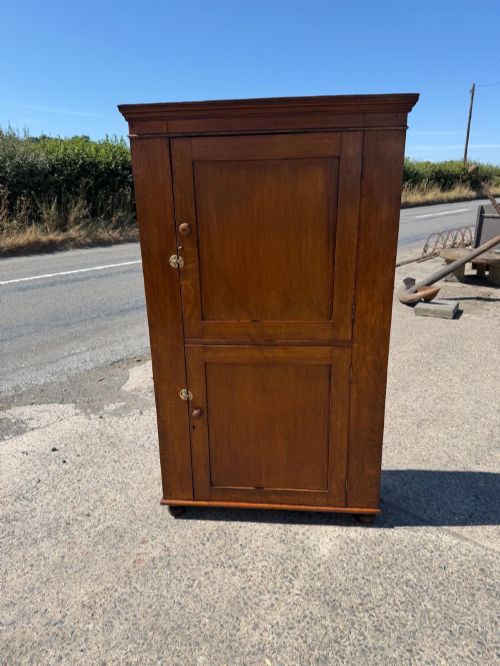
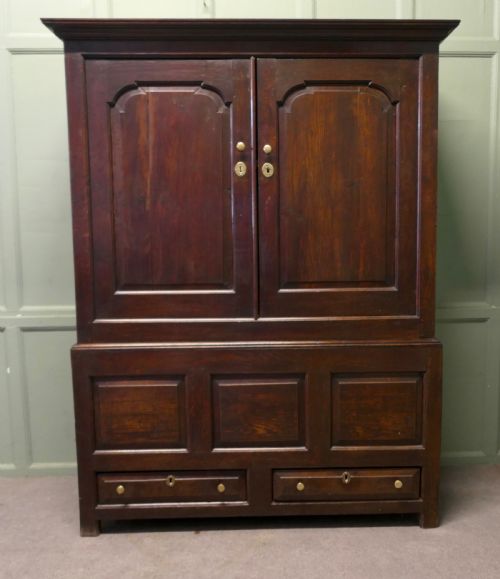
When you search for a traditional oak linen cupboard, you encounter substantial utilitarian furniture designed to store textiles and household provisions in country houses and farmhouses. The forms on this page span Georgian and 19th Century periods, incorporating regional variants from English and Welsh workshops alongside occasional French armoires and cupboards.
The most common versions met here are housekeeper cupboards, press cupboards, and livery cupboards built from heavy native timber. These pieces typically combine upper shelving or hanging space with lower drawers or enclosed cupboards, maintaining the domestic utility required by large households.
Regional styles dominate the selection, particularly Welsh vernacular pieces such as the cwpwrdd deuddarn and glazed dressers. These items reflect local cabinet-making traditions, utilising local timber stocks and specific construction methods handed down through generations.
Materials and construction methods
Makers built these pieces primarily from solid oak, supplemented occasionally by mahogany details, pinecarcasses, and applied paint finishes. Iron and brass hardware, such as hinges and escutcheons, secure the heavy doors while glass panels appear in glazed bookcase and dresser variants.
Joinery techniques rely on sturdy frame and panel construction to accommodate the natural seasonal movement of solid oak. Carpenters utilised pegged tenons, dovetail joints for drawer construction, and hand-planed boards to assemble carcasses that endured centuries of domestic use.
Listings feature 18th-century and 19th-century periods, utilising oak, mahogany, pine, brass, iron, glass, and paint.
Markers of quality
Quality in these cupboards depends upon the selection of timber and the integrity of the original construction rather than decorative excess. Finer examples display dense, figured oak boards with consistent grain matching across the doors and drawer fronts, indicating a skilled hand in material selection.
Proportion and untouched patination separate standard utility pieces from superior examples. The retention of original brass or iron hardware, unblemished panel work, and crisp mouldings reflect the standard of the original workshop.
The Traditional Oak Linen Cupboard Glossary
- Livery cupboard
- A traditional storage piece historically used for food and provisions before evolving into general linen storage. These items often feature panelled doors and internal shelving.
- Housekeeper cupboard
- A large storage cabinet traditionally kept in the domestic quarters of a large estate for linens and household supplies. They typically feature upper and lower storage sections.
- Press cupboard
- A two-part storage cabinet designed for pressing and storing garments and linens. The upper section frequently encloses sliding trays or shelves.
- Cwpwrdd deuddarn
- A traditional Welsh two-piece oak cupboard dating to the 18th century or earlier. These vernacular pieces feature distinct panelled construction and regional proportions.
- Bun feet
- Rounded, slightly flattened wooden feet turned on a lathe. They provide a stable support base for heavy Victorian and Georgian cabinet furniture.
Traditional Oak Linen Cupboard: Frequently Asked Questions
What is a traditional oak linen cupboard used for?
These large cabinets provide substantial storage for household textiles, blankets, and clothing within bedrooms, hallways, or kitchens.
Historically, they served the practical needs of rural and estate households, keeping linens clean and provisions secure behind heavy wooden doors.
How do I date a Georgian oak cupboard?
Dating relies on examining construction marks, timber characteristics, and hardware styles associated with the 18th century.
Georgian pieces often display hand-cut dovetails, pegged joints, and characteristic mouldings that differ from later Victorian or 20th-century vernacular furniture.
Are these cupboards made of solid oak?
The listings consist primarily of solid oak construction, sometimes paired with secondary timbers like pine for internal shelves or drawer linings.
Regional workshops utilised native oak boards for the main carcasses and panel work to ensure durability over centuries of domestic service.
What is the difference between a press and a livery cupboard?
A press cupboard generally incorporates sliding internal trays or space specifically arranged for flattening and storing linens.
A livery cupboard traditionally refers to a storage cabinet with ventilated doors or panels originally intended for rations or garments.
How do I fit a large antique cupboard into a modern room?
Measure your ceiling height and floor space carefully before purchase, as these pieces were built for high-ceilinged period houses.
Ensure clearance for opening heavy panelled doors and consider placing them against blank walls where their deep timber tones can anchor the room.